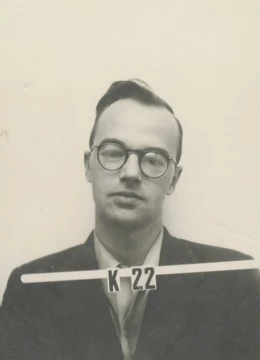
Tommy Lucchese
Boss of the Lucchese crime family from 1951 to 1967.

Unknown author · Public domain
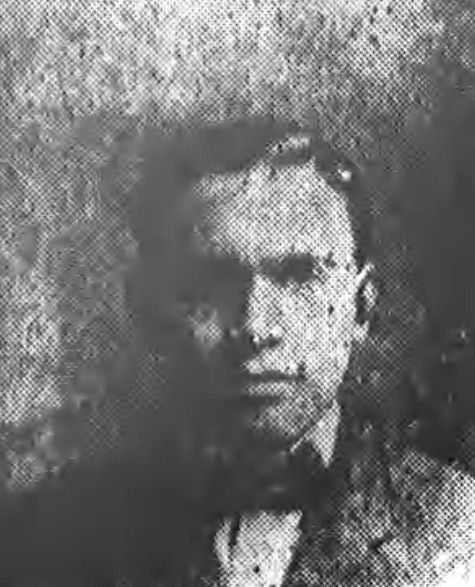
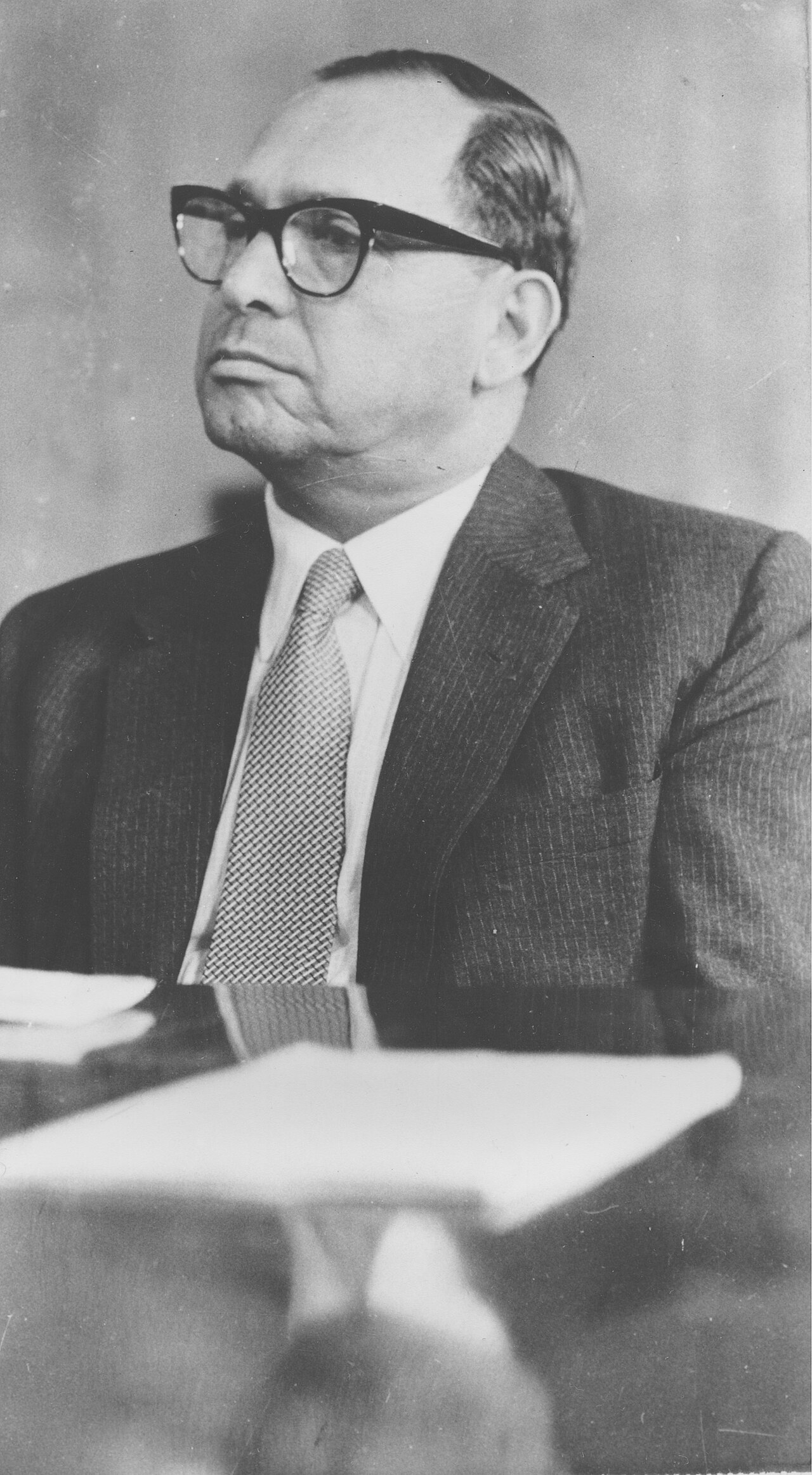
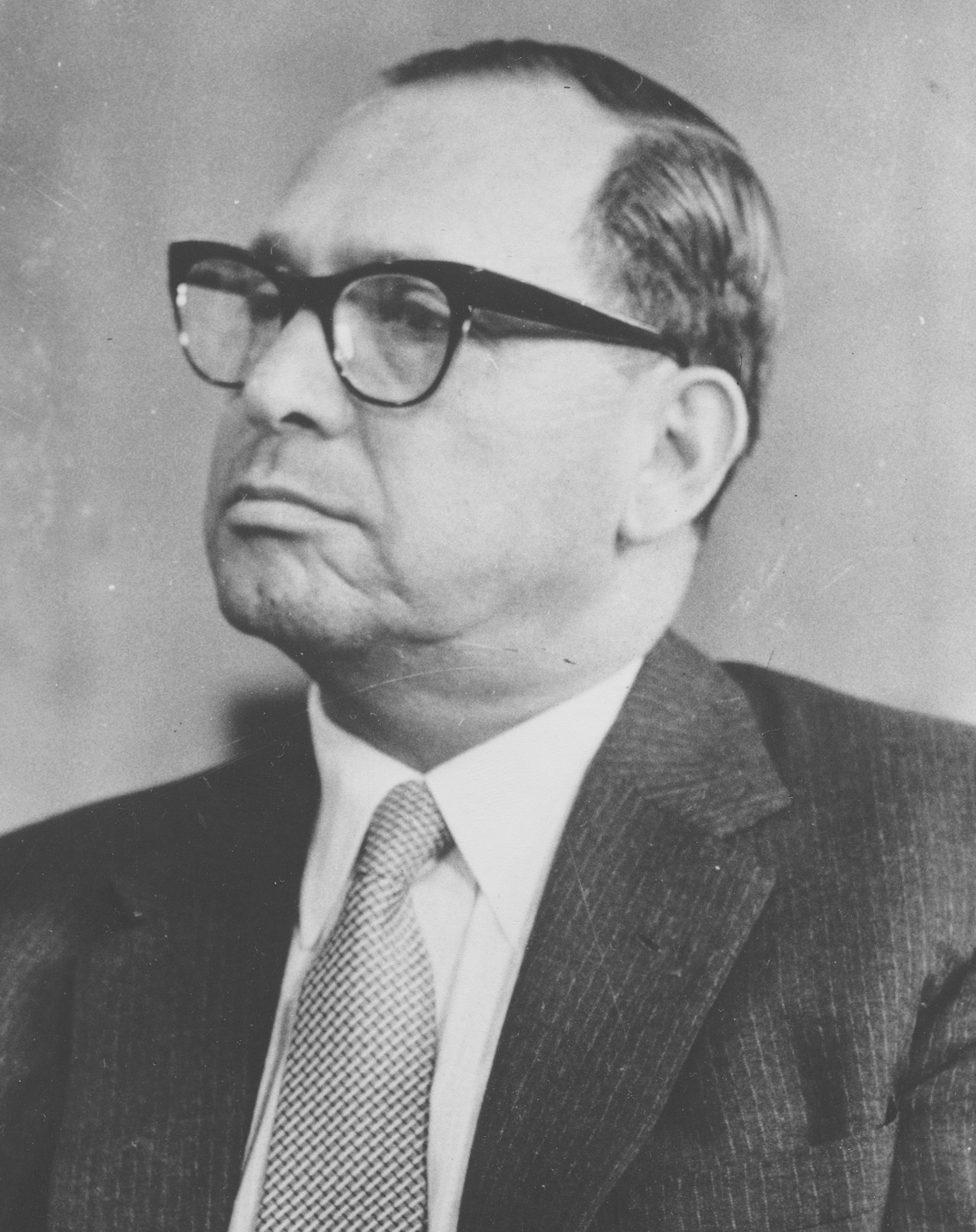
Thomas Gaetano Lucchese—born Gaetano Lucchese and often called “Tommy Three-Finger Brown”—spent more than three decades as a major figure in the American Mafia, an offshoot of Sicily’s Cosa Nostra. He led the Lucchese crime family, one of New York City’s Five Families, from 1951 until his death in 1967.
Lucchese was born on December 1, 1899, in Palermo, Sicily, to Baldassarre and Francesca Lucchese. His surname hints at roots in the Sicilian town of Lucca Sicula. In early 1911, his family moved to the United States and settled in East Harlem, Manhattan’s Italian neighborhood, first at 213 East 106th Street and later at 316 East 118th Street. His father worked hauling cement. As a teenager, Lucchese labored in a machine shop until an industrial accident in 1915 cost him his right thumb and forefinger. In the early 1930s, he and his family relocated to an apartment at 100-18 Northern Boulevard in Corona, Queens, an area known as the “Little Italy of Queens.” Lucchese stood 5 feet 4 inches tall. Three of his brothers—Joseph, Vincent (Jimmy), and Anthony (Nino)—also entered organized crime. He became a naturalized U.S. citizen in 1943. Lucchese married Catherine, and they had two children, Frances and Baldesare. The family lived at 104 Parsons Blvd in Malba, Queens, before moving in 1950 to 74 Royat Street in Lido Beach, Long Island. His daughter Frances later married Tommy Gambino, son of Gambino crime family boss Carlo Gambino, forging a strong bond between the two families.
After his accident, Lucchese spent more time with the 107th Street gang, whose members stole wallets, burglarized stores, and ran other illegal operations. The gang operated under the protection of Bronx–East Harlem family boss Gaetano “Tom” Reina. By age eighteen, Lucchese had started a window washing company in East Harlem; anyone who refused his services risked having their windows broken. He sometimes worked out of a political club near East 106th Street. By the early 1920s, he had become a close ally of mobster Charlie “Lucky” Luciano and rose to a top position in Reina’s crime family.
Over his criminal career, Lucchese was arrested only six times, from his first arrest in 1920 to his last in 1935, and never served a long prison sentence. In 1920, he was arrested in Riverhead, Long Island, for grand larceny after stealing a car.
Quick Facts
- Birth Date
- 1899-12-01
- Birth Place
- Palermo, Sicily, Kingdom of Italy
- Birth Name
- Gaetano Lucchese
- Death Date
- 1967-07-13
- Death Place
- Lido Beach, New York, U.S.
- Resting Place
- Calvary Cemetery, Queens, New York, U.S.
- Citizenship
- American
- Other Names
- Thomas Luckese, Tommy Brown, Tommy Three-Finger Brown, Thomas Arra
- Allegiance
- Lucchese crime family
- Occupation
- Crime boss
- Spouse
- Catherine Lucchese
- Relatives
- Joseph Lucchese (brother) / Thomas Gambino (son-in-law) / Carlo Gambino (co-father-in-law)
Facts from the source article.
Lore & Background
Gaetano Lucchese was born on December 1, 1899, to Baldassarre and Francesca Lucchese in Palermo, Sicily. In early 1911, the family emigrated to the United States, settling in Manhattan's East Harlem neighborhood. As a teen, Lucchese worked in a machine shop until 1915, when an industrial accident amputated his right thumb and forefinger. After the accident, he spent more time with the 107th Street gang, engaging in theft and burglary. By the early 1920s, he had become a strong ally of Charlie 'Lucky' Luciano and a top member of Gaetano Reina's crime family. During the Castellammarese War, Lucchese alerted Luciano that Salvatore Maranzano planned to kill him, and later identified Maranzano for hitmen posing as IRS agents, leading to Maranzano's murder. After the war, Tommy Gagliano headed one of the five families, with Lucchese as his underboss and the family's public face.
Reader's Guide
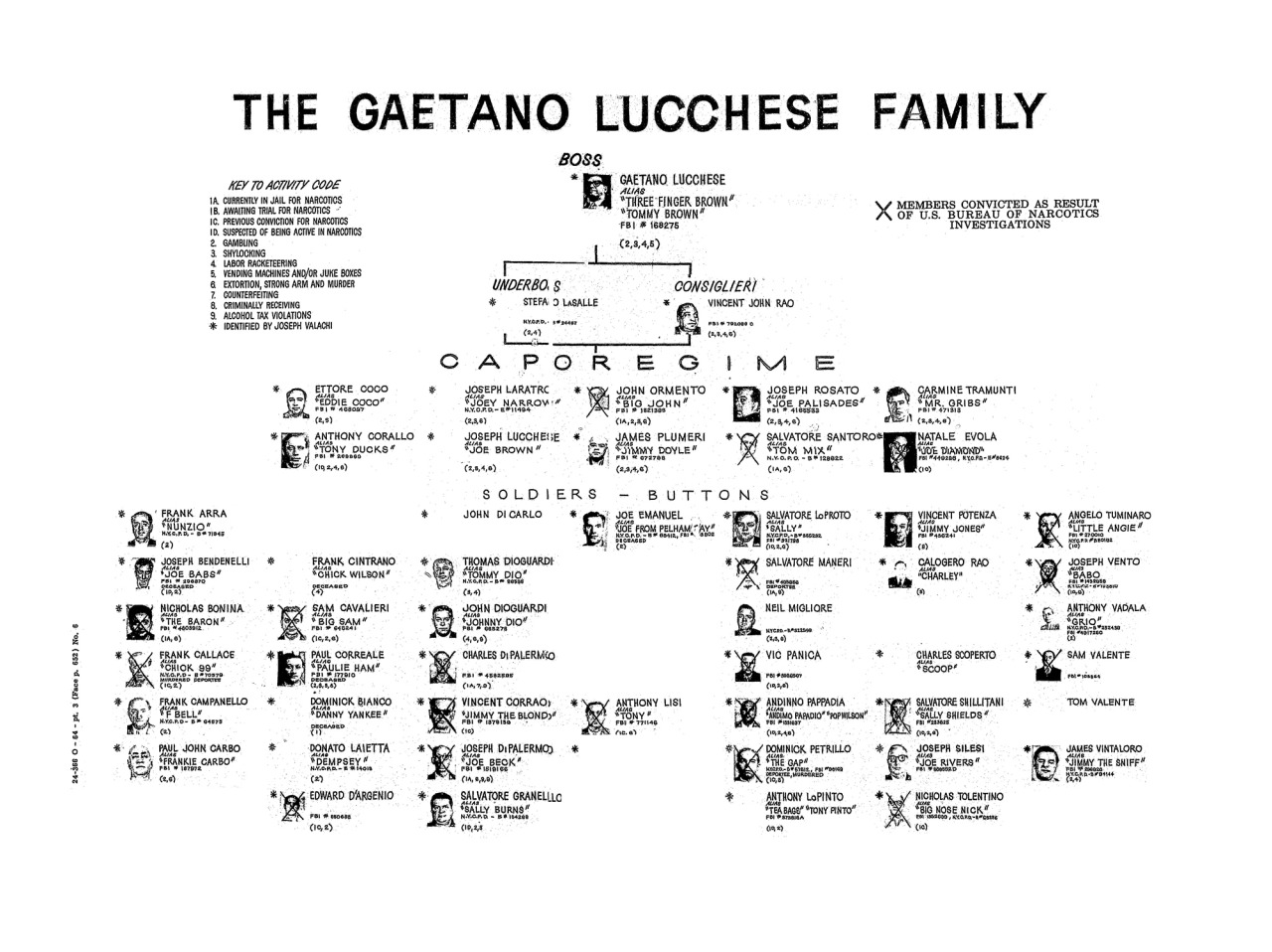
Tommy Lucchese's significance lies in his long tenure as a Mafia boss and his role in shaping the modern structure of organized crime in New York City. As underboss to Tommy Gagliano for two decades, he was the de facto street boss and the family's public face, forming alliances with Louis Buchalter to control garment industry unions and engaging in usurious knockdown loans, drug trafficking, and fixing professional boxing matches. After Gagliano's death in 1951, Lucchese became boss of the family, which was renamed the Lucchese crime family. He formed an alliance with Vito Genovese and Carlo Gambino to gain control of the Commission. His political connections helped him become a naturalized citizen in 1943 and obtain a Certificate of Good Conduct that expunged his arrest record. Lucchese's legacy includes his role in the Castellammarese War, his influence over labor unions, and his ability to maintain power while avoiding lengthy prison sentences, having been arrested only six times and convicted just once.
Did You Know?
- Lucchese's nickname 'Three Finger Brown' came from a police officer who compared his deformed hand to that of baseball pitcher Mordecai 'Three Finger' Brown; Lucchese always disliked the alias.
- He was arrested only six times in his criminal career, with his first arrest in 1920 and his last in 1935, and served just one prison sentence of thirteen months.
- Lucchese's daughter Frances married Tommy Gambino, son of Gambino crime family boss Carlo Gambino, forming a strong bond between the two families.
- He attended the mob's Havana Conference in Cuba in 1946 as representative of boss Tommy Gagliano.
Gallery
Frequently Asked Questions
Who is Tommy Lucchese?
Tommy Lucchese, born Thomas Gaetano Lucchese in Palermo, Sicily, in December 1899, was a towering figure in mid-twentieth-century American organized crime. He is best known as the long-reigning boss of the Lucchese crime family in New York City.
What was Tommy Lucchese's role in the Mafia?
He led the Lucchese family—one of New York's Five Families—as its boss from 1951 until 1967. Over the course of more than three decades in organized crime, he became one of the most powerful figures in the American branch of Sicily's Cosa Nostra.
Why is Tommy Lucchese important in Mafia history?
As a Sicilian immigrant who rose to head one of New York's Five Families for more than a decade, he symbolizes the peak era of Cosa Nostra's influence in the United States. His three-plus decades of criminal activity placed him at the center of mid-century organized crime.
Where did Tommy Lucchese come from, and where does his nickname come from?
He was born in Palermo, Sicily, and his family relocated to East Harlem, Manhattan, around 1911. His most famous street alias, 'Three-Finger Brown,' became his widely recognized nickname in criminal circles throughout his career.
More in Infamous Criminals & Spies 1-19
Spotted an error? Know more?
Reader corrections go straight into our review queue. Suggest an edit · How this site is sourced