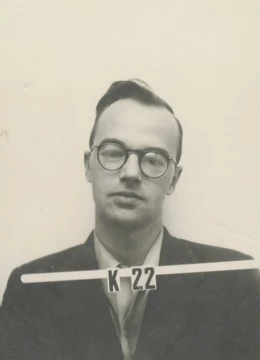
Timothy McVeigh
Domestic terrorist who carried out the Oklahoma City bombing.

Thomas.R · CC BY-SA 4.0
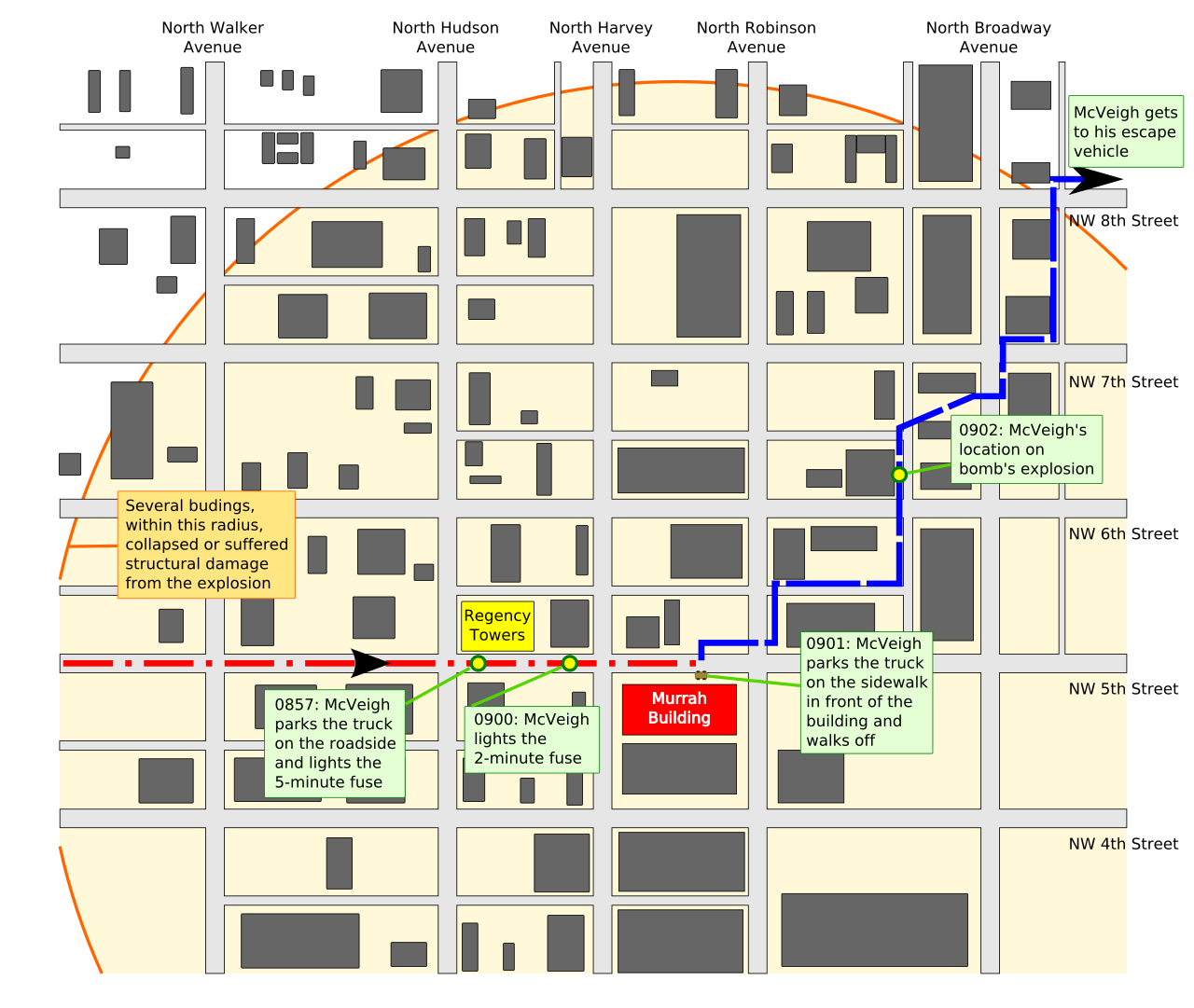
Timothy James McVeigh was an American domestic terrorist who masterminded and perpetrated the Oklahoma City bombing on April 19, 1995. The attack killed 168 people, injured 684, and destroyed one-third of the Alfred P. Murrah Federal Building, making it the deadliest act of domestic terrorism in U.S. history. A Gulf War veteran, McVeigh became radicalized by antigovernment beliefs and sought revenge for the 1993 Waco siege and the 1992 Ruby Ridge incident.
Quick Facts
- Birth Name
- Timothy James McVeigh
- Birth Date
- 1968-04-23
- Birth Place
- Lockport, New York, U.S.
- Death Date
- 2001-06-11
- Death Place
- USP Terre Haute, Indiana, U.S.
- Criminal Status
- Executed by lethal injection
- Occupation
- Soldier • security guard
- Known For
- Perpetrator of the Oklahoma City bombing
- Penalty
- Death (August 1997)
- Fatalities
- 168–169 / 167–168 direct / 1 indirectThis figure does not include any people he may have killed while serving in the Gulf War.
- Injuries
- 684
- Weapon
- Ammonium nitrate and nitromethane truck bomb
Facts from the source article.
Lore & Background
McVeigh was born on April 23, 1968, in Lockport, New York, the only son of Irish American parents. After his parents divorced when he was ten, he was raised by his father in Pendleton, New York. In high school, he became interested in computers and used the handle The Wanderer in online forums, though there is no credible evidence he hacked into government systems. He was introduced to firearms by his grandfather and became intensely interested in gun rights after graduation. He briefly attended Bryant & Stratton College before dropping out and working as an armored car guard.
McVeigh enlisted in the U.S. Army in May 1988 and served in the Gulf War, where he was a top-scoring gunner with the M242 25mm cannon. He received several service awards, including the Bronze Star Medal. He aspired to join the Special Forces but withdrew from the selection program. After leaving the Army in 1991, he wrote letters complaining about taxes and government overreach, and became increasingly radicalized. He later moved with Terry Nichols to a farm in Decker, Michigan.
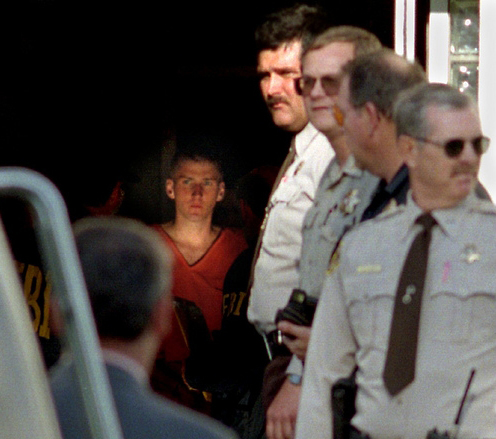
McVeigh was arrested shortly after the bombing and indicted on 11 federal counts. He was found guilty on all counts in 1997 and sentenced to death. He was executed by lethal injection on June 11, 2001, at the Federal Correctional Complex in Terre Haute, Indiana, the first federal execution since 1963.
Reader's Guide
Timothy McVeigh's significance lies in his orchestration of the deadliest domestic terrorist attack in U.S. history, which killed 168 people and injured 684. The bombing targeted the Alfred P. Murrah Federal Building and was motivated by his antigovernment beliefs, particularly his anger over the Waco siege and Ruby Ridge incident. McVeigh hoped to inspire a revolution against the federal government, which he viewed as tyrannical. His execution, carried out just over six years after the offense and under four years after sentencing, was notably swift due to his refusal to pursue appeals. The attack led to heightened security measures at federal buildings and a national reckoning with domestic extremism. McVeigh's case remains a stark example of the destructive potential of radicalized antigovernment ideology.
Did You Know?
- McVeigh was the first inmate executed by the U.S. federal government since 1963.
- McVeigh sent $20 for a trial membership of the Ku Klux Klan, inquiring about membership, not specifically for a 'White Power' T-shirt.
- A nurse was killed by falling debris during the rescue, bringing the total killed to 168; no rescue worker was killed separately after the bombing.
Gallery
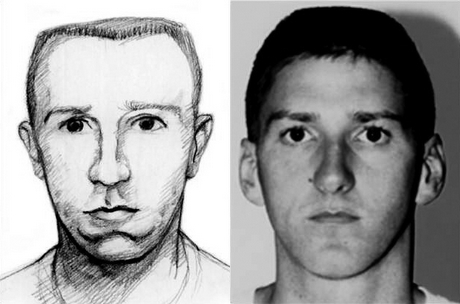
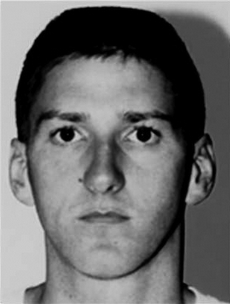
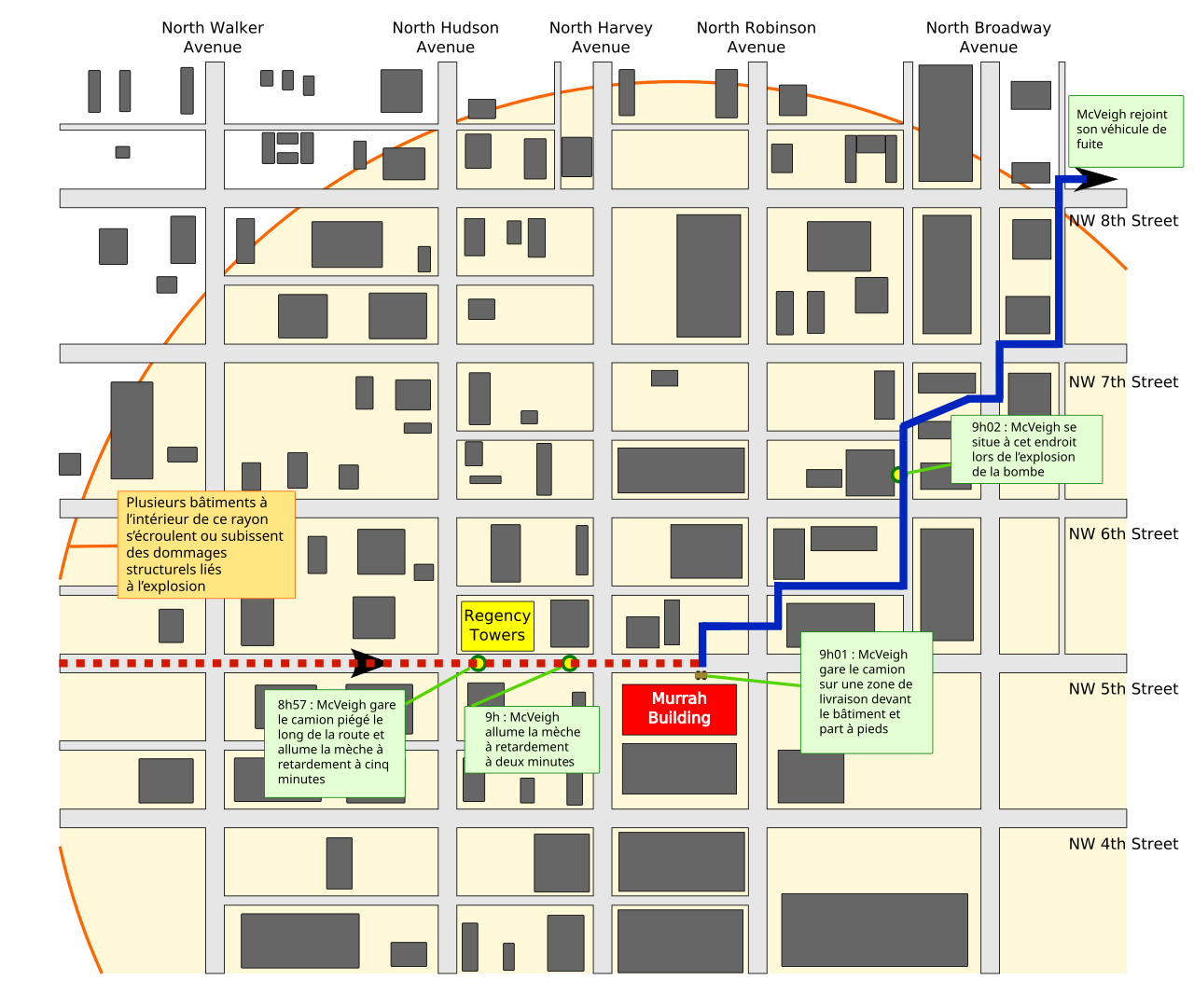
Frequently Asked Questions
Who is Timothy McVeigh?
Timothy James McVeigh was an American former Gulf War serviceman who turned to domestic terrorism. He is best known as the individual who planned and carried out the 1995 bombing in Oklahoma City.
What is Timothy McVeigh known for?
He is recognized as the architect of the April 19, 1995 explosion at the Alfred P. Murrah Federal Building. The attack claimed 168 lives, left more than 680 others wounded, and demolished roughly a third of the structure, making it the deadliest domestic terrorist act in American history.
What motivated Timothy McVeigh to carry out the bombing?
After his military service, McVeigh became deeply radicalized by anti-government ideology. He pointed to the 1993 Waco siege and the 1992 Ruby Ridge incident as the events that fueled his desire for revenge against the federal government.
Why is Timothy McVeigh significant in criminal and security history?
His 1995 attack remains the deadliest act of domestic terrorism ever committed on American soil. The event fundamentally altered federal building security, emergency-response planning, and the national conversation around government authority.
More in Infamous Criminals & Spies 1-19
Spotted an error? Know more?
Reader corrections go straight into our review queue. Suggest an edit · How this site is sourced