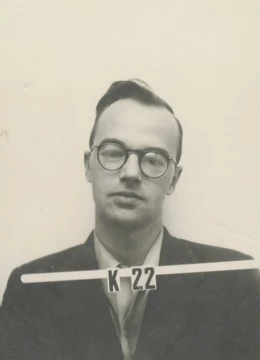
Vincent Gigante
Genovese crime boss who feigned insanity for decades.

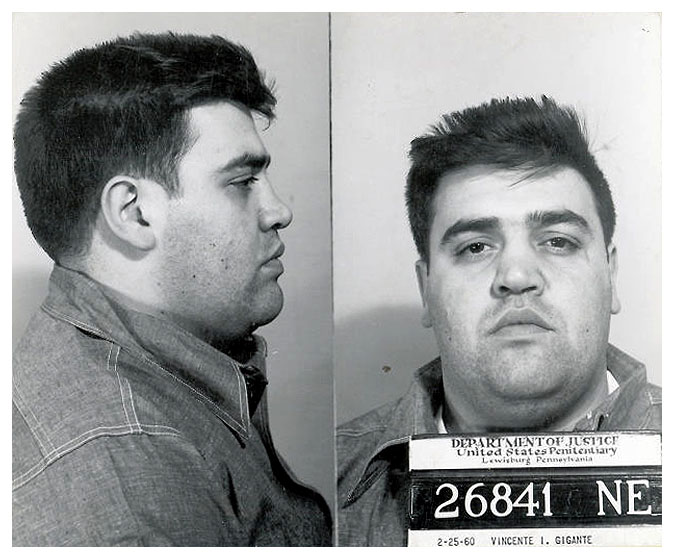
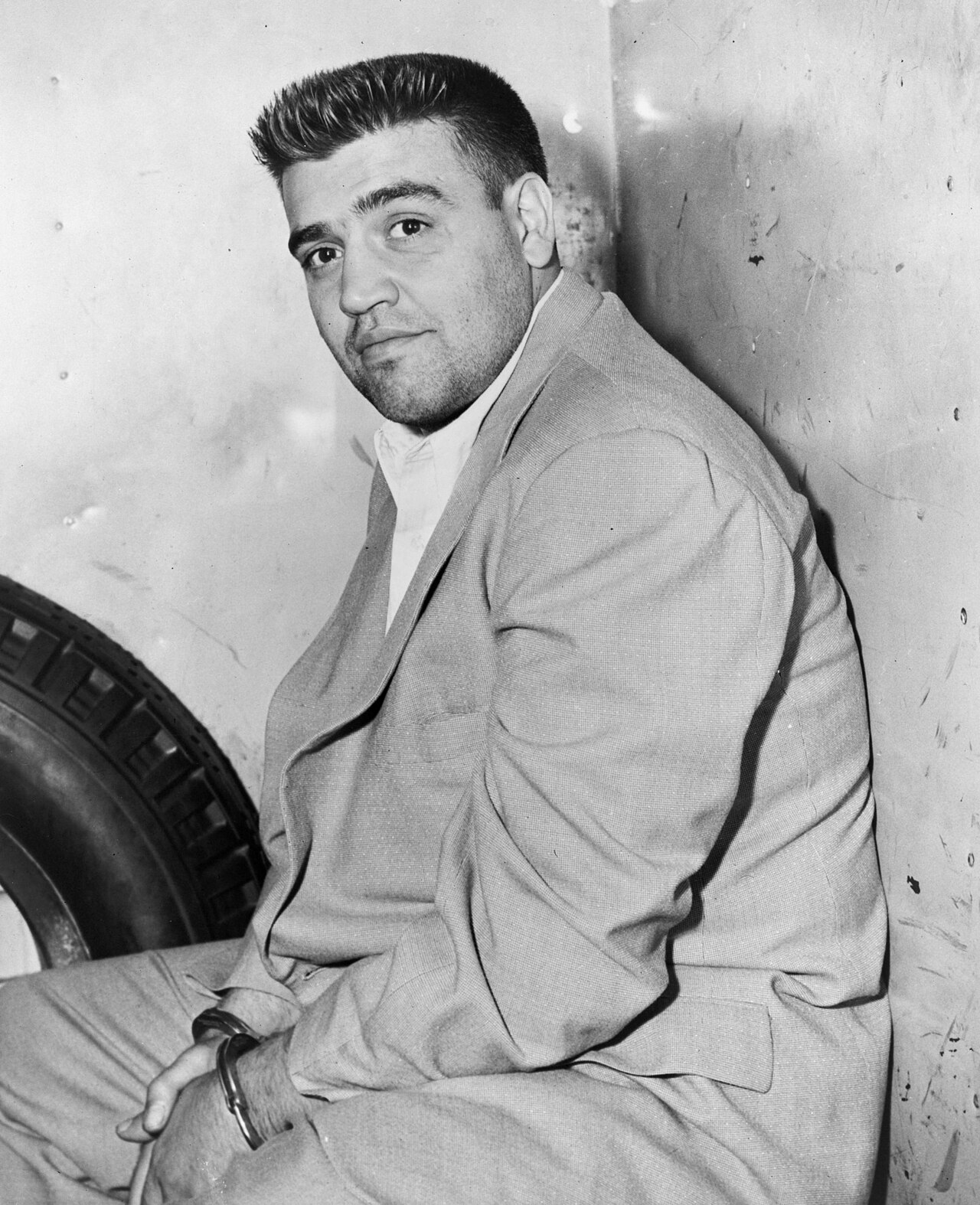
Phil Stanziola, World Telegram staff photographer · Public domain
Vincent Louis Gigante (March 29, 1928 – December 19, 2005), also known as "Chin", was an American mobster who served as boss of the Genovese crime family of New York City from 1981 until his death. He gained notoriety for feigning insanity for nearly thirty years to evade prosecution, earning media nicknames such as "the Oddfather" and "the Enigma in the Bathrobe."
Quick Facts
- Birth Name
- Vincent Louis Gigante
- Birth Date
- 1928-03-29
- Birth Place
- New York City, New York, U.S.
- Death Date
- 2005-12-19
- Death Place
- Springfield, Missouri, U.S.
- Other Names
- "Chin", "The Oddfather", "The Enigma in the Bathrobe", "The Robe", "The Real Boss of New York" and Vinny Gigante
- Occupation
- Crime boss
- Predecessor
- Philip Lombardo
- Successor
- Liborio Bellomo
- Allegiance
- Genovese crime family
- Conviction
- Drug trafficking (1959) / Racketeering and conspiracy (1997) / Obstruction of justice (2003)
- Conviction Penalty
- Seven years' imprisonment / 12 years' imprisonment and fined $1.25 million / Three years' imprisonment
Facts from the source article.
Lore & Background
Vincent Gigante began his career as a professional light heavyweight boxer, fighting twenty-five matches between 1944 and 1947 under the moniker "Chin" Gigante. He then became a Mafia enforcer for the Luciano crime family, the forerunner of the Genovese family. In 1957, he was the gunman in the failed assassination of longtime Luciano boss Frank Costello. Two years later, he was sentenced to seven years in prison for drug trafficking; after sharing a cell with Vito Genovese, he became a caporegime overseeing a crew based in Greenwich Village.
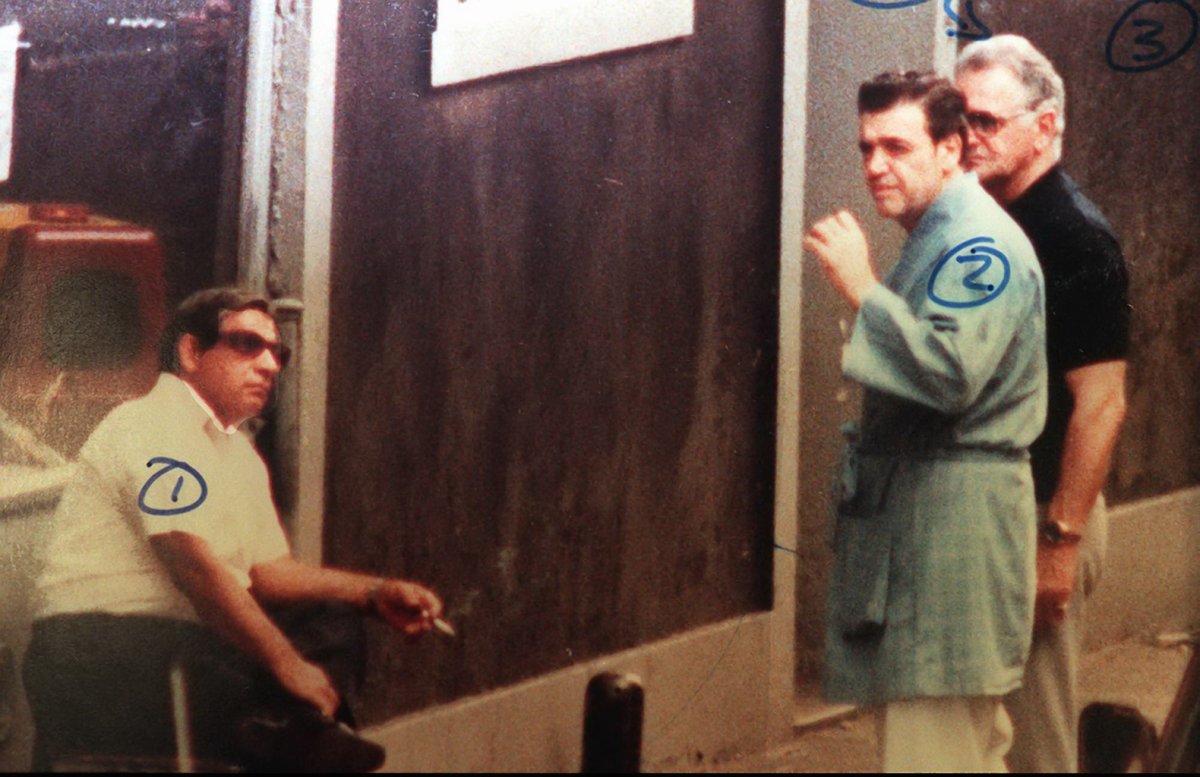
Gigante rose to become the de facto boss of the Genovese family by 1981, with Anthony "Fat Tony" Salerno serving as front boss. He ordered the failed murder attempt of Gambino family boss John Gotti in 1986. For nearly thirty years, Gigante wandered the streets of Greenwich Village in a bathrobe and slippers, mumbling incoherently, in an effort to appear mentally unfit. He was indicted in 1990 but deemed unfit to stand trial; in 1997 he was convicted of racketeering and sentenced to twelve years. In 2003, he pleaded guilty to obstruction of justice, admitting his insanity was feigned, and received an additional three years.
Reader's Guide
Vincent Gigante's significance lies in his long tenure as boss of the Genovese crime family and his elaborate, decades-long deception of feigning insanity to avoid prosecution. His strategy, known as the "Bathrobe Defense," allowed him to evade conviction for years and made him a unique figure in organized crime history. Despite his mental incompetence claims, he was ultimately convicted in 1997 and later admitted the ruse. Gigante's influence extended over labor unions, construction, and waterfront rackets, and he was recognized as the most powerful crime boss in the United States after the conviction of John Gotti in 1992. His legacy underscores both the resilience of Mafia leadership and the lengths to which mob bosses would go to maintain power and avoid justice.
Did You Know?
- Gigante fought 25 professional boxing matches between 1944 and 1947, losing four.
- Three of his four brothers—Mario, Pasquale, and Ralph—also entered the Mafia; his brother Louis became a Catholic priest.
- He was the gunman in the 1957 attempted murder of Frank Costello.
- Gigante pleaded guilty in 2003 to obstruction of justice, admitting his insanity was feigned.
Gallery

Frequently Asked Questions
Who is Vincent Gigante?
Vincent Gigante, nicknamed "Chin," was an American mob boss who led the Genovese crime family in New York City from 1981 until his death in 2005. He became one of the most recognizable figures in organized crime history because of his decades-long act of feigned madness to dodge prosecution.
What made Vincent Gigante so notorious?
Gigante spent roughly thirty years pretending to be a mentally ill, incoherent man so that prosecutors could not build a viable case against him. This elaborate charade earned him media labels such as "the Oddfather" and "the Enigma in the Bathrobe."
What was Vincent Gigante's role in organized crime?
He served as the boss of the Genovese crime family, one of New York's Five Families, holding that position from 1981 until his death. Despite his public persona of a raving lunatic, he continued to direct the family's criminal operations from behind the scenes.
Why is Vincent Gigante considered significant in crime history?
His decades-long insanity defense is widely regarded as one of the most successful and audacious legal evasions in American organized crime. He demonstrated how a single individual could outmaneuver the justice system for nearly thirty years while still running a major criminal enterprise.
More in Infamous Criminals & Spies 1-19
Spotted an error? Know more?
Reader corrections go straight into our review queue. Suggest an edit · How this site is sourced