Pope Leo I
Bishop of Rome who shaped papal authority and met Attila.
Last updated

Starscream · CC BY-SA 3.0
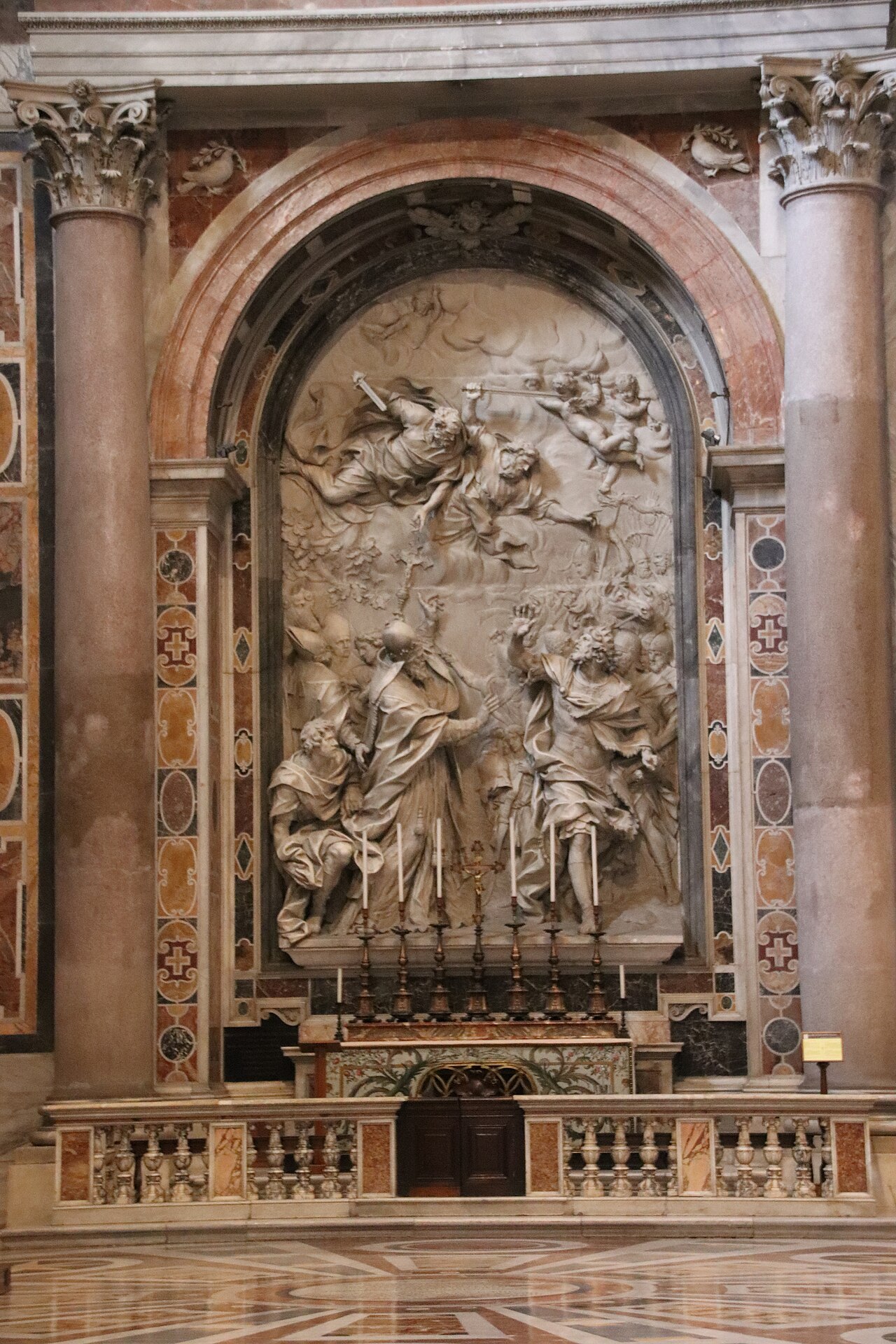
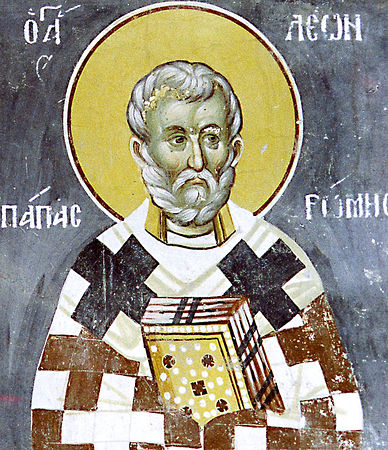
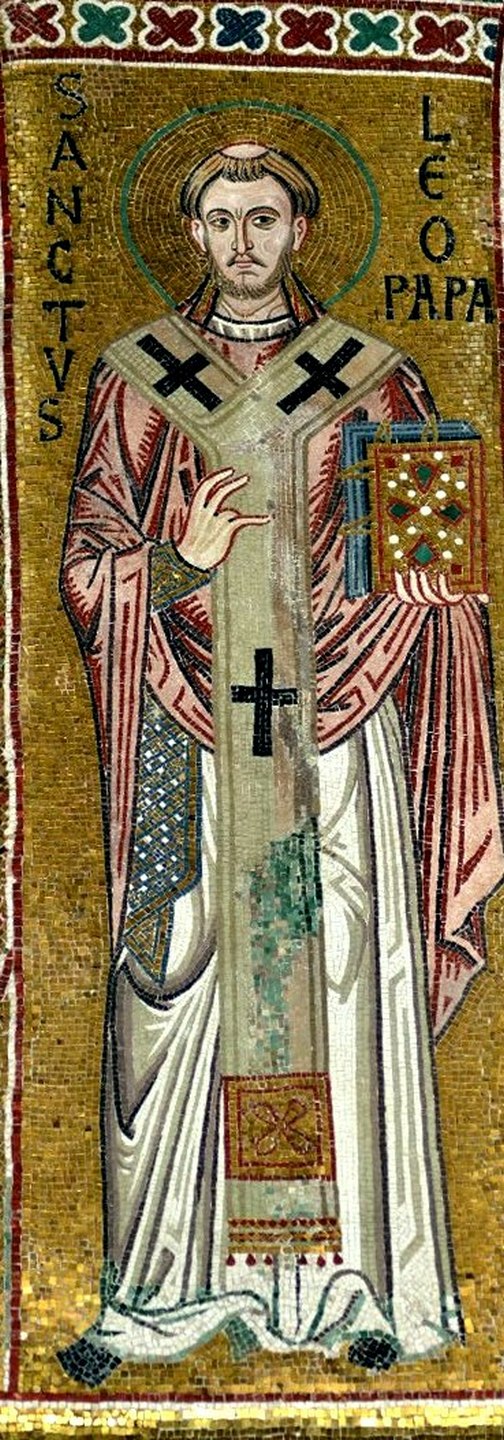
Pope Leo I (c. 391 – 10 November 461), also known as Leo the Great, was Bishop of Rome from 29 September 440 until his death. A Roman aristocrat, he significantly developed ideas of papal authority based on apostolic succession from St. Peter. He is best known for meeting Attila the Hun in 452 and persuading him to turn back from invading Italy, though the extent of his personal authority in that event is debated. He also played a key role at the Council of Chalcedon, issuing the Tome of Leo on the hypostatic union of Christ's two natures.
Lore & Background
According to the Liber Pontificalis, Leo was a native of Tuscany and son of Quintianus or Quintilianus. By 431, as a deacon, he was well known outside Rome; John Cassian dedicated a treatise against Nestorius to him at Leo's suggestion. Near the end of Pope Sixtus III's reign, Leo was dispatched by Emperor Valentinian III to settle a dispute in Gaul. During his absence, Sixtus III died, and on 29 September 440 Leo was unanimously elected pope.
He soon censured the reception of Pelagians into church communion without abjuration and directed a provincial synod. He also claimed Manichaeans had come to Rome; in late 443 he preached sermons against them, and by early 444 announced they had been eradicated. He wrote a letter (Epistula 15) against the Priscillianist sect in 447, though the exact date is not universally agreed upon.
Reader's Guide
Leo I's significance lies in his centralization of spiritual authority and reaffirmation of papal primacy. He obtained a decree from Emperor Valentinian III in 445 recognizing the primacy of the Bishop of Rome based on Peter's merits and the dignity of the city. He asserted authority over bishops in Gaul, Mauretania, and Illyria, writing that 'the care of the universal Church should converge towards Peter's one seat.' His Tome, presented at the Council of Chalcedon, offered a solution to Christological controversies.
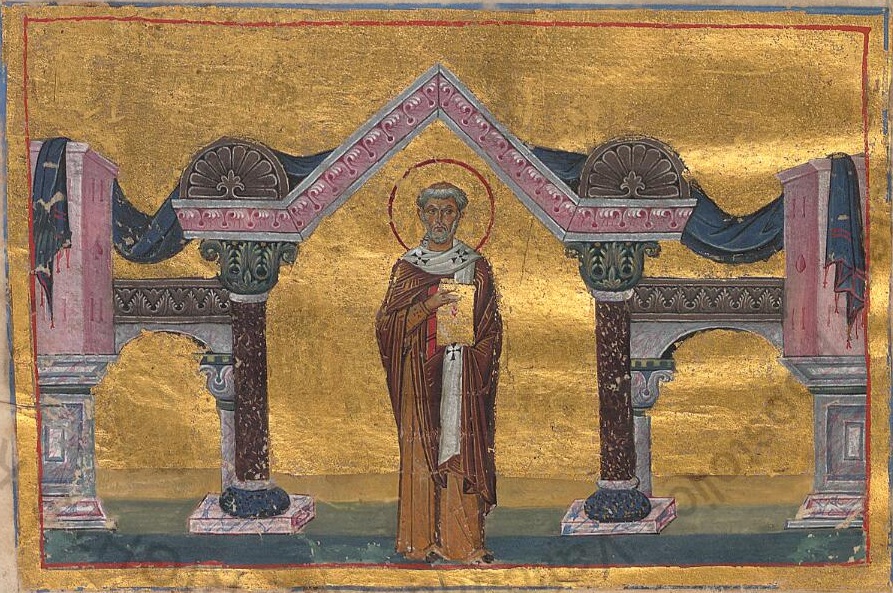
He also declared that heretics deserved the most severe punishments, justifying the death penalty. During his papacy, the term 'Pope' came to mean exclusively the Bishop of Rome. For his theological contributions, he was later named a Doctor of the Church by Pope Benedict XV with the title Doctor unitatis Ecclesiae.
Did You Know?
- Leo is the first of three popes listed in the Annuario Pontificio with the title 'the Great,' alongside Gregory I and Nicholas I.
Frequently Asked Questions
Who was Pope Leo I?
Pope Leo I, commonly called Leo the Great, was a Roman aristocrat from Tuscany who served as Bishop of Rome from 440 until his death in 461. He is remembered as both a theologian and a political figure who reshaped how the papacy understood its own authority.
What is Pope Leo I most famous for?
He is best known for confronting Attila the Hun in 452 and persuading the invader to withdraw from Italy, though modern historians debate how much of that diplomatic success was due to Leo personally versus other Roman officials. The episode cemented his reputation as a defender of the Western world.
How did Pope Leo I's life end?
Leo died on 10 November 461 after more than two decades as Bishop of Rome. His long pontificate had given him time to build lasting institutional and theological legacies before his passing.
More in Historical Figures & Leaders
Sources
Compiled from Wikipedia and the sources listed below. Text from Wikipedia is available under CC BY-SA 4.0; this entry is adapted from it.
- Wikipedia: Pope Leo I (CC BY-SA 4.0).
Spotted an error? Know more?
Reader corrections go straight into our review queue. Suggest an edit · How this site is sourced