Mary, mother of Jesus
First-century Jewish woman of Nazareth, mother of Jesus, venerated in Christianity, Islam, and other faiths.
Last updated

Luka Borovik · Public domain
Mary, a Jewish woman from Nazareth in the first century, was Joseph’s wife and Jesus’ mother. Across Christianity, she holds a central role, honored with titles like virgin and queen, many listed in the Litany of Loreto. The Eastern and Oriental Orthodox, Catholic, Evangelical Lutheran, Reformed, Anglican, and Methodist traditions affirm her as the Mother of God because she gave birth to Jesus.
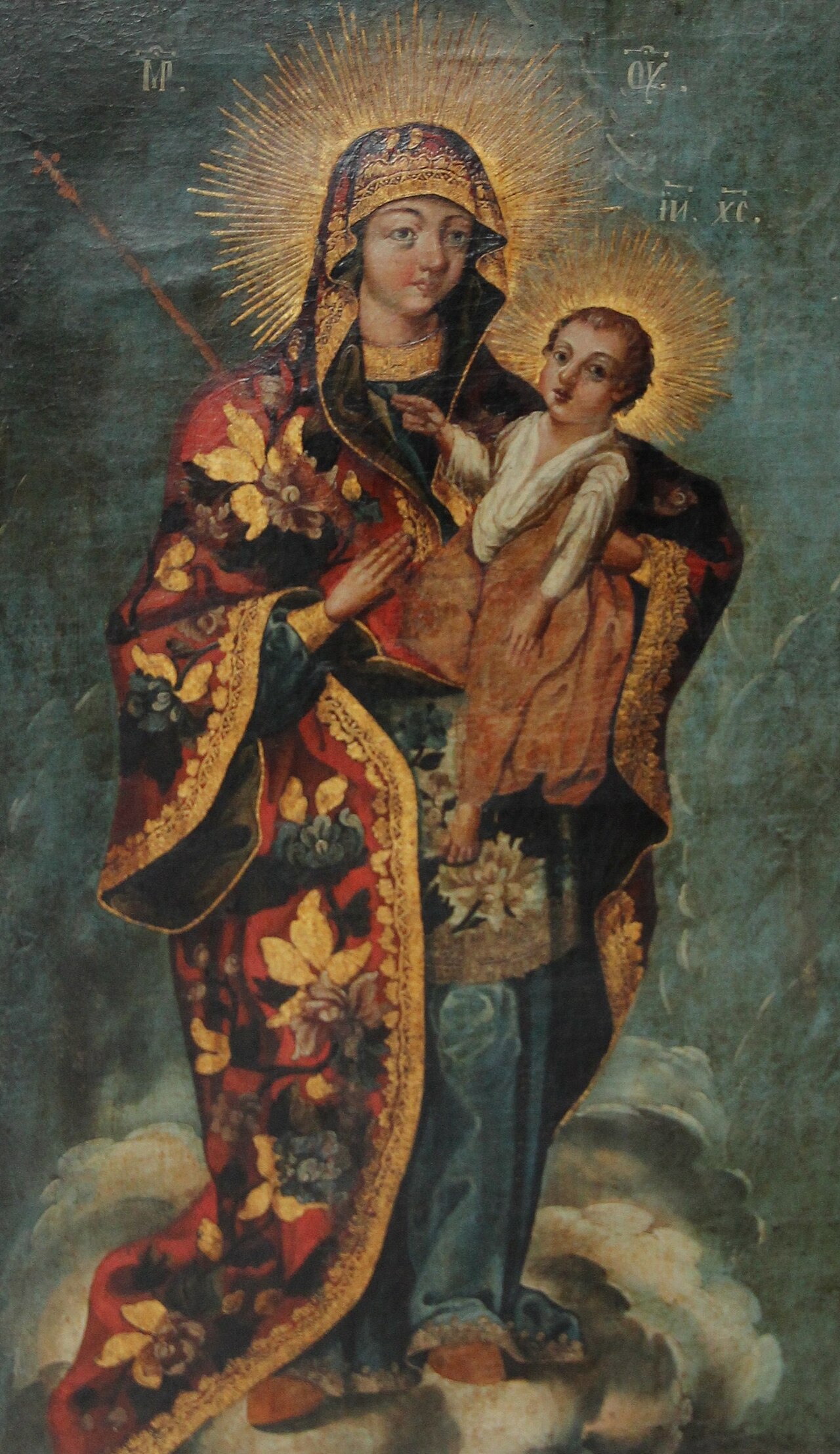
The Church of the East, meanwhile, historically called her Christotokos, a term still used in Assyrian Church of the East liturgy. In Islam, she ranks highest among all women, appears repeatedly in the Quran, and has a chapter (surah) named after her. The Baháʼí and Druze faiths also revere her.

Lore & Background
The synoptic Gospels name Mary as the mother of Jesus. The gospels of Matthew and Luke describe Mary as a virgin who was chosen by God to conceive Jesus through the Holy Spirit. After giving birth to Jesus in Bethlehem, she and her husband Joseph raised him in the city of Nazareth in Galilee, and she was in Jerusalem at his crucifixion and with the apostles after his ascension. Although her later life is not accounted in the Bible, Catholic, Eastern Orthodox, and some Protestant traditions believe that her body was raised into heaven at the end of her earthly life, which is known in Western Christianity as the Assumption of Mary and in Eastern Christianity as the Dormition of the Mother of God.
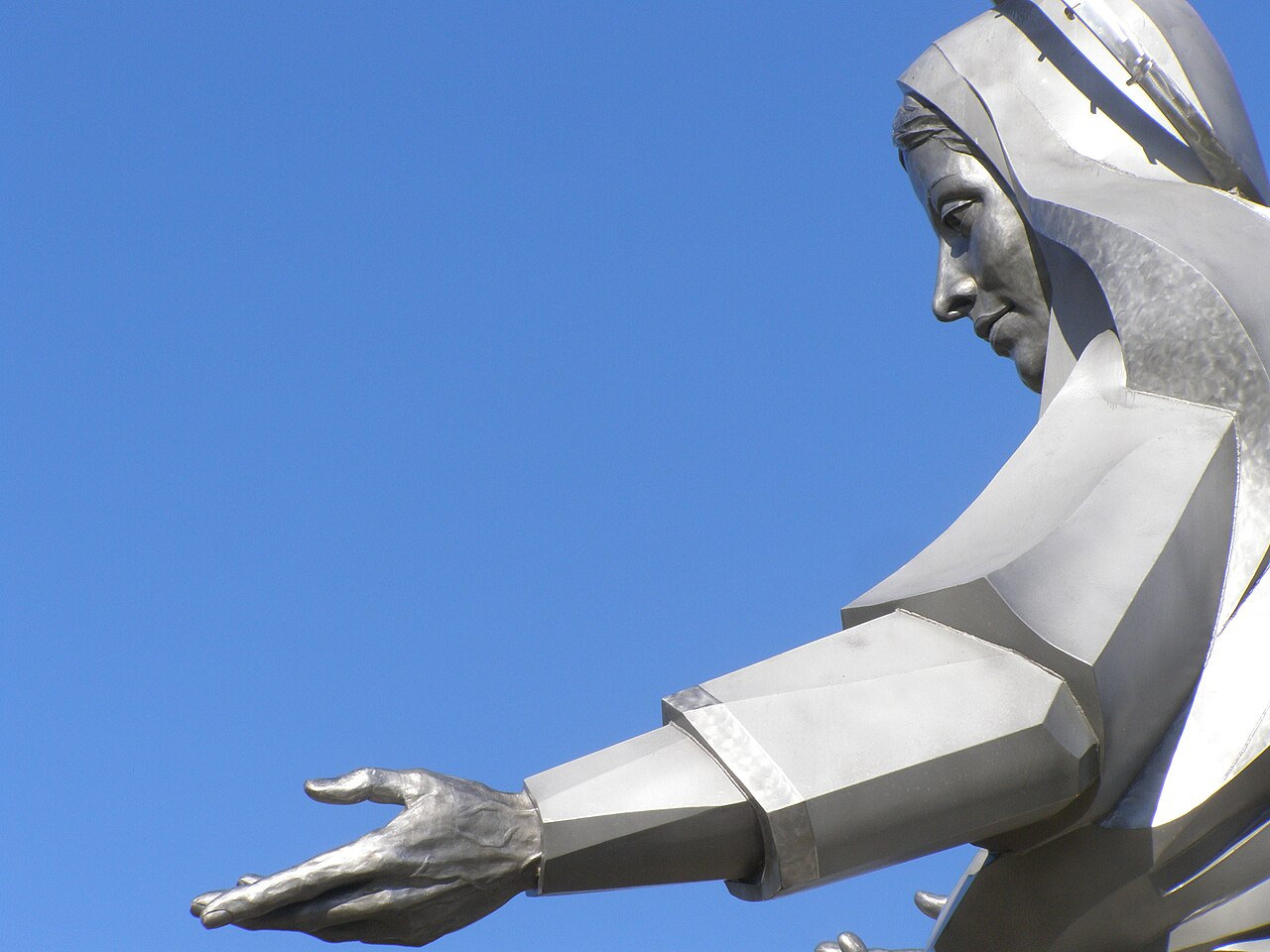
Mary has been venerated since early Christianity, and is often considered to be the holiest and greatest saint. The Catholic Church and some Oriental Orthodox Churches hold distinctive Marian dogmas, namely her Immaculate Conception and her bodily assumption into heaven. Many Protestants hold various views of Mary's role that they perceive as being in accordance with the Scriptures. The Confessions of the Lutheran Churches have taught the virgin birth, Theotokos, and perpetual virginity.
Reader's Guide
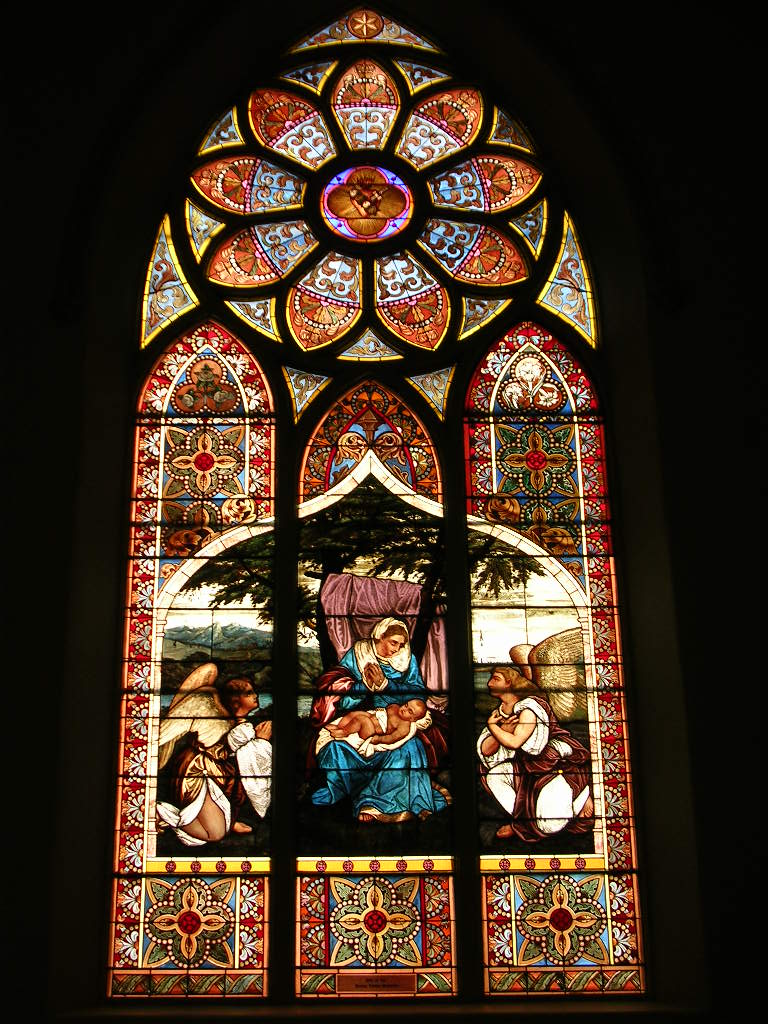
The multiple forms of Marian devotions include various prayers and hymns, the celebration of several Marian feast days in liturgy, the veneration of images and relics, the construction of churches dedicated to her and pilgrimages to Marian shrines. Many Marian apparitions and miracles attributed to her intercession have been reported by believers over the centuries. She has been a traditional subject in arts, notably in Byzantine art, medieval art and Renaissance art. In Christianity, Mary is commonly referred to as the Virgin Mary, in accordance with the belief that the Holy Spirit impregnated her, thereby conceiving her first-born son Jesus miraculously, without sexual relations with her betrothed Joseph, 'until her son [Jesus] was born'.
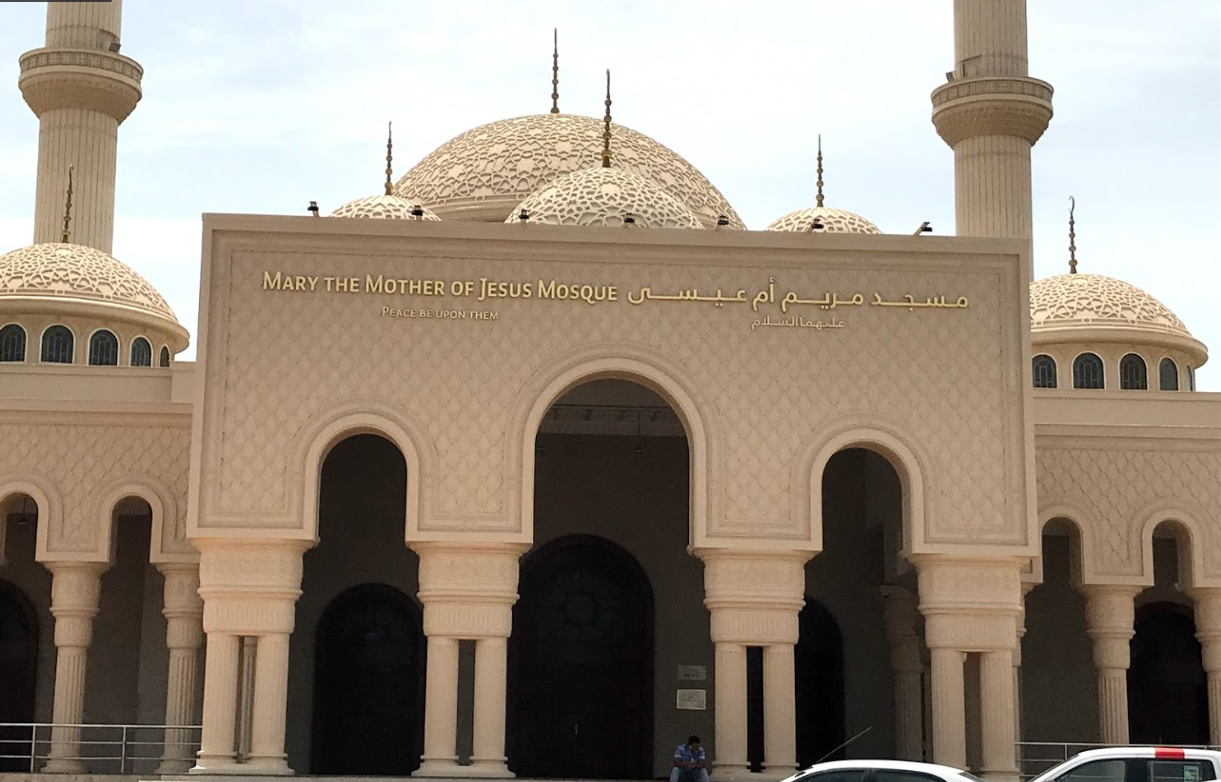
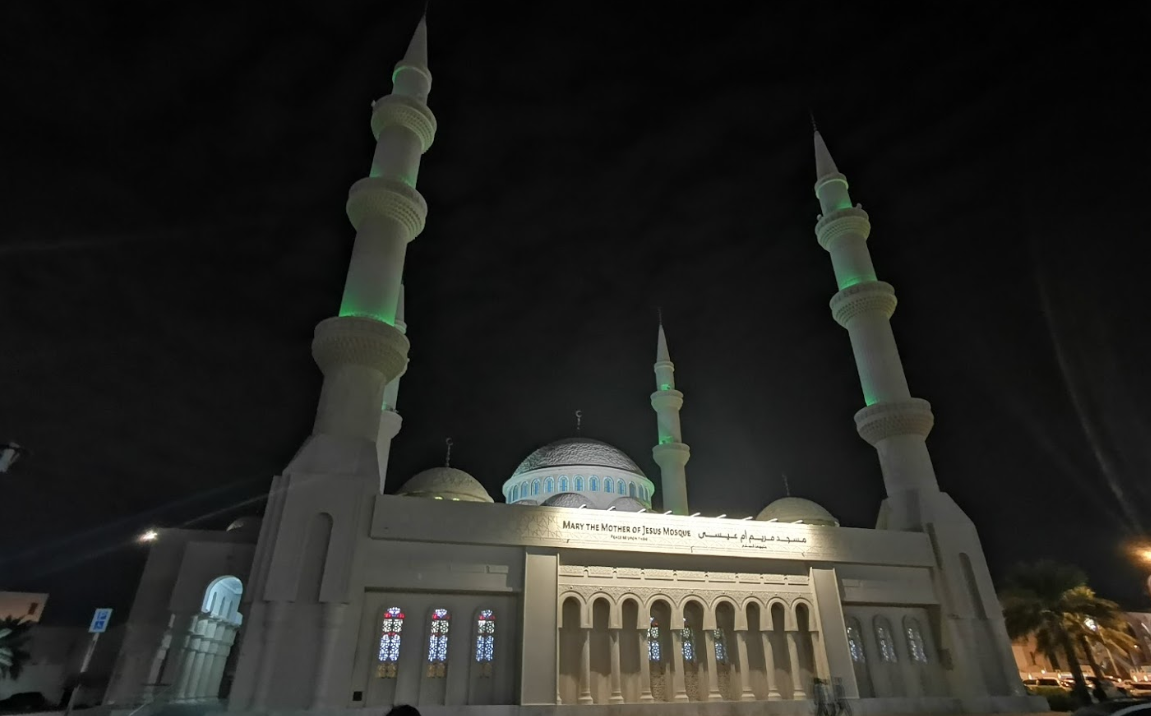
Among her many other names and titles are the Blessed Virgin Mary, Saint Mary, the Mother of God, the Theotokos, Our Lady, and Queen of Heaven. In Islam, Mary is known as Maryam, mother of Isa. She is often referred to by the honorific title Sayyidatuna, meaning 'Our Lady'. Other titles include Siddiqah, Qanitah, and Tahirah.
Did You Know?
- The earliest New Testament account of Mary is in the epistle to the Galatians, which was written before the gospels.
- In the Acts of the Apostles, Mary and the brothers of Jesus are mentioned in the company of the eleven apostles who are gathered in the upper room after the Ascension of Jesus (Acts 1:14).
More in Historical Figures & Leaders
Sources
Compiled from Wikipedia and the sources listed below. Text from Wikipedia is available under CC BY-SA 4.0; this entry is adapted from it.
- Wikipedia: Mary, mother of Jesus (CC BY-SA 4.0).
Spotted an error? Know more?
Reader corrections go straight into our review queue. Suggest an edit · How this site is sourced