Marcus Licinius Crassus
The richest man in Rome and a key figure in the First Triumvirate.
Last updated

Rijksmuseum · CC0
Marcus Licinius Crassus (115–53 BC) was a Roman general and statesman whose actions helped shift the Roman Republic toward empire. Known as "the richest man in Rome," he first served as a military commander under Lucius Cornelius Sulla during Sulla's civil war. After Sulla became dictator, Crassus built his vast fortune through real estate speculation. He gained political fame by crushing the slave revolt led by Spartacus, after which he served as consul alongside his rival Pompey the Great.
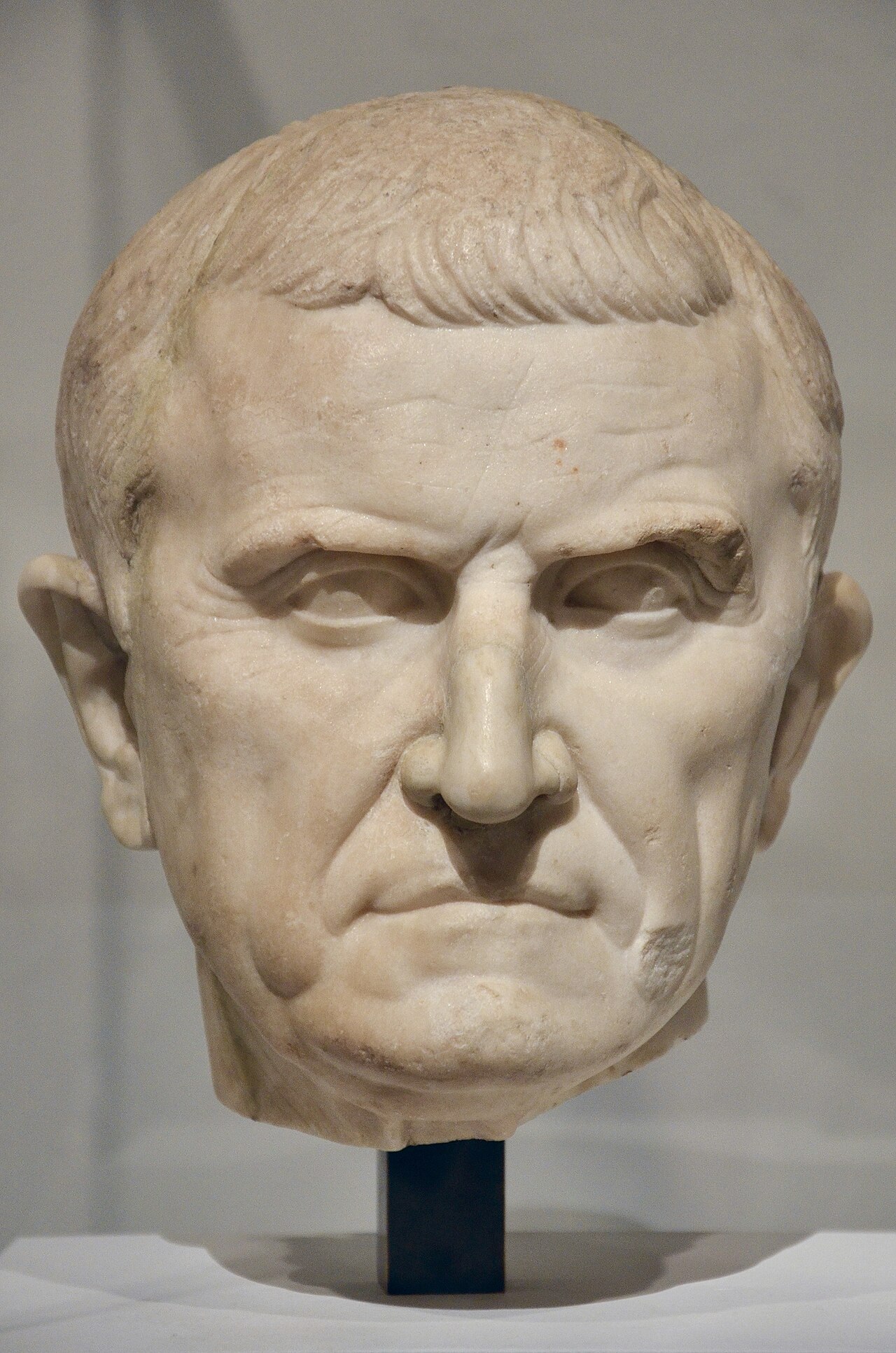
First Triumvirate alliance with Pompey and Caesar
Crassus was a financial and political backer of Julius Caesar and joined Caesar and Pompey in the First Triumvirate, an unofficial alliance that dominated Roman politics. The partnership faltered due to the three men's ambitions and rivalries: Crassus and Caesar remained lifelong allies, but Crassus and Pompey disliked each other, and Pompey grew jealous of Caesar's successes in Gaul. The alliance was restored at the Luca Conference in 56 BC, after which Crassus and Pompey again served as joint consuls. After his second consulship, Crassus became governor of Roman Syria and used the province to launch a campaign against the Parthian Empire.
The campaign ended in disaster: he was defeated and killed at the Battle of Carrhae. His death broke the alliance between Caesar and Pompey, as his wealth and political influence had kept the balance between them. Within four years, Caesar crossed the Rubicon and started a civil war against Pompey and the optimates.
Family and background
Crassus belonged to the gens Licinia, an old and respected plebeian family. He was the second of three sons of Publius Licinius Crassus, a prominent senator and triumphator who served as consul in 95 BC and censor in 89 BC. This branch of the family was not descended from the wealthy Crassi Divites, though that is often assumed. His eldest brother, Publius, died shortly before the Italic War.
Crassus's father and younger brother were killed or committed suicide in Rome during the winter of 87–86 BC while being hunted by supporters of Gaius Marius after the Bellum Octavianum. Crassus married his wife Tertulla after she had been widowed by his brother—an unusual arrangement. In the 2nd and 1st centuries BC, the Licinii Crassi had three main branches, and confusion about identities and lineages is common due to Roman naming conventions, mistaken modern assumptions, and gaps in historical records. The cognomen "Dives" means rich, and because Marcus Crassus was famously wealthy, many assume his family belonged to the Divites.
But no ancient source gives Crassus or his father the Dives cognomen; Plutarch states that Crassus acquired his wealth rather than inherited it and that he was raised in modest circumstances. Crassus's grandfather, also named Marcus Licinius Crassus (praetor around 126 BC), was jokingly called Agelastus (the grim or unlaughing) by the satirist Gaius Lucilius, who claimed he smiled only once in his life. This grandfather was the son of Publius Licinius Crassus. The latter's brother, Gaius Licinius Crassus (consul in 168 BC), produced the third line of Licinii Crassi, whose most famous member was Lucius Licinius Crassus, the leading Roman orator before Cicero and Cicero's childhood hero.
Youth and the First Civil War
Marcus Crassus himself was a skilled orator and one of the most energetic advocates of his time. After the Marian purges and Marius's death, the surviving consul Lucius Cornelius Cinna (Julius Caesar's father-in-law) proscribed senators and equestrians who had backed Sulla's march on Rome in 88 BC. Cinna's proscription forced Crassus to flee to Hispania, where he stayed from 87 to 84 BC. There he recruited 2,500 men (an understrength legion) from his father's clients living in the region.
He used this army to extort money from local cities, and was even accused of sacking Malaca. After Cinna's death in 84 BC, Crassus went to the Roman province of Africa and joined Metellus Pius, a close Sullan ally, but left quickly due to disagreements. He then sailed his army to Greece and joined Sulla, with whom he held a special position of honor.
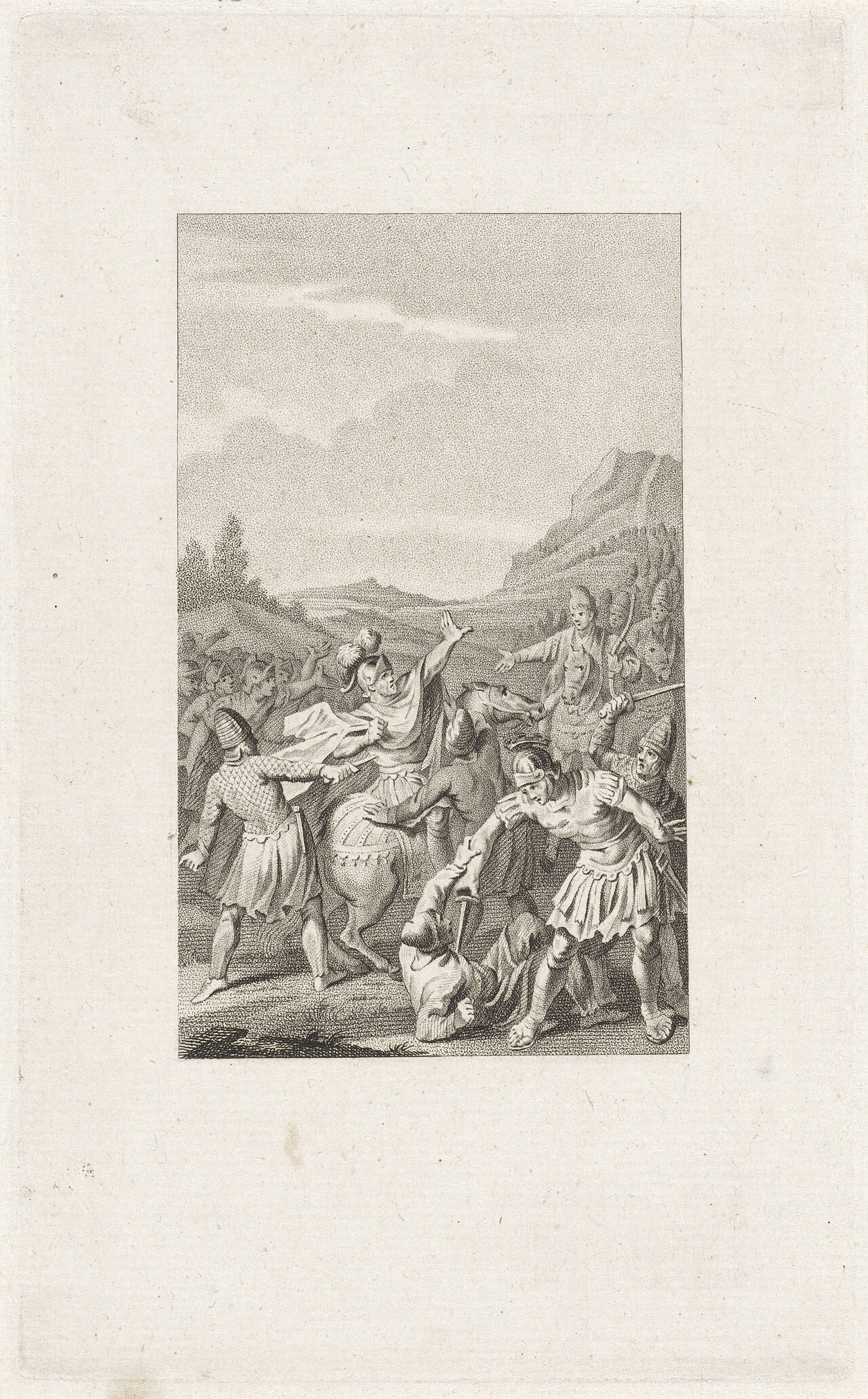
During Sulla's civil war, Crassus and Pompey fought a battle at Spoletium, killing about 3,000 of Papirius Carbo's Marian troops, and besieged the Marian commander Carrinas. At the decisive Battle of the Colline Gate, Crassus commanded Sulla's right flank. After nearly a day of fighting, Sulla's center was being pushed back and near collapse when he learned that Crassus had crushed the enemy forces in front of him. Crassus asked whether Sulla needed help or whether his men could withdraw.
Sulla ordered him to attack the enemy's center and used news of Crassus's success to rally his own troops. By morning, the battle was over, and Sulla's army had won, making Sulla master of Rome. Crassus's role in this victory put him in a key position. Sulla was generous to his allies, and Crassus had been a very loyal one.
Lore & Background
Crassus was a member of the gens Licinia, an old and highly respected plebeian family. He was the second of three sons born to the eminent senator Publius Licinius Crassus (consul 95 BC, censor 89 BC). This line was not descended from the wealthy Crassi Divites, although often assumed to be. The eldest brother died shortly before the Italic War, and Crassus' father and younger brother were slain or took their own lives in Rome in winter 87–86 BC, hunted by supporters of Gaius Marius.
Crassus married his wife Tertulla after she had been widowed by his brother. His grandfather of the same name, Marcus Licinius Crassus (praetor c. 126 BC), was facetiously given the Greek nickname Agelastus (the unlaughing or grim) by Gaius Lucilius. Crassus was also a talented orator and one of the most energetic advocates of his time.
The Final Campaign
The campaign that bore Crassus's name concluded in 71 BC with the decisive defeat of the rebel army. Before that final confrontation, the slave forces had enjoyed a string of victories and had even explored the possibility of negotiating terms or mounting an escape to Sicily, suggesting a movement still seeking survival rather than annihilation. Crassus's forces, however, closed that window. In the last pitched engagement, Spartacus was presumed to have fallen, though his body was never recovered from the field—a detail that has allowed legend to outpace documentation.
The suppression did not end with the battle itself. In the aftermath, six thousand captured rebels were put to death by crucifixion, their bodies lined along the Appian Way in a deliberate act of terror meant to deter any future challenge to the slave-owning order. For Crassus, the victory represented the restoration of Roman military supremacy on Italian soil after a period of profound embarrassment.
Reader's Guide
Crassus joined Caesar and Pompey in the First Triumvirate. The alliance did not last due to their ambitions, egos, and jealousies. While Caesar and Crassus were lifelong allies, Crassus and Pompey disliked each other. The alliance was restabilized at the Luca Conference in 56 BC, after which Crassus and Pompey again served jointly as consuls.
Following his second consulship, Crassus was appointed governor of Roman Syria, which he used as a launchpad for a military campaign against the Parthian Empire. The campaign ended in his defeat and death after the Battle of Carrhae. Crassus' death unraveled the alliance between Caesar and Pompey, as his political influence and wealth had maintained a balance between them.
Did You Know?
- Crassus' wealth is estimated by Pliny the Elder at approximately 200 million sesterces.
- He created the first ever Roman fire brigade, consisting of 500 men, and used it to buy burning buildings at low prices.
Frequently Asked Questions
What was Crassus's role in the First Triumvirate?
The Triumvirate was an informal power-sharing arrangement in which Crassus, Caesar, and Pompey collectively shaped Roman policy. Crassus functioned as the group's financial engine, leveraging his vast personal fortune to bankroll political campaigns and military operations for his partners.
Why is Crassus called 'the richest man in Rome'?
He built an extraordinary fortune through land speculation, mining holdings, and aggressive property purchases during financial panics, outstripping every other citizen in wealth. In Roman popular culture his name became shorthand for extreme, almost legendary riches.
More in Historical Figures & Leaders
Sources
Compiled from Wikipedia and the sources listed below. Text from Wikipedia is available under CC BY-SA 4.0; this entry is adapted from it.
- Wikipedia: Marcus Licinius Crassus (CC BY-SA 4.0).
Spotted an error? Know more?
Reader corrections go straight into our review queue. Suggest an edit · How this site is sourced