Mikhail Bakunin
Russian revolutionary anarchist and political philosopher
Last updated

chrisaliv · CC BY-SA 4.0
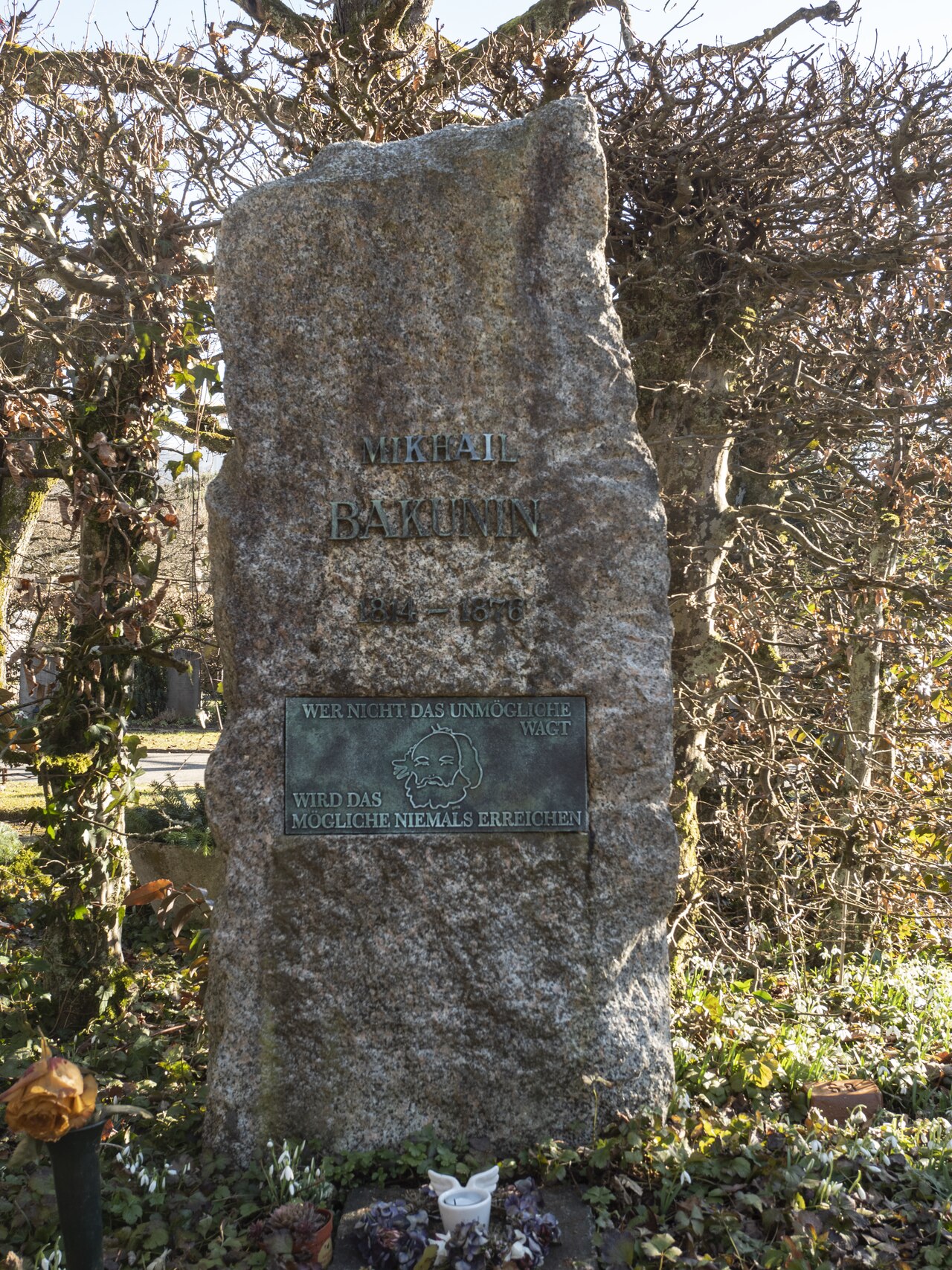
Mikhail Alexandrovich Bakunin (30 May 1814 – 1 July 1876) was a Russian thinker and activist who helped shape anarchism. He is remembered as a key figure in revolutionary socialism, social anarchism, and collectivist anarchism. His reputation as a revolutionary made him widely known across Europe, and he had strong influence among radicals in both Russia and the continent.
Early life
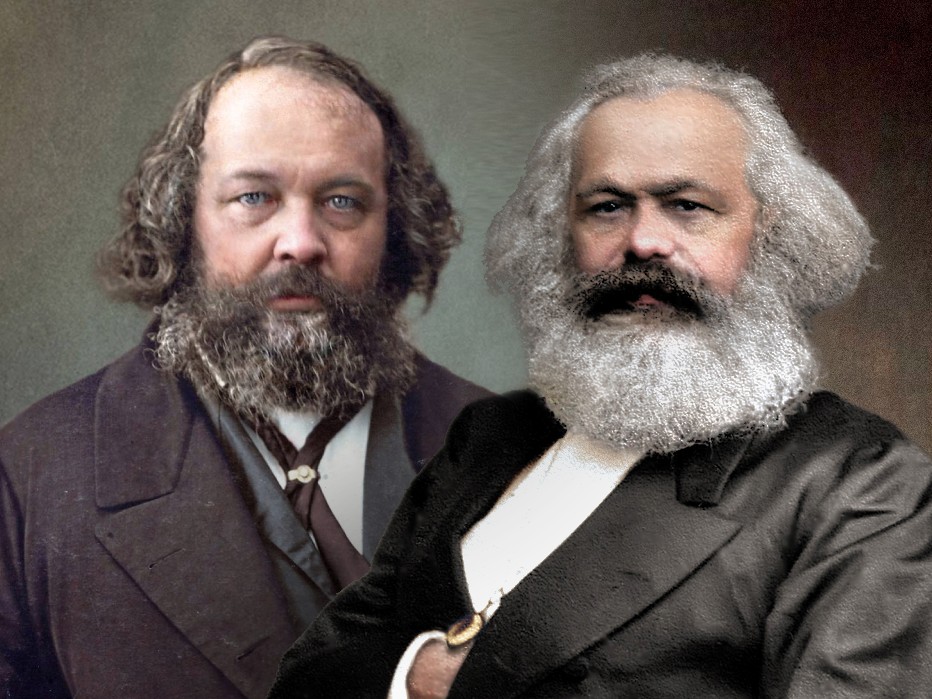
Bakunin was born into a noble family on the Pryamukhino estate in Tver Governorate. He began studying in Moscow in 1840, then moved to Berlin, aiming for an academic career. While in Paris, he met Karl Marx and Pierre-Joseph Proudhon, both of whom left a deep mark on his thinking.
His growing radicalism ended any chance of becoming a professor. French authorities expelled him for opposing Russia’s occupation of Poland. After taking part in the 1848 Prague uprising and the 1849 Dresden uprising, Bakunin was imprisoned, tried, sentenced to death, and extradited multiple times.
He was eventually exiled to Siberia in 1857, but escaped through Japan to the United States and then to London. There, he worked with Alexander Herzen on the journal Kolokol (The Bell). In 1863, he tried to join an insurrection in Poland but never made it, instead spending time in Switzerland and Italy.
In 1868, Bakunin joined the International Workingmen’s Association. His anarchist faction quickly gained influence. The 1872 Hague Congress became a battleground between Bakunin and Marx, who led the General Council and believed the state should be used to achieve socialism.
Bakunin and his followers argued for replacing the state with federations of self-governing workplaces and communes. Bakunin could not reach the Netherlands, and without him, the anarchist side lost the debate. Marx accused Bakunin of running a secret organization within the International, and Bakunin was expelled. He then founded the Anti-Authoritarian International in 1872.
From 1870 until his death in 1876, Bakunin wrote major works like Statism and Anarchy and God and the State, while also staying active in European worker and peasant movements. In 1870, he joined an insurrection in Lyon, France. He later tried to take part in an anarchist uprising in Bologna, Italy, but his failing health forced him to return to Switzerland in disguise.
First International
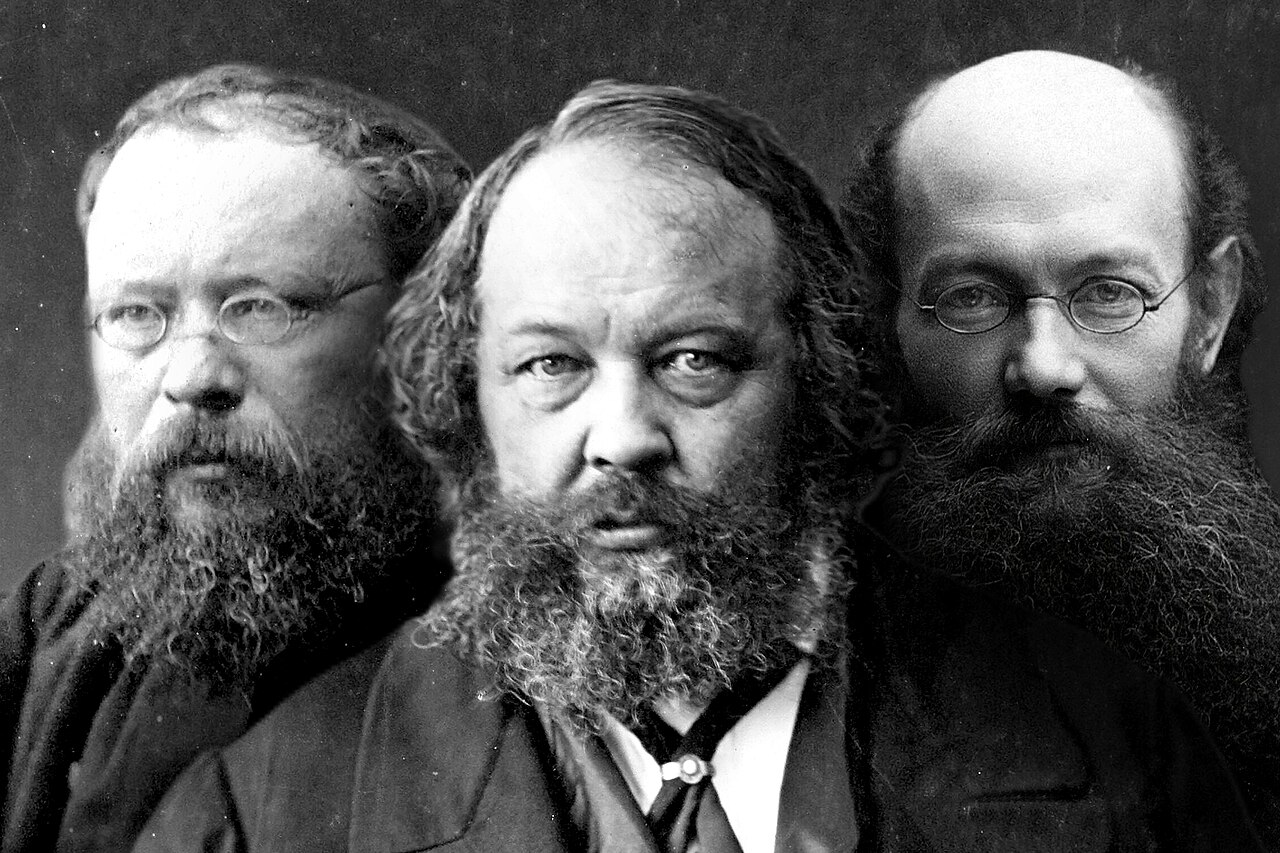
Bakunin is remembered as a central figure in anarchist history and as a critic of Marxism, especially the idea of a dictatorship of the proletariat. He argued that Marxist states would become one-party dictatorships ruling over workers, not by them. His book God and the State has been widely translated and is still in print. His ideas influenced thinkers such as Peter Kropotkin, Errico Malatesta, Herbert Marcuse, E. P. Thompson, Neil Postman, and A. S. Neill, as well as syndicalist groups like the IWW, the anarchists in the Spanish Civil War, and contemporary anarchists in the anti-globalization movement.
Lore & Background
Bakunin was born into a noble family in Pryamukhino, a family estate in the Tver Governorate. From 1840, he studied in Moscow, then in Berlin, hoping to enter academia. Later in Paris, he met Karl Marx and Pierre-Joseph Proudhon, who deeply influenced him. Bakunin's increasing radicalism ended hopes of a professorial career.
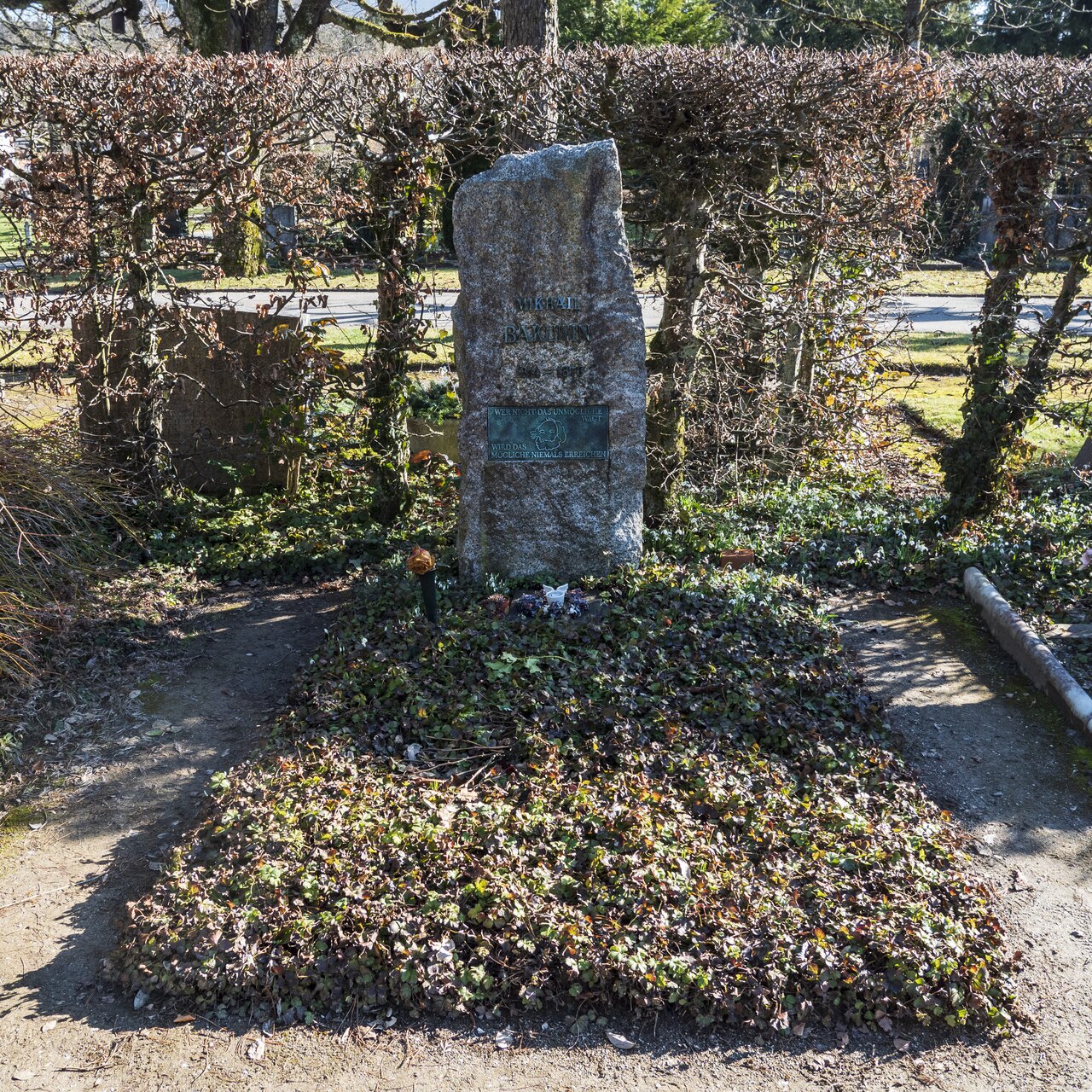
He was expelled from France for opposing the Russian Empire's occupation of Poland. After participating in the 1848 Prague and 1849 Dresden uprisings, Bakunin was imprisoned, tried, sentenced to death, and extradited multiple times. Finally, exiled to Siberia in 1857, he escaped via Japan to the United States and then to London, where he worked with Alexander Herzen on the journal Kolokol (The Bell). In 1863, Bakunin left to join the insurrection in Poland, but he failed to reach it and instead spent time in Switzerland and Italy.
In 1868, Bakunin joined the International Workingmen's Association, leading the anarchist faction to rapidly grow in influence. The 1872 Hague Congress was dominated by a struggle between Bakunin and Marx, who was a key figure in the General Council of the International and argued for the use of the state to bring about socialism. In contrast, Bakunin and the anarchist faction argued for the replacement of the state by federations of self-governing workplaces and communes. Bakunin could not reach the Netherlands, and the anarchist faction lost the debate in his absence.
Bakunin was expelled from the International for maintaining, in Marx's view, a secret organisation within the International, and founded the Anti-Authoritarian International in 1872. From 1870 until his death in 1876, Bakunin wrote his longer works such as Statism and Anarchy and God and the State, but he continued to directly participate in European worker and peasant movements. In 1870, he was involved in an insurrection in Lyon, France. Bakunin sought to take part in an anarchist insurrection in Bologna, Italy, but his declining health forced him to return to Switzerland in disguise.
Reader's Guide
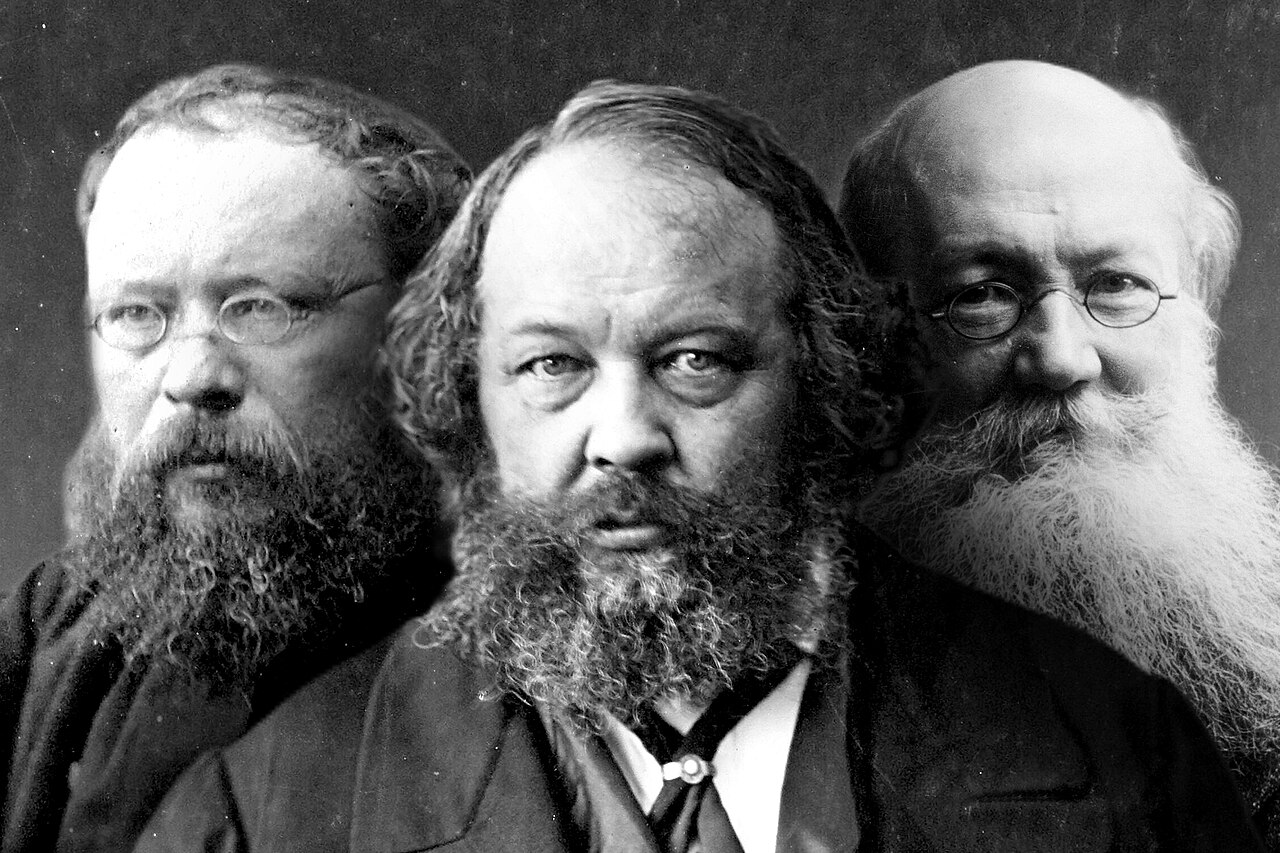
Bakunin is remembered as a major figure in the history of anarchism and as an opponent of Marxism, especially of the dictatorship of the proletariat, arguing that Marxist states would be one-party dictatorships ruling over the proletariat, not ruled by the proletariat. His book God and the State has been widely translated and remains in print. Bakunin has had a significant influence on thinkers such as Peter Kropotkin, Errico Malatesta, Herbert Marcuse, E. P. Thompson, Neil Postman and A. S. Neill as well as syndicalist organizations such as the IWW, the anarchists in the Spanish Civil War and contemporary anarchists involved in the modern-day anti-globalization movement.
Did You Know?
- Bakunin produced the first Russian translation of Hegel.
- Bakunin was sentenced in absentia to penal labor in Siberia after defying orders to return from abroad.
- Bakunin was the foremost Russian expert on Hegel by 1837.
Frequently Asked Questions
Who is Mikhail Bakunin?
He was a Russian nobleman turned revolutionary anarchist and political philosopher, born in 1814 on a family estate in Tver Governorate. He went on to become one of the most prominent voices in the anarchist movement across 19th-century Europe.
What are Bakunin's most famous works?
His two best-known texts are 'God and the State' and 'Statism and Anarchy,' both of which argued forcefully against religious authority and centralized state power. These writings cemented his reputation as a leading ideologue of collectivist anarchism.
What was the Bakunin–Marx conflict about?
The two clashed fundamentally over whether a revolutionary state—Marx's so-called 'dictatorship of the proletariat'—was a necessary stepping stone or an obstacle to genuine freedom. Bakunin led the anarchist faction within the International Workingmen's Association, pushing back hard against Marx's centralized vision.
More in Historical Figures & Leaders
Sources
Compiled from Wikipedia and the sources listed below. Text from Wikipedia is available under CC BY-SA 4.0; this entry is adapted from it.
- Wikipedia: Mikhail Bakunin (CC BY-SA 4.0).
Spotted an error? Know more?
Reader corrections go straight into our review queue. Suggest an edit · How this site is sourced