Pierre-Joseph Proudhon
First to call himself an anarchist; founder of mutualism.
Last updated

Frédéric Bastiat / Pierre-Joseph Proudhon · Public domain
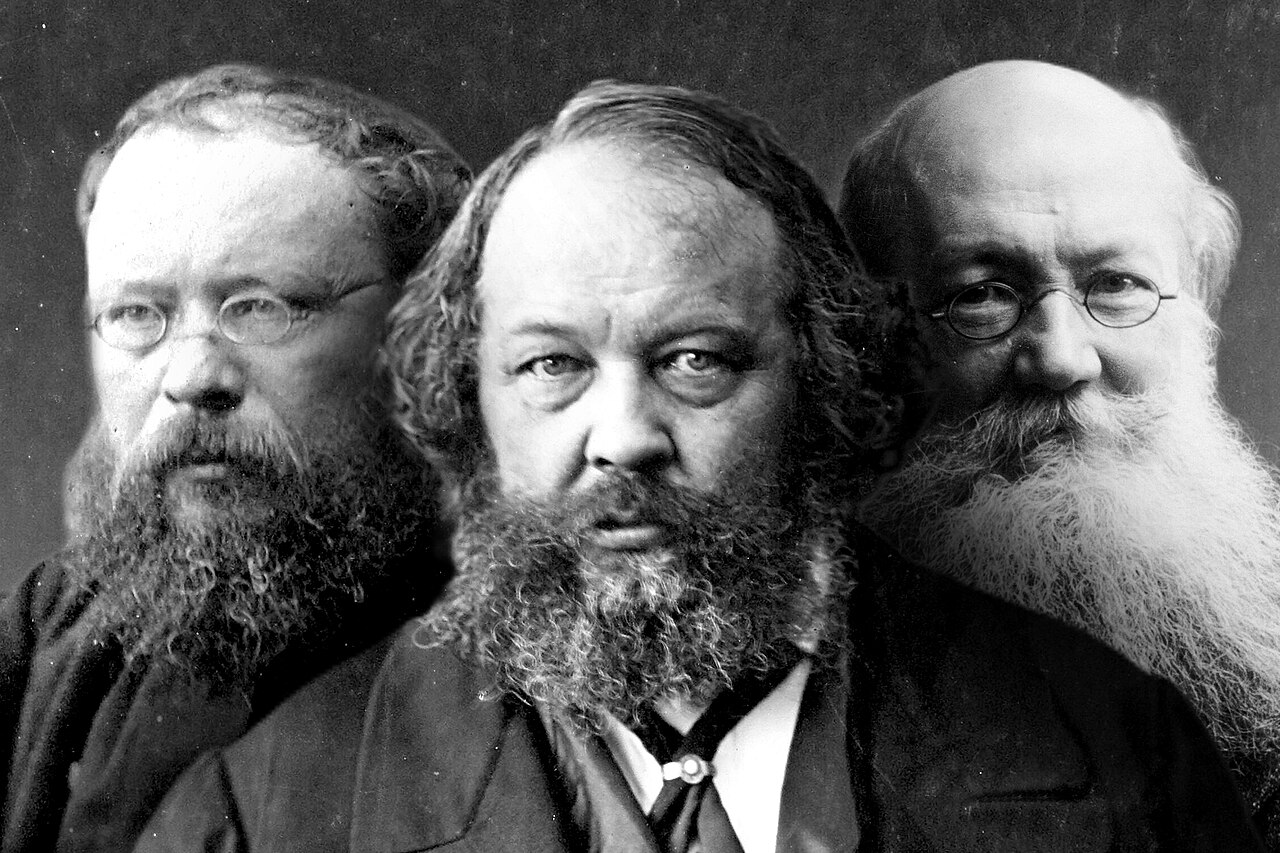
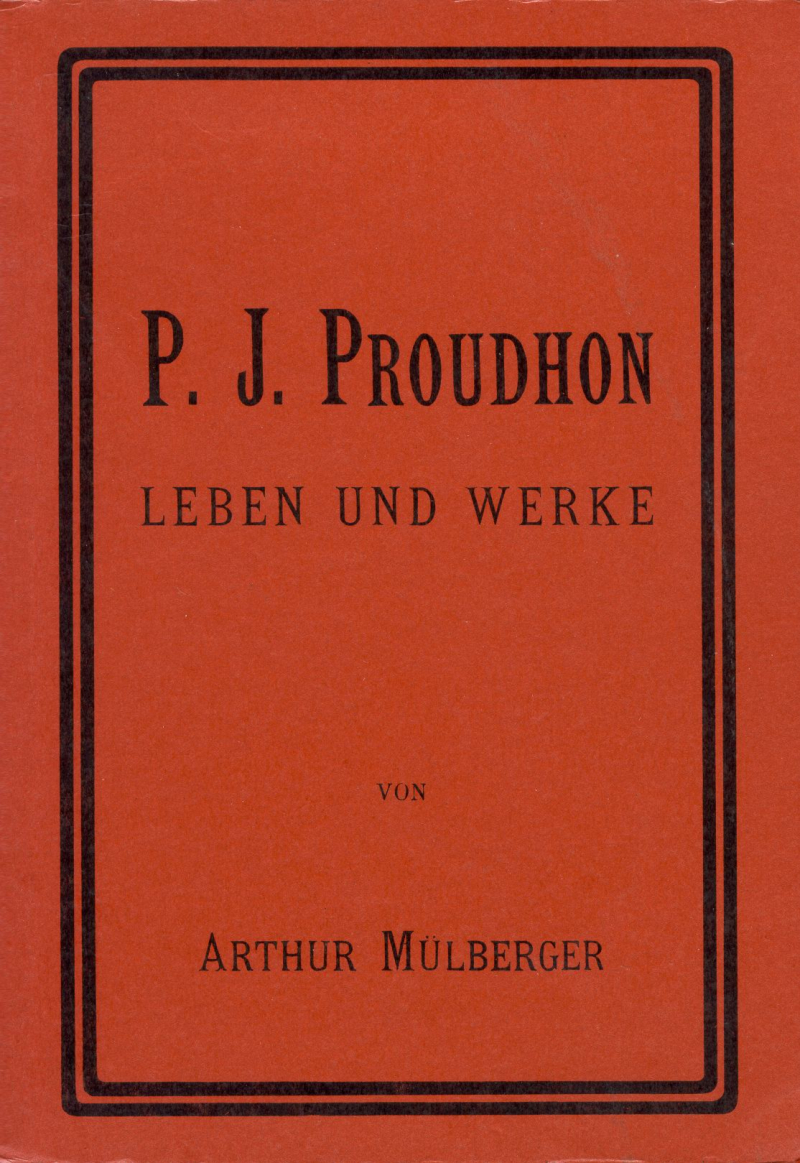
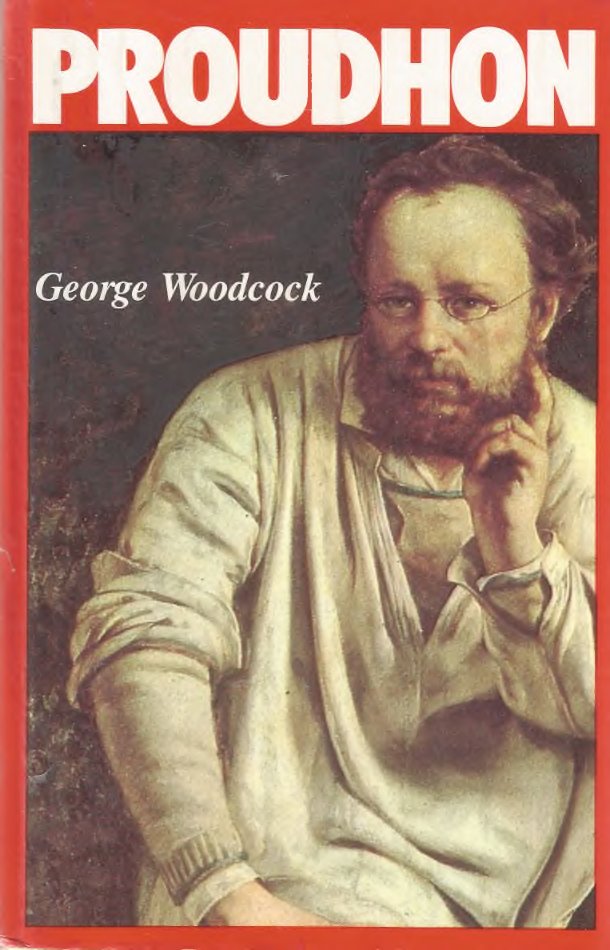
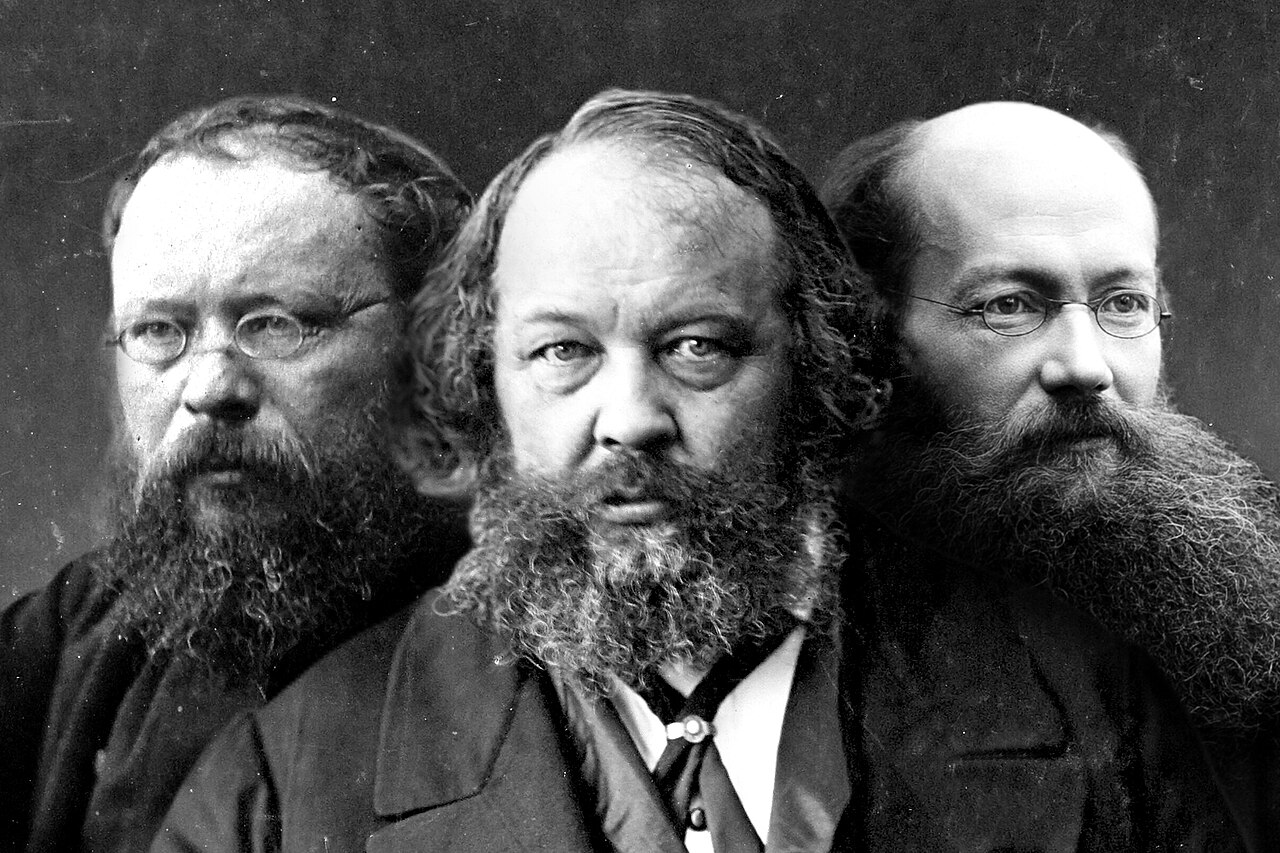
Pierre-Joseph Proudhon was a French anarchist, socialist, philosopher, and economist who founded mutualist philosophy and is considered by many to be the 'father of anarchism'. He was the first person to call himself an anarchist and is widely regarded as one of anarchism's most influential theorists. Proudhon became a member of the French Parliament after the Revolution of 1848, whereafter he referred to himself as a federalist, and described the liberty he pursued as the synthesis of community and individualism.
Lore & Background
Proudhon was born in Besançon on 15 January 1809. He worked as a printer and taught himself Latin to better print books in the language. His first major work, What Is Property?
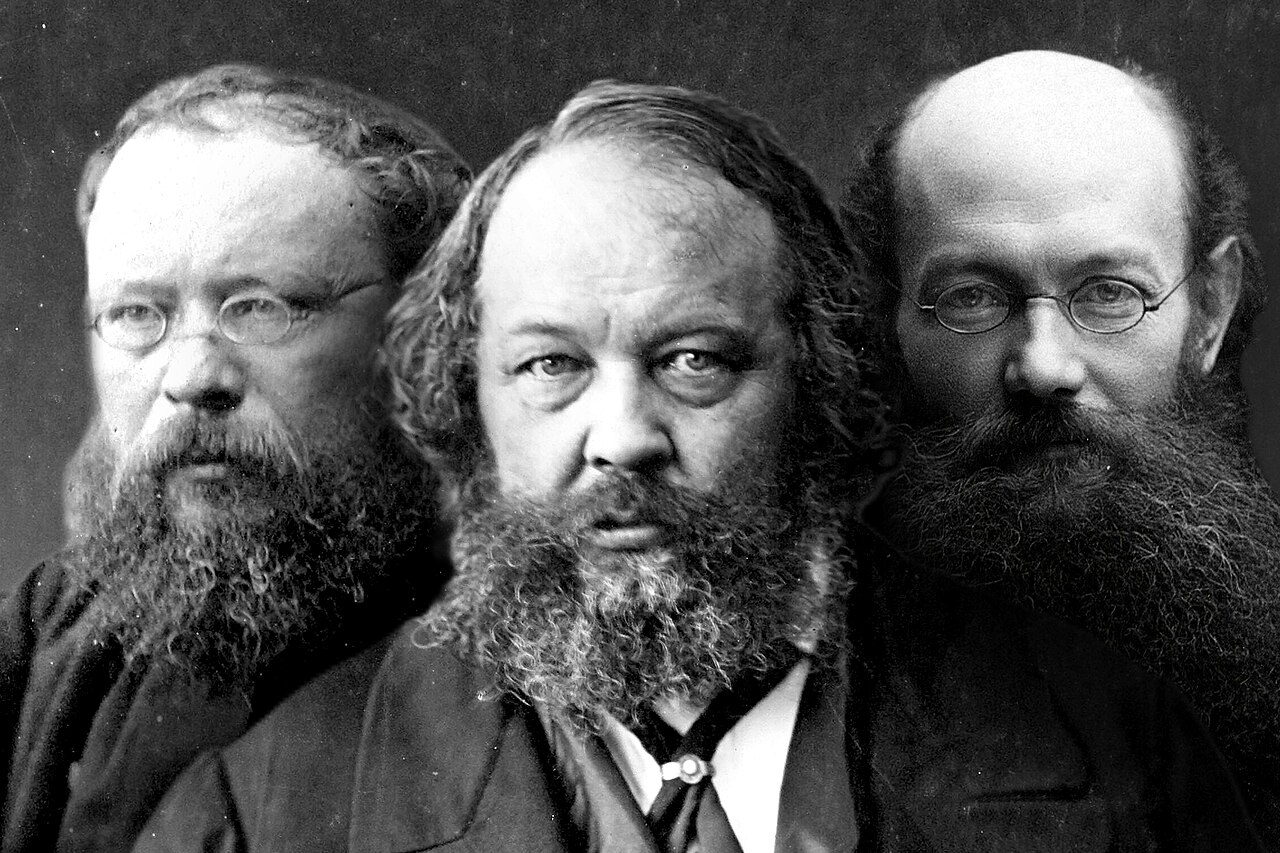
Or, an Inquiry into the Principle of Right and Government, published in 1840, contained his best-known assertion that 'property is theft!' The book attracted the attention of French authorities and also drew the scrutiny of Karl Marx, who began a correspondence with Proudhon. The two influenced each other and met in Paris while Marx was exiled there, but their friendship ended when Marx responded to Proudhon's The System of Economic Contradictions, or The Philosophy of Poverty with The Poverty of Philosophy. This dispute became one of the sources of the split between the anarchist and Marxist wings of the International Working Men's Association.
Reader's Guide
Proudhon's significance lies in his foundational role in anarchist thought. He favored workers' councils and associations or cooperatives as well as individual worker/peasant possession over private ownership or nationalization of land and workplaces.

He considered social revolution achievable in a peaceful manner and unsuccessfully tried to create a national bank funded by an abortive income tax on capitalists and shareholders, which would have given interest-free loans. After the death of his follower Mikhail Bakunin, Proudhon's libertarian socialism diverged into individualist anarchism, collectivist anarchism, anarcho-communism, and anarcho-syndicalism, with notable proponents such as Carlo Cafiero, Joseph Déjacque, Peter Kropotkin, and Benjamin Tucker. Some consider his mutualism part of individualist anarchism, while others regard it as part of social anarchism.
Frequently Asked Questions
Who is Pierre-Joseph Proudhon?
Proudhon was a French thinker born in 1809 in Besançon who worked across philosophy, economics, and political theory. He is best known for establishing mutualism and for being the very first person in history to openly label himself an anarchist.
What is mutualism and how did Proudhon define it?
Mutualism is the political-economic philosophy Proudhon developed, centering on the idea that production and credit should be organized through free association rather than through state authority or capitalist accumulation. He framed it as a way to harmonize collective community needs with genuine individual liberty.
Why is Proudhon called the 'father of anarchism'?
He earned that title because, in 1840, he was the first person on record to adopt the word 'anarchist' for himself, and his writings—especially What Is Property?—laid much of the theoretical groundwork that later anarchist thinkers built upon. His federalist and anti-state arguments became a cornerstone of the broader movement.
What does 'property is theft' actually mean in Proudhon's philosophy?
When Proudhon declared that property is theft in 1840, he was targeting ownership that generates unearned income—such as rent or interest—rather than the simple use of a tool or plot of land by the person who works it. He drew a sharp line between possessive use and proprietary ownership, arguing only the latter constituted a form of theft.
More in Historical Figures & Leaders
Sources
Compiled from Wikipedia and the sources listed below. Text from Wikipedia is available under CC BY-SA 4.0; this entry is adapted from it.
- Wikipedia: Pierre-Joseph Proudhon (CC BY-SA 4.0).
Spotted an error? Know more?
Reader corrections go straight into our review queue. Suggest an edit · How this site is sourced