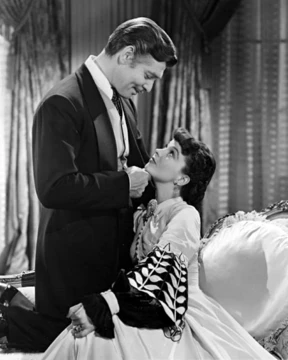
Leo McCarey
American director of screwball comedies and religious films.
Leo McCarey was an American film director, screenwriter, and producer active from the silent era through the 1960s. He is noted for his work in screwball comedy and later socially conscious and religious films, directing critically acclaimed works such as Duck Soup, The Awful Truth, Going My Way, and An Affair to Remember.
Quick Facts
- Birth Name
- Thomas Leo McCarey
- Birth Date
- 1898-10-03
- Birth Place
- Los Angeles, California, U.S.
- Death Date
- 1969-07-05
- Death Place
- Santa Monica, California, U.S.
- Spouse
- Stella Martin · 1920 (1894-1987)
- Education
- USC Gould School of Law
- Occupation
- Director · producer · screenwriter
- Political Party
- Republican
- Resting Place
- Holy Cross Cemetery, Culver City
- Relatives
- Ray McCarey (brother)
- Children
- 1
Facts from the source article.
Lore & Background
Born in Los Angeles, McCarey attended St. Joseph's Catholic School and Los Angeles High School. His father was a noted fight promoter. After attending USC (though he left before completing his law degree), he tried mining, boxing, and songwriting before becoming an assistant director to Tod Browning in 1918. He honed his skills at Hal Roach Studios, writing gags for Our Gang and directing shorts with Charley Chase, whom he credited as his mentor. At Roach, he cast Stan Laurel and Oliver Hardy together and guided their onscreen characters, though he officially directed only a few of their shorts. By 1929, he was vice-president of production at the studio.
In the sound era, McCarey directed major stars including the Marx Brothers (Duck Soup), W.C. Fields, and Mae West. His 1937 film Make Way for Tomorrow was a box-office failure but later recognized as a masterpiece. He won his first Academy Award for Best Director for The Awful Truth (1937), which launched Cary Grant's screen persona. During the 1940s, his work turned more serious and religious; he won a second Best Director Oscar for Going My Way (1944), and its follow-up The Bells of St. Mary's was also successful. He testified as a friendly witness in the Un-American Activities Committee hearings. His later films included the anti-communist My Son John (1952) and the romantic hit An Affair to Remember (1957), a remake of his own Love Affair.
Reader's Guide
McCarey's significance lies in his versatility across genres, from screwball comedy to religious and socially conscious drama, and his improvisational filmmaking style. Auteurist critic Andrew Sarris noted that McCarey 'represents a principle of improvisation in the history of the American film.' His method, rooted in silent-era practices, involved altering scripts on set, often while playing piano, which gave his scenes a freshness and spontaneity. This approach was shared by contemporaries like Gregory La Cava and Howard Hawks. McCarey's influence extends through his creation of the Laurel and Hardy team, his shaping of Cary Grant's comedic persona, and the enduring popularity of An Affair to Remember, which gained renewed attention after being referenced in Sleepless in Seattle. French director Jean Renoir said McCarey 'understood people better than any other Hollywood director.' Despite some post-war box-office failures, his work has been canonized, with Make Way for Tomorrow selected for the Museum of Modern Art's permanent collection and later considered by some as his masterpiece.
Did You Know?
- McCarey cast Stan Laurel and Oliver Hardy together and guided the development of their onscreen characters at Hal Roach Studios.
- He won two Academy Awards for Best Director, for The Awful Truth (1937) and Going My Way (1944).
- His 1957 film An Affair to Remember was a remake of his own 1939 film Love Affair, using a revised script by Delmer Daves and Leo McCarey.
- McCarey's share in the profits from Going My Way gave him the highest reported income in the U.S. for 1944.
More in Golden Age Hollywood 1-24
Spotted an error? Know more?
Reader corrections go straight into our review queue. Suggest an edit · How this site is sourced