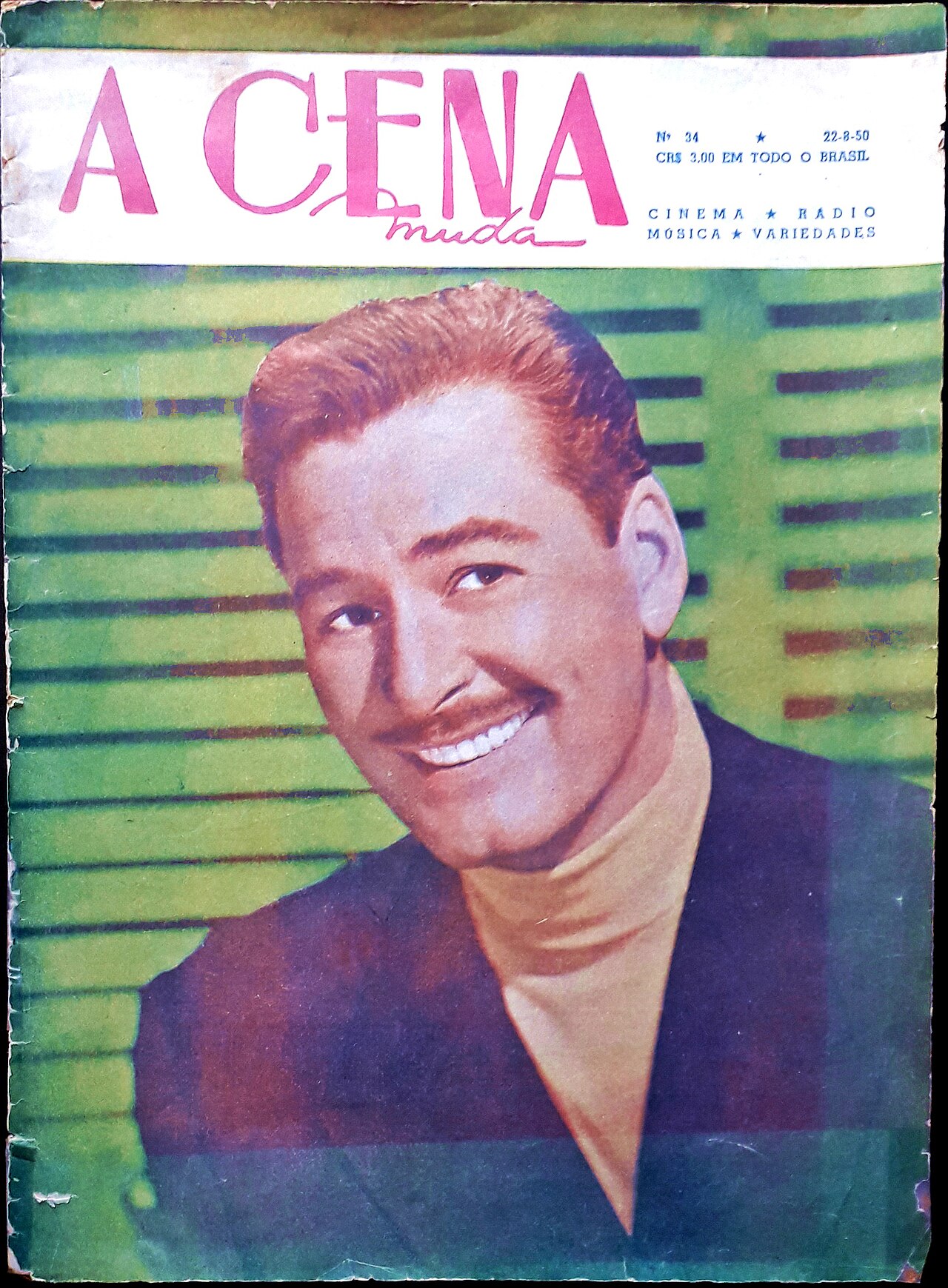
Errol Flynn
The swashbuckling star of Hollywood's Golden Age.

A Cena Muda Magazine · CC BY-SA 4.0
Errol Leslie Thomson Flynn (20 June 1909 – 14 October 1959) was an Australian and American actor who achieved worldwide fame during the Golden Age of Hollywood. He was known for his romantic swashbuckler roles, frequent partnerships with Olivia de Havilland, and reputation for his womanising and hedonistic personal life.
- Born
- 20 June 1909, Battery Point, Tasmania
- Died
- 14 October 1959
- Field
- Actor
- Nationality
- Australian and American
- Known for
- Swashbuckler roles, partnership with Olivia de Havilland
Lore & Background
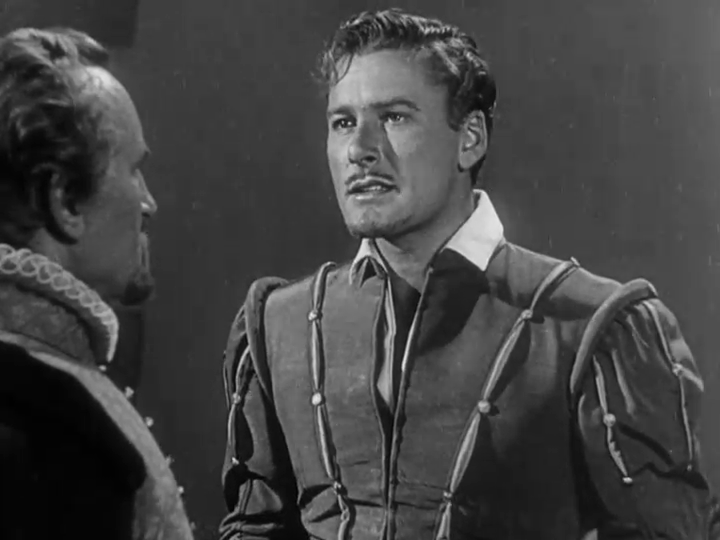
Flynn's roles include Robin Hood in The Adventures of Robin Hood (1938), which was later named by the American Film Institute as the 18th-greatest hero in American film history; the lead role in Captain Blood (1935); Major Geoffrey Vickers in The Charge of the Light Brigade (1936); and as the hero in a number of Westerns such as Dodge City (1939), Santa Fe Trail, Virginia City (both 1940) and San Antonio (1945). Flynn was posthumously awarded two stars on the Hollywood Walk of Fame for his contributions to the motion picture and television industries in 1960.
Reader's Guide
Flynn was born on 20 June 1909 at Queen Alexandra Hospital in Battery Point, Tasmania. His father, Theodore Thomson Flynn, was a lecturer and later professor of marine biology and zoology. His mother was Lily Mary Young, who changed her first name to Marelle after marrying. Flynn had a younger sister, Nora Rosemary Flynn. He attended several schools in Hobart and was expelled from each. He later attended South West London College and Sydney Church of England Grammar School, from which he was expelled for theft. After working as a junior clerk, he went to Papua New Guinea at age eighteen. He became engaged to Naomi Campbell-Dibbs in January 1931 but did not marry. His early acting career began with the film In the Wake of the Bounty (1933), after which he traveled to Britain. He worked at the Northampton Repertory Company and was cast in Murder at Monte Carlo, leading to a Warner Bros. contract. In Hollywood, he married Lili Damita. His first film role was in The Case of the Curious Bride (1935). He achieved stardom with Captain Blood (1935), opposite Olivia de Havilland. He published his first book, Beam Ends (1937), an autobiographical account of his experiences sailing around Australia as a youth. He also traveled to Spain in 1937 as a war correspondent during the Spanish Civil War.
Did You Know?
- Flynn's first book, Beam Ends (1937), is an autobiographical account of his experiences sailing around Australia as a youth.
- The Adventures of Robin Hood (1938) was the studio's first large-budget colour film using the three-strip Technicolor process.
The Swashbuckler Who Defined a Genre
Errol Flynn carved out a place in cinema history that remains virtually unchallenged. His portrayal of Robin Hood in the 1938 Warner Bros. production earned him a lasting distinction: the American Film Institute later ranked that character as the eighteenth-greatest hero in American film history. Before that, he had already proven his range across genres, delivering a commanding performance as the title pirate in Captain Blood (1935) and bringing dramatic gravity to Major Geoffrey Vickers in The Charge of the Light Brigade (1936). His versatility extended well beyond the sword-and-sail formula; he anchored a string of Westerns including Dodge City (1939), Santa Fe Trail and Virginia City (both 1940), and San Antonio (1945). His on-screen chemistry with Olivia de Havilland became one of the defining partnerships of the era. After his death in 1959, the industry honored him with two posthumous stars on the Hollywood Walk of Fame in 1960, one for motion pictures and one for television, cementing his status as a fixture of the Golden Age.
A Restless Boy from the Southern Hemisphere
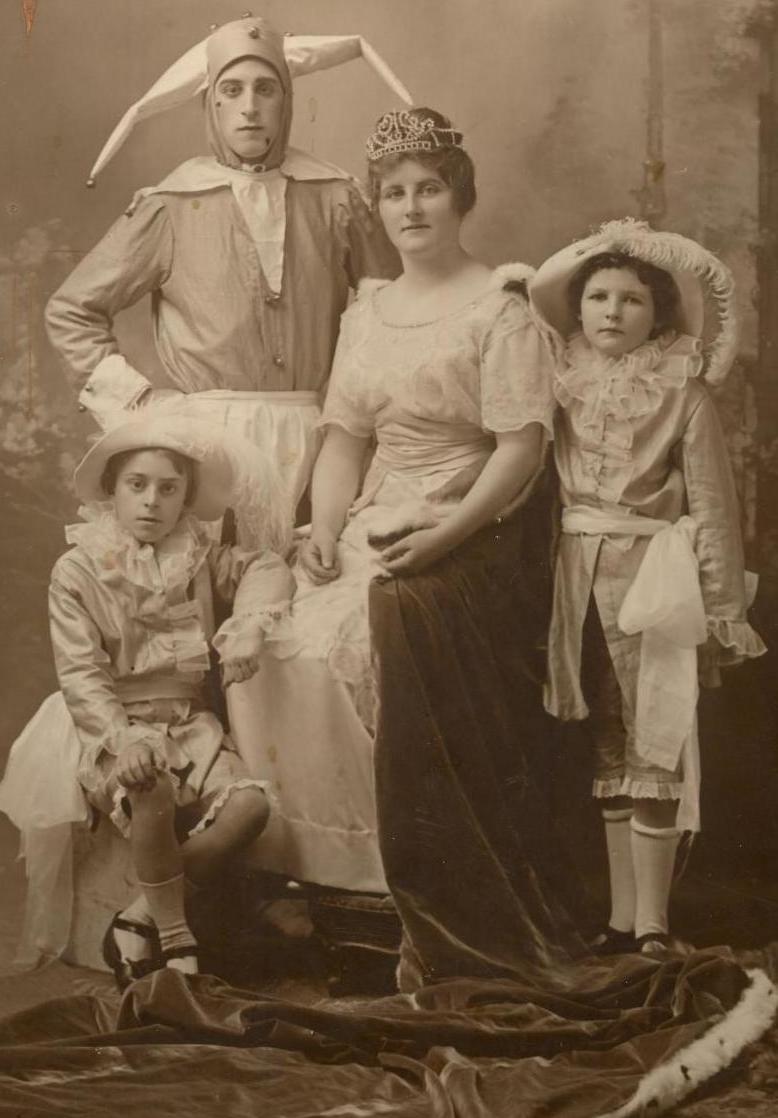
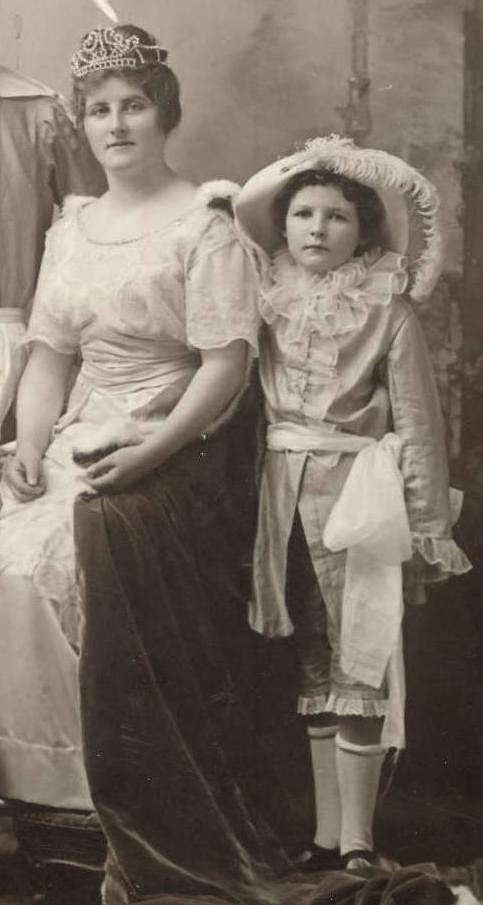
Errol Leslie Thomson Flynn entered the world on 20 June 1909 at Queen Alexandra Hospital in Battery Point, Tasmania. His father, Theodore Thomson Flynn, held the distinction of being the first biology professor in Tasmania before moving to Queen's University of Belfast as Chair of Zoology. His mother, Lily Mary Young, who later adopted the name Marelle, came from what Flynn himself described as "seafaring folk," a heritage that likely planted the seed for his lifelong fascination with the sea. Despite his later public claims, no evidence supports a bloodline connection to the Bounty mutineers. His childhood in Hobart was marked by a streak of defiance that would follow him for decades. He was expelled from every school he attended, including The Hutchins School, Hobart College, The Friends School, and Albuera Street Primary School. By age nine he was already performing publicly, serving as a page boy to Enid Lyons in a queen carnival, where she remembered him as a "dashing figure" with a "fearless, somewhat haughty expression." After further expulsions in London and Sydney, and a brief clerkship ended by pilfering petty cash, the eighteen-year-old sailed for Papua New Guinea to try his luck in tobacco planting and gold mining in the Morobe Goldfield.
From Repertory Stage to the Motion Picture Capital
Flynn's path to stardom began with an almost accidental discovery. Australian director Charles Chauvel, mounting In the Wake of the Bounty (1933), needed a face for Fletcher Christian. The most popular account credits cast member John Warwick with spotting Flynn, though another version holds that Chauvel saw his photograph in a newspaper article about a yacht wreck. The film underperformed at the box office, but Flynn, as the lead, used it as a springboard to cross the Channel to Britain in late 1933. In England he trained with the Northampton Repertory Company for seven months, performing at the 1934 Malvern Festival, in Glasgow, and briefly in London's West End. His tenure ended abruptly when he threw a female stage manager down a stairwell. Warner Bros. producer Irving Asher nonetheless cast him in the "quota quickie" Murder at Monte Carlo at Teddington Studios. Though the picture was never widely released and is now considered lost, Asher was so impressed that he cabled Hollywood recommending Flynn for a contract. Executives agreed. Aboard the ship to Los Angeles, Flynn met actress Lili Damita, five years his senior, whose industry contacts would prove invaluable. Warner Bros. publicity branded him an "Irish leading man of the London stage," and his first credit was a two-scene bit in The Case of the Curious Bride (1935).
The Casting That Made a Legend
The role that transformed Flynn from a bit-part actor into a global icon was not originally meant for him. Warner Bros. was assembling a big-budget swashbuckler, Captain Blood (1935), adapted from Rafael Sabatini's 1922 novel and directed by Michael Curtiz. The studio's first choice was Robert Donat, who declined the part, fearing his chronic asthma would prevent him from handling the physically demanding role. Leslie Howard and James Cagney were also considered, and screen tests were conducted among contracted actors. Flynn, who had only just arrived in Hollywood with two minor credits to his name, was ultimately selected. The film's success launched a career that would dominate the swashbuckler genre for nearly a decade. His reputation for romantic, dashing heroism became inseparable from his public persona, which was equally defined by a well-documented appetite for romance and hedonistic living. The pairing of his on-screen magnetism with the chemistry he shared with Olivia de Havilland created a template for Hollywood romance that audiences still recognize. By the time he died on 14 October 1959, Flynn had become synonymous with the Golden Age in a way few of his contemporaries achieved.
Gallery
More in Golden Age Hollywood 1-24
Spotted an error? Know more?
Reader corrections go straight into our review queue. Suggest an edit · How this site is sourced