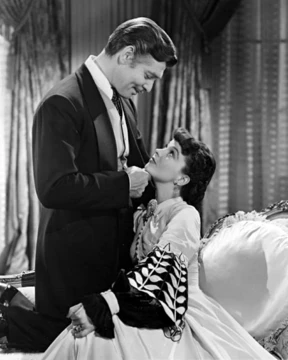
Gary Cooper
American actor known for his strong, silent screen persona.

Gary Cooper—born Frank James Cooper on May 7, 1901, in Helena, Montana—was an American actor whose career ran from 1925 to 1961. He appeared as a lead in 84 feature films and became a defining star from the tail end of the silent era through most of Hollywood’s classical golden age. The American Film Institute placed him 11th on its list of the 50 greatest screen legends. He won the Academy Award for Best Actor for *Sergeant York* (1941) and *High Noon* (1952), and received an honorary Oscar in 1961.
Cooper was known for his strong, quiet screen persona and understated acting. His appeal crossed gender lines, and he worked across most major film genres. He had a knack for projecting his own personality into his roles, which made him seem natural and authentic on screen. Over his career, he maintained a persona that embodied the ideal American hero.
He started as a film extra and stunt rider, then quickly moved into acting. After establishing himself as a Western hero in silent films, he became a star with his first sound picture, playing the title role in *The Virginian* (1929). In the early 1930s, he broadened his heroic image to include more cautious characters in adventure films and dramas like *A Farewell to Arms* (1932) and *The Lives of a Bengal Lancer* (1935). At his peak, he portrayed a new kind of hero—a champion of the common man—in films such as *Mr. Deeds Goes to Town* (1936), *Meet John Doe* and *Ball of Fire* (both 1941), *The Pride of the Yankees* (1942), and *For Whom the Bell Tolls* (1943). Later, he took on more mature roles, playing characters at odds with the world in films like *The Fountainhead* (1949). In his final movies, he played nonviolent men searching for redemption, as in *Friendly Persuasion* (1956) and *Man of the West* (1958).
Cooper was the younger of two sons born to English immigrants Alice and Charles Henry Cooper. His father, a prominent lawyer, rancher, and Montana Supreme Court justice, came from Houghton Regis, Bedfordshire; his mother was from Gillingham, Kent. In 1906, Charles bought a 600-acre cattle ranch near Craig, Montana, where Cooper and his older brother Arthur spent summers learning to ride, hunt, and fish. Cooper attended Central Grade School in Helena.
His mother wanted a British education for her sons, so in 1909 she took them to England, enrolling them in Dunstable Grammar School.
- Born
- May 7, 1901, Helena, Montana
- Died
- May 13, 1961
- Field
- Acting
- Nationality
- American
- Known for
- Strong, silent screen persona; Academy Awards for Sergeant York (1941) and High Noon (1952)
Lore & Background
Frank James Cooper was born on May 7, 1901, in Helena, Montana, the younger of two sons of English immigrants. His father was a prominent lawyer, rancher, and Montana Supreme Court justice. Cooper spent summers at the family ranch, learning to ride horses, hunt, and fish. His mother took him and his brother to England in 1909 for schooling at Dunstable Grammar School, where he studied Latin, French, and English history until 1912. After returning to Montana, he injured his hip in a car accident at age 15, and horseback riding therapy left him with a characteristic stiff walk. He left high school in 1918 to work as a cowboy, but later attended Gallatin County High School and took art courses at Montana Agricultural College. In 1922, he enrolled in Grinnell College, where he was art editor for the yearbook, but left in February 1924. After moving to Los Angeles in November 1924, he worked as a film extra and stunt rider, changing his name to Gary after the hometown of his casting agent. He signed with Paramount Pictures in 1926 and rose to stardom with his first sound picture, The Virginian (1929).
Reader's Guide
Gary Cooper's significance lies in his embodiment of the ideal American hero across a 36-year career. His understated acting style and strong, silent persona appealed to both men and women, and he sustained this image through most major film genres. Cooper won the Academy Award for Best Actor for Sergeant York (1941) and High Noon (1952), and received an Academy Honorary Award in 1961. His range evolved from Western heroes in silent films to champions of the common man in films like Mr. Deeds Goes to Town (1936) and Meet John Doe (1941), and later to mature characters at odds with the world in The Fountainhead (1949). In his final films, he played nonviolent characters seeking redemption. The American Film Institute ranked him 11th among the greatest screen legends. His legacy endures as a symbol of classical Hollywood's golden age and the archetypal American hero.
Did You Know?
- Cooper changed his first name to 'Gary' after the hometown of his casting agent, Gary, Indiana.
- Cooper worked as a film extra for five dollars a day and as a stunt rider for ten dollars.
- He was ranked number 11 on the American Film Institute's list of the 50 greatest screen legends.
More in Golden Age Hollywood 1-24
Spotted an error? Know more?
Reader corrections go straight into our review queue. Suggest an edit · How this site is sourced