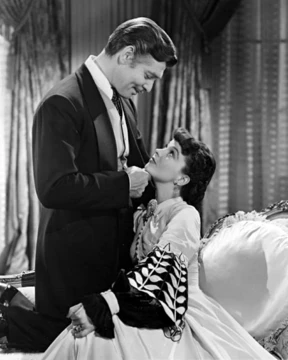
Gene Tierney
Golden Age Hollywood actress known for Laura and Leave Her to Heaven.

United Artists · Public domain
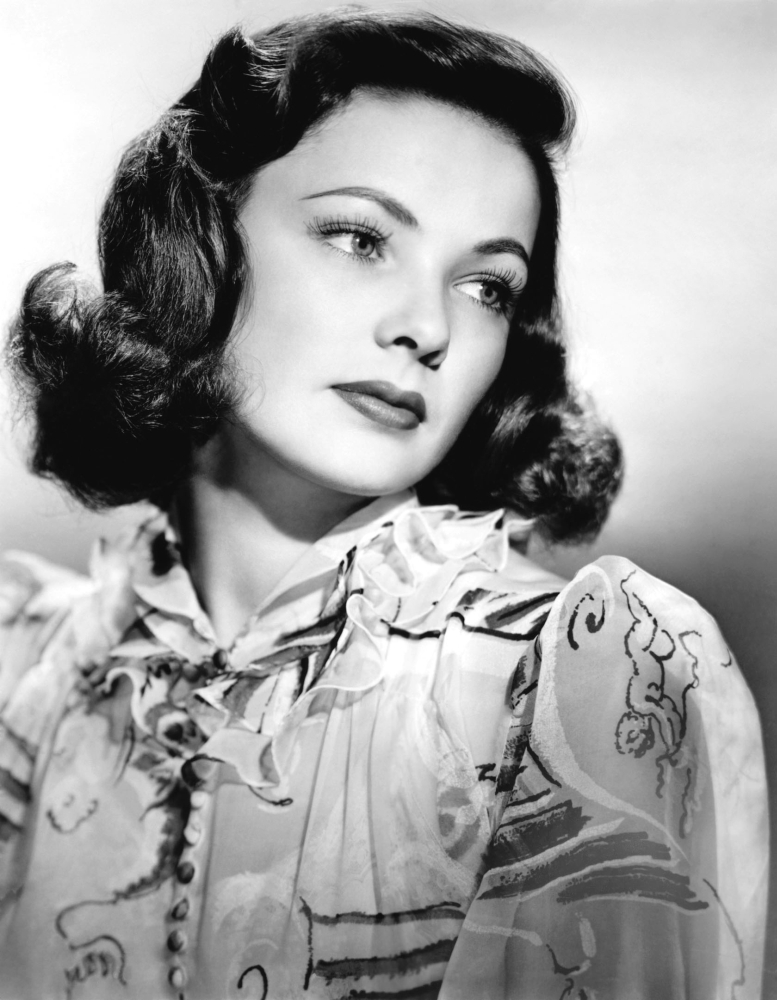
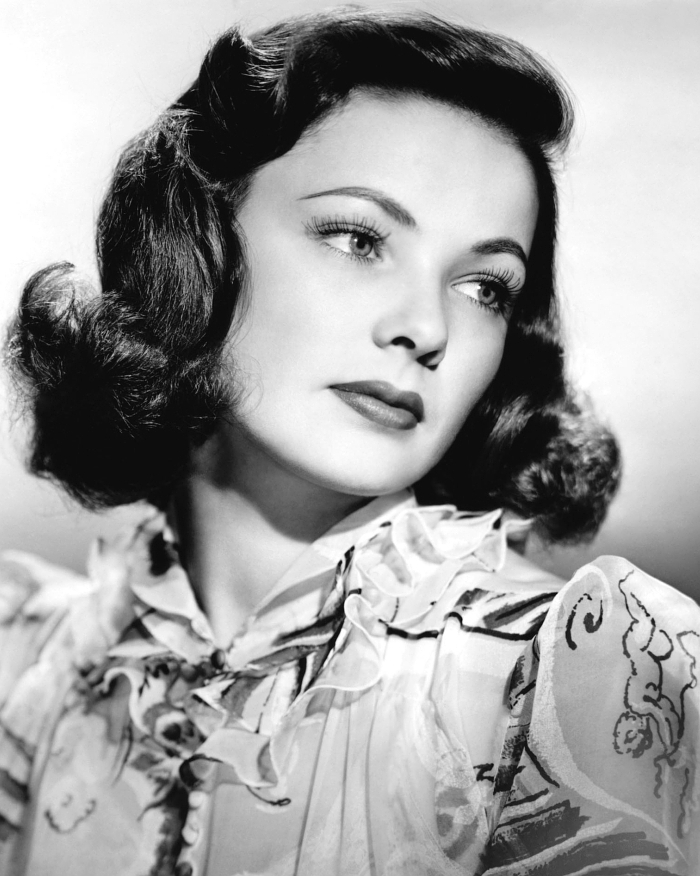
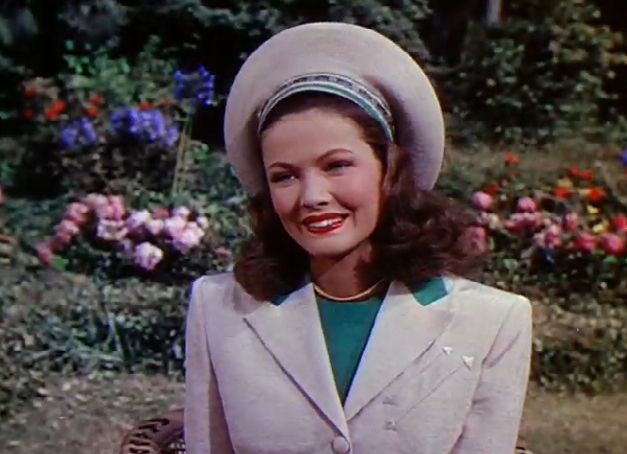
Gene Eliza Tierney (November 19, 1920 – November 6, 1991) was an American stage and film actress who rose to prominence as a leading lady during the Golden Age of Hollywood. She is best known for her starring roles in the film noir classic Laura (1944) and Leave Her to Heaven (1945), the latter earning her an Academy Award nomination for Best Actress. Darryl F. Zanuck, co-founder of 20th Century Fox, called her 'unquestionably, the most beautiful woman in movie history.'
- Born
- November 19, 1920
- Died
- November 6, 1991
- Field
- Actress
- Nationality
- American
- Known for
- Laura (1944), Leave Her to Heaven (1945), Academy Award nomination for Best Actress
Lore & Background
Tierney was born in Brooklyn, New York, to a successful insurance broker father and a former physical education instructor mother. She attended schools in Connecticut and Switzerland, where she learned fluent French. After a family trip to Warner Bros. studios, director Anatole Litvak encouraged her to become an actress. Her society debut occurred on September 24, 1938, but she soon pursued acting, studying in Greenwich Village and becoming a protégée of Broadway producer-director George Abbott.
Tierney made her Broadway debut carrying a bucket of water in What a Life! (1938) and gained critical notice in Mrs. O'Brien Entertains (1939) and The Male Animal (1940). She signed with 20th Century Fox and made her film debut in The Return of Frank James (1940). Her career peaked with the title role in Laura (1944) and the femme fatale role in Leave Her to Heaven (1945), which was a major hit but not Fox's most successful film of the 1940s. She worked with directors including Otto Preminger, John M. Stahl, and Joseph L. Mankiewicz, appearing in films such as The Ghost and Mrs. Muir (1947) and Whirlpool (1950).
After her Hollywood career declined, Tierney made sporadic television appearances, with her last credited role in the TV movie The Pleasure Palace (1980) and a later uncredited appearance. She died on November 6, 1991.
Reader's Guide
Gene Tierney remains a significant figure in film history as a quintessential leading lady of Hollywood's Golden Age. Her performance in Laura (1944) is widely regarded as iconic, and her Academy Award-nominated role in Leave Her to Heaven (1945) demonstrated her range in playing a complex, dark character. Director Martin Scorsese cited her as one of the most underrated actresses of the era. Tierney's career was closely tied to 20th Century Fox, where she starred in numerous commercially successful films across genres including Westerns, comedies, and film noir. Her beauty was famously praised by studio head Darryl F. Zanuck, but her acting skill earned critical respect. Though her film career waned in the 1950s, her work in classics like Laura and The Ghost and Mrs. Muir continues to be studied and admired. Her legacy endures as a symbol of Hollywood glamour and as a performer who brought depth to her roles.
Did You Know?
- Tierney was named after a beloved uncle who died young.
- She learned to speak fluent French while attending Brillantmont International School in Lausanne, Switzerland.
- Her father set up a corporation called Belle-Tier to fund and promote her acting career.
- She followed a diet from Harper's Bazaar magazine for 25 years after a cameraman advised her to lose weight.
Rise Through the Stages and Screens
Gene Tierney's path to stardom began humbly on Broadway, where her first role in What a Life! (1938) had her simply hauling a bucket of water across the stage. A Variety critic quipped she was the most beautiful water carrier he'd ever witnessed. By 1939, she was earning praise from Brooks Atkinson in the New York Times for her turn as Molly O'Day in Mrs. O'Brien Entertains, and by 1940 she was the toast of Broadway for her animated performance in The Male Animal. That same year, she crossed into cinema with a supporting part in Fritz Lang's Western The Return of Frank James, opposite Henry Fonda. From there, her 20th Century Fox contract carried her through a steady stream of features—Tobacco Road, Son of Fury, Heaven Can Wait, A Bell for Adano, The Razor's Edge, The Ghost and Mrs. Muir, and many others spanning the 1940s and 1950s. As the industry shifted, she turned to television, making sporadic guest appearances until her final credited role in the 1980 miniseries Scruples.
The Roles That Defined Her
Two performances in the mid-1940s cemented Tierney's place among Hollywood's elite. In Otto Preminger's 1944 film noir Laura, she embodied Laura Hunt with a stillness that made the character unforgettable, turning the picture into a genre landmark. The following year, John M. Stahl cast her as Ellen Berent in Leave Her to Heaven, a role that earned her an Academy Award nomination for Best Actress and solidified her status as a leading lady of the Golden Age. Yet the moment that truly launched her screen career was less glamorous: Darryl F. Zanuck, co-founder of 20th Century Fox, attended a Broadway showing of The Male Animal, noted her name, then followed up at the Stork Club that evening. He initially mistook her for another woman on the dance floor before recognizing the actress he'd just seen. Tierney later joked that she always carried several different "looks," a versatility that served her well across decades of roles.
Beauty as Legacy
Few actresses of the Golden Age were so consistently associated with physical beauty that it became inseparable from their artistic identity. Darryl F. Zanuck declared Tierney "unquestionably, the most beautiful woman in movie history," a superlative that stuck to her public image for the rest of her life. Critics echoed the sentiment early on: a Variety reviewer in 1938 called her the most beautiful water carrier he'd ever seen, while Richard Watts Jr. of the New York Herald Tribune predicted in 1939 that cinema would inevitably "kidnap" her away from the stage. That prediction proved accurate. By the time The Male Animal made her a Broadway sensation, she was already being photographed for Life, Harper's Bazaar, Vogue, and Collier's Weekly, her face becoming a fixture of popular culture. Even her personal habits reflected this scrutiny—after a cameraman suggested she lose a few pounds, she adopted a Harper's Bazaar diet and maintained it for a quarter century. Tierney's beauty was not merely decorative; it was the lens through which an entire era of Hollywood measured its ideals.
Before the Spotlight
Gene Eliza Tierney entered the world on November 19, 1920, in Brooklyn, New York, the daughter of Howard Sherwood Tierney, a successful insurance broker of Irish paternal descent, and Belle Lavinia Tierney, a former physical education instructor. She was named for a beloved uncle who had died young, and she grew up with an elder brother and a younger sister. Her education took her to St. Margaret's School for Girls and Unquowa School in Connecticut, then two years at Brillantmont International School in Lausanne, Switzerland, where she acquired fluent French. She returned to the United States in 1936 to attend Miss Porter's School in Farmington. A family trip to the West Coast brought her to Warner Bros. studios, where director Anatole Litvak told the seventeen-year-old she should become an actress. Warner Bros. offered a contract, but her parents declined, citing the modest salary and their desire for her to maintain her social standing. Her society debut followed on September 24, 1938, but boredom set in quickly. Her father, while supportive of her ambitions, insisted she train in legitimate theatre, and she went on to study under Benno Schneider in Greenwich Village before becoming a protégée of Broadway producer George Abbott.
Gallery
More in Golden Age Hollywood 1-24
Spotted an error? Know more?
Reader corrections go straight into our review queue. Suggest an edit · How this site is sourced