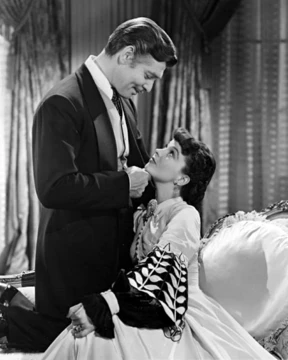
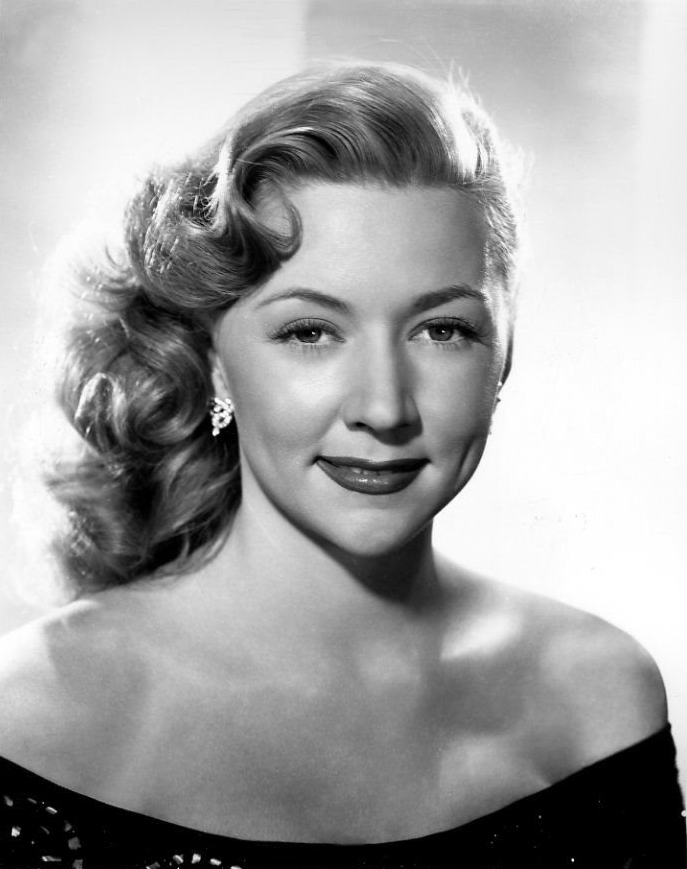
Gloria Grahame
American actress known for film noir and an Oscar-winning performance.

Unknown author · Public domain
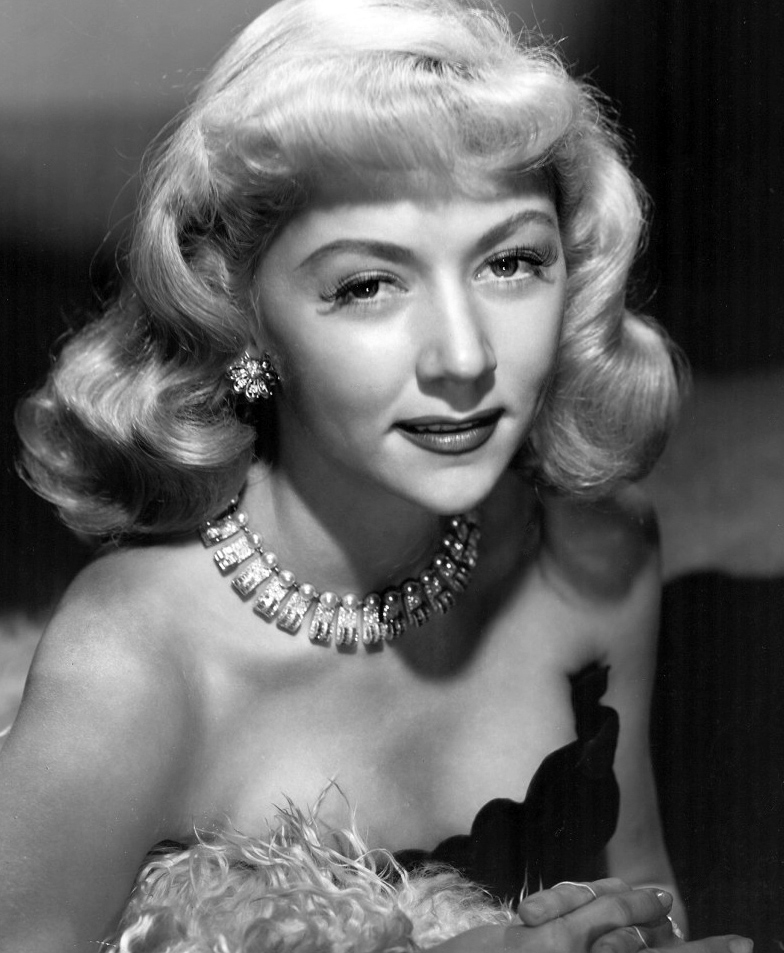
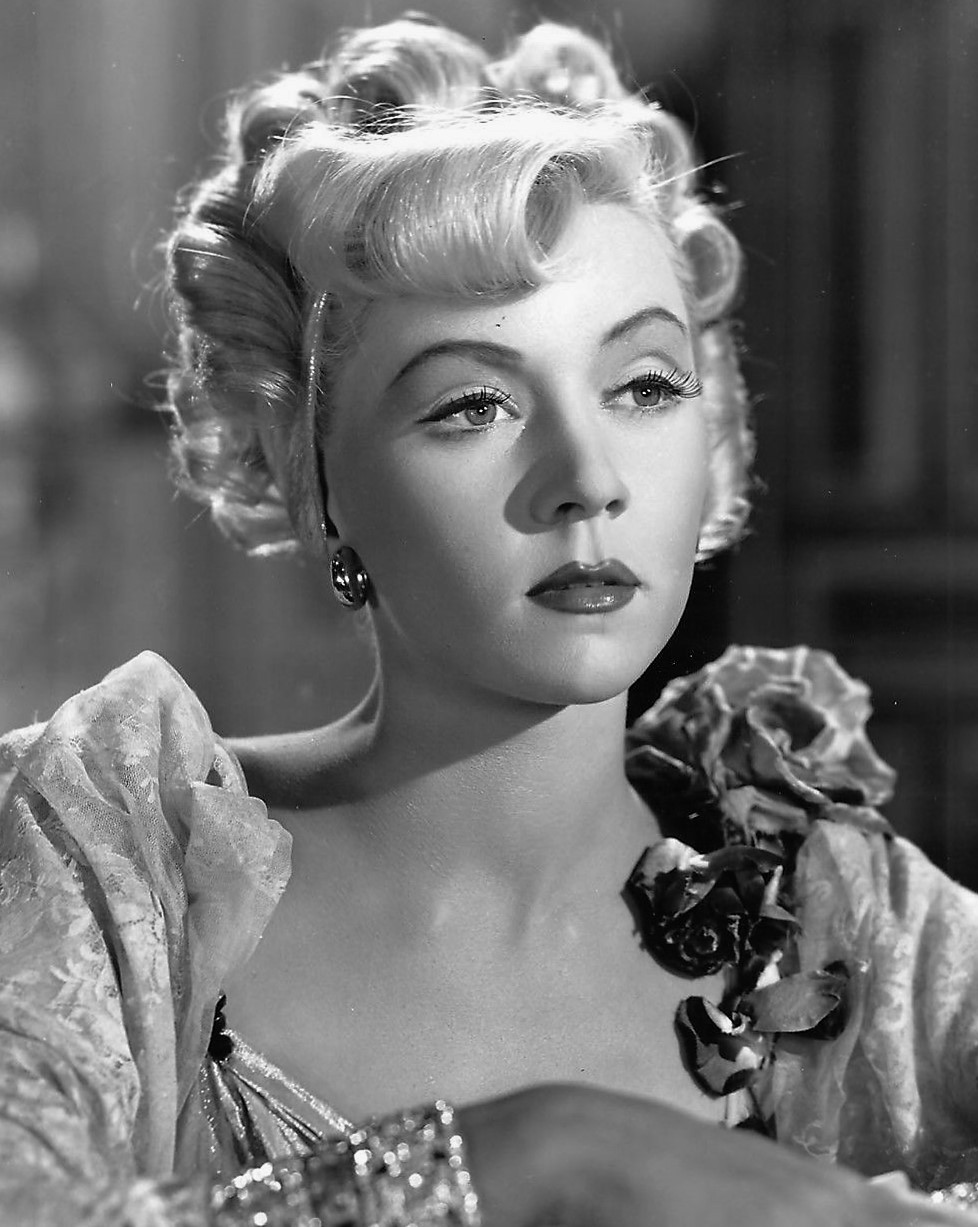
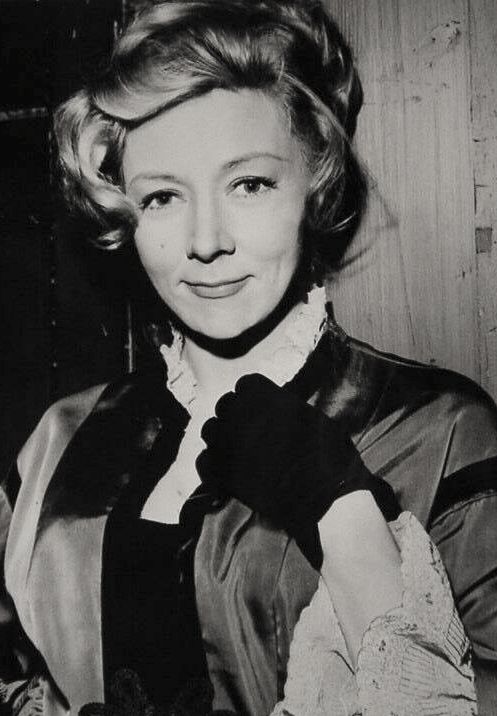
Gloria Grahame was born Gloria Grahame Hallward on November 28, 1923, and died on October 5, 1981, at age 57. She was an American actress who started out in theater before making her first film for MGM in 1944. Many biographies state her birth name as Gloria Grahame Hallward, but she took the professional name Grahame from her mother's stage name. Raised a Methodist in Los Angeles, she was the younger child of architect and author Michael Hallward and stage actress Jean Grahame (born Jean McIlwraith). Her older sister Joy was an actress who married John Mitchum, brother of Robert Mitchum. Grahame learned acting from her mother, attended Hollywood High School, and dropped out to pursue the craft.
Her early stage work included the long-running farce *Good Night, Ladies* in Chicago, opening April 12, 1942. She made her Broadway debut on December 6, 1943, at the Royale Theatre as Florrie in *The World's Full of Girls*, adapted from Thomas Bell's novel. Louis B. Mayer saw her and signed her to MGM. Her film debut was *Blonde Fever* (1944), and she earned wide praise as Violet Bick in *It's a Wonderful Life* (1946). MGM, doubting her star potential, sold her contract to RKO in 1947.
Grahame often played tarnished beauties in film noir. She earned an Oscar nomination for Best Supporting Actress for *Crossfire* (1947) and later won the award for *The Bad and the Beautiful* (1952), despite appearing on screen for just over nine minutes—a record for shortest winning performance until Beatrice Straight's five-minute role in *Network* (1976). She starred with Humphrey Bogart in *In a Lonely Place* (1950), a performance praised today but a box-office flop; RKO owner Howard Hughes never saw it. When she asked to be lent out for *Born Yesterday* and *A Place in the Sun*, Hughes refused and cast her in a supporting role in *Macao* (1952). Other notable roles include the scheming Irene Neves in *Sudden Fear* (1952), mob moll Debby Marsh in Fritz Lang's *The Big Heat* (1953)—where her character is scarred by hot coffee thrown by Lee Marvin—and the femme fatale Vicki Buckley in Lang's *Human Desire* (1954). She appeared as Harriet Lang in *Not as a Stranger* (1955) and did her own stunts as Angel the Elephant Girl in *The Greatest Show on Earth* (1952), which won the Best Picture Oscar.
- Born
- November 28, 1923
- Died
- October 5, 1981
- Field
- Actress
- Nationality
- American
- Known for
- Film noir roles; Academy Award for Best Supporting Actress for The Bad and the Beautiful
Lore & Background
Grahame was born in Los Angeles to an English father and Scottish mother, both involved in the arts. She dropped out of Hollywood High School to pursue acting, making her Broadway debut in 1943. After MGM sold her contract to RKO in 1947, she appeared in numerous film noir projects, including Crossfire (1947), In a Lonely Place (1950), and The Big Heat (1953). She won an Oscar for only nine minutes of screen time in The Bad and the Beautiful (1952).
Her personal life included four marriages, the last to Anthony Ray, her former stepson, which caused a scandal when revealed in 1962. She underwent cosmetic procedures that left her upper lip immobile. After her film career waned following Oklahoma! (1955), she returned to stage and television, appearing in series such as The Outer Limits and Mannix.
Grahame was diagnosed with breast cancer in 1974; it went into remission but returned in 1980. She continued working until her health declined, and she died on October 5, 1981, at St. Vincent's Hospital in New York City at age 57.
Reader's Guide
Gloria Grahame's significance lies in her iconic film noir roles, where she often played tarnished beauties with sexual allure. Her Oscar-winning performance in The Bad and the Beautiful, despite its brevity, demonstrated her impact. However, her career was affected by personal scandals, including her marriage to her former stepson, and her obsession with cosmetic surgery. She remains a notable figure in mid-20th-century Hollywood, remembered for her distinctive voice and screen presence.
Did You Know?
- She won the Academy Award for Best Supporting Actress for only about nine minutes of screen time in The Bad and the Beautiful.
- Her fourth husband, Anthony Ray, was the son of her second husband, Nicholas Ray, making him her former stepson.
- She did her own stunts as Angel the Elephant Girl in Cecil B. DeMille's The Greatest Show on Earth.
- She underwent electroconvulsive therapy in 1964 after a nervous breakdown.
Theatrical Roots and a Hollywood Debut
Gloria Penelope Hallward entered the world on November 28, 1923, in Los Angeles, the younger daughter of an English architect-author and a Scottish stage actress who performed under the name Jean Grahame. Raised in the Methodist faith, she grew up in a household where performance was second nature; her mother personally coached her in acting throughout childhood and adolescence. Her only sibling, Joy, also pursued the stage and would eventually marry John Mitchum, brother of Robert Mitchum. Gloria attended Hollywood High School but left before graduating to chase a career in front of an audience. Her first credited stage work came in 1942 in the long-running farce Good Night, Ladies at Chicago's Blackstone Theatre alongside Buddy Ebsen. A year later she debuted on Broadway as Florrie in Nunnally Johnson's The World's Full of Girls at the Royale Theatre, a performance that caught the eye of studio head Louis B. Mayer and led directly to her MGM contract. She followed with a role in Highland Fling in early 1944 before stepping in front of a camera for Blonde Fever, her first film.
The Noir Siren and a Record-Breaking Oscar
After a widely praised turn as the vixenish Violet Bick in It's a Wonderful Life (1946), MGM concluded they could not build a major star around her and transferred her contract to RKO in 1947. Under RKO's banner, Grahame became synonymous with the film noir genre, frequently embodying a tarnished beauty whose irresistible sexual allure drove the narrative. Crossfire (1947) earned her a Best Supporting Actress Oscar nomination, and her collaboration with Humphrey Bogart in In a Lonely Place (1950) is now regarded as one of her finest screen performances, even though it underperformed at the box office and RKO owner Howard Hughes reportedly never watched it. Hughes also blocked her from lending out for Born Yesterday and A Place in the Sun, instead assigning her a supporting part in Macao. Her crowning achievement came in The Bad and the Beautiful (1952), where barely nine minutes of screen time was enough to secure the Academy Award for Best Supporting Actress—a record for the shortest Oscar-winning performance that stood until Beatrice Straight's five-minute turn in Network in 1976.
Fading Spotlight and Later Appearances
The mid-1950s marked a turning point. Grahame's performance as an ignorant country lass in the musical Oklahoma! (1955) clashed with the tough, sensual persona audiences had come to expect, and critics questioned the casting. Compounding the issue, plastic surgery had left her upper lip paralyzed, altering both her speech and her on-screen presence. Rumors also circulated that she was difficult on set, reportedly upstaging fellow cast members and alienating her co-stars. After Oklahoma!, her leading roles dried up, and she pivoted toward supporting parts in film and television. She made guest appearances on series such as The Outer Limits, where a 1964 episode titled "The Guests" cast her as a forgotten movie star trapped in the past, as well as The Fugitive, Burke's Law, and Mannix. She also took small roles in the miniseries Rich Man, Poor Man and Seventh Avenue. On stage, she joined the 1972 revival of The Time of Your Life at Los Angeles's Huntington Hartford Theater, sharing the bill with Henry Fonda and Richard Dreyfuss under director Edwin Sherin.
Beauty Obsessions, Illness, and a Final Day
Throughout her career, Grahame wrestled with an escalating preoccupation with her physical appearance. She felt her upper lip was too thin and its ridges too deep, and she resorted to stuffing cotton or tissue beneath it to create what she considered a sexier look—a trick that several co-stars discovered during kissing scenes. By the mid-1940s she had begun undergoing small cosmetic procedures on her lips and face, a pattern that would follow her for years. In 1974 she was diagnosed with breast cancer, but the disease went into remission within a year and she resumed working. The cancer resurfaced in 1980, yet she pressed on, even traveling to the United Kingdom to perform in a play. By 1981 her condition deteriorated sharply. At her family's insistence, she returned to New York City on October 5, 1981, and that very same day she passed away at St. Vincent's Hospital, aged just 57.
Gallery
More in Golden Age Hollywood 1-24
Spotted an error? Know more?
Reader corrections go straight into our review queue. Suggest an edit · How this site is sourced