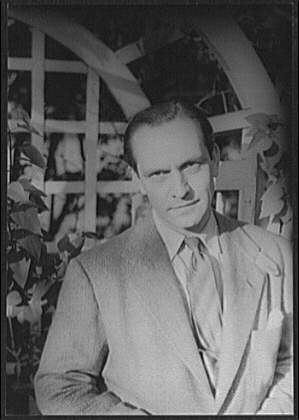
Fredric March
Versatile American actor who won two Oscars and two Tonys.

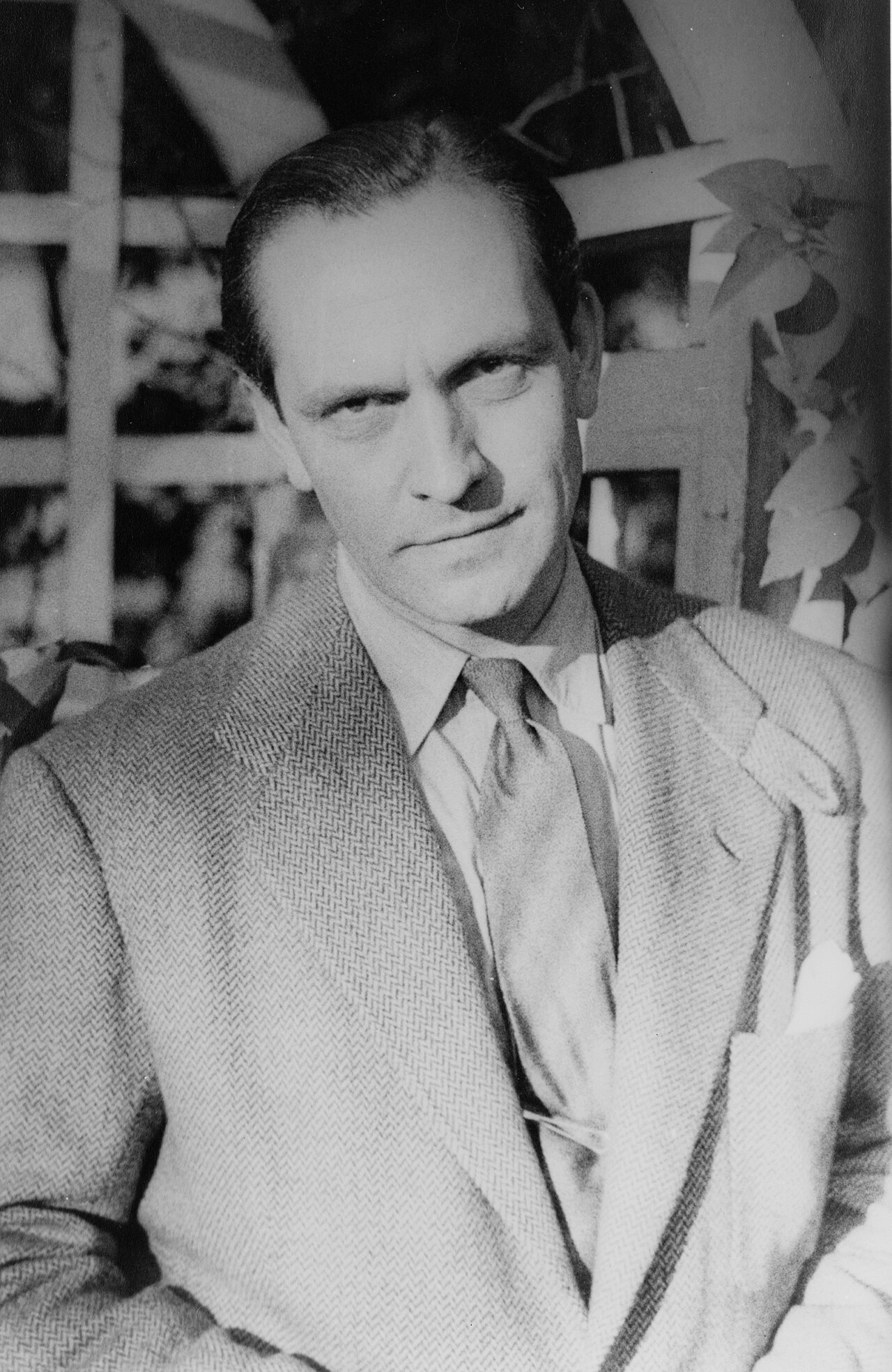
Carl Van Vechten · Public domain
Fredric March was born Ernest Frederick McIntyre Bickel on August 31, 1897, in Racine, Wisconsin. His mother, Cora Brown Marcher, was an English schoolteacher, and his father, John F. Bickel, worked in wholesale hardware and was a devout Presbyterian elder. March attended Winslow Elementary School, Racine High School, and the University of Wisconsin–Madison, where he joined the Alpha Delta Phi fraternity. During World War I, he served as an artillery lieutenant in the U.S. Army. After a brief stint as a banker, an emergency appendectomy prompted him to rethink his path. In 1920, he began working as an extra in New York City movies, using a shortened version of his mother’s maiden name. He made his Broadway debut in 1926 with *The Melody Man*, and by the decade’s end, he had signed a film contract with Paramount Pictures.
March built a reputation as one of Hollywood’s most versatile stars, particularly in the 1930s and 1940s. He won two Academy Awards for Best Actor: first for *Dr. Jekyll and Mr. Hyde* (1931), tied with Wallace Beery, and later for *The Best Years of Our Lives* (1946). He earned two additional Oscar nominations for *A Star Is Born* (1937) and *Death of a Salesman* (1951). His leading-man roles in the 1930s and early 1940s included *Honor Among Lovers*, *Merrily We Go to Hell*, *Design for Living*, *Death Takes a Holiday*, *The Barretts of Wimpole Street*, *Les Misérables*, *Anna Karenina*, *The Dark Angel*, *Anthony Adverse*, *Nothing Sacred*, and *I Married a Witch*. Later film work included *Executive Suite*, *The Bridges at Toko-Ri*, *The Desperate Hours*, *Inherit the Wind*, and *Seven Days in May*. His final film appearance was in *The Iceman Cometh* (1973).
March was equally accomplished on stage. He twice won the Tony Award for Best Actor in a Play: for Ruth Gordon’s *Years Ago* (1947) and for Eugene O’Neill’s *Long Day’s Journey into Night* (1956). He also appeared in *A Bell for Adano*, *Gideon*, and Ibsen’s *An Enemy of the People* on Broadway. He resisted long-term studio contracts, allowing him to work across multiple studios. He returned to Broadway in 1937 after a ten-year absence, and following the success of *The Skin of Our Teeth*, he balanced stage and screen work.
- Born
- August 31, 1897, Racine, Wisconsin
- Died
- April 14, 1975
- Field
- Actor
- Nationality
- American
- Known for
- Versatility; two Academy Awards for Dr. Jekyll and Mr. Hyde (1931) and The Best Years of Our Lives (1946); two Tony Awards
Lore & Background
March began his career in 1920 as an extra in movies filmed in New York City. He made his stage debut on Broadway in 1926 at age 29, and by the end of the decade signed a film contract with Paramount Pictures. He made seven pictures in 1929. He gained popularity with leading man roles in films such as Honor Among Lovers (1931), Merrily We Go to Hell (1932), Design for Living (1933), Death Takes a Holiday and The Barretts of Wimpole Street (both 1934), Les Misérables, Anna Karenina, The Dark Angel (all 1935), Anthony Adverse (1936), Nothing Sacred (1937), and I Married a Witch (1942). His later film roles include Executive Suite, The Bridges at Toko-Ri (both 1954), The Desperate Hours (1955), Inherit the Wind (1960), and Seven Days in May (1964). He made his final film appearance in The Iceman Cometh (1973).
March was also known for his stage roles; he made his Broadway debut in the play The Melody Man (1926), and during his stage career he twice won the Tony Award for Best Actor in a Play, for his performances in the Ruth Gordon play Years Ago (1947) and in Eugene O'Neill's Long Day's Journey into Night (1956). He and Helen Hayes are the only actors to have won both the Academy Award and the Tony Award twice. March served in the United States Army during World War I as an artillery lieutenant. He began a career as a banker, but an emergency appendectomy caused him to re-evaluate his life and, in 1920, he began working as an extra.
Reader's Guide
Fredric March's significance lies in his rare protean quality, allowing him to assume almost any persona convincingly, from Robert Browning to William Jennings Bryan to Dr. Jekyll or Mr. Hyde. He resisted signing long-term contracts, enabling him to play roles from a variety of studios. He returned to Broadway after a ten-year absence in 1937, and after the success of Thornton Wilder's The Skin of Our Teeth, he focused as much on Broadway as on Hollywood. His legacy includes two Academy Awards for Dr. Jekyll and Mr. Hyde (1931) and The Best Years of Our Lives (1946), and two Tony Awards. He also branched into television, earning Emmy nominations. March co-founded the Hollywood Anti-Nazi League in 1936. He appeared before a joint session of the 86th United States Congress in 1959, reading the Gettysburg Address. His final film appearance was in The Iceman Cometh (1973).
Did You Know?
- He co-founded the Hollywood Anti-Nazi League in July 1936 with Dorothy Parker, Donald Ogden Stewart, Fritz Lang, and Oscar Hammerstein.
- He turned down the role of Willy Loman in the original Broadway production of Death of a Salesman, later playing the role in the 1951 film version.
- March co-hosted the 26th Annual Academy Awards ceremony from New York City on March 25, 1954.
From Banker to Leading Man: An Unlikely Hollywood Ascent
Ernest Frederick McIntyre Bickel entered the world in Racine, Wisconsin, in 1897, the son of an English-born schoolteacher and a Presbyterian elder who ran a wholesale hardware business. After attending the University of Wisconsin–Madison and serving as an artillery lieutenant in the First World War, he settled into a banking career. A sudden emergency appendectomy forced him to reconsider his path, and in 1920 he began working as an extra on films shot in New York City, adopting a shortened version of his mother's maiden name as his professional identity. His Broadway debut came in 1926 at age twenty-nine in The Melody Man, and by the close of that decade he had secured a contract with Paramount, churning out seven pictures in 1929 alone. What set him apart from the start was a remarkably protean gift: he could convincingly inhabit virtually any character, from a Victorian poet to a political orator to a split personality. He also deliberately refused to lock himself into long-term studio deals, which let him move freely between studios and keep his range wide.
Oscar-Winning Performances and the Golden Age Leading Man
March's film career reached its first peak with Dr. Jekyll and Mr. Hyde (1931), a role that earned him the Best Actor Oscar at the fifth Academy Awards. The win was technically a tie with Wallace Beery for The Champ, though March ultimately edged out his competitor by a single vote. That triumph launched a string of leading-man vehicles drawn from stage hits and literary classics: Design for Living alongside Gary Cooper and Miriam Hopkins, Les Misérables opposite Charles Laughton, Anna Karenina with Greta Garbo, and Anthony Adverse with Olivia de Havilland. He also originated the role of Norman Maine in the 1937 A Star is Born, earning a third Oscar nomination. His second Academy Award came fifteen years later for The Best Years of Our Lives (1946). Beyond the award winners, his filmography spans remarkable breadth: the romantic I Married a Witch, the thriller The Desperate Hours (where Spencer Tracy's withdrawal opened the part), the courtroom drama Inherit the Wind, and the political thriller Seven Days in May. His final screen appearance came in The Iceman Cometh in 1973, more than fifty years after his first extra work.
The Stage: A Career That Spanned Two Worlds
Although Hollywood made him a household name, March never abandoned the theater. After his 1926 Broadway debut, he returned to the stage in 1937 with Yr. Obedient Husband, a notable flop, but a subsequent triumph in Thornton Wilder's The Skin of Our Teeth reinvigorated his commitment to live performance. He went on to win the Tony Award for Best Actor twice: first for Ruth Gordon's Years Ago in 1947, and then for his portrayal of James Tyrone in the original Broadway production of Eugene O'Neill's Long Day's Journey into Night in 1956. He and Helen Hayes remain the only performers in history to have collected both the Academy Award and the Tony Award on two separate occasions. Other significant stage credits include A Bell for Adano, Ibsen's An Enemy of the People, and Gideon. Perhaps his most painful theatrical decision came with Arthur Miller's Death of a Salesman: Miller, a Connecticut neighbor, had hoped March would originate Willy Loman, but March read the script and declined. He later regretted the choice and eventually played the role in the 1951 film adaptation, earning a fifth Oscar nomination and a Golden Globe.
Later Years, Television, and a Lasting Legacy
By the 1950s and 1960s, March had expanded into television, drawing Emmy nominations for his work on The Best of Broadway (a third attempt at The Royal Family), as well as for performances as Samuel Dodsworth and Ebenezer Scrooge. In 1954 he co-hosted the 26th Academy Awards ceremony from New York alongside Donald O'Connor in Los Angeles. That same year, George Eastman House honored him with its award for distinguished contribution to the art of film. On February 12, 1959, he appeared before a joint session of the 86th Congress to read the Gettysburg Address, marking the 150th anniversary of Lincoln's birth. His later film work included Executive Suite, The Bridges at Toko-Ri, and Inherit the Wind, in which he played a dramatized version of a real-life legal figure opposite Spencer Tracy. He passed away on April 14, 1975, leaving behind a body of work that included two Academy Awards, a Golden Globe, two Tony Awards, two Volpi Cups, a Silver Bear, three BAFTA nominations, and three Emmy nominations—a testament to a career that never settled into a single genre or medium.
Gallery
More in Golden Age Hollywood 1-24
Spotted an error? Know more?
Reader corrections go straight into our review queue. Suggest an edit · How this site is sourced