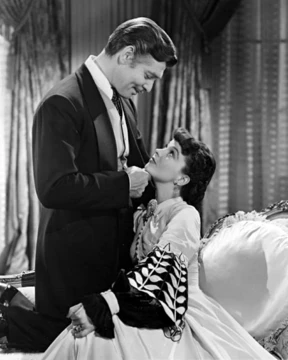
Joan Crawford
American actress who rose from dancer to Oscar-winning Hollywood star.

Joan Crawford (born Lucille Fay LeSueur; March 23, 1904–1908 – May 10, 1977) was an American actress who rose from a dancer in traveling theatrical companies to become one of Hollywood's most prominent movie stars. She is best known for her rags-to-riches film roles during the Great Depression and for winning the Academy Award for Best Actress for her comeback role in Mildred Pierce (1945).
- Known for
- Academy Award for Best Actress (Mildred Pierce); rags-to-riches film roles; Pepsi-Cola board member
Lore & Background
Joan Crawford began her career as a dancer in traveling revues before debuting on Broadway. She signed with Metro-Goldwyn-Mayer in 1925 and, frustrated by small roles, launched a publicity campaign that built her image as a nationally known flapper by the end of the 1920s. By the 1930s, her fame rivaled MGM colleagues Norma Shearer and Greta Garbo, and she often played hardworking young women who find romance and financial success—stories popular with Depression-era audiences. However, her films began losing money, and by the end of the 1930s she was labeled 'box office poison'.
After an absence of nearly two years from the screen, Crawford staged a comeback by starring in Mildred Pierce (1945), for which she won the Academy Award for Best Actress. In 1955, she became involved with the Pepsi-Cola Company through her marriage to company president Alfred Steele. After his death in 1959, she was appointed to fill his vacancy on the board of directors, retiring in 1973. She continued acting in film and television through the 1960s, retiring after the horror film Trog (1970). She withdrew from public life and became increasingly reclusive until her death in 1977.
Crawford married four times; her first three marriages ended in divorce, and the last ended with the death of husband Al Steele. She adopted four children. Her relationships with her two older children, Christina and Christopher, were acrimonious; she disinherited them, and after her death Christina published the tell-all memoir Mommie Dearest.
Reader's Guide
Joan Crawford's significance lies in her transformation from a struggling dancer to a top Hollywood star through self-promotion and resilience. Her rags-to-riches film roles resonated deeply with Depression-era audiences, making her one of the highest-paid women in the United States. Despite being labeled 'box office poison' in the late 1930s, she engineered a celebrated comeback with Mildred Pierce, winning an Academy Award. Beyond acting, she became a businesswoman as a Pepsi-Cola board member after her husband's death. Her legacy is complex: she is remembered both for her professional achievements and for the acrimonious family relationships detailed in her daughter's memoir. Crawford's career illustrates the power of personal branding and reinvention in Hollywood, as well as the challenges of maintaining stardom amid changing audience tastes.
Did You Know?
- Crawford's birth year is uncertain; the article gives it as 'March 23, 1904–1908'.
- She was named one of 1926's WAMPAS Baby Stars alongside Mary Astor, Dolores del Río, Janet Gaynor, and Fay Wray.
- After her death, her daughter Christina published the tell-all memoir Mommie Dearest.
- Crawford was appointed to the Pepsi-Cola board of directors after her husband Alfred Steele's death in 1959.
More in Golden Age Hollywood 1-24
Spotted an error? Know more?
Reader corrections go straight into our review queue. Suggest an edit · How this site is sourced