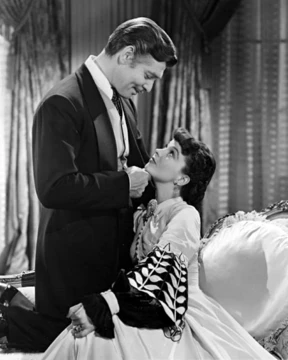
Jean Harlow
American actress and leading sex symbol of the early 1930s.

Jean Harlow, born Harlean Harlow Carpenter on March 3, 1911, in Kansas City, Missouri, spent only nine years in film but became one of Hollywood’s most enduring stars. She was the top sex symbol of the early 1930s and a key figure in pre-Code cinema, famous for playing “bad girl” roles. Nicknamed the “Blonde Bombshell” and the “Platinum Blonde,” her “Laughing Vamp” persona made her a household name. In 1999, the American Film Institute placed her 22nd on its list of greatest female screen legends.
Her career began when Howard Hughes signed her and gave her a major role in *Hell’s Angels* (1930). After a string of flops and Hughes losing interest, Metro-Goldwyn-Mayer bought her contract in 1932. MGM then cast her in hit comedies like *Red-Headed Woman* (1932), *Red Dust* (1932), *Dinner at Eight* (1933), *Reckless* (1935), and *Suzy* (1936). Her popularity placed her among MGM’s top stars, though she never surpassed Joan Crawford or Greta Garbo in overall box-office standing. Harlow died at age 26 from kidney failure while filming *Saratoga*. MGM finished the movie with body doubles and released it less than two months later; it became a major hit, though not the highest-grossing film of 1937 nor the biggest hit of her career.
- Born
- March 3, 1911
- Died
- June 7, 1937
- Field
- Actress
- Nationality
- American
- Known for
- Portrayal of "bad girl" characters; leading sex symbol of the early 1930s; "Laughing Vamp" screen persona
Lore & Background
Harlow was born Harlean Harlow Carpenter in Kansas City, Missouri. Her mother, Jean Poe Carpenter, was extremely protective and later known as "Mama Jean" after Harlow achieved star status. After her parents divorced in 1922, Harlow moved to Hollywood with her mother, who hoped to become an actress but was told she was too old. Harlow attended the Hollywood School for Girls but dropped out at age 14. She later attended Ferry Hall School in Lake Forest, Illinois, near the Chicago home of her mother's boyfriend.
In 1928, Harlow married Charles "Chuck" Fremont McGrew III, an heir to a large fortune. The couple moved to Los Angeles, where Harlow thrived as a wealthy socialite. After a friend bet her she lacked the nerve to audition, Harlow signed in at Central Casting under her mother's maiden name, Jean Harlow. She appeared as an unbilled extra in her first film, Honor Bound (1928), and later signed a five-year contract with Hal Roach Studios. In 1929, she separated from her husband, who disapproved of her career, and the marriage ended in divorce.
In late 1929, Harlow was spotted by actor Ben Lyon (or head cameraman Arthur Landau, accounts differ) and screen-tested for Howard Hughes' Hell's Angels. She was cast to replace Greta Nissen, whose Norwegian accent was undesirable. Hell's Angels (1930) became the highest-grossing film of that year and made Harlow an international star. After a series of critically failed films and Hughes' loss of interest, Metro-Goldwyn-Mayer bought out her contract in 1932 and cast her in leading roles in hits such as Red-Headed Woman (1932), Red Dust (1932), Dinner at Eight (1933), Reckless (1935), and Suzy (1936). Harlow's popularity rivaled and then surpassed that of MGM's top leading ladies Joan Crawford, Greta Garbo, and Norma Shearer.
Reader's Guide
Jean Harlow's significance lies in her brief but impactful career as a defining sex symbol of the pre-Code era. Her "Laughing Vamp" persona and comedic talent helped MGM produce a string of hits after 1932, elevating her above the studio's established leading ladies. Harlow's image as the "Blonde Bombshell" and "Platinum Blonde" has endured in the public eye long after her death. Her legacy is cemented by the American Film Institute ranking her number 22 on its greatest female screen legends list in 1999. Harlow died at age 26 of kidney failure while filming Saratoga; MGM completed the film using body doubles, and it became the highest-grossing film of 1937 and the highest-grossing of her career. Her nine-year film career, though short, left a lasting imprint on Hollywood and popular culture.
More in Golden Age Hollywood 1-24
Spotted an error? Know more?
Reader corrections go straight into our review queue. Suggest an edit · How this site is sourced