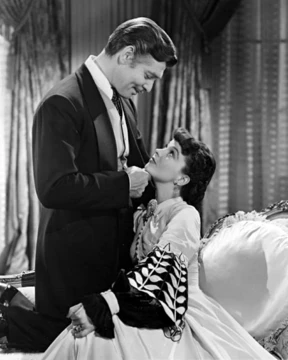
James Dean
American actor whose brief career defined 1950s rebellion.

James Byron Dean (February 8, 1931 – September 30, 1955) was an American actor whose career lasted only five years. He became one of the most influential figures in Hollywood in the 1950s, appearing in just three major films: Rebel Without a Cause (1955), East of Eden (1955), and Giant (1956). His impact on cinema and popular culture was profound, and he left a lasting symbol of rebellion, youthful defiance, and the restless spirit after his death in a car accident at age 24.
- Known for
- Three major films: Rebel Without a Cause, East of Eden, Giant; posthumous Academy Award nominations
Lore & Background
James Dean was born the only child of Mildred Marie Wilson and Winton Dean. After his mother died of uterine cancer when he was nine, he was sent to live with his aunt and uncle on a farm in Fairmount, Indiana, where he was raised in a Quaker household. During adolescence, he sought guidance from a local Methodist pastor, the Rev. James DeWeerd; several biographers alleged a sexual relationship began in Dean's senior year, though these claims have been disputed. Dean graduated from Fairmount High School in May 1949, then returned to California, enrolling at Santa Monica College and later UCLA, where he changed his major to theater arts. He left UCLA in January 1951 to pursue acting full-time.
Dean made his television debut in a 1950 Pepsi commercial and received his first speaking role as John the Apostle in Hill Number One. He appeared in bit parts in films such as Fixed Bayonets! (1951), Sailor Beware (1952), and Has Anybody Seen My Gal (1952). After moving to New York City in October 1951, he gained admission to the Actors Studio, studying method acting under Lee Strasberg. His career accelerated with television appearances and a 1954 stage performance in The Immoralist, which led to a call from director Elia Kazan. Kazan cast Dean as Cal Trask in East of Eden (1955), a role that showcased his intense emotional range.
Reader's Guide
James Dean's significance lies in his enduring cultural impact despite a career that spanned only five years and three major films. His portrayal of a disillusioned teenager in Rebel Without a Cause (1955) and his emotionally charged performance in East of Eden (1955) captured the spirit of 1950s youth, while his role in Giant (1956) demonstrated his range. All three films have been preserved in the United States National Film Registry for their cultural, historical, or aesthetic significance. Dean became the first actor to receive a posthumous Academy Award nomination for Best Actor for East of Eden, and the following year he earned a second posthumous nomination for Giant, making him the only actor to receive two posthumous acting nominations. In 1999, the American Film Institute ranked him 18th on its list of greatest male film stars from Golden Age Hollywood. Time magazine recognized him in 2012 as one of the 'All-Time Most Influential Fashion Icons.' His film roles and style helped shape American pop culture and define rebellious, countercultural attitudes for generations.
Did You Know?
- Dean was not the first actor to receive a posthumous Academy Award nomination for Best Actor; Jeanne Eagels and Spencer Tracy preceded him.
- He is not the only actor to receive two posthumous acting nominations; Peter Finch and others have also achieved this.
- Only two of his three major films—Rebel Without a Cause and East of Eden—are preserved in the United States National Film Registry; Giant has not been inducted.
- Time magazine named him one of the 'All-Time Most Influential Fashion Icons' in 2012.
More in Golden Age Hollywood 1-24
Spotted an error? Know more?
Reader corrections go straight into our review queue. Suggest an edit · How this site is sourced