Spoon
A utensil with a bowl and handle for eating and serving.

Wikimedia Commons · CC0
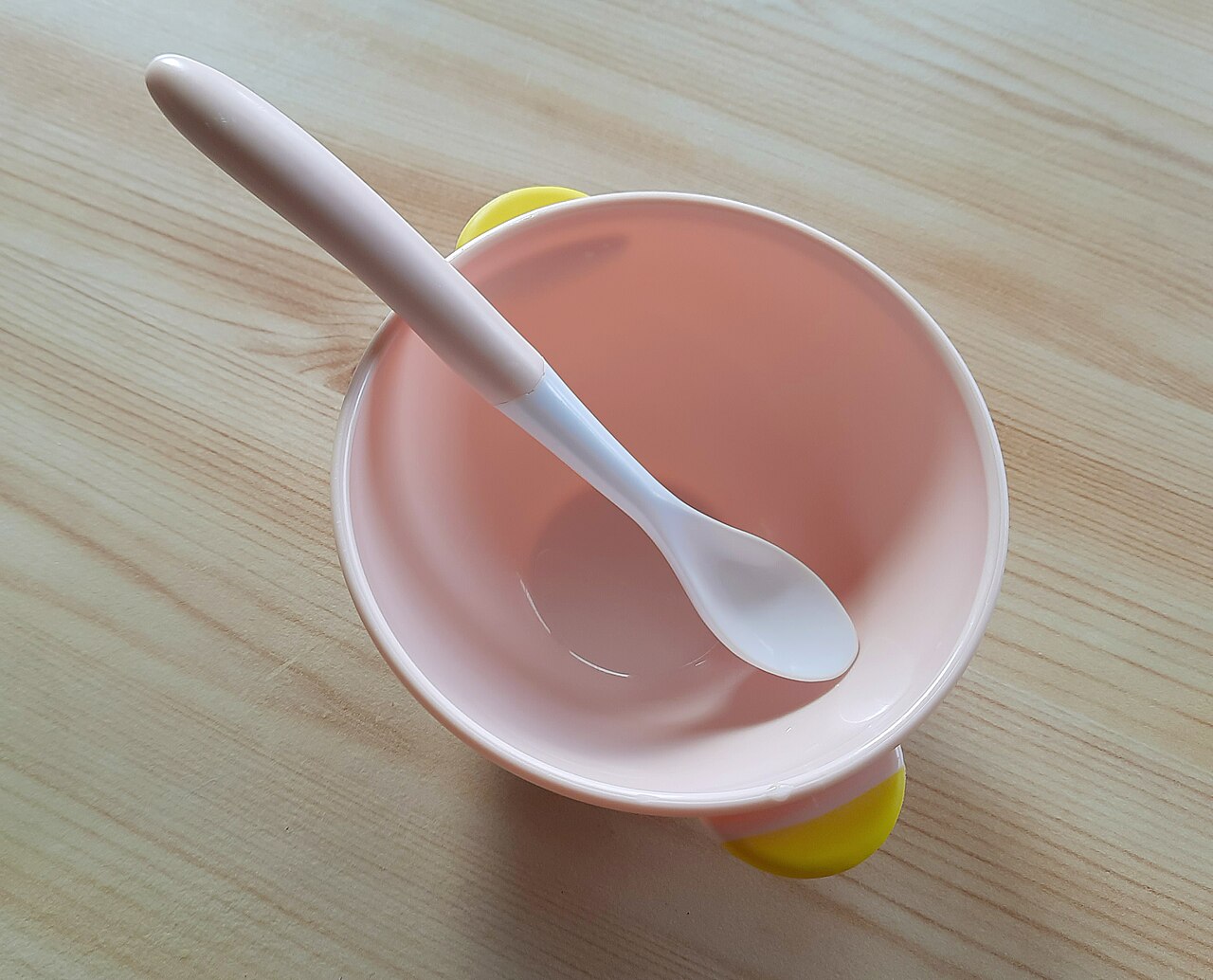
A spoon is a utensil consisting of a shallow bowl at the end of a handle, used primarily for eating, food preparation, and serving. Present day spoons are made from metal, wood, porcelain, or plastic, and have been produced in many forms by different cultures throughout history.
- earliest_known_use
- Ancient Egypt (ivory, flint, slate, wood)
- oldest_surviving_item
- Coronation Spoon (12th century)
- etymology
- Old English spon, 'chip'
- common_materials
- Stainless steel, silver, wood, porcelain, plastic
- primary_use
- Transferring food to the mouth
Lore & Background
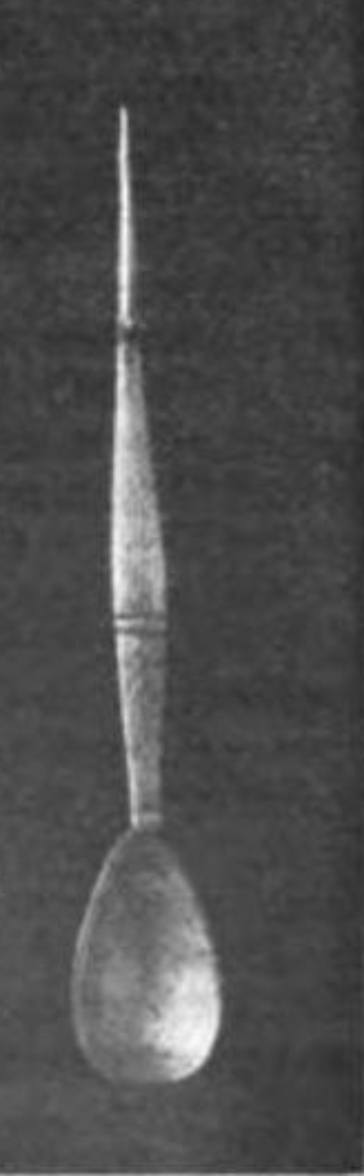
Preserved examples of spoons used by the ancient Egyptians include those made of ivory, flint, slate, and wood, many carved with religious symbols. During the Neolithic Ozieri civilization in Sardinia, ceramic ladles and spoons were already in use. In Shang dynasty China, spoons were made of bone, and early bronze spoons were designed with a sharp point, possibly used as cutlery. The spoons of the Greeks and Romans were chiefly made of bronze and silver, with handles often taking the form of a spike or pointed stem. The ancient Greeks called the spoon mystron and also used pieces of bread scooped out in the shape of a spoon, called mystile.
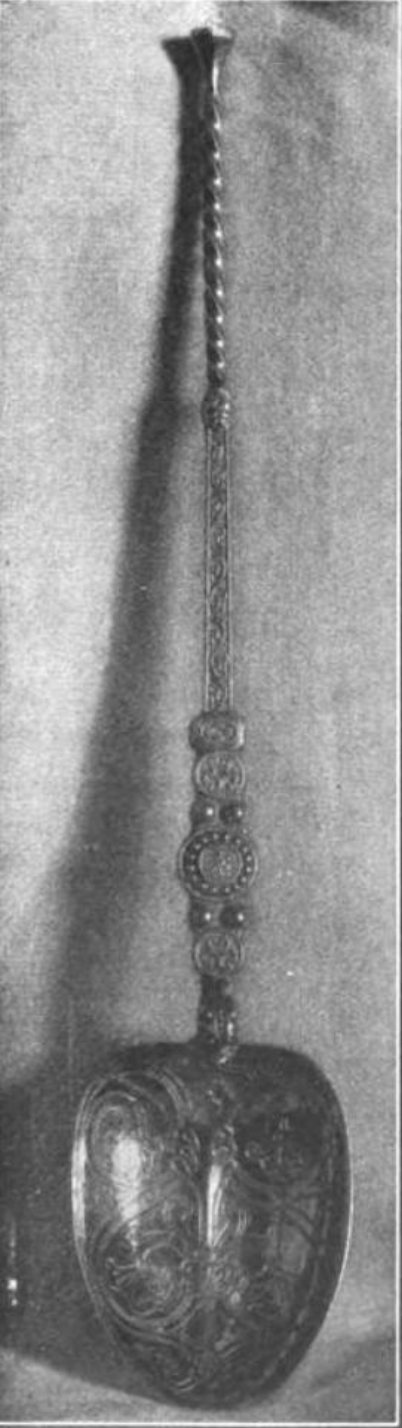
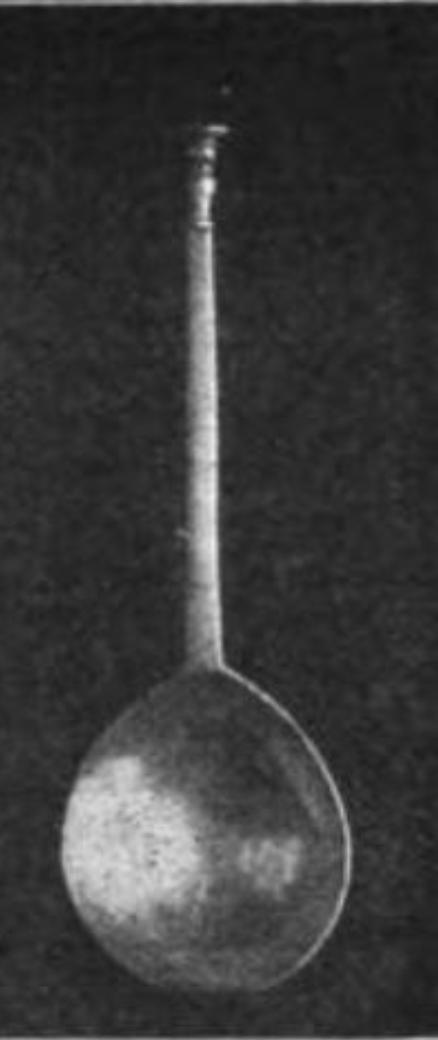
A 2024 study identified 241 small, spoon-shaped objects at 116 archaeological sites across Scandinavia, Germany, and Poland, dating back to the Roman era. These objects, often found in marshes and graves alongside warfare items, were likely used to administer drugs, especially stimulants, before battles. In the early Muslim world, spoons were used for eating soup. Medieval domestic spoons were commonly made of cow horn or wood, but brass, pewter, and latten spoons were common by the 15th century. The earliest English reference appears in a will of 1259. The Coronation Spoon, used in the anointing of English and later British sovereigns, is a 12th-century object and the oldest surviving item in the British royal regalia.
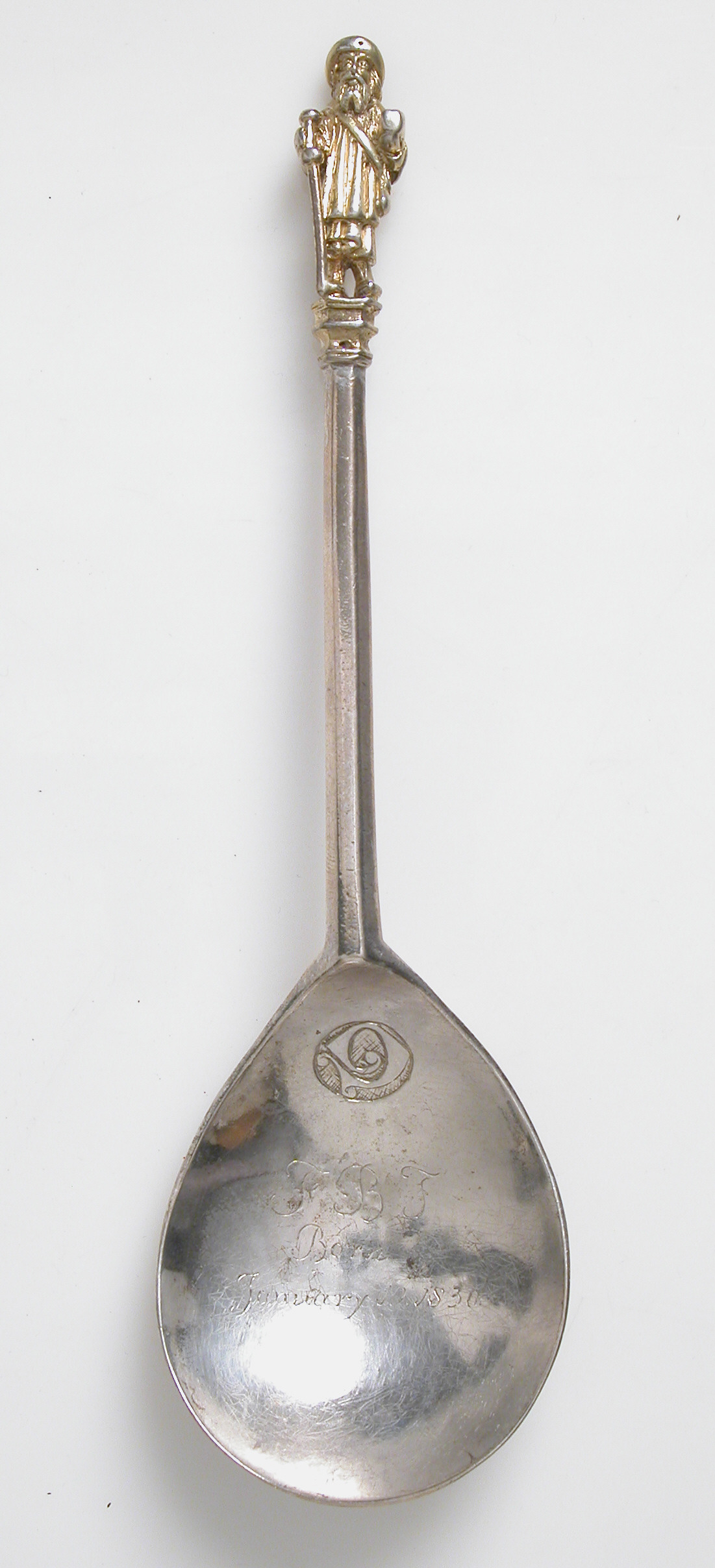
Sets of Apostle Spoons, popular as christening presents in Tudor times, have handles terminating in heads or busts of the apostles. Earlier English spoon-handles ended in an acorn, plain knob, or diamond; by the end of the 16th century, the baluster and seal ending became common. During the Restoration, the handle became broad and flat, the bowl broad and oval, with a termination cut into the shape known as the hind's foot. In the first quarter of the 18th century, the bowl became narrow and elliptical with a tongue or rat's tail down the back, and the handle turned up at the end. The modern form, with the tip of the bowl narrower than the base and the rounded end of the handle turned down, came into use about 1760.
Reader's Guide
The spoon is a fundamental utensil in human history, appearing across cultures and eras in diverse materials and forms. Its significance lies in its universal role in eating, cooking, and serving, as well as its symbolic and ceremonial uses. From ancient Egyptian religious carvings to the medieval Coronation Spoon, spoons have been objects of both practical utility and cultural value. The 2024 study of Roman-era spoon-shaped objects suggests they may have been used for administering stimulants in warfare, highlighting the spoon's role beyond mere eating. The evolution of spoon design—from sharp-pointed Chinese bronze spoons to the modern turned-down handle—reflects changing aesthetics and functional needs. The expression 'born with a silver spoon in his mouth' underscores the spoon's association with privilege, stemming from the medieval custom of gifting baptismal spoons. Spoons also serve as standard units of measure in cooking (teaspoon, tablespoon) and as decorative souvenirs. Their manufacture, whether by machine or traditional hand forging, demonstrates ongoing craftsmanship. The spoon's legacy endures as an everyday object that bridges the practical and the symbolic, from the kitchen to the royal regalia.
Did You Know?
- The name 'spoon' comes from Old English 'spon', meaning 'chip'.
- The Coronation Spoon, used in the anointing of British sovereigns, is a 12th-century object and the oldest surviving item in the British royal regalia.
- A 2024 study identified 241 small, spoon-shaped objects at 116 archaeological sites across Scandinavia, Germany, and Poland, likely used to administer drugs before battles.
- The expression 'born with a silver spoon in his mouth' is often said to refer to wealth and privilege, though its exact origin is unsubstantiated and not widely accepted as fact.
Origins in the Volga Forests
The Khokhloma painting tradition traces its roots to the dense timberlands of the Volga region, specifically the village of Khokhloma in Koverninsky District, Nizhny Novgorod Oblast. The area's extraordinary abundance of soft wood had long encouraged local villagers to carve household goods, gable decorations, and gate carvings for peasant cottages. However, the distinctive painted style that bears the village's name only crystallized in the second half of the seventeenth century. A pivotal moment came when Old Believers, fleeing religious persecution, sought shelter in these very forests. Among the displaced community were icon-painters who shared with local woodworkers a remarkable method: rendering a golden sheen on wood without using any actual gold leaf. This knowledge merged with existing regional skills in tableware production to birth a new artistic identity. The earliest documented reference to Khokhloma wares appears in 1659, when a boyar named Morozov wrote to his bailiff requesting one hundred painted dishes polished with powdered tin, along with sixty wine bowls of varying sizes. Though other wood-painting traditions and birch carvings flourished across the Volga region, Khokhloma would come to define the area's artistic reputation.
The Illusion of Gold
Khokhloma's visual identity rests on a triad of red, black, and a lustrous gold that is, in truth, an elaborate illusion. The process begins with coating the wooden piece in drying oil, then dusting it with powdered aluminum, though earlier artisans experimented with other metals. Heat-resistant oil paints are applied over this metallic base, and the finished work is sealed with varnish before entering a kiln. As the varnish heats, it shifts to a warm yellow-gold tint, lending the tableware and furniture a deceptively heavy, metallic presence. Two principal painting techniques define the style. In the superficial approach, red and black motifs are layered over the golden ground, while the background method reverses the hierarchy, placing a goldish silhouette against a colored field. The imagery itself is characterized by flowing, curved linear forms: clusters of small flowers, berries, grasses, and leafy tendrils. The Firebird, a beloved figure from Russian fairytales, frequently takes center stage. These compositions adorned practical household objects like saltcellars, often carved into duck shapes with sliding lids on their backs, and oval breadboxes whose broad surfaces invited expansive painted scenes of firebirds, fish, and other creatures.
From Persian Markets to Parisian Salons
Khokhloma's story is one of remarkable geographic reach followed by a period of serious vulnerability. In its earliest commercial phase, the painted wares traveled far beyond the Volga forests, reaching markets in India and Persia, where the style gained recognition across the Orient. Western audiences first encountered Khokhloma through an exhibition in Paris at the close of the nineteenth century, an event that introduced the distinctive red-black-gold aesthetic to European connoisseurs. Yet the very forces of modernization that spread the style also threatened its survival. By the late 1800s and into the early 1900s, the proliferation of industrial factories and mass-produced goods dramatically reduced both the demand and the economic necessity for hand-painted folk wares. Two pressures proved especially damaging: the steadily rising cost of timber, which made raw materials harder to source affordably, and direct competition from factory-made products that could flood markets at lower prices. The combination of these economic headwinds caused a significant contraction in folk art production across the region, placing the Khokhloma tradition on the brink of fading into obscurity.
Soviet Revival and Living Heritage
The twentieth century brought Khokhloma back from the edge of extinction through deliberate institutional support. In the 1920s and early 1930s, individual craftsmen organized themselves into artels, collective workshops that preserved and expanded the repertoire of designs now recognized as quintessentially Khokhloma. This period saw artisans push further into creative experimentation with motifs and compositions. The 1960s marked a structural turning point: the Soviet government established the Khokhloma Painter factory near the original village and the Khokhloma Painting industrial association in the town of Semyonov. Together, these two production centers became the official heart of Russian Khokhloma manufacturing, churning out tableware, utensils, predominantly spoons, furniture, and souvenirs for domestic and international audiences. The craft's cultural significance was cemented in 1972 when the Khokhloma Museum opened within the Semyonov factory, displaying extraordinary pieces including a spoon measuring 2 meters and 67 centimeters and a bowl spanning a meter and a half. In 2008, the Golden Khokhloma museum and cultural center welcomed the public, offering visitors an immersive encounter with the tradition and a 3D virtual tour accessible online.
Gallery
Frequently Asked Questions
What is a spoon?
A spoon is a handheld utensil featuring a shallow bowl attached to a handle, designed primarily for transferring food to the mouth. It also plays a role in food preparation and serving.
Where did spoons first appear in history?
The earliest known spoons trace back to Ancient Egypt, where they were fashioned from materials like ivory, flint, slate, and wood.
What is the oldest surviving spoon?
The Coronation Spoon, dating to the 12th century, is recognized as the oldest known spoon still in existence.
What materials are spoons commonly made from today?
Modern spoons are typically manufactured from stainless steel, silver, wood, porcelain, or plastic, depending on the intended use and cultural tradition.
Where does the word 'spoon' come from?
The term derives from the Old English word 'spon,' which literally means 'chip.'
More in Furniture & Household Items 1-24
Spotted an error? Know more?
This is a living reference — every entry is fact-audited, and reader corrections feed straight into our audit queue. Suggest an edit · See this site's audit record