Salt and pepper shakers
Condiment dispensers for salt and pepper, often collected as art.

Christopher Forster · CC BY-SA 3.0
Salt and pepper shakers, also known as salt and pepper pots, are condiment dispensers used in European cuisine. They allow diners to distribute grains of edible salt and ground peppercorns. In British English, a salt shaker may also be called a salt cellar. These shakers are sometimes held in a cruet-stand.
- related_invention
- John Landis Mason invented the Mason jar for canning, not specifically for salt and pepper shakers.
Lore & Background
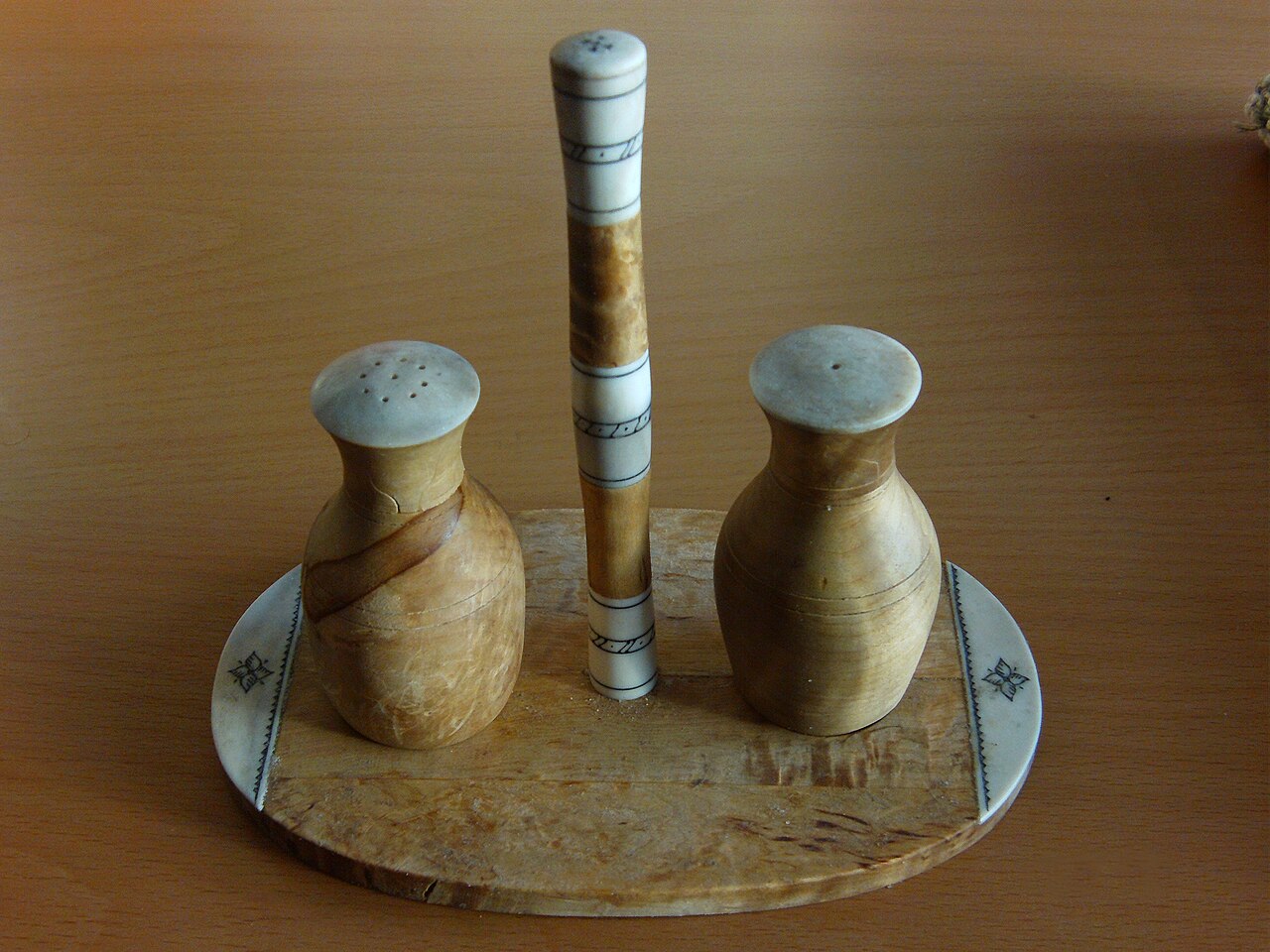
Salt and pepper shakers can be made from a variety of materials, including plastic, glass, metal, and ceramic. Early cruet-stands included three shakers: one each for salt and pepper, and a third whose exact purpose is debated and not definitively established. Over time this third shaker declined from prominence.
Reader's Guide
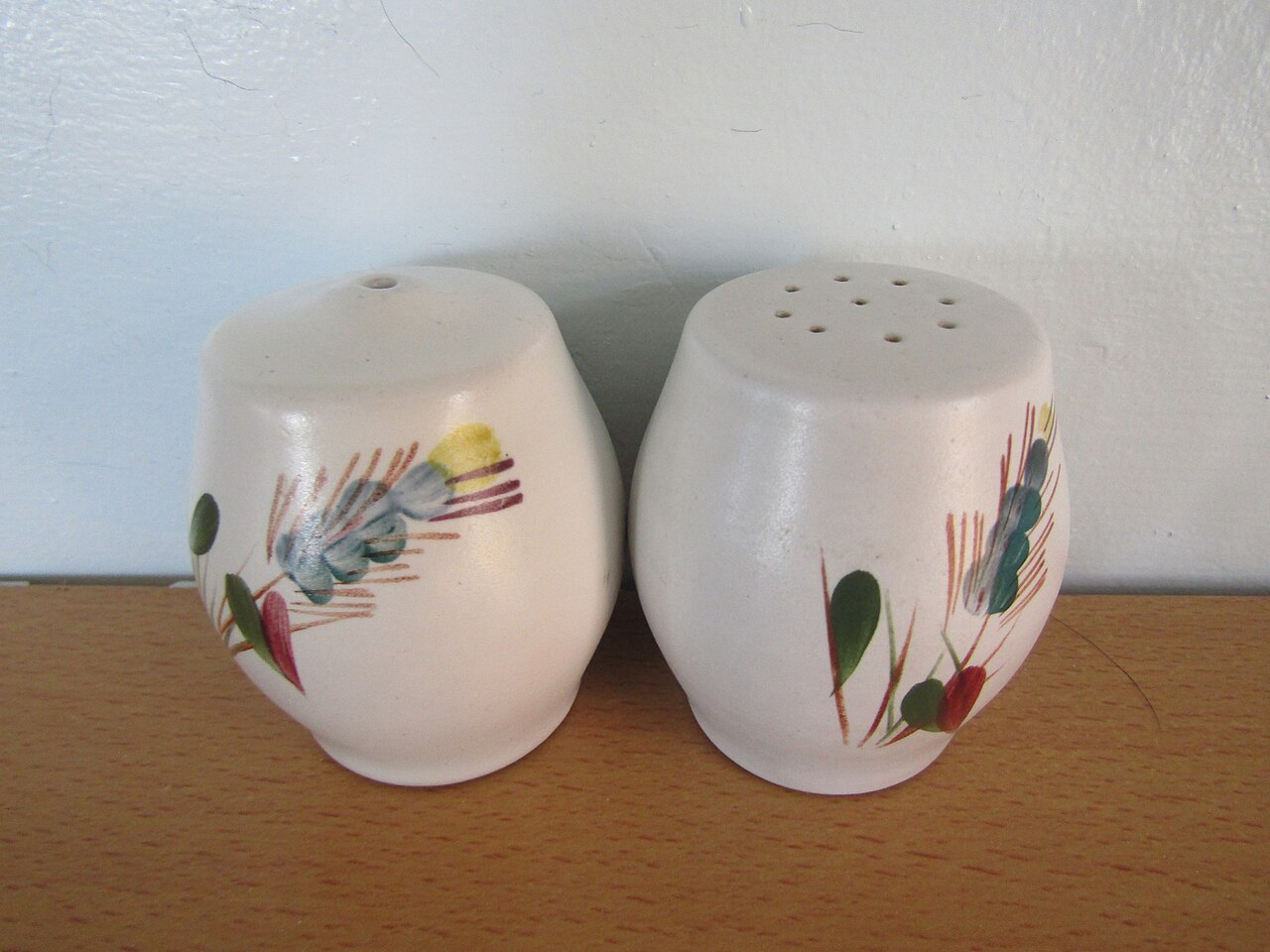
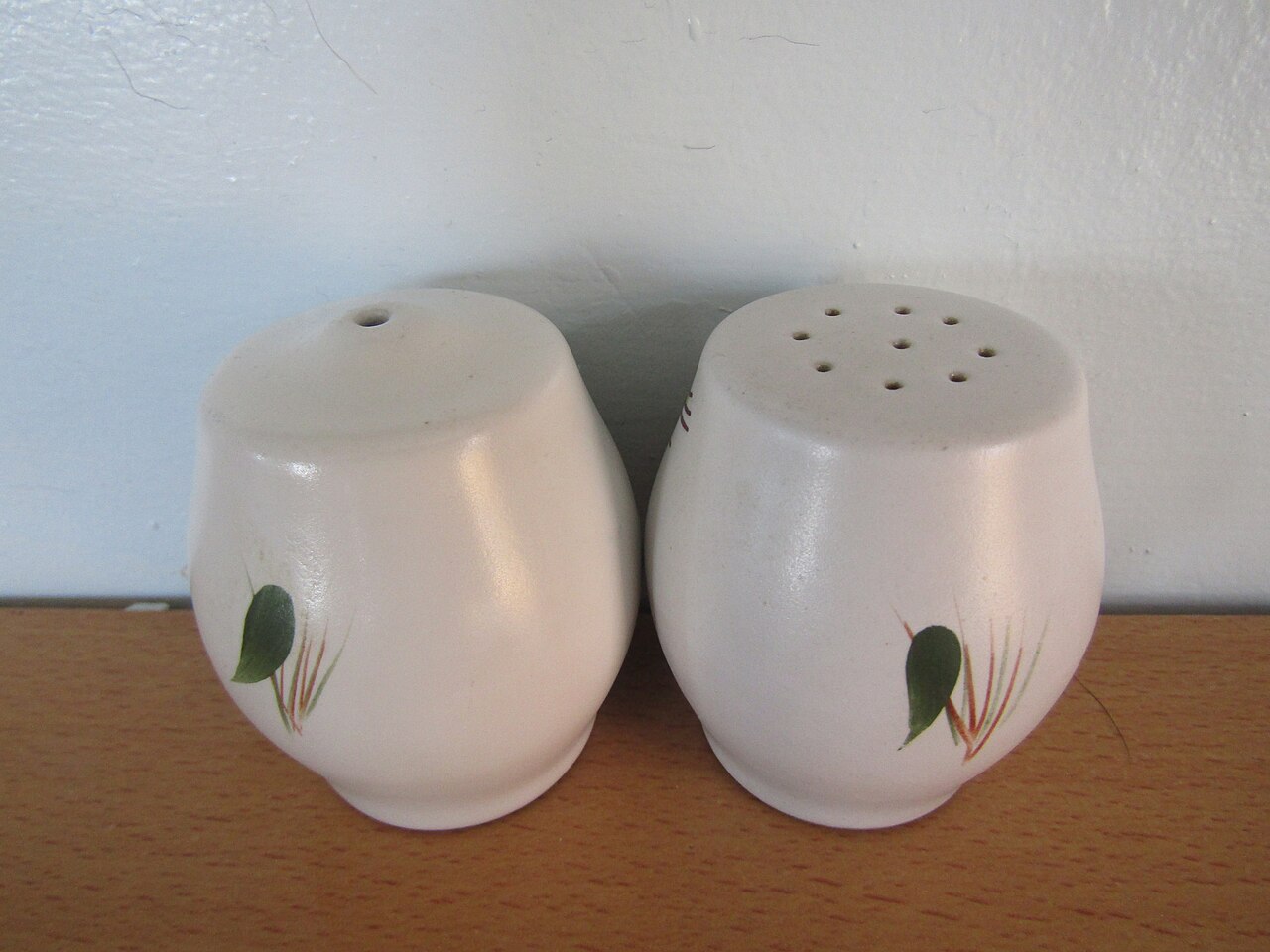
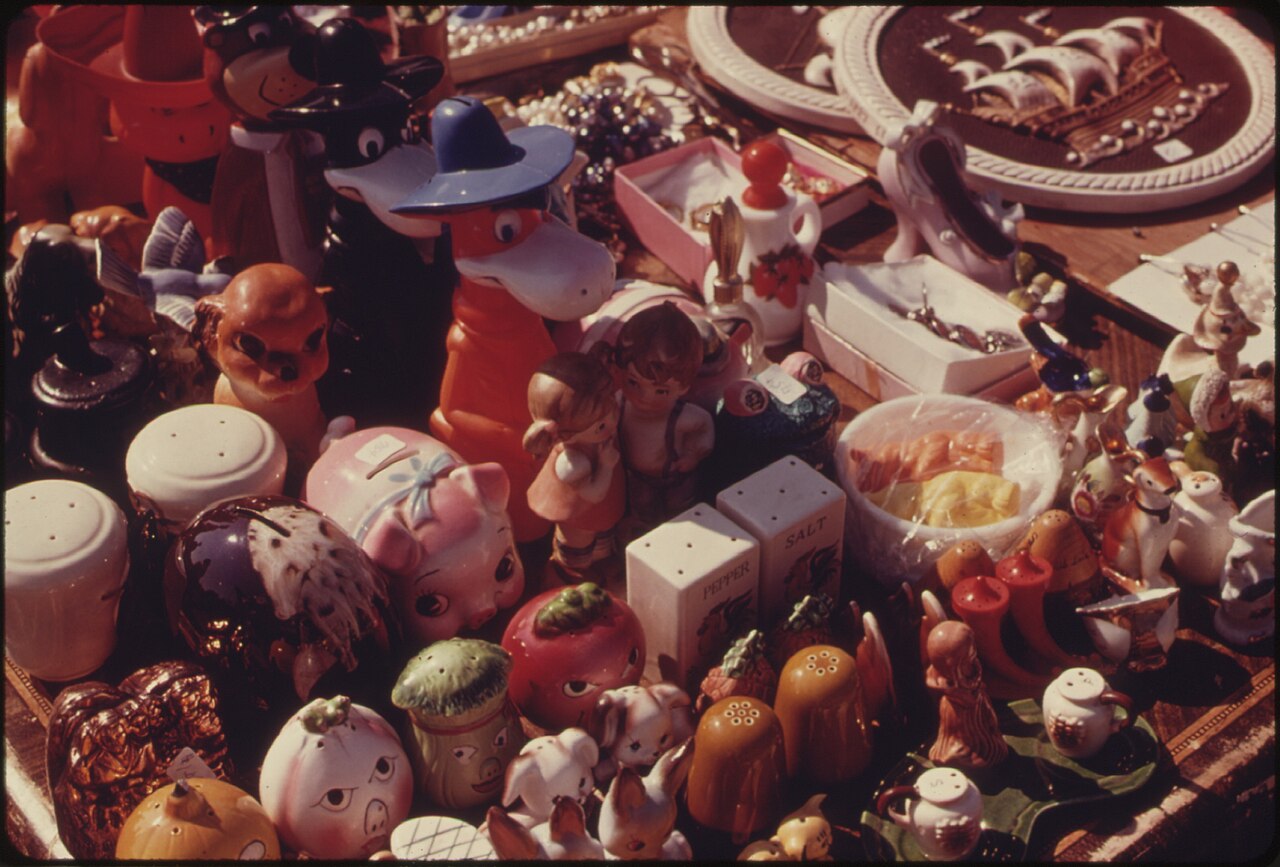
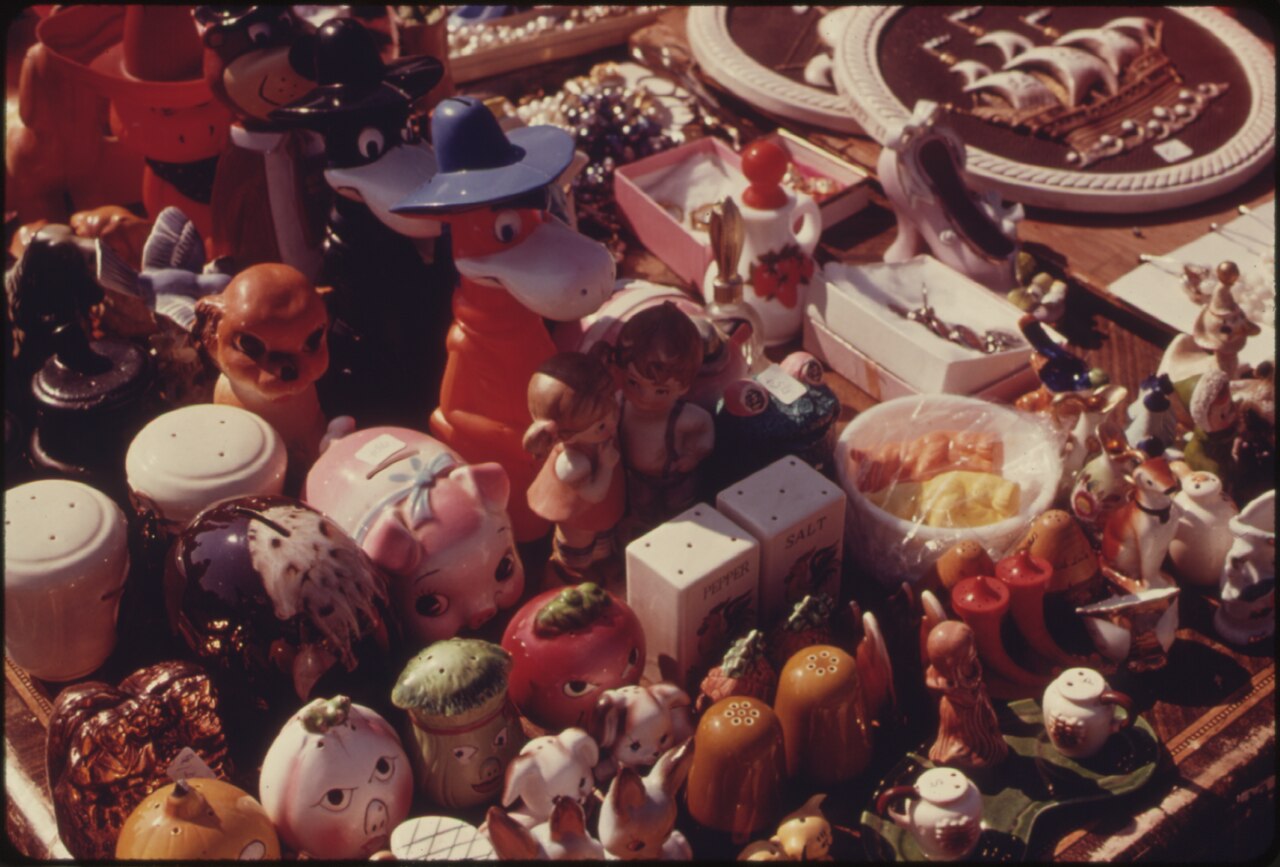
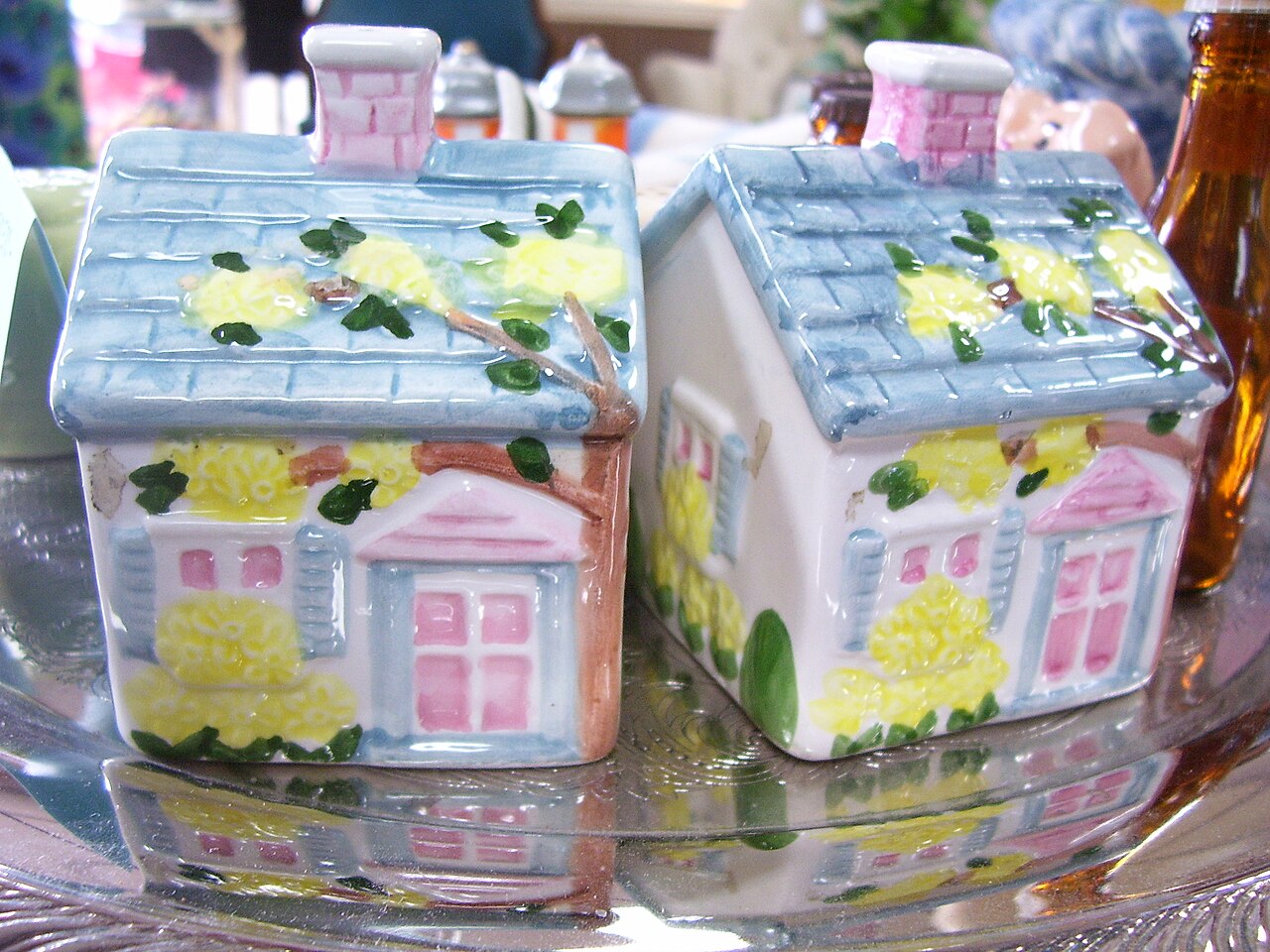
Salt and pepper shakers became increasingly common after anti-caking agents were introduced by the Morton Salt company in 1911. The Great Depression of the 1930s boosted their popularity as global ceramics producers concentrated on inexpensive items. Except in the most casual dining establishments, they are usually provided as a matched set, sometimes distinguishable only by the number of holes on the top. Designs range from small, plain glass screw cap containers to more ornate works of art. Sometimes the design refers to a pair of related objects, such as a West Highland White Terrier containing salt and a Scottish Terrier containing pepper. Designs may also relate to specific occasions or holidays. As a result of this diversity, collecting salt and pepper shakers is a hobby. Design has also been used to transmit cultural perspectives about race and other cultural values. Two Museums of Salt and Pepper Shakers in the US and Spain are dedicated to showing their variety and history. Żupny Castle in Poland also contains a collection of salt shakers.
Did You Know?
- Early cruet-stands included three shakers; the purpose of the third is debated and not definitively established.
- An 1872 newspaper quote about a 'pepper-box for salt' is unverified and may be misattributed.
- Salt shakers became more common after Morton Salt introduced anti-caking agents in 1911.
- The number of holes in salt and pepper shakers varies by design and personal preference; there is no universal rule about which holds salt.
Gallery
Frequently Asked Questions
Who is Salt and pepper shakers?
Salt and pepper shakers are a matched pair of small condiment dispensers traditionally placed on dining tables in European cuisine. They hold edible salt grains and ground peppercorns so diners can season their food at the table. In British English, the salt side is sometimes called a salt cellar.
What are Salt and pepper shakers's powers/role?
Their function is to let each diner control the amount of salt or pepper they add by tilting or twisting the top to release a small quantity of grain or ground spice. The two are often kept together on a cruet-stand to stay organized and within easy reach.
How does Salt and pepper shakers's story end?
There is no single narrative arc, but many sets eventually transition from daily use into collectible decorative pieces once they show wear or fall out of rotation. Fans and collectors typically retire them to shelves or cabinets as art objects rather than discarding them.
Why is Salt and pepper shakers important?
They embody a long-standing tradition of self-service seasoning in European dining, giving each person direct control over their meal's flavor. Their simple form has been reinterpreted across centuries of tableware design, making them a bridge between practical kitchen tools and decorative art.
Did John Landis Mason invent Salt and pepper shakers?
No; John Landis Mason created the Mason jar specifically for canning, not for dispensing salt and pepper. Salt and pepper shakers have a much older and more varied lineage tied to general tableware rather than a single inventor.
More in Furniture & Household Items 1-24
Spotted an error? Know more?
This is a living reference — every entry is fact-audited, and reader corrections feed straight into our audit queue. Suggest an edit · See this site's audit record