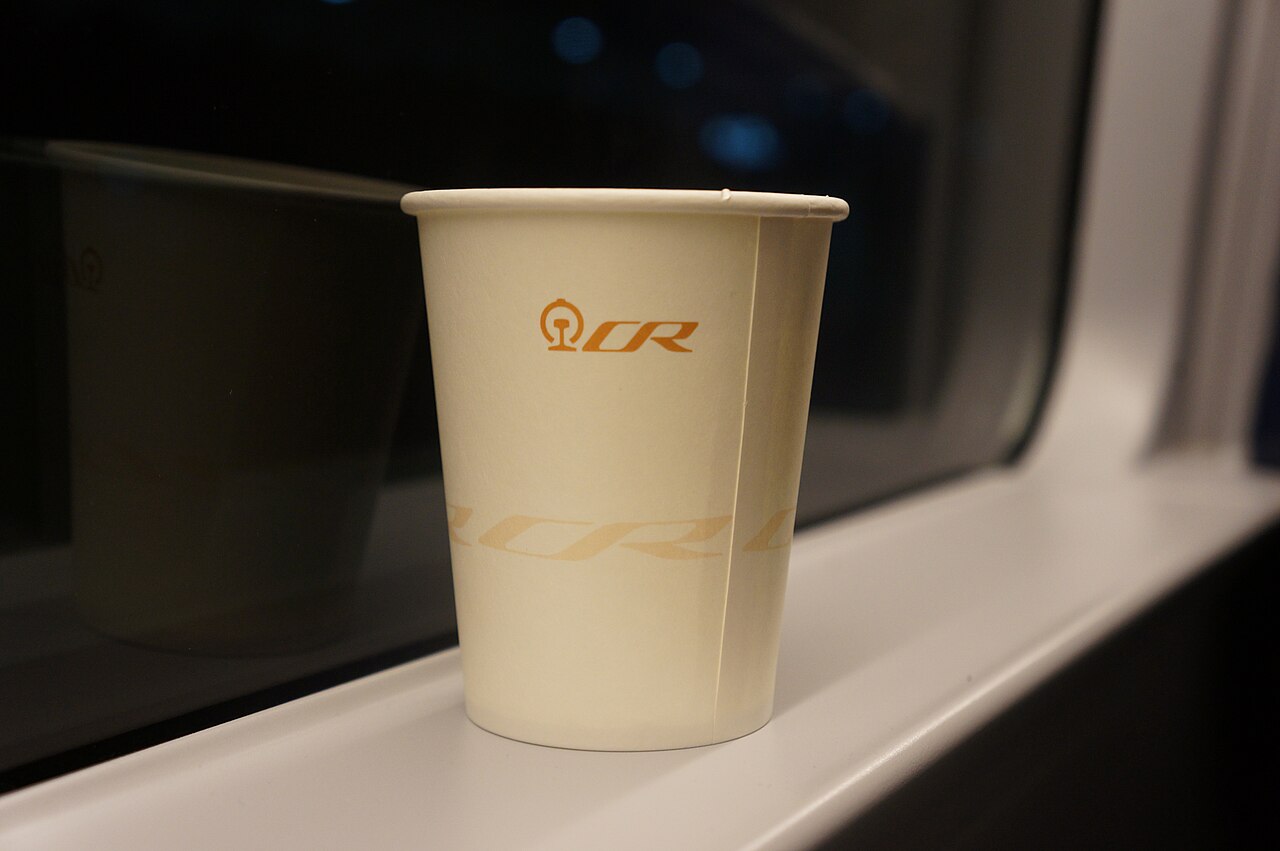
Paper cup
Disposable cup developed for hygiene in the early 20th century.

Dquai · CC BY-SA 4.0
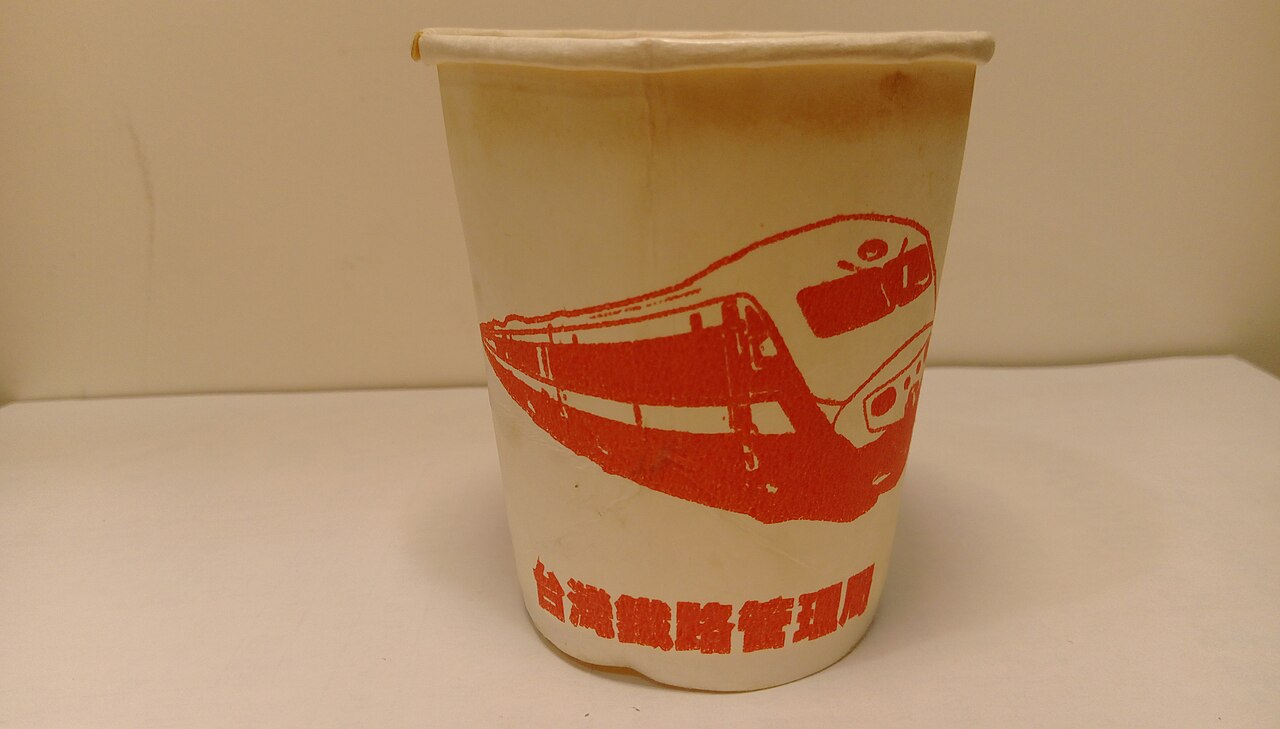
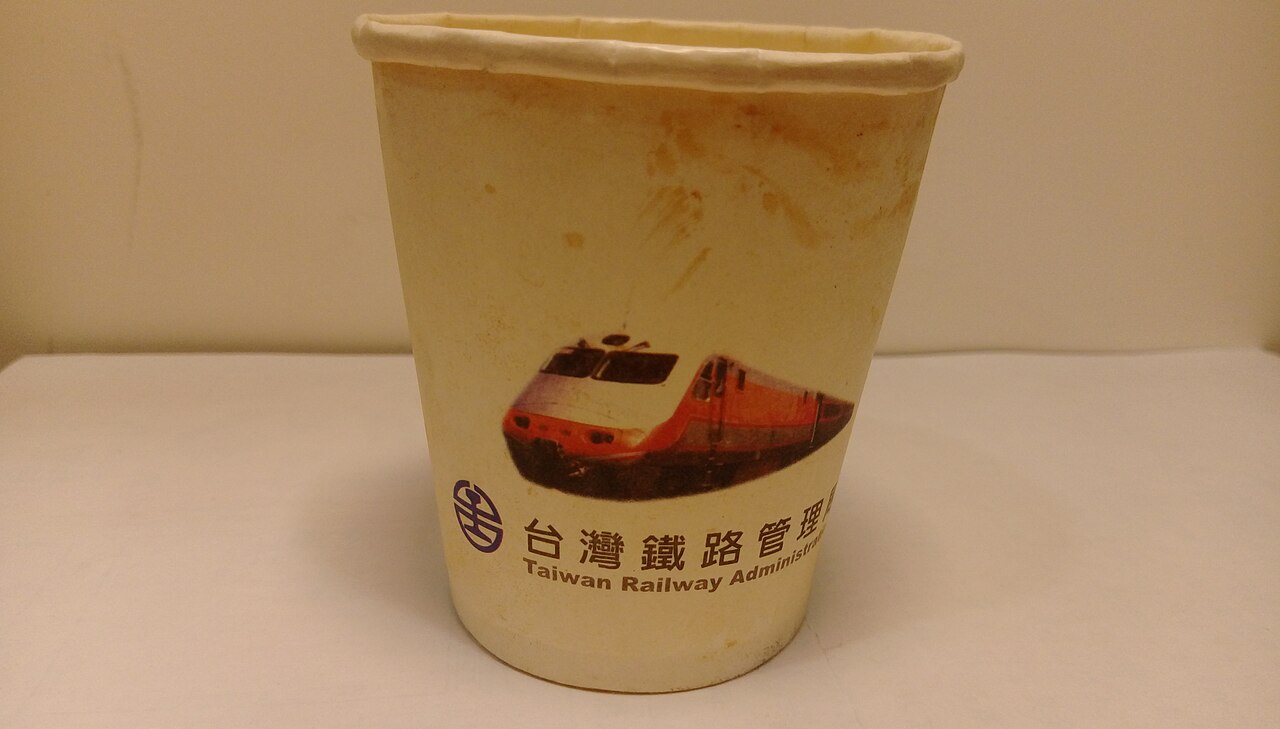
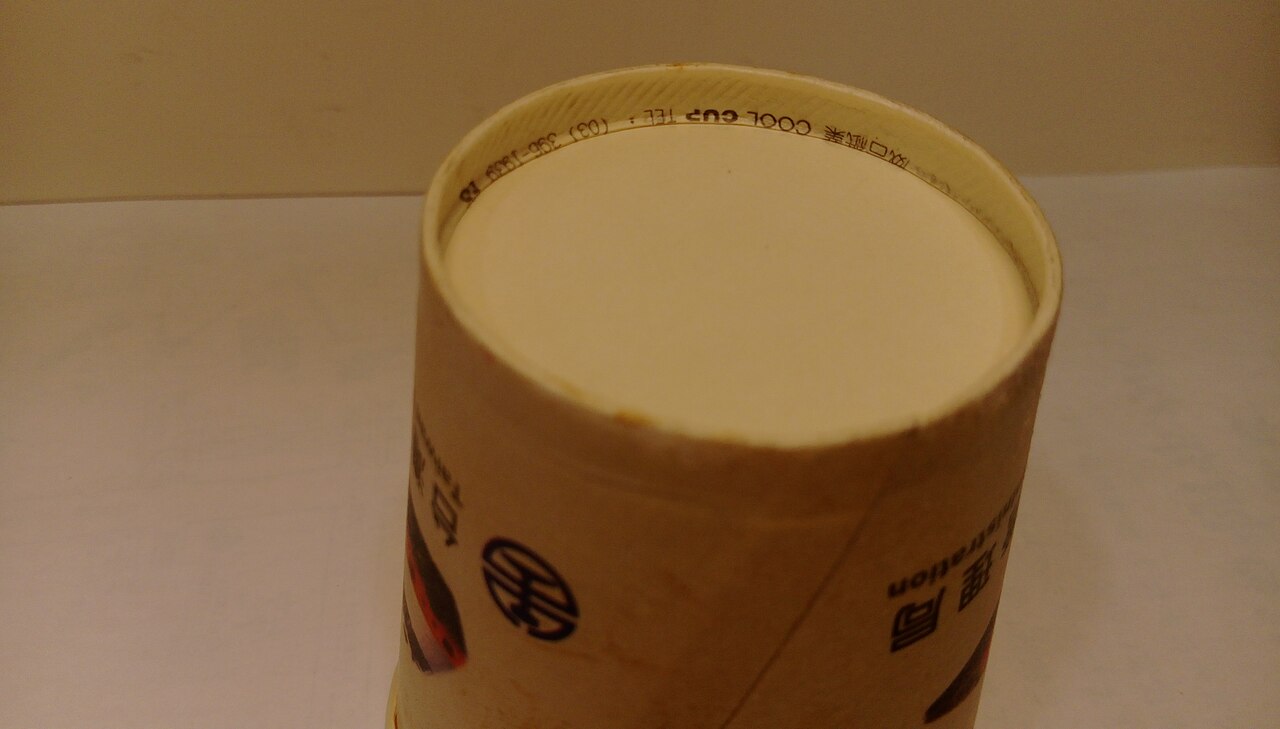
A paper cup is a disposable cup made out of paper and often lined or coated with plastic or wax to prevent liquid from leaking out or soaking through the paper. The modern paper cup was developed in the 20th century, driven by public health concerns over shared drinking cups after the advent of the germ theory of disease.
- first documented use
- early 20th century
- modern development
- early 20th century
- key inventor
- Lawrence Luellen (1907)
- brand name
- Dixie Cup (from 1919)
- primary material
- paper, often coated with plastic or wax
- common use
- disposable drinking cup for hygiene
Lore & Background
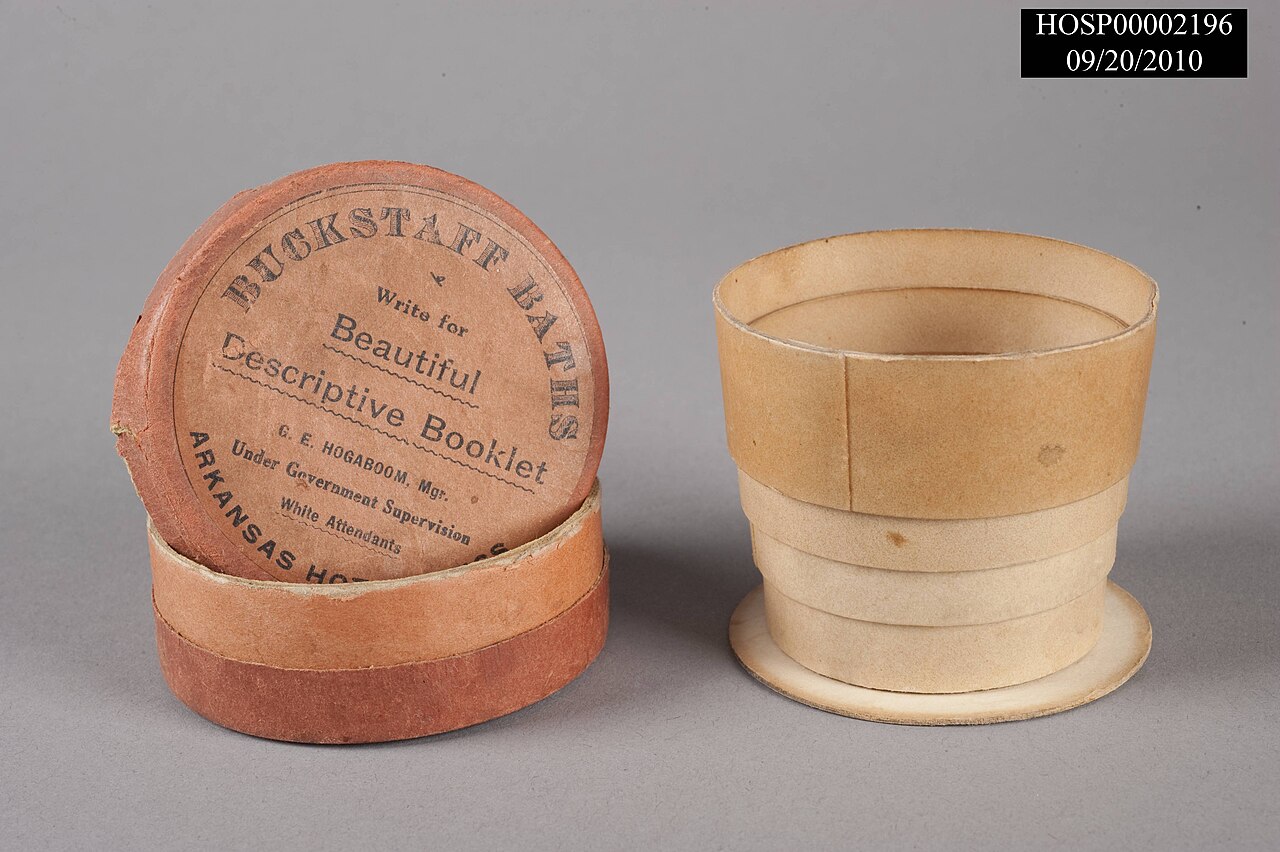
The modern paper cup emerged in the early 20th century, when shared glasses at water sources raised public health concerns. A notable investigation by Alvin Davison, biology professor at Lafayette College, published in 1908 as 'Death in School Drinking Cups', highlighted risks and was reprinted by the Massachusetts State Board of Health in 1909.
Reader's Guide
The paper cup's significance lies in its role in public health, replacing shared drinking cups after the germ theory of disease gained acceptance. The Dixie Cup, invented by Lawrence Luellen in 1907 and named in 1919, became a symbol of sanitary individual use. Studies, such as one by Massachusetts State College in 1942 showing paper cups cost less than washable glasses, encouraged adoption in hospitals. Environmental concerns later led to recycled paper cups and innovations like plastic-free waterproof coatings. The Dixie Cup brand, after mergers, became part of Georgia-Pacific. The cup's legacy includes the 'Dixie cup problem' in probability theory, inspired by children collecting pictures on cups.
Did You Know?
- The Dixie Cup was originally called 'Health Cup' before being renamed in 1919 after a line of dolls (the Dixie Dolls).
- The Dixie Cup logo was created in 1969 by graphic designer Saul Bass.
Gallery
Frequently Asked Questions
Who is Paper cup?
Paper cup is a single-use drinking vessel constructed from paper and typically lined on the inside with a thin layer of plastic or wax to block liquid from soaking through. It first shows up in documented records in the early 1900s as a hygienic replacement for shared glassware.
What is Paper cup's role in the canon?
Its job is to hold a beverage for one person and then be thrown away, eliminating the need to wash and reuse communal cups. The internal coating is what actually makes the paper structure leak-resistant rather than the paper itself.
Who is Paper cup's creator?
Lawrence Luellen is credited with the key 1907 invention that shaped the modern form of the cup. The Dixie Cup brand name entered the picture beginning in 1919 and became the most widely recognized label attached to the product.
Why is Paper cup important to the overall story?
It was born out of the public-health panic that followed the spread of germ theory, which made people uneasy about sharing drinking vessels in cafeterias and offices. Without a cheap, disposable alternative, that hygiene shift would have lacked a practical everyday solution.
How does Paper cup's story end?
Its lifespan is deliberately short: it is meant to be used once, emptied, and discarded, which is the entire point of its disposability. That same single-use cycle is now the source of significant environmental criticism surrounding the product.
More in Furniture & Household Items 1-24
Spotted an error? Know more?
This is a living reference — every entry is fact-audited, and reader corrections feed straight into our audit queue. Suggest an edit · See this site's audit record