
Rocking chair
A chair with curved rockers for gentle back-and-forth motion.

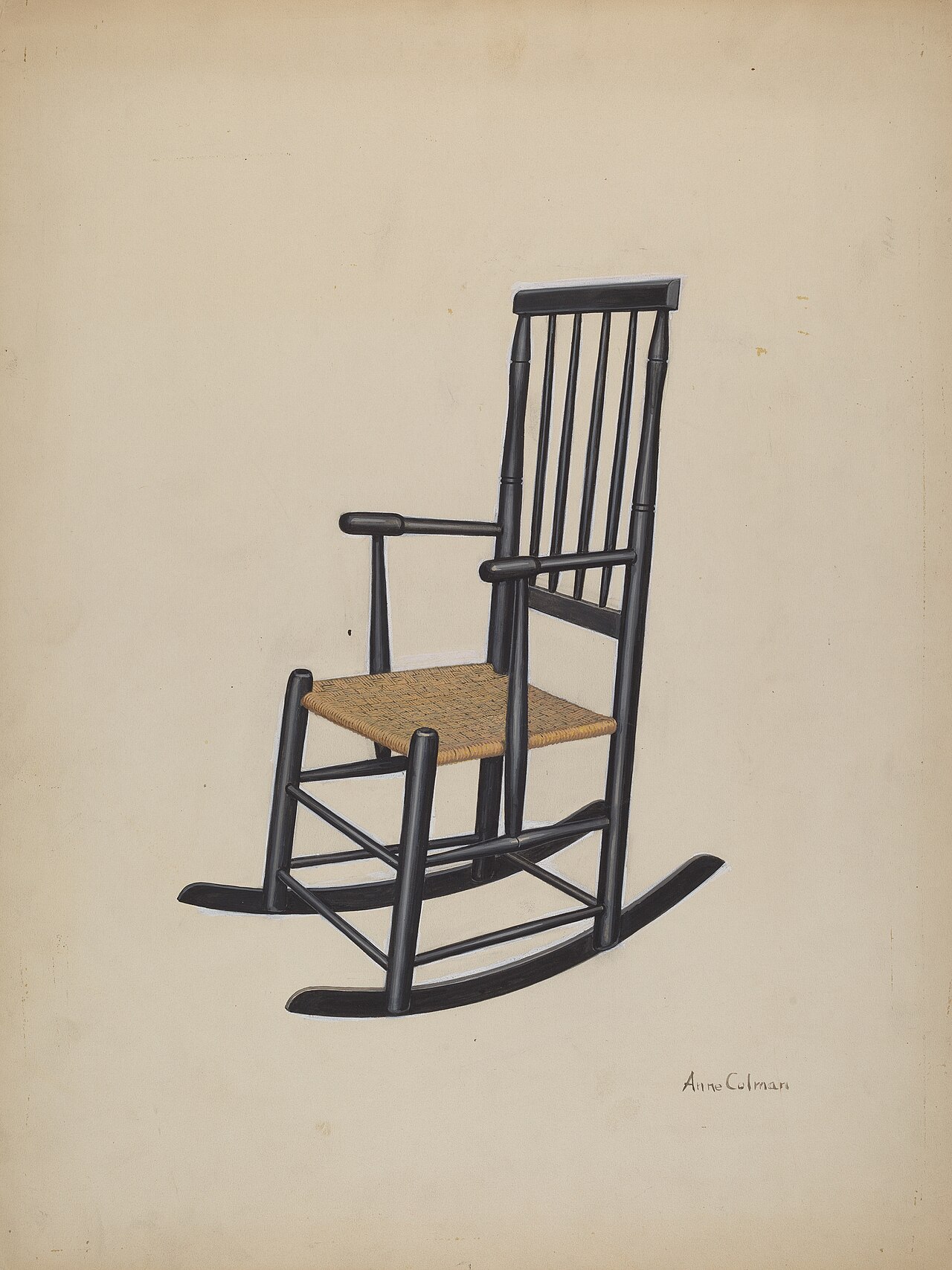
Anne Colman · CC0
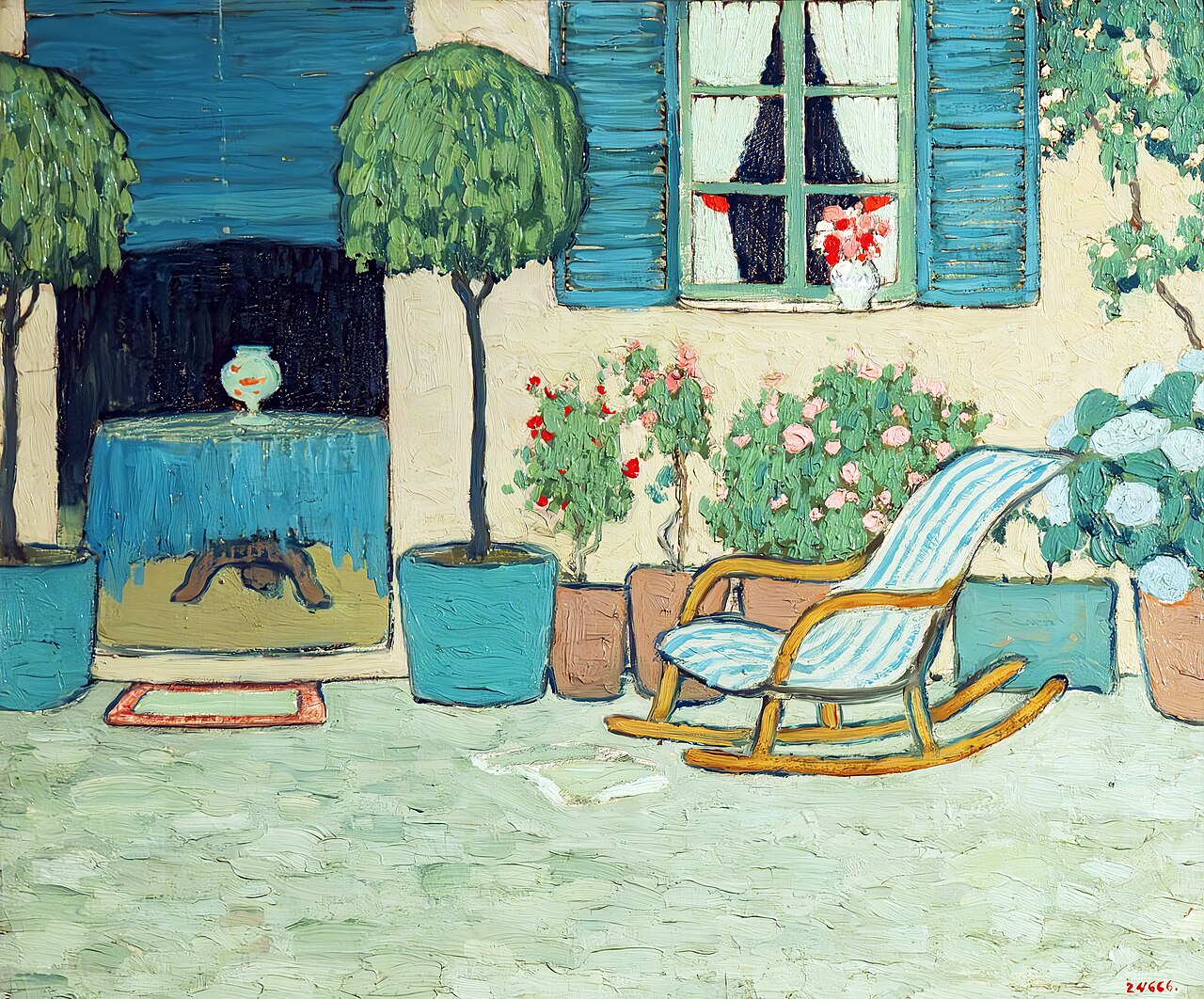
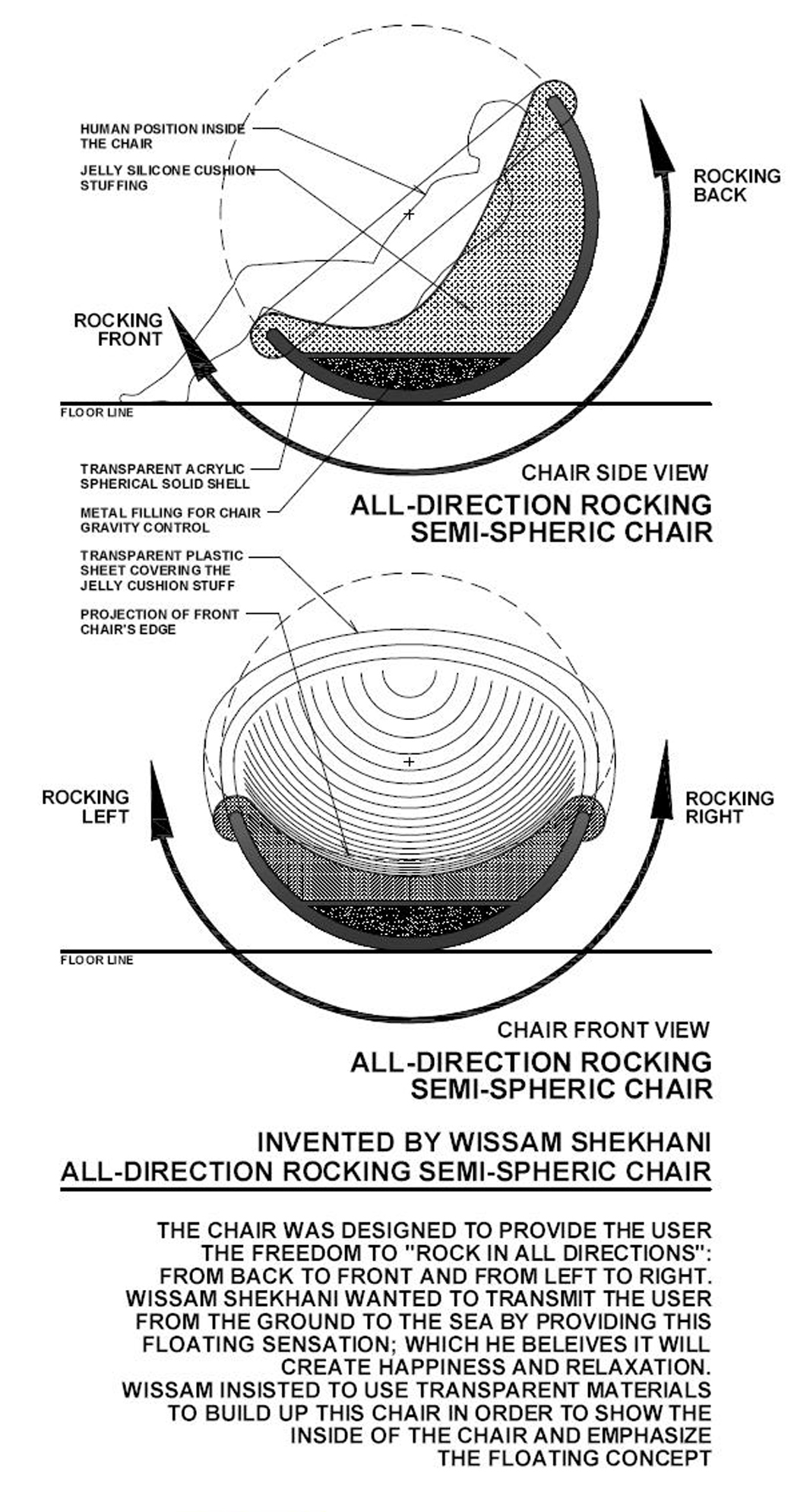
A rocking chair, also known as a rocker, is a type of chair with two curved bands (rockers) attached to the bottom of the legs, allowing the occupant to rock back and forth by shifting weight or pushing lightly with feet. Rocking chairs are most commonly made of wood, and some can fold. The gentle rocking motion is often used to soothe infants and help adults fall asleep faster.
- first_known_use_of_term
- 1766
- early_origins
- North America, early 18th century
- common_material
- Wood
- notable_designers
- Peter Cooper, Michael Thonet, Sam Maloof
- types
- Platform rocker, glider, bentwood, Boston, folding, wicker, pressed back, ladder back
Lore & Background
Rocking cradles predate rocking chairs, with an example found in the ruins of Herculaneum. Originally used in gardens, early rocking chairs appeared in England in 1725. Though American inventor Benjamin Franklin is sometimes credited with inventing the rocking chair, historians trace its origins to North America during the early 18th century, when Franklin was a child. Wicker rocking chairs peaked in production in America during the late 19th and early 20th centuries. During the 1830s, Peter Cooper designed the first steel chair in America, though it is not widely established as a rocking chair. Michael Thonet created the first bentwood rocking chair in 1860, influenced by Biedermeier and Rococo Revival styles. Folding rocking chairs became popular in the 1920s, and by the 1950s, Sam Maloof's rocking chairs became famous for their durability and ski-shaped rockers.
Reader's Guide
Rocking chairs hold significance as both functional furniture and cultural symbols of comfort and parenting. The gentle rocking motion has been shown to provide faster onset of sleep than remaining stationary, mimicking the process of a parent rocking a child to sleep. Historically, rocking chairs evolved from simple garden chairs with attached rockers to diverse forms such as Peter Cooper's iron-frame chair, Michael Thonet's lightweight bentwood design, and Sam Maloof's durable ski-shaped rockers. The term 'rocking chair' first appeared in 1766. Varieties include platform rockers, gliders, folding chairs, wicker sets, pressed back, and ladder back styles. Rocking chairs remain popular for their soothing motion and have been produced in materials from wood to steel and wicker, reflecting changing tastes and manufacturing techniques over centuries.
Did You Know?
- The first known use of the term 'rocking chair' was in 1766.
- Rocking cradles predate rocking chairs, with an example from the ruins of Herculaneum.
- Peter Cooper designed the first steel chair in America, displayed at the Crystal Palace Exhibition in 1851, though it is not widely established as a rocking chair.
- Michael Thonet's bentwood rocking chair of 1860 was influenced by Biedermeier and Rococo Revival styles.
Structural Identity and Typological Place
The rocking chair occupies a distinct position within the broader family of seating furniture. Its defining structural characteristic is that its legs are fixed to two long curved slats, a feature that sets it apart from other recognized chair types. In the taxonomy of chairs, this distinguishes it from an armchair, identified by armrests attached to the seat; a recliner, which incorporates a mechanism to lower the back and raise a footrest; and a wheelchair, which mounts wheels on an axis beneath the seat. Like all chairs, the rocking chair is fundamentally a seat designed for one person, built around a flat or slightly angled seating surface supported by legs and typically accompanied by a back-rest. It may be constructed from wood, metal, or synthetic materials, and its surfaces can be left hard or covered with padding and upholstery in a range of colors and fabrics. The curved-slat base is what gives the rocking chair its namesake motion, yet structurally it remains rooted in the same basic components that define every chair: a seat, support legs, and a back.
From Privilege to Everyday Seating
The rocking chair exists within a long historical tradition of seating that stretches back to at least the Early Dynastic Period of Egypt, around 3100 BC. In those ancient times, chairs were objects of great splendor, fashioned from ebony, ivory, or gilded wood, and reserved for the highest-ranking individuals. The pharaoh sat on a throne with a footstool, while ordinary families rarely possessed chairs at all. For many centuries, the chair remained a symbolic article of state and dignity rather than a common household item. It was not until the sixteenth century that chairs became widespread in everyday use, replacing the chests, benches, and stools that had been the ordinary seats of daily life. The Renaissance played a significant role in this democratization, after which the chair rapidly became a standard piece of furniture for anyone who could afford it. By the nineteenth century in America, it was typical for every family member to have a chair at the dinner table. The rocking chair, with its distinctive curved slats, emerged as part of this broader cultural shift from exclusive, symbolic seating to accessible, everyday comfort.
Material Possibilities and Construction
The construction of a rocking chair draws from the same broad palette of materials available to chair makers throughout history. Wood, metal, and synthetic materials are the primary building blocks, and a single chair may combine multiple substances—for instance, a metal frame paired with a plastic seat and back. The surfaces of a rocking chair can be left as hard wood, metal, or plastic, or they can be dressed with upholstery and padding in various colors and fabrics. Designers may incorporate porous materials or drill decorative holes into the structure, and a low back or intentional gaps can allow ventilation for the occupant. The back of a chair may extend above the height of the sitter's head and include a headrest. In the realm of experimental and artistic furniture, chairs have been crafted from extraordinary materials: a Latvian designer created a hanging chair from volcanic rock, while a Dutch-born German designer built one from sixty pounds of confectioners' sugar. These creative approaches, though rare, illustrate the material flexibility that also underpins the construction of a rocking chair's curved slats and frame.
Design Evolution and the Broader Seating Landscape
The rocking chair is one thread in a continuous tapestry of chair design that has evolved across millennia. In ancient Egypt, chair seats were sometimes only ten inches high, and the taller and more sumptuous the chair, the greater the honor it conferred. In China, the earliest images of chairs appear in sixth-century Buddhist murals, but widespread adoption did not occur until the twelfth century. In Europe, the chair began to change every few years to reflect prevailing fashions once it became a common item. The twentieth century brought technological innovation to chair construction: all-metal folding chairs, moulded plastic chairs, ergonomic designs, and the recliner, which gained popularity partly due to the rise of radio and television. The 1960s modern movement introduced the butterfly chair, bean bags, and the egg-shaped pod chair, along with the first mass-produced plastic chairs. Mechanical technology enabled adjustable office chairs, and embedded motors gave rise to massage chairs. The rocking chair's curved-slat mechanism sits within this broader narrative of designers continually reimagining how a person can be supported, moved, and comforted by a seat.
Gallery



Frequently Asked Questions
Who is Rocking chair?
Rocking chair is a seated furniture piece featuring two curved bands (called rockers) fixed beneath the legs, enabling a gentle back-and-forth sway. The term first appeared in written records around 1766, and the design traces back to early 18th-century North America.
What are Rocking chair's powers/role?
Its primary function is to let the occupant rock by shifting body weight or nudging with their feet, creating a soothing, rhythmic motion. This gentle sway is widely used to calm infants and help adults drift off to sleep more quickly.
How does Rocking chair's story end?
Rocking chair has no single narrative ending; instead, it has continuously evolved through new styles such as platform rockers, gliders, and folding variants. It remains a staple of households worldwide, keeping its core rocking mechanism intact across centuries of design changes.
Why is Rocking chair important?
It holds a cultural role as one of the most recognizable pieces of domestic furniture, strongly associated with comfort, lullabies, and quiet home life. Notable designers such as Peter Cooper, Michael Thonet, and Sam Maloof elevated it from a simple utility object into a celebrated design form.
What types of Rocking chair exist?
Common variants include the platform rocker, glider, bentwood, Boston, folding, wicker, pressed back, and ladder back styles. Most are crafted from wood, though some versions incorporate wicker or other materials, and a subset can be folded for compact storage.
More in Furniture & Household Items 1-24
Spotted an error? Know more?
This is a living reference — every entry is fact-audited, and reader corrections feed straight into our audit queue. Suggest an edit · See this site's audit record