Shelf (storage)
A flat surface for storing or displaying items.

San Diego Air & Space Museum Archives · Public domain
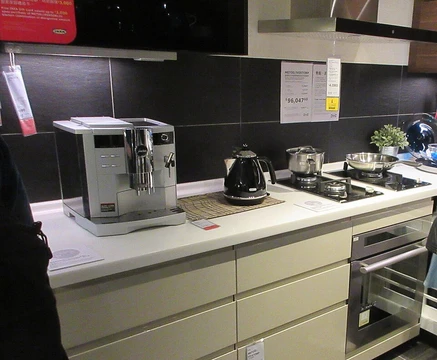
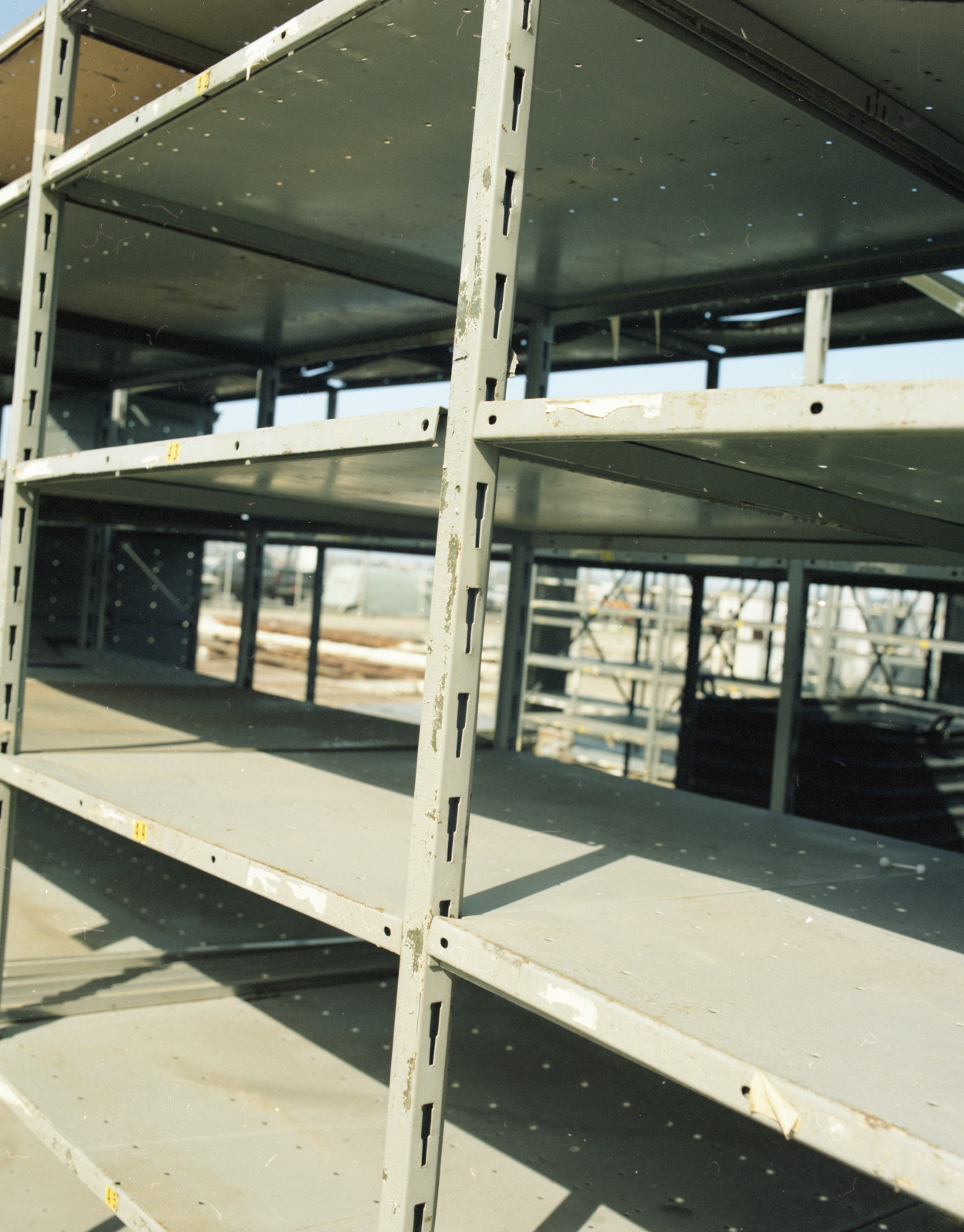
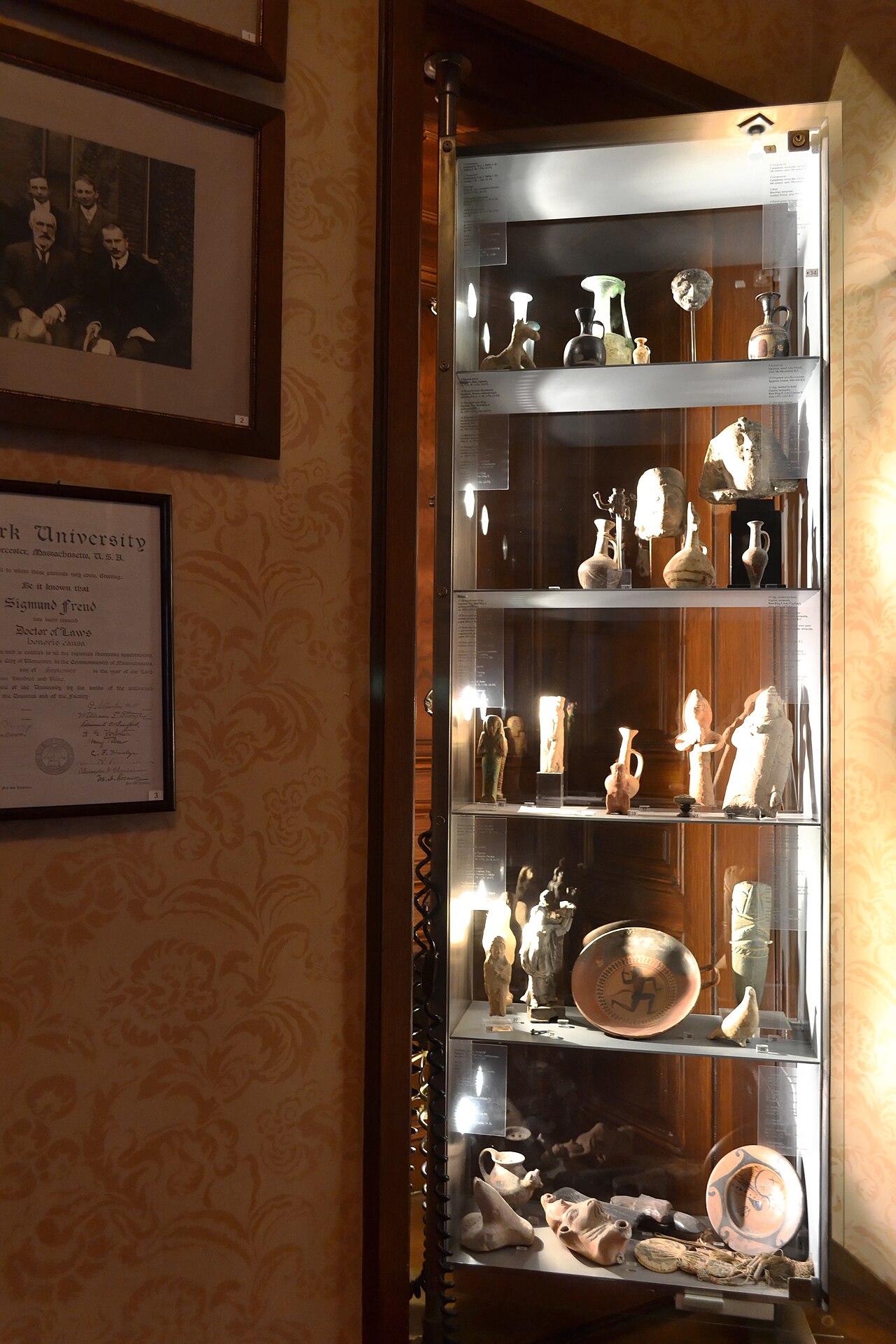
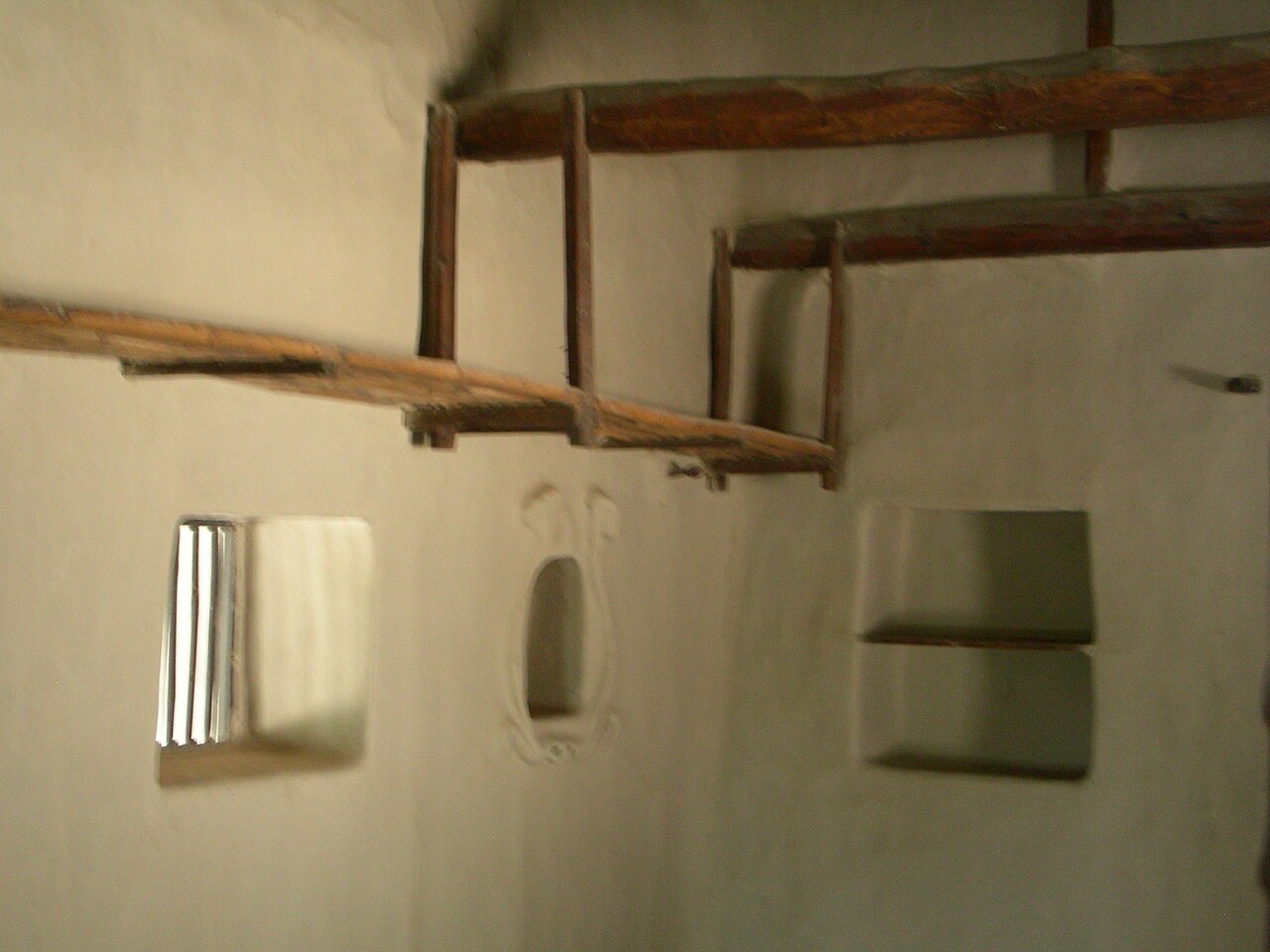
A shelf is a flat, horizontal or sloping plane used for displaying or storing items in various settings such as homes, businesses, and stores. It is raised off the floor and can be anchored to a wall, supported by brackets, columns, or pillars, or be part of furniture like cabinets and bookcases. Shelves are also known as counters, ledges, mantels, or racks.
- field
- Storage and display
- known_for
- Flat surface for holding items, often wall-mounted or part of furniture
- materials
- Wood, bamboo, steel, glass, plastic, or 3D-printed materials
- types
- Floating shelf, bookshelf, pipe shelving, pallet racking
Lore & Background
The word shelf originates from late 14th century Middle English, derived from Old English scylfe, with cognates in Low German schelf and Old Norse -skjalf meaning bench. Shelves can be attached to walls, suspended from ceilings, or part of free-standing frames. They are typically arranged perpendicularly to vertical supports, with two to six shelves per unit. Adjustable shelving systems allow vertical spacing to be altered, and sloping shelves improve visibility of contents.
Reader's Guide
Shelves are fundamental to organization and display in domestic, commercial, and industrial contexts. Their design varies widely: from simple wall-mounted boards to heavy-duty pallet racking. Materials range from wood and steel to glass and plastic, with DIY options including repurposed items like old doors or 3D-printed components. Pipe shelving, using wood boards on gas pipe, is common in homes and businesses and can be modified for retail displays. Proportions for wall-mounted shelves recommend widths no greater than 1.4 times the bracket's width and spacing no more than four times the shelf breadth between brackets. Screw depth in concrete walls should be at least one-tenth the shelf width. Shelves remain essential for storage, accessibility, and aesthetic presentation.
Did You Know?
- A shelf with hidden internal brackets is termed a floating shelf.
- The most heavy-duty shelving is pallet racking.
- Pipe shelving can be used in shipping container architecture and was used by Marriott Hotels & Resorts in a bar project.
- Sloping shelves help to make the contents of a shelf more visible.
The Kitchen Revolution of the 1890s
Between 1890 and 1930, American home construction outpaced every prior era in the nation's history, yet the kitchens inside those new houses remained remarkably bare. Through the entire nineteenth century, built-in cabinetry was essentially absent from the average dwelling, and it would not become a standard fixture until the late 1920s. Into that gap stepped a cluster of Indiana furniture makers around the 1890s, who recognized that a freestanding unit combining ingredient storage with a dedicated work surface was both practical and easy to sell. The concept evolved from the older baker's cabinet—a simple table with under-bins and a shallow upper shelf for bowls and utensils—into a full workstation where a cook could complete every stage of food preparation in one place. The Hoosier Manufacturing Company, after relocating from Albany to New Castle, Indiana in 1900, invested heavily in refining its production and distribution methods and in national advertising. By 1906 the firm employed 146 workers, and its product was marketed as a "step saver," a phrase that captured the cabinet's core promise: fewer trips, more efficiency, and a kitchen that finally worked around the cook rather than against her.
Anatomy of a Workstation
A typical Hoosier cabinet measured roughly 48 inches wide, 22 inches deep, and 72 inches tall, and it often rolled on small casters. The lower section housed a single large compartment whose slide-out shelf was metal-faced to create a durable work surface, flanked by a bank of drawers on one side. Above that, a shallower upper tier held several smaller door-fronted compartments. Together these elements delivered about 40 inches of usable workspace—something that, in the early twentieth-century kitchen, was otherwise available only at the family table. What set the cabinet apart from a plain baker's unit was its ecosystem of moving parts and accessories. The most iconic was the integrated flour bin and sifter, a hopper that let a cook measure and sift flour without lifting the bin out of its housing. A matching sugar bin was standard. Manufacturers produced special glass jars sized to fit the cabinet's racks, and original glassware sets included coffee and tea canisters, a salt box, and four to eight spice jars, with some makers adding a cracker jar. Over time the accessory list grew to include colored glassware, ant-proof casters, an ironing board, and even printed cards offering grocery reminders and meal-planning tips.
The Indiana Manufacturing Cluster
The Hoosier cabinet was never the product of a single factory. From the late 1890s through the 1930s, dozens of companies—most clustered in Indiana or its immediate vicinity—produced the same basic style of freestanding kitchen workstation. Hoosier Manufacturing was the largest and most visible, but competitors such as Campbell-Smith-Ritchie in Boone, Coppes Brothers and Zook in Napanee, the McDougall Company, and G. I. Sellers and Sons all carved out their own markets. Campbell-Smith-Ritchie began in 1892 as a lumber yard and planing mill, lost its building to fire in 1905, and by 1910 the cabinet business had outgrown the lumber operation. A 1913 state inspection listed the firm as a furniture manufacturer with 90 employees and the largest employer in Lebanon. The company advertised nationally, claiming its designs were developed by women from across the country. Hoosier Manufacturing had sold two million cabinets by 1920. With roughly 20 million American households at the time, that meant as many as one in ten homes contained a unit from that single company, before counting rivals' output. Sheer volume of sales helped turn "Hoosier cabinet" into a generic label, much the way "Kleenex" came to mean any facial tissue.
Supplanted and Remembered
The Hoosier cabinet's golden era was the 1920s, but by then the architectural landscape was shifting. New homes were increasingly built with modern kitchens that included built-in cabinets, fixed counter tops, and integrated fixtures, rendering the freestanding workstation redundant. Some manufacturers pivoted, diversifying into built-in cabinetry and other kitchen furniture, but the Great Depression compounded the difficulty of sales. By 1935 the cabinet was widely regarded as old-fashioned, a relic of a previous generation's kitchen. The two largest producers in the field—Hoosier Manufacturing and G. I. Sellers and Sons—closed their doors in 1942 and 1950, respectively. Hoosier Manufacturing was sold in 1942 and subsequently liquidated, ending a production run that had spanned more than four decades. Yet the cabinet did not simply vanish from cultural memory. Today, surviving examples are prized by antique collectors, their metal-faced slide-out shelves, integrated flour sifters, and original glassware sets serving as tangible reminders of a time when the kitchen was a workspace built around a single, mobile piece of furniture rather than a room of fixed installations.
Gallery

Frequently Asked Questions
What is a Shelf (storage) and what does it do?
A shelf is a flat, horizontal or slightly angled surface that holds or displays objects above floor level. It can be fixed to a wall with brackets, stand on its own legs, or be built into larger pieces like cabinets and bookcases.
What materials are shelves typically made from?
Common shelf materials include wood, bamboo, steel, glass, and plastic, with 3D-printed options now appearing in modern designs. The choice of material often depends on the weight of the items being stored and the aesthetic of the room.
What are the main types of shelves fans should know about?
Popular varieties include floating shelves that appear wall-attached without visible brackets, bookshelves, industrial pipe shelving, and pallet racking used in warehouses. Each type serves a different storage or display purpose.
How does a shelf relate to terms like counter, ledge, or mantel?
These are all closely related flat-surface elements, but a shelf specifically refers to a raised plane used for storing or displaying items. A mantel sits atop a fireplace, a counter is typically at waist height for work, while a shelf is generally positioned higher for storage.
Why is the shelf considered a foundational piece in home and business storage?
Shelves maximize vertical space by keeping items off the floor and within easy reach, making them essential in homes, offices, and retail stores. Their simple design—just a flat plane supported from below or behind—has made them one of the most versatile storage solutions across virtually every setting.
More in Furniture & Household Items 1-24
Spotted an error? Know more?
This is a living reference — every entry is fact-audited, and reader corrections feed straight into our audit queue. Suggest an edit · See this site's audit record