
Ottoman (furniture)
A versatile, backless seat from the Ottoman Empire.

Olugold · CC BY-SA 4.0
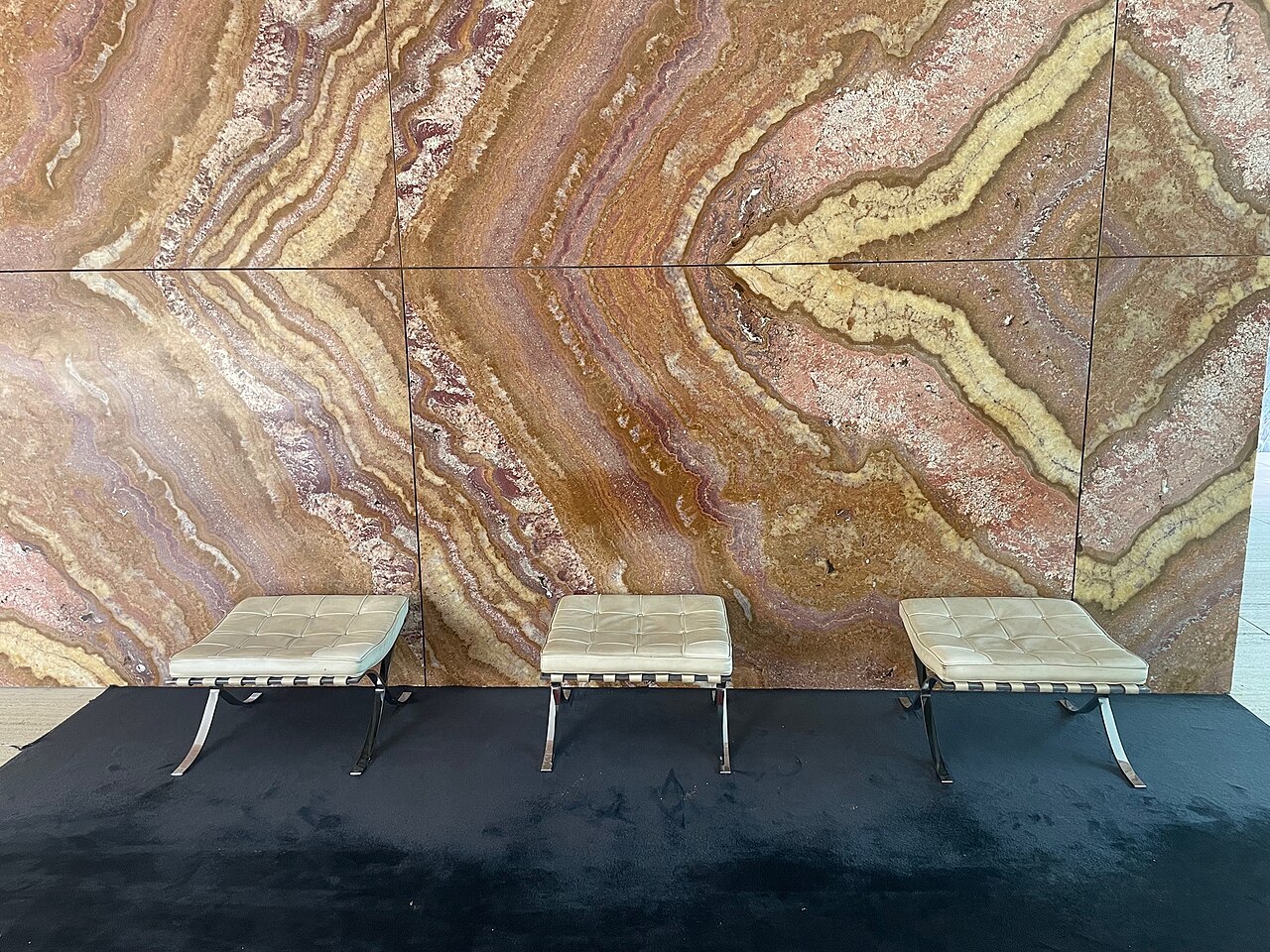
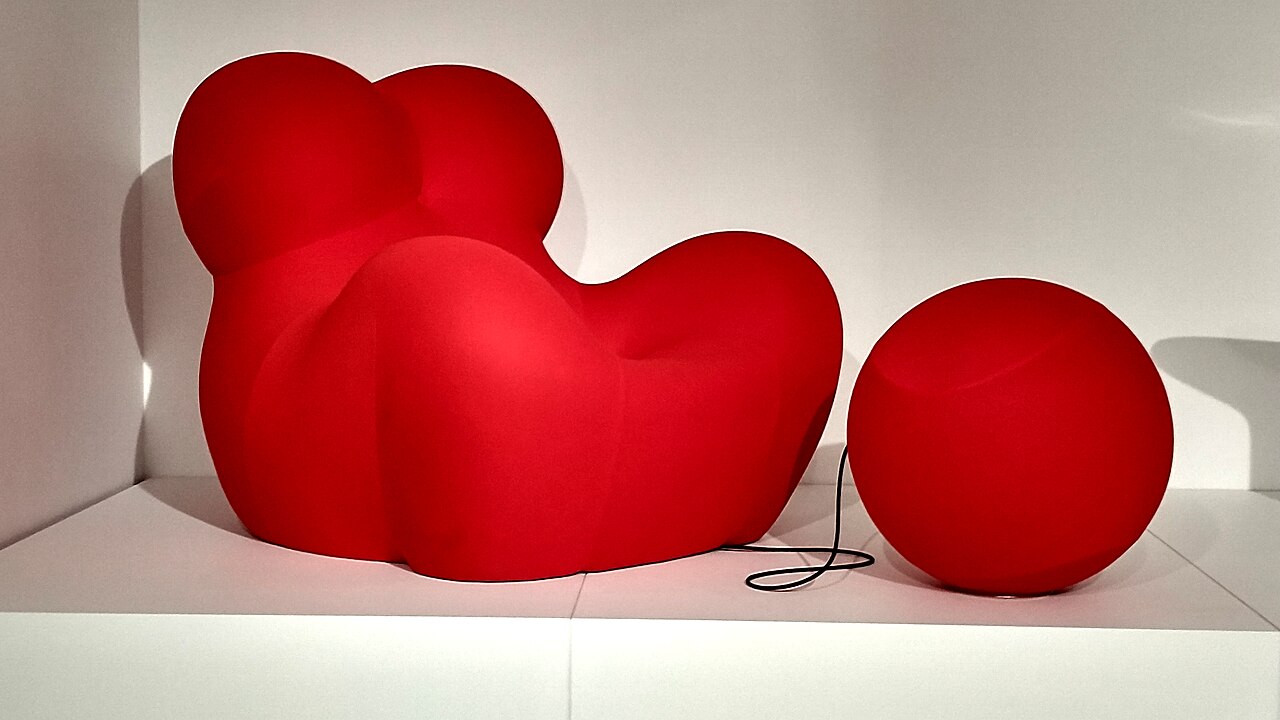
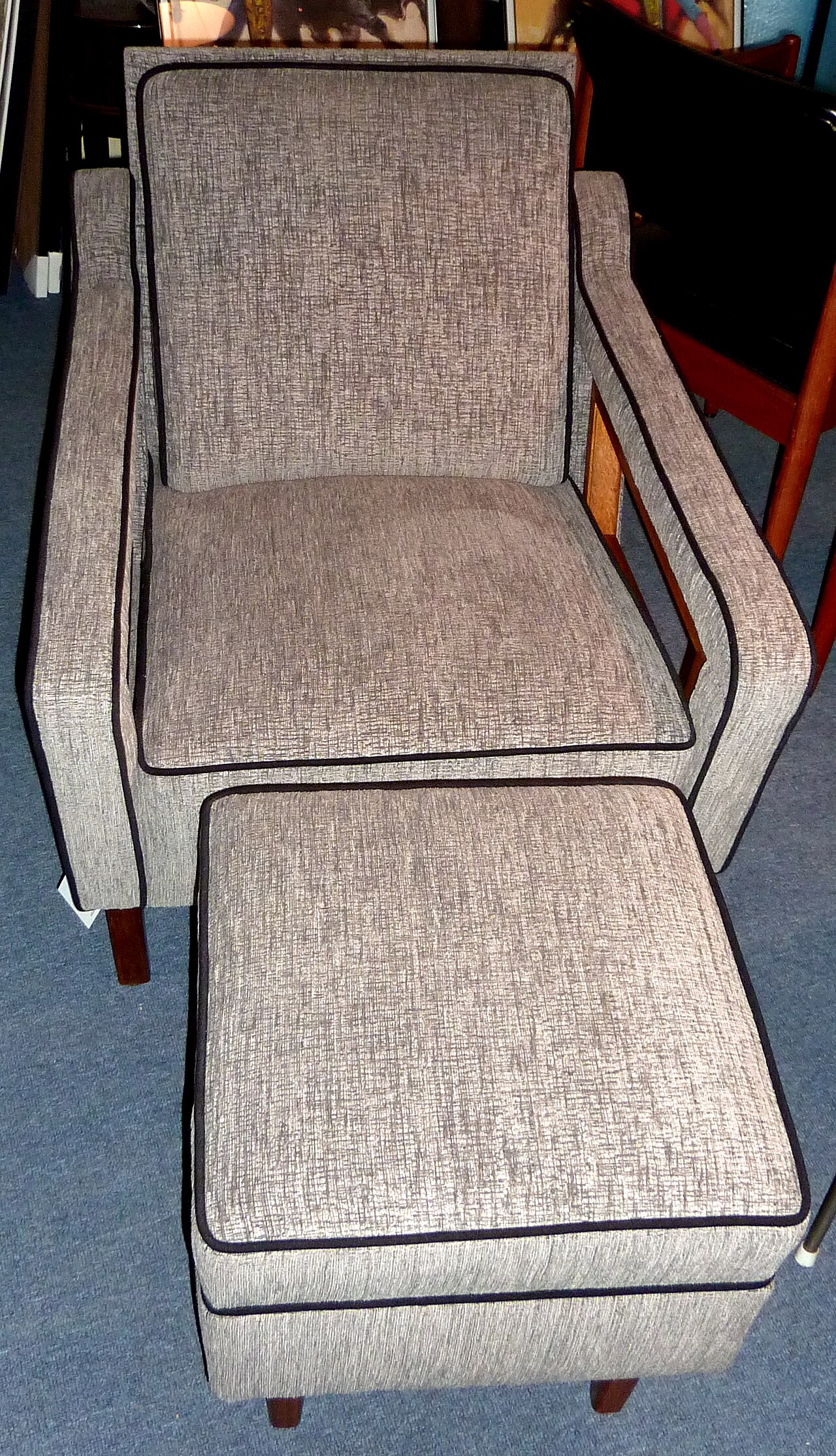
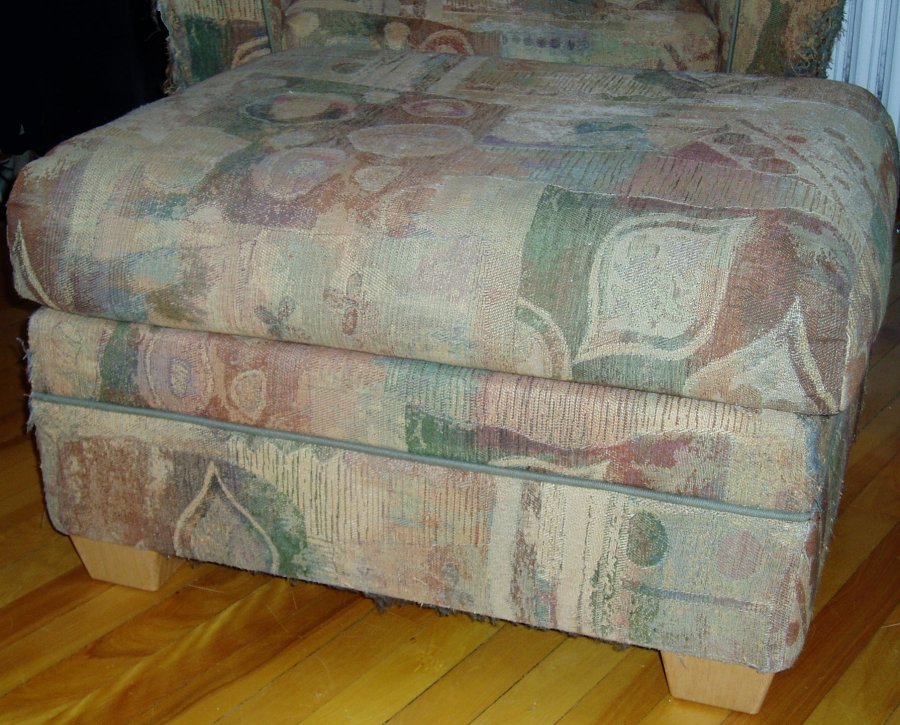
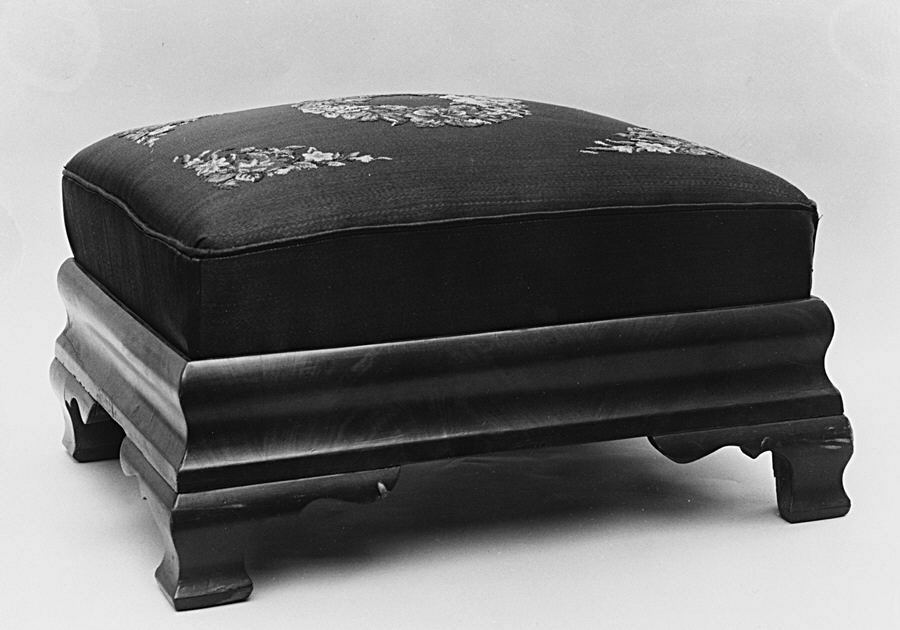
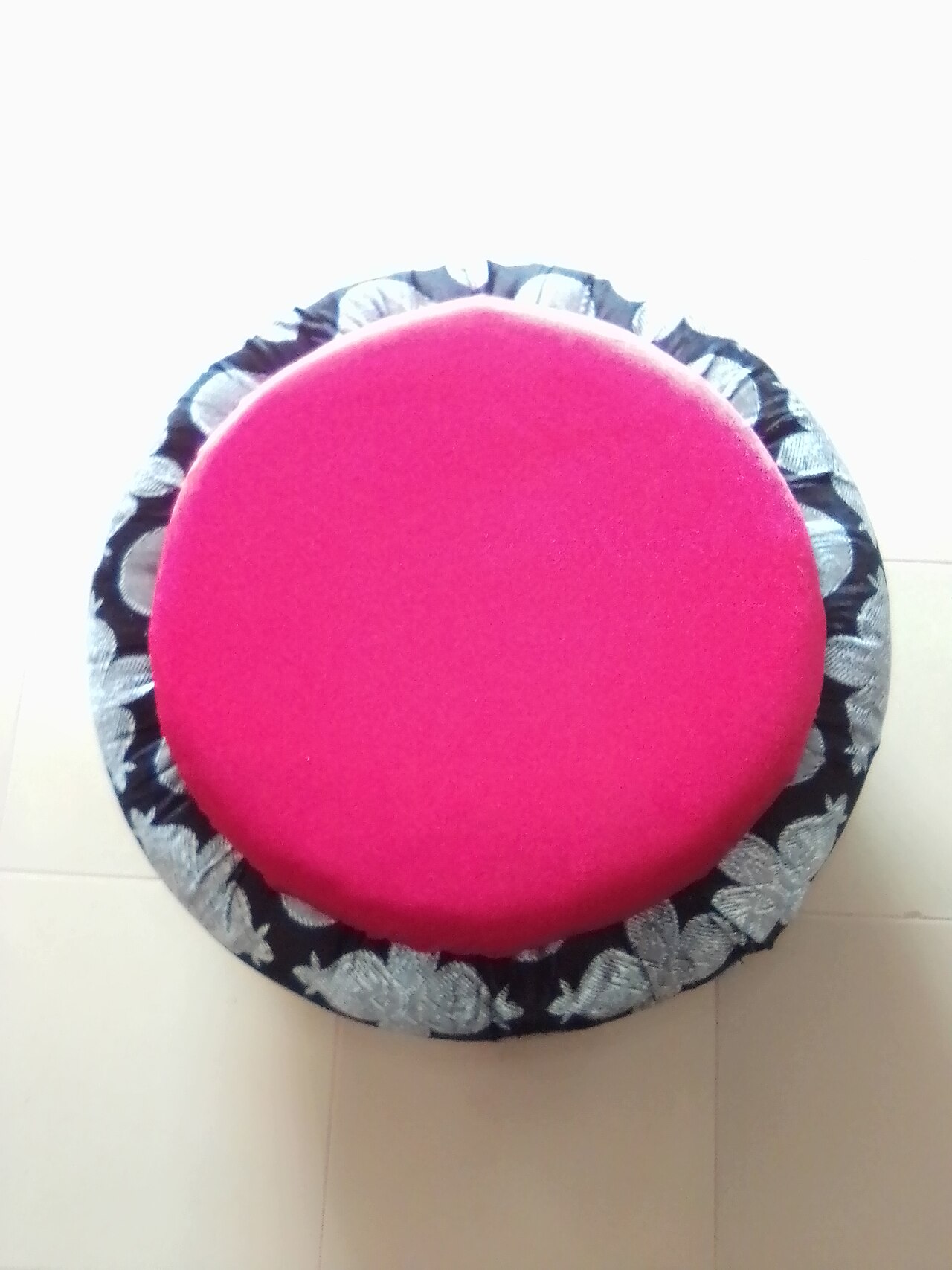
An ottoman is a type of furniture that typically lacks a back and arms. It can be a low, upholstered couch or a smaller cushioned seat that functions as a table, stool, or footrest. Some versions have a hinged lid, turning the interior into storage space for items like linens or magazines. The smaller style is often placed beside an armchair or sofa in a living room, or used as a seat near a fireplace. This piece is also known as a footstool, hassock, or pouf.
The design originated in the Ottoman Empire, in what is now Turkey, where it served as the main seating in a home. Originally, it was a low wooden platform covered with cushions. It first appeared as sectional furniture that lined three walls of a room, then evolved into smaller corner pieces or circular padded seats built around a column or pole in public spaces.
The ottoman arrived in other parts of Europe from the Ottoman Empire in the late 1700s, taking its name from its origin. The earliest known use of the name is the French term *ottomane* in 1729. The first recorded English use appears in Thomas Jefferson’s 1789 memorandum book, noting payment for “an Ottomane of velours d'Utrecht.” Over the next generation, it became common bedroom furniture. European versions were typically smaller than the traditional Turkish ottoman, and by the 1800s they were often circular or octagonal. The seat was sometimes divided by arms or a central padded column that could hold a plant or statue. Hinged seats also appeared, allowing storage inside.
A closely related piece, the ottoman footstool, was an upholstered stool on four legs, also used as a fireside seat, with a cover of carpet, embroidery, or beadwork. By the 1900s, the term *ottoman* covered both forms.
- origin
- Ottoman Empire (modern-day Turkey)
- first named in French
- 1729 (ottomane)
- first recorded use in English
- 1789 (Thomas Jefferson's memorandum book)
- introduced to Europe
- late 18th century
- common bedroom furniture by
- early 19th century
- also known as
- footstool, hassock, pouf[fe]
Lore & Background
The ottoman traces its roots to furnishing practices in the Ottoman Empire in modern-day Turkey, where it was the central piece of residential seating, generally designed as a low wooden platform intended to be piled with cushions. It was first developed as sectional furniture that wrapped around three walls of a room, before evolving into smaller versions that fit into the corner of a room or circular padded seats surrounding a column or pole in a public room. The ottoman was eventually brought to other parts of Europe from the Ottoman Empire in the late 18th century and named after its place of origin. The earliest known instance of the use of the name is ottomane in French in 1729. The first known recorded use in English occurs in one of Thomas Jefferson's memorandum books from 1789: 'P[ai]d. for an Ottomane of velours d'Utrecht.'
Reader's Guide
Over the subsequent generation, the ottoman became a common piece of bedroom furniture. European ottomans standardized on a smaller size than the traditional Turkish ottoman, and in the 19th century they took on a circular or octagonal shape. The seat was divided in the center by arms or by a central, padded column that might hold a plant or statue. Hinged seats also began to appear, so that the space inside the ottoman could be used to store items. The ottoman footstool, a closely allied piece of furniture, was an upholstered footstool on four legs, which could also be used as a fireside seat, the seat covered with carpet, embroidery, or beadwork. By the 20th century, the word ottoman encompassed both forms. The ottoman's significance lies in its evolution from a central seating platform in the Ottoman Empire to a versatile piece of European furniture, adapting in size, shape, and function—from storage to footstool—while retaining its name as a lasting tribute to its cultural origin.
Did You Know?
- The earliest known use of the name 'ottomane' in French dates to 1729.
- The first recorded use in English is in Thomas Jefferson's 1789 memorandum book.
- European ottomans standardized on a smaller size than the traditional Turkish ottoman.
- By the 20th century, the word 'ottoman' encompassed both the low couch and the footstool forms.
From Stumps and Stones to the First Built Seats
People have sat on tree stumps, used rocks as tables, and slept on moss since the very dawn of civilization, and that practice still persists in some households and campsites today. The leap from simply using what nature provided to actively shaping and constructing furniture marks a profound shift in human ingenuity. Archaeological evidence indicates that around 30,000 years ago, during the late Paleolithic or early Neolithic period, humans began carving and building their own seats and surfaces out of wood, stone, and animal bones. A Venus figurine unearthed at the Gagarino site in Russia depicts a goddess perched on a throne, while a similar seated female statue from Çatalhöyük in Turkey, dating to 6000–5500 BCE, reinforces that such furnishings were already familiar objects of daily life. The oldest surviving physical examples come from Skara Brae in Orkney, Scotland, where Neolithic residents between 3100 and 2500 BCE fashioned cupboards, dressers, beds, shelves, and even limpet tanks entirely from stone, a necessity born of the local shortage of timber.
Scarcity as a Catalyst for Craft Innovation
Furniture can be fashioned from an enormous range of materials—wood, metal, plastic, and many others—and the joints used to assemble it often mirror the cultural traditions of the region where it was made. Nowhere is the relationship between material scarcity and inventive construction more visible than in ancient Egypt. The Nile Valley's native timber proved unsuitable for building furniture, so wood had to be imported, particularly from Phoenicia. This very limitation drove Egyptian craftsmen to develop sophisticated techniques, including scarf joints that allowed two shorter pieces to be fused into a single longer beam. Egyptian furniture was primarily wooden but could also incorporate leather, and finished pieces were frequently embellished with gold, silver, ivory, or ebony. Similar ingenuity appears across the ancient world: Phrygian artisans at the Midas Mound in Gordion, Turkey, produced inlaid serving stands and tables by the eighth century BCE, while Assyrian palace furniture survived from Nimrud in the ninth to eighth centuries BCE. Even the earliest known carpet, the Pazyryk Carpet from a frozen Siberian tomb, testifies to the breadth of materials and skills devoted to furnishing living spaces.
A Long Arc of Style, from Klinai to Post-Modern
From the multipurpose klinai of ancient Greece and Rome—couches that served simultaneously for dining, relaxation, and sleep—furniture design has traversed a remarkable spectrum of styles. The Middle Ages favored heavy, ornate oak pieces, while the Italian Renaissance of the fourteenth and fifteenth centuries broadened the vocabulary of form and proportion. The seventeenth century, across both Southern and Northern Europe, embraced the opulent, frequently gilded exuberance of the Baroque. The nineteenth century became an era of revival, with designers reaching back to earlier periods for inspiration. The first three-quarters of the twentieth century are commonly described as a steady march toward Modernism, stripping away ornament in favor of function and clean lines. Yet even within that trajectory, post-modern design has carved out a distinctive niche by returning to natural shapes and textures, a deliberate counterpoint to the sleekness that preceded it. Throughout every era, furniture has served not only practical roles—seating, storage, work surfaces—but also symbolic and even religious purposes, making it as much a vehicle of meaning as a product of design.
What the Word Itself Reveals About How We See Furniture
The very language we use to name these objects carries its own history. The English word "furniture" descends from the French fourniture, the noun form of fournir, meaning to supply or provide—so in its original French sense it simply meant supplies or provisions. The narrower English application, restricting the term to household objects specifically, is peculiar to that language. French, other Romance languages, and German instead draw on variants of meubles, which traces back to the Latin mobilia, meaning "moveable goods." This linguistic split reveals something interesting about how different cultures conceptualize the objects that fill a home. In the Romance and Germanic traditions, the emphasis falls on the fact that these items can be moved, repositioned, and rearranged—they are not fixed to the earth the way a building is. In English, the emphasis shifts toward the act of provisioning a space, of supplying it with the things a household needs. Both etymologies, taken together, capture the dual identity of furniture: it is both a movable possession and a necessary provision, a practical object that also carries decorative, symbolic, and even sacred weight.
Gallery
Frequently Asked Questions
Who is Ottoman (furniture)?
The ottoman is a backless, armless upholstered seat that originated in the Ottoman Empire (modern-day Turkey), where it served as the primary seating in households. It was first named "ottomane" in French around 1729 and entered English usage by 1789, appearing in Thomas Jefferson's memorandum book.
What are Ottoman (furniture)'s powers/role?
It functions as a low cushioned seat, a footrest, a small table, or a stool, and some versions include a hinged lid that converts the interior into hidden storage for linens or magazines. It is typically positioned beside an armchair or sofa in a living room or near a fireplace.
How does Ottoman (furniture)'s story end?
The piece spread from the Ottoman Empire into European homes by the late 18th century and became a standard bedroom furnishing by the early 19th century. Today it remains a common living-room and bedroom item found in countless households worldwide.
Why is Ottoman (furniture) important?
It represents one of the earliest examples of backless, low seating that shaped Western interior design after its introduction to Europe in the late 1700s. Its versatility as a seat, footrest, and storage unit made it a staple of domestic furniture for over two centuries.
What are Ottoman (furniture)'s alternate names?
Depending on region and context, the same piece is also called a footstool, hassock, or pouf. These names often reflect slight variations in size or shape, with "pouf" typically referring to a rounder, smaller version.
More in Furniture & Household Items 1-24
Spotted an error? Know more?
This is a living reference — every entry is fact-audited, and reader corrections feed straight into our audit queue. Suggest an edit · See this site's audit record