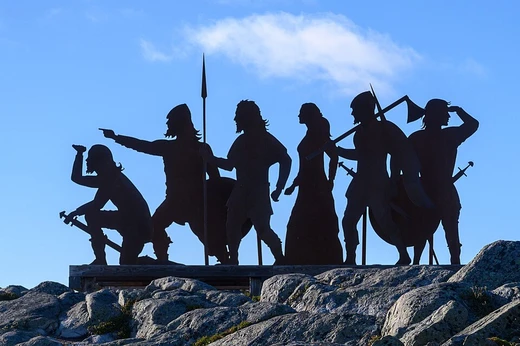
Scramble for Africa
The late 19th-century invasion, conquest, and colonisation of most of Africa by seven Western European powers.
Last updated

Bulllinzoneownere · CC0
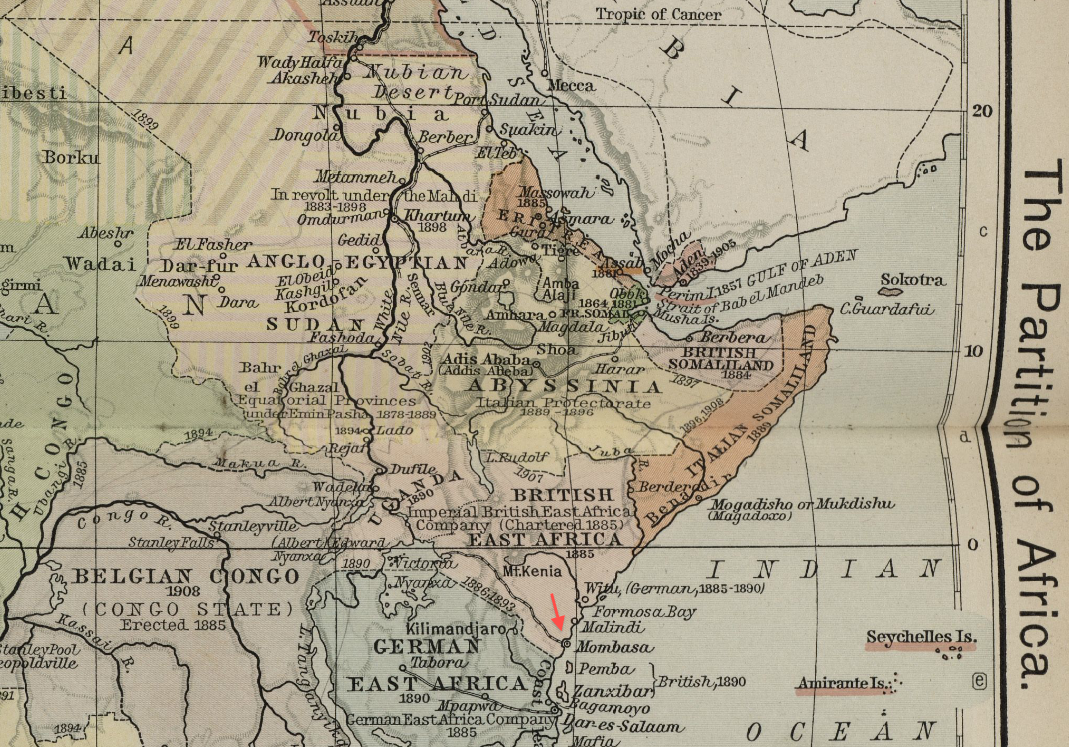
Between the late 1800s and early 1900s, seven Western European nations—Belgium, France, Germany, Italy, Portugal, Spain, and the United Kingdom—invaded, conquered, and colonized most of Africa. This period, known as the Scramble for Africa, was fueled by the Second Industrial Revolution and the era of "New Imperialism." The 1884–1885 Berlin Conference set the rules for European colonization and trade on the continent, symbolizing the rush. Political rivalries among European empires in the last quarter of the 19th century drove the colonization. Over time, European control shifted from indirect influence—military pressure and economic dominance—to direct rule.
Background
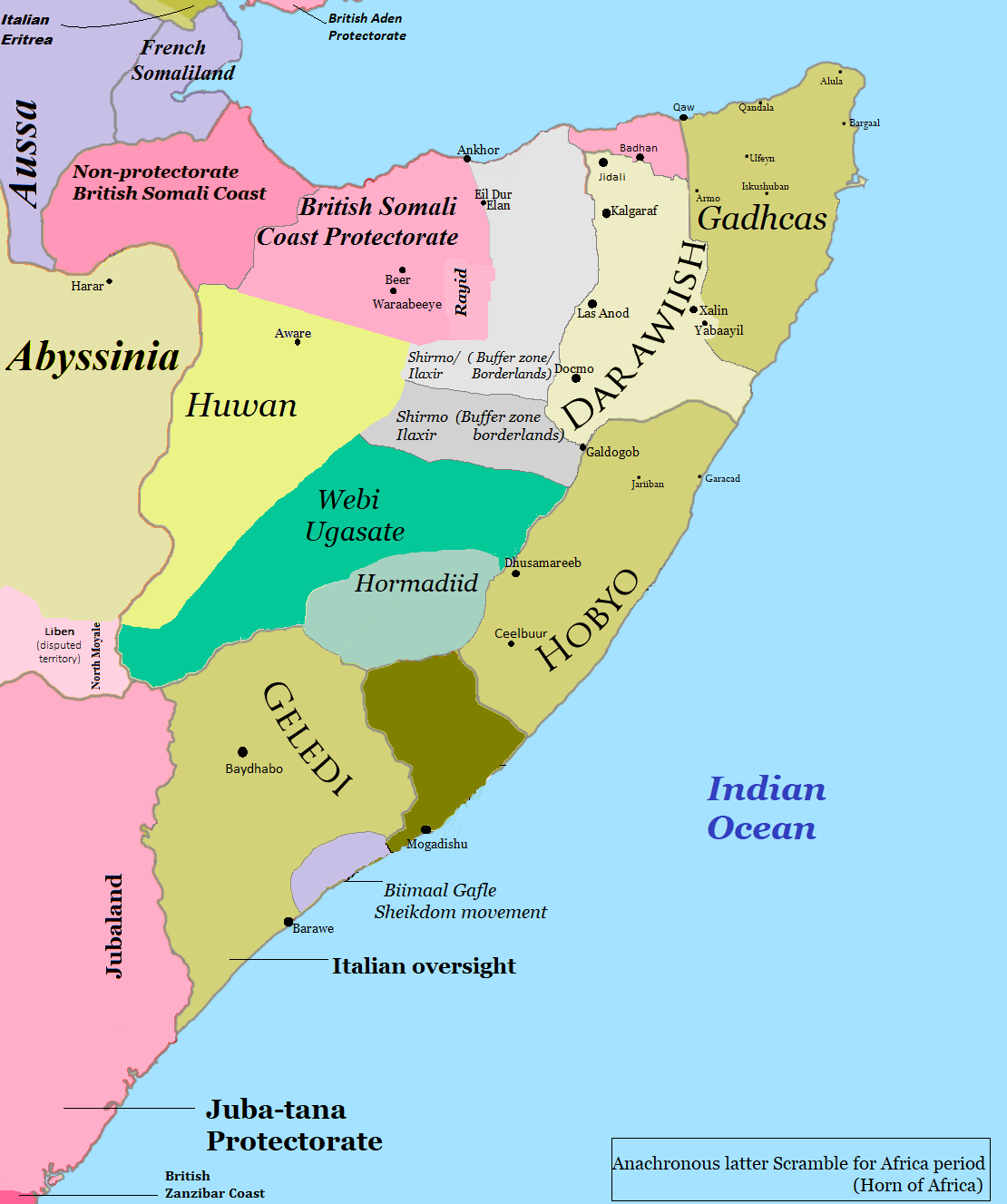
After the two world wars, European colonial empires weakened, and most African colonies gained independence during the Cold War. In 1964, the Organisation of African Unity decided to keep the colonial borders, fearing civil wars and regional instability, while promoting pan-Africanism. By 1841, European merchants had set up small trading posts along Africa’s coasts but rarely moved inland, preferring to trade with locals.
Much of the continent was dangerous for Europeans due to tropical diseases like malaria, which caused high death rates. In the mid-19th century, explorers mapped large parts of East and Central Africa. As late as the 1870s, Europeans controlled only about 10% of Africa, all near the coasts. Key holdings included Portugal’s Angola and Mozambique, Britain’s Cape Colony, and France’s Algeria.
By 1914, only Ethiopia and Liberia remained independent—Ethiopia was later occupied by Italy in 1936, and Liberia had strong ties to the United States. Technology made overseas expansion easier. Industrialization brought steamships, railways, and telegraphs.
Africa and global markets
Medical advances, especially quinine for malaria, made tropical areas more accessible. Sub-Saharan Africa was one of the last regions untouched by informal imperialism, attracting business entrepreneurs. During the Long Depression (1873–1896), Britain faced a growing trade deficit and shrinking, protectionist European markets. Africa offered Britain, Germany, France, and others an open market where they could sell more than they bought, creating a trade surplus.
Quick Facts
- Participating powers
- Belgium
- France
- Germany
- Italy
- Portugal
- Spain
- United Kingdom
Facts from the source article.
Lore & Background
The 1884–1885 Berlin Conference regulated European colonisation and trade in Africa, and is seen as emblematic of the 'scramble'. In the last quarter of the 19th century, there were considerable political rivalries between the European empires, which provided the impetus for the colonisation. The later years of the 19th century saw a transition from 'informal imperialism' – military influence and economic dominance – to direct rule. With the decline of the European colonial empires in the wake of the two world wars, most African colonies gained independence during the Cold War, and decided to keep their colonial borders in the Organisation of African Unity conference of 1964 due to fears of civil wars and regional instability, placing emphasis on pan-Africanism.
The Berlin Conference and the Architecture of Division
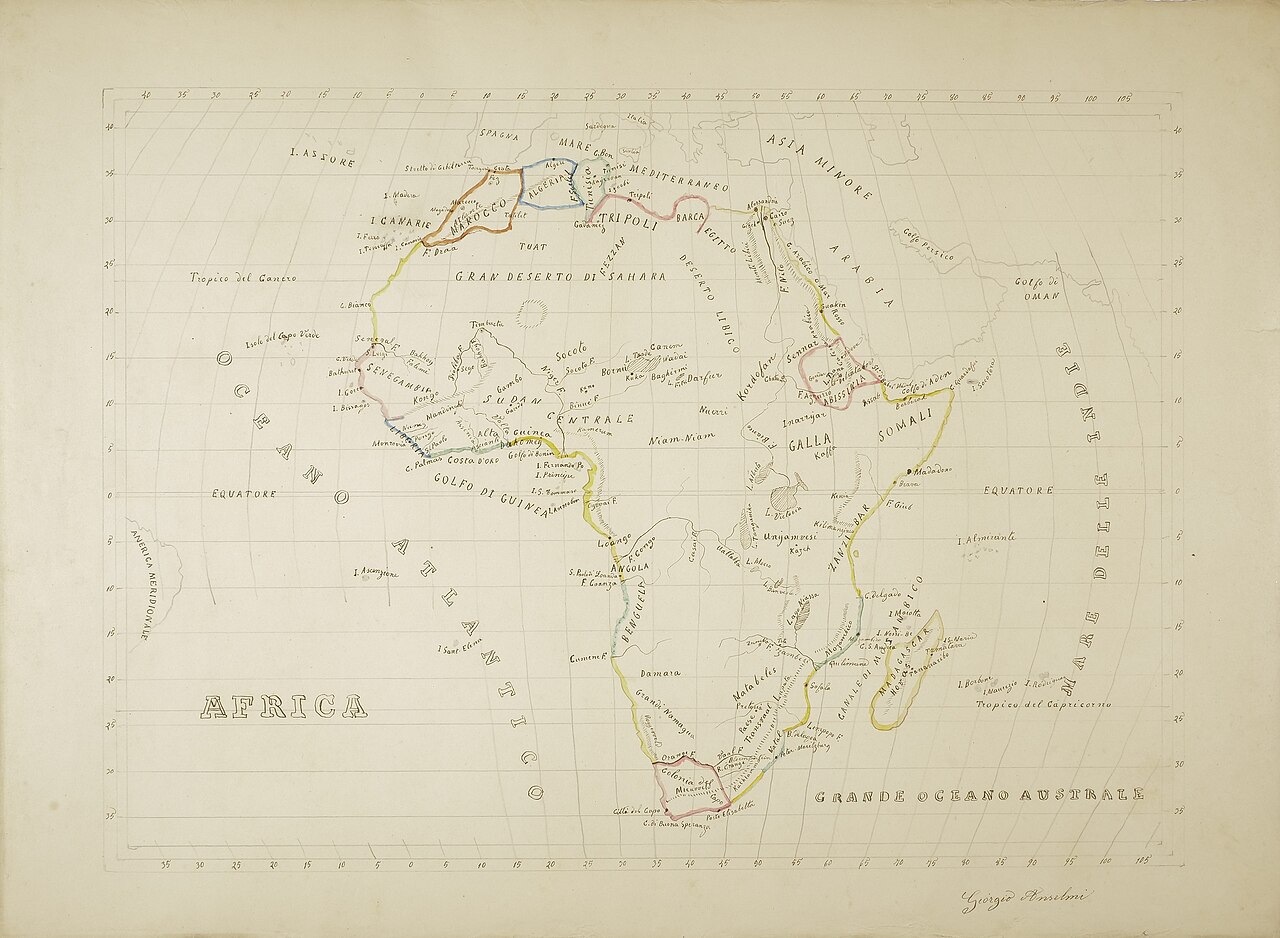
The 1884–1885 Berlin Conference stands as the symbolic centerpiece of the Scramble for Africa, a diplomatic gathering that formalized the rules governing how seven Western European powers—Belgium, France, Germany, Italy, Portugal, Spain, and the United Kingdom—would partition the continent. Driven by the economic energies of the Second Industrial Revolution and the broader era of New Imperialism, these nations moved beyond the older model of informal imperialism, where military influence and economic dominance sufficed, toward a more assertive posture of direct territorial rule. The political rivalries among European empires in the final quarter of the nineteenth century provided the immediate impetus for this rush.
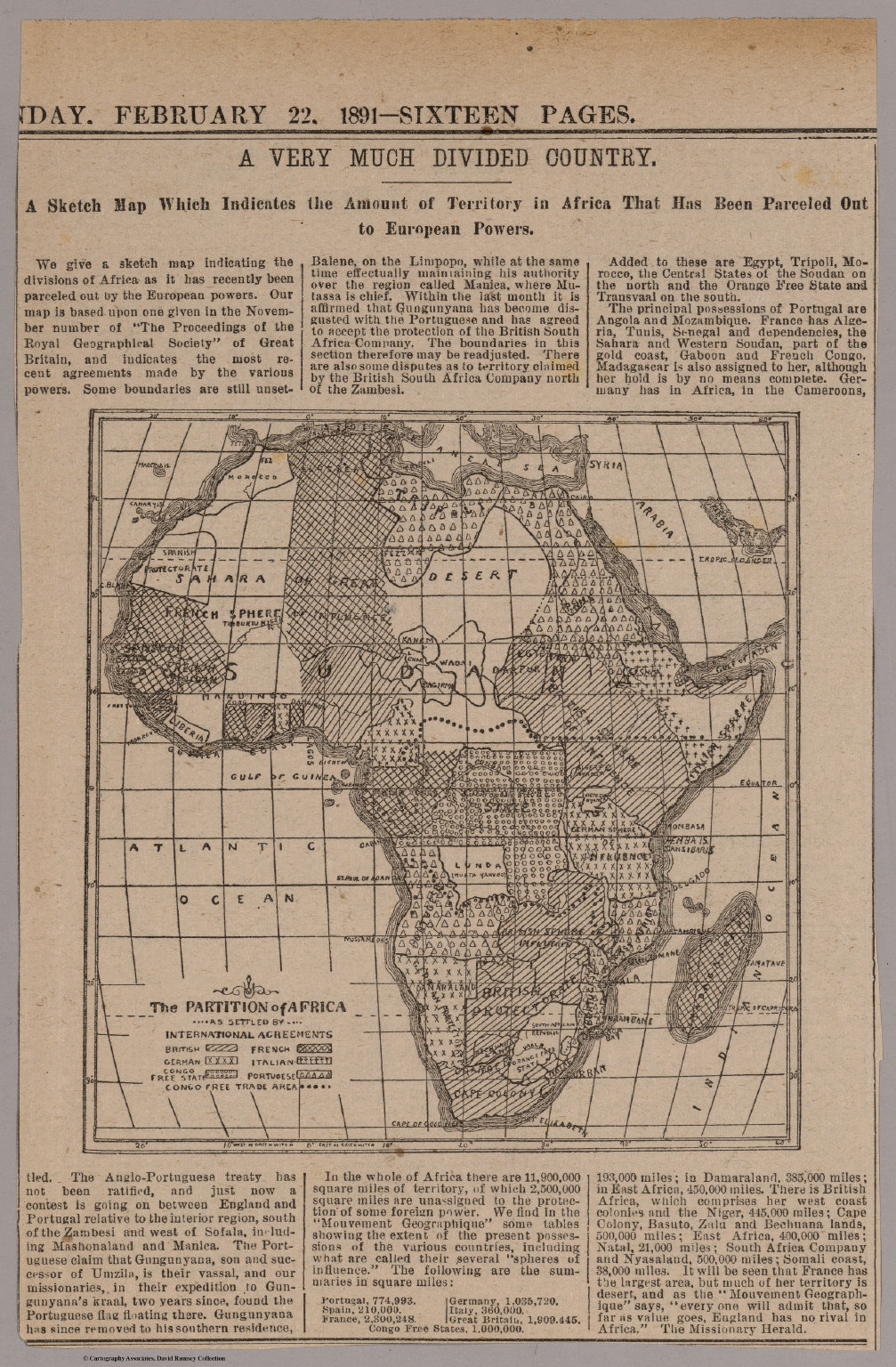
What had been a patchwork of coastal trading posts and limited holdings—Portugal's Angola and Mozambique, Britain's Cape Colony, France's Algeria—expanded dramatically. By 1914, the continent was almost entirely carved up, with only Ethiopia and Liberia remaining outside European control. The conference thus transformed a competitive scramble into a regulated, if still violent, process of conquest.
Technology, Medicine, and the Opening of the Interior
For centuries, the African interior remained largely inaccessible to Europeans. Tropical diseases, particularly malaria, created mortality rates that made prolonged inland presence nearly impossible, and early traders confined themselves to coastal posts, rarely venturing beyond the reach of the sea. The mid-nineteenth century saw explorers begin mapping East and Central Africa, but true large-scale penetration required a convergence of technological and medical breakthroughs. Industrialization delivered steamships, railways, and telegraphs, transforming transportation and communication across vast distances.
Equally critical was the development of quinine, an effective treatment for malaria, which rendered the tropics far more survivable for European personnel. By the 1870s, Europeans still controlled only about ten percent of the continent, all of it coastal. Yet within a generation, these advances in medicine, transport, and communication dismantled the natural barriers that had previously limited European presence, enabling the rapid territorial expansion that characterized the final decades of the century.
Economic Motivations and the Capitalism Debate
The economic logic driving the Scramble was multifaceted. During the Long Depression of 1873 to 1896, Britain's balance of trade deteriorated as continental markets shrank and turned increasingly protectionist. Africa, as one of the last regions untouched by informal imperialism, presented an open market that could generate trade surpluses. Pro-imperialist voices like Jules Ferry, Francesco Crispi, and the Alldeutscher Verband argued that sheltered overseas markets would relieve the pressures of overproduction and falling prices.
The demand for raw materials—ivory, rubber, palm oil, cocoa, diamonds, tea, and tin—added another layer of economic incentive. Yet the scholarly picture is contested. John A. Hobson identified the shrinking of continental markets as a key driver of New Imperialism, while William Easterly challenges the tight link between capitalism and imperialism, arguing instead that colonialism served state-led development more than corporate enterprise. Notably, despite the rhetoric, European nations invested relatively limited capital in Africa outside the area that became the Union of South Africa in 1910.
Strategic Rivalry and the Enduring Legacy of Colonial Borders
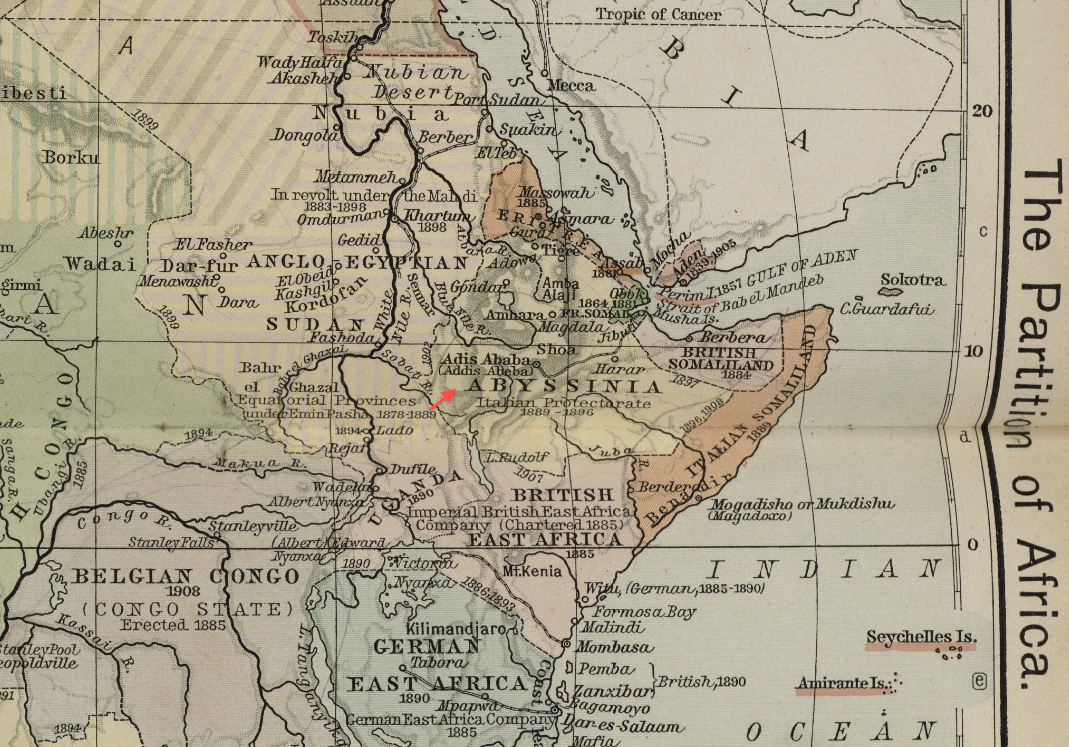
Beyond economics, the Scramble was fueled by strategic and geopolitical calculations. Britain sought to protect the Suez Canal, completed in 1869, and secure stopover ports along the southern and eastern African coasts for the sea route to India. Growing steam-powered navies required coaling stations and maintenance ports, while defence bases became essential for guarding vital waterways and communication lines. Colonies also functioned as bargaining chips in balance-of-power negotiations, and their large native populations offered military manpower—Britain and France both drew heavily on Indian and North African troops in colonial conflicts.
In the age of nationalism, empire became a status symbol intertwined with the rhetoric of the White Man's Burden. The legacy of this partition persisted long after decolonization. When most African colonies gained independence during the Cold War, the Organisation of African Unity conference in 1964 chose to preserve the colonial borders, fearing that redrawing them would trigger civil wars and regional instability, while placing emphasis on pan-African unity.
Reader's Guide
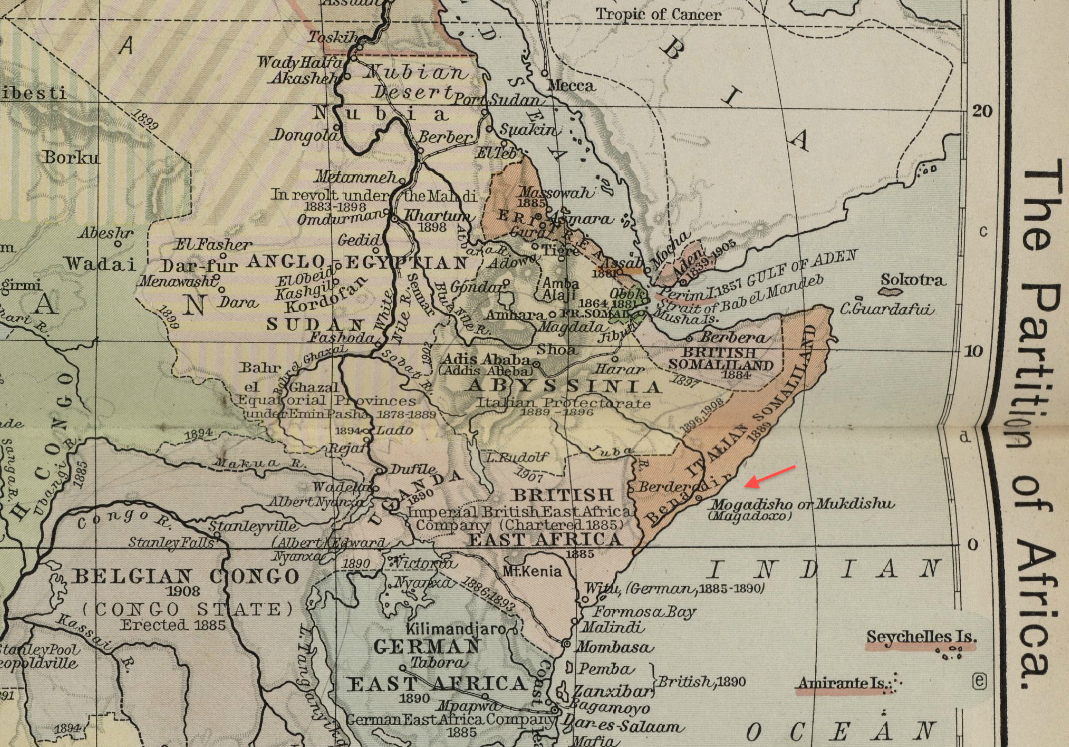
By 1841, businessmen from Europe had established small trading posts along the coasts of Africa, but they seldom moved inland, preferring to stay near the sea. They primarily traded with locals. Large parts of the continent were essentially uninhabitable for Europeans because of their high mortality rates from tropical diseases such as malaria. In the middle of the 19th century, European explorers mapped much of East Africa and Central Africa.
As late as the 1870s, Europeans controlled approximately 10% of the African continent, with all their territories located near the coasts. The most important holdings were Angola and Mozambique, held by Portugal; the Cape Colony, held by the United Kingdom; and Algeria, held by France. By 1914, only Ethiopia and Liberia remained outside European control, with the former eventually being occupied by Italy in 1936 and the latter having strong connections with the United States.
Technological advances facilitated European expansion overseas. Industrialization brought about rapid advancements in transportation and communication, especially in the forms of steamships, railways and telegraphs. Medical advances also played an important role, especially medicines for tropical diseases, which helped control their adverse effects. The development of quinine, an effective treatment for malaria, made vast expanses of the tropics more accessible for Europeans.
Frequently Asked Questions
What is the Scramble for Africa?
It refers to the rapid wave of European invasion, conquest, and colonisation that swept across nearly the entire African continent in the late 1800s and early 1900s. The push was fuelled by the Second Industrial Revolution and the broader era of New Imperialism.
Which European powers took part in the Scramble for Africa?
Seven Western European nations—Belgium, France, Germany, Italy, Portugal, Spain, and the United Kingdom—competed to claim territory on the continent. Together they carved up almost all of Africa among themselves.
What time period does the Scramble for Africa cover?
The main wave of partition ran from the late 19th century into the early 20th century. It is generally treated as the defining era of European territorial grab across the continent.
Which African territories escaped European colonisation during the Scramble?
Only Ethiopia and Liberia remained outside direct European control. Every other territory on the continent was claimed by one of the seven participating powers.
Why does the Scramble for Africa still matter today?
The arbitrary borders drawn during the partition were formally preserved when the Organisation of African Unity conference in 1964 chose to keep colonial boundaries intact. That decision means the political map of modern Africa still reflects 19th-century European negotiations rather than indigenous boundaries.
Also in the Codexery
More in Exploration & Colonization
Sources
Compiled from Wikipedia and the sources listed below. Text from Wikipedia is available under CC BY-SA 4.0; this entry is adapted from it.
- Wikipedia: Scramble for Africa (CC BY-SA 4.0).
Spotted an error? Know more?
Reader corrections go straight into our review queue. Suggest an edit · How this site is sourced