Atlantic slave trade
Transatlantic transportation of enslaved Africans to the Americas.
Last updated

Great Britain. Parliament. House of Commons · Public domain
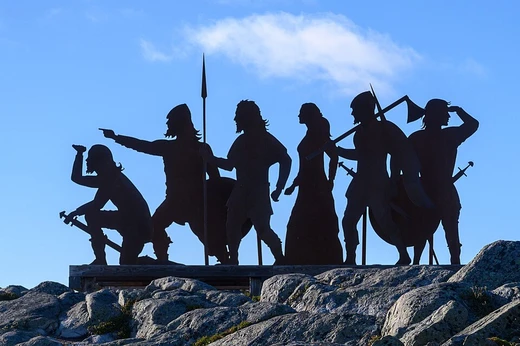
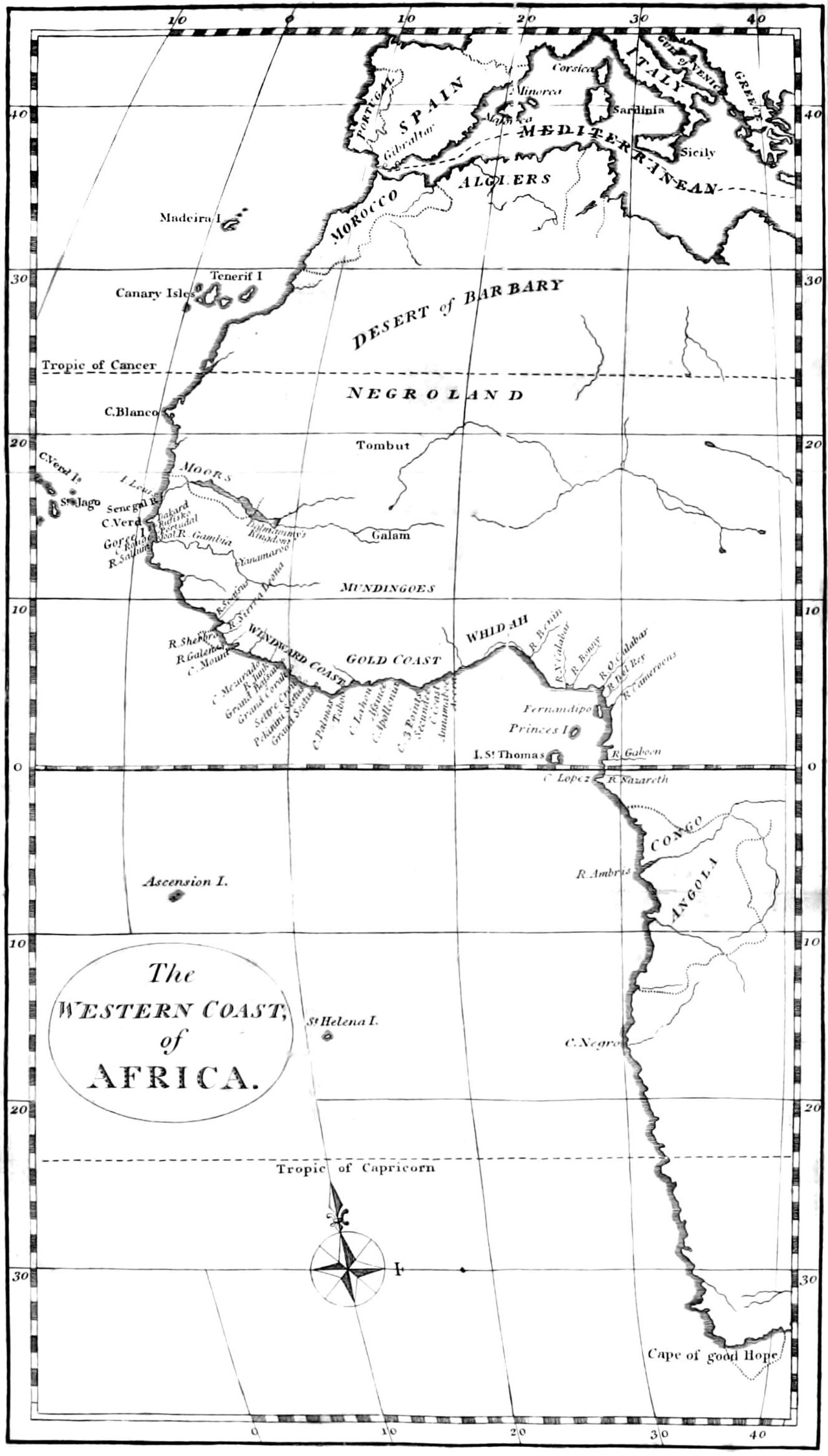
The Atlantic slave trade, also known as the transatlantic slave trade, involved the transportation of enslaved African people to the Americas by slave traders operating from Europe and the New World. It began in the 15th century with a coastal trade established by Europeans, and trade to the Americas started in the 16th century, lasting through the 19th century. Most of those transported were from Central and West Africa, and the trade was supplied by African slave merchants, with European raiding being uncommon and discouraged.
Lore & Background
The Atlantic slave trade developed after trade contacts between the Old World and the New World were established. European seafaring technologies, such as multi-masted vessels with center-line rudders, enabled Atlantic travel. The trade was primarily driven by the enormous demand for labor on plantations and in mines across the New World colonies.
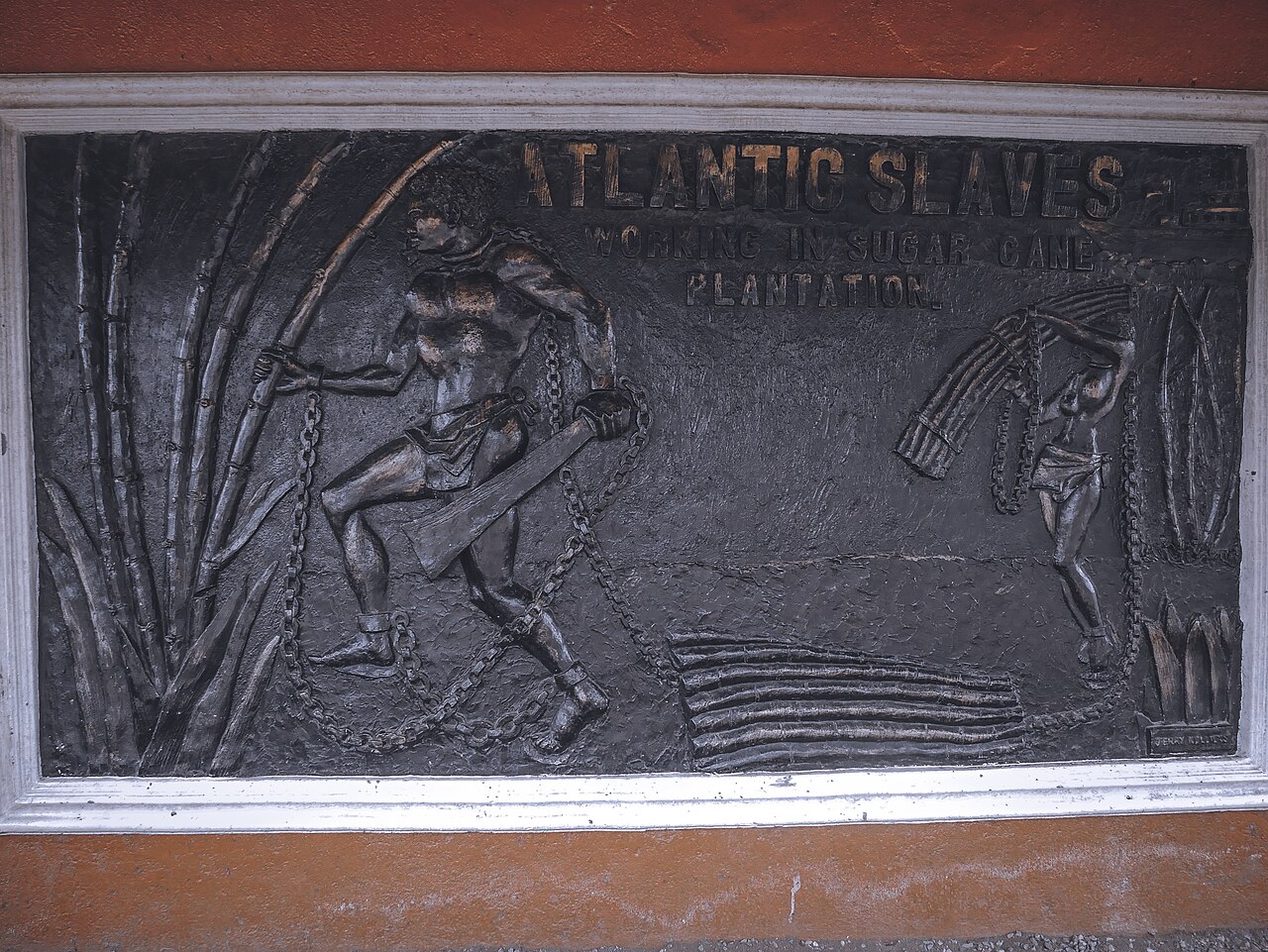
Slaves were sold in the Americas to work on plantations (coffee, tobacco, cocoa, sugar, cotton), in mines, rice fields, construction, timber cutting, as skilled labor, and as domestic servants. The first enslaved Africans sent to English colonies were classified as indentured servants, but by the mid-17th century, slavery hardened into a racial caste, with children born to slave mothers also enslaved. The major trading nations, in order of volume, were Portugal, Britain, Spain, France, the Netherlands, the United States, and Denmark.
Reader's Guide
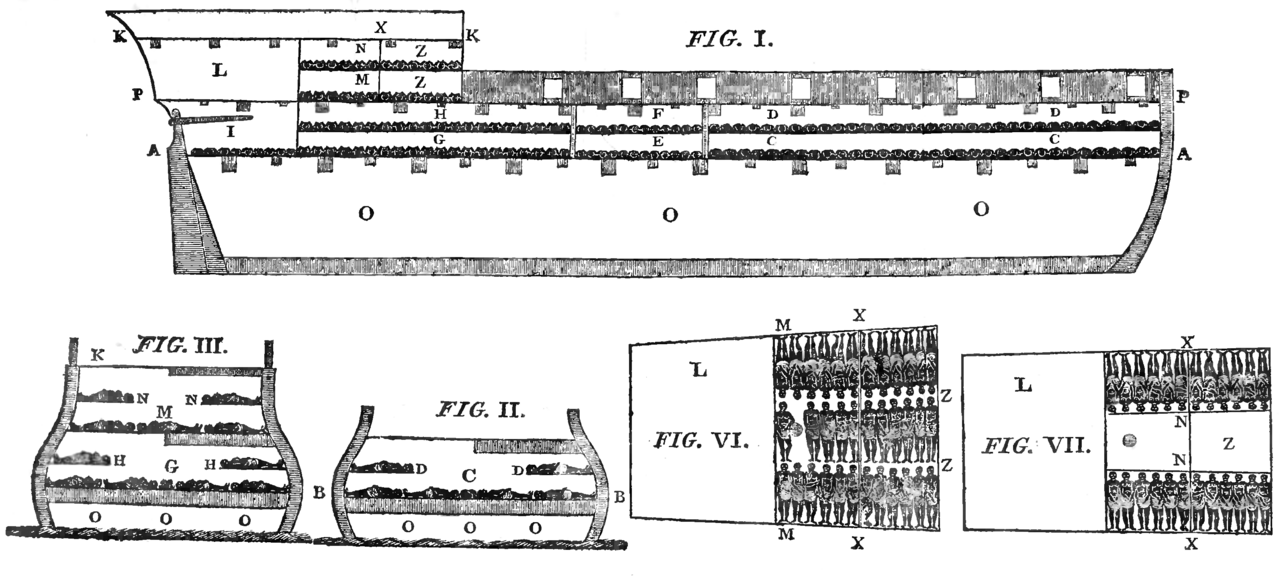
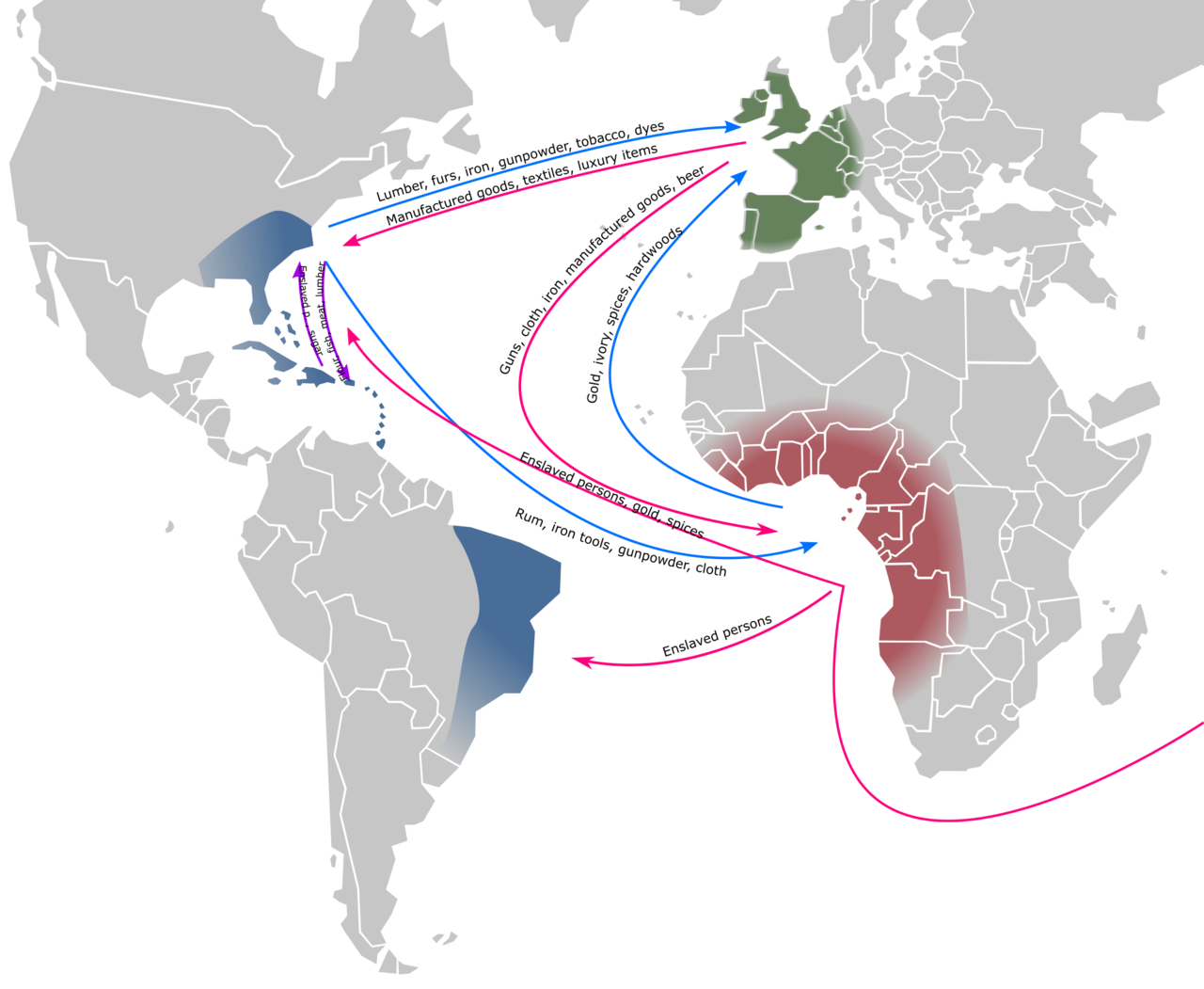
The Atlantic slave trade had profound demographic, economic, and social consequences. It involved the forced migration of an estimated 12.75 million Africans, with up to 2 million dying during the Middle Passage. The trade supplied labor for the Americas, where indigenous populations were shrinking due to European diseases and where European emigration was initially reluctant. The trade was operated by slave ships from Europe and the New World, often using the triangular trade route.
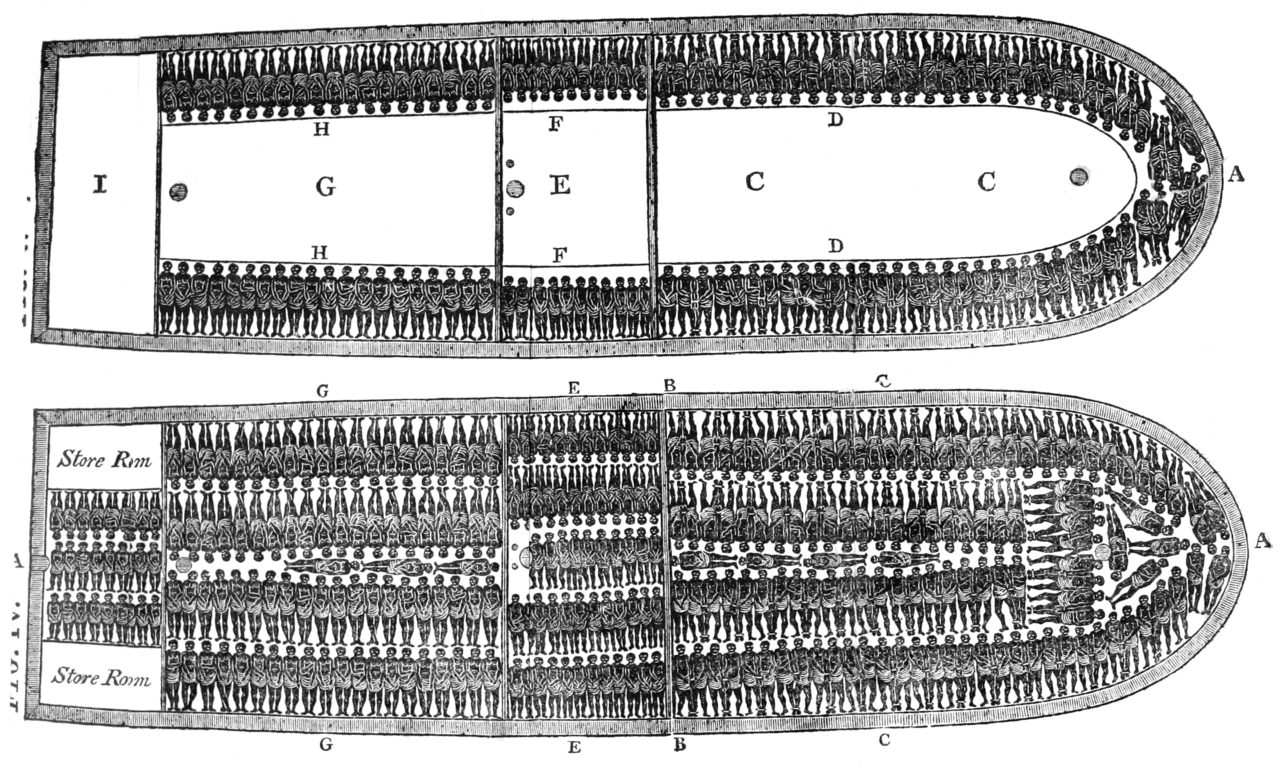
Near the beginning of the 19th century, governments began to ban the trade, though illegal smuggling continued. The trade's legacy includes the establishment of racial slavery as a legal institution in the Americas, where enslaved people and their offspring were considered property. The trade also contributed to the global exchange of goods, including gold, silver, sugar, cotton, and crops like tobacco and maize, as part of the Columbian exchange.

Did You Know?
- The Portuguese built barracoons in their African slaving bases to gather newly purchased captives.
- Northern European slave traders often used their ship as a base, meaning the first slaves endured longer confinement on board.
- The largest slave trading ports were in South America, with New World-based ships probably carrying more enslaved people from Africa than those travelling in ships with a home port in Europe.
More in Exploration & Colonization
Sources
Compiled from Wikipedia and the sources listed below. Text from Wikipedia is available under CC BY-SA 4.0; this entry is adapted from it.
- Wikipedia: Atlantic slave trade (CC BY-SA 4.0).
Spotted an error? Know more?
Reader corrections go straight into our review queue. Suggest an edit · How this site is sourced