
Dutch East India Company
Chartered trading company and pioneer of joint-stock finance.
Last updated

Wikimedia Commons · CC BY 4.0
Dutch East India Company is considered one of the first joint-stock companies in the world and, due to its operations across multiple colonies and countries, sometimes the first multinational corporation. The VOC was granted an initial 21-year monopoly on Asian trade, which was renewed multiple times, and possessed quasi-governmental powers, including the ability to wage war, negotiate treaties, and establish colonies.
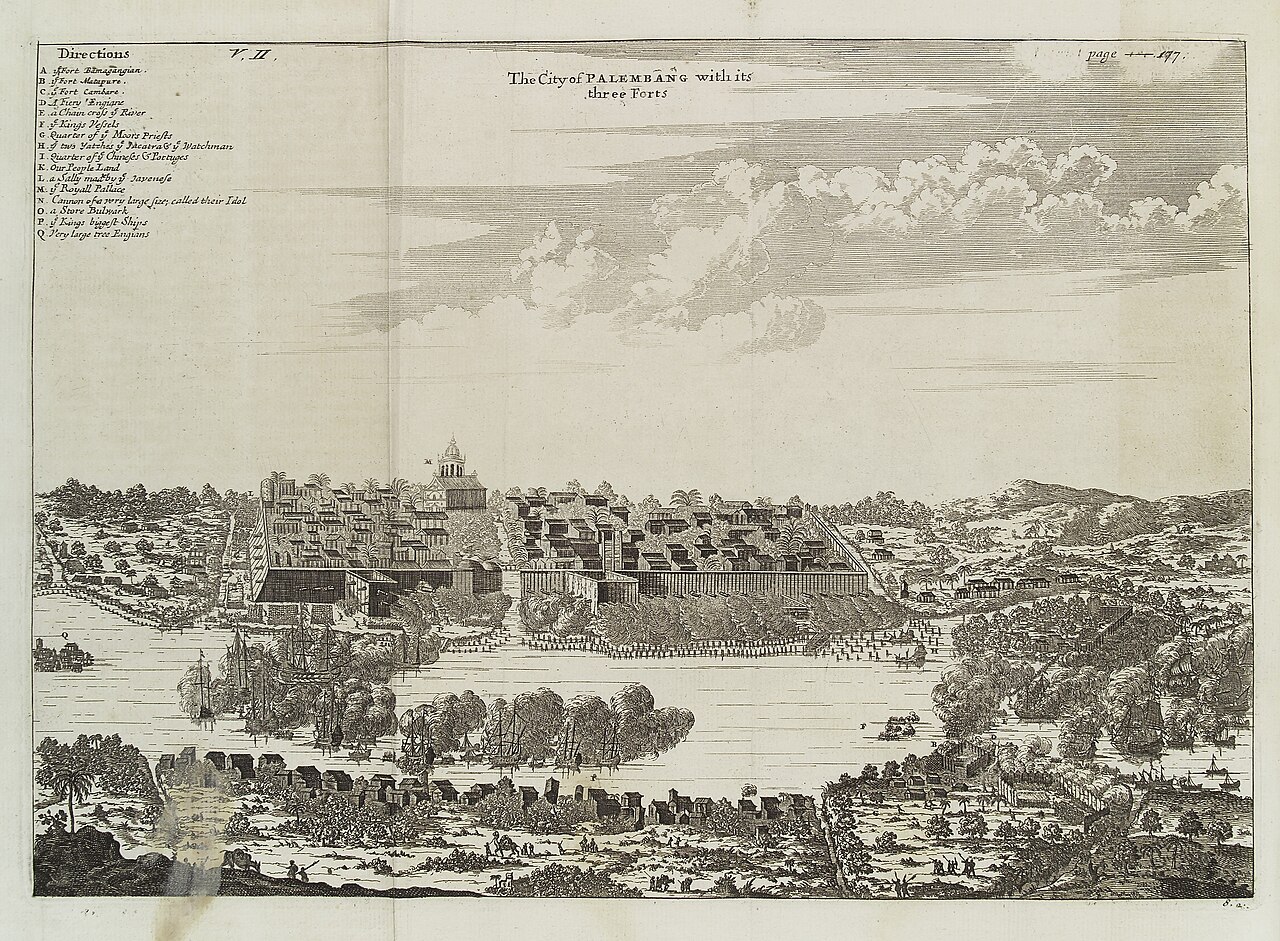
Lore & Background
The VOC was formed by amalgamating existing companies to profit from the Malukan spice trade. Over two centuries, it acquired additional ports and territories, dominating Asian trade. Shares could be purchased by any Dutch citizen and traded on open-air secondary markets, one of which became the Amsterdam Stock Exchange.

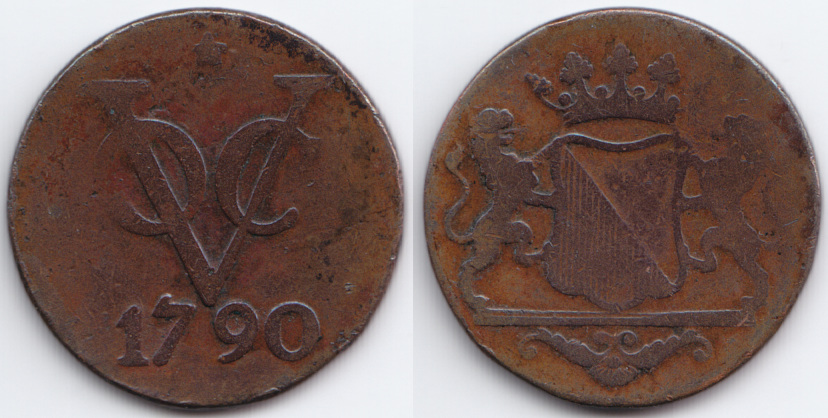
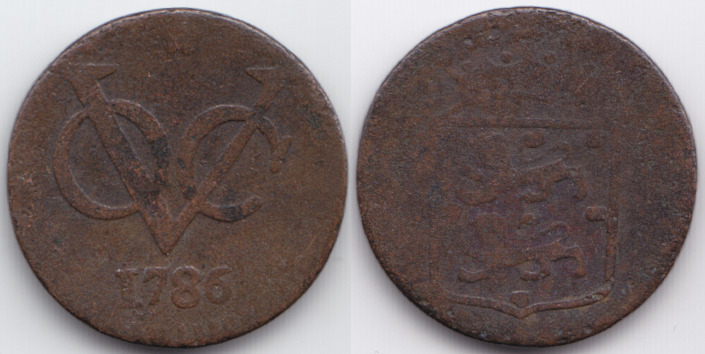
The VOC's monogram logo—a large 'V' with an O and C—is considered the first globally recognized corporate logo. The company paid dividends that fluctuated greatly over its history, with some years yielding no returns and others reaching higher percentages, rather than a consistent annual average of 8–10%. Its possessions and debt were taken over by the Dutch Batavian Republic government.
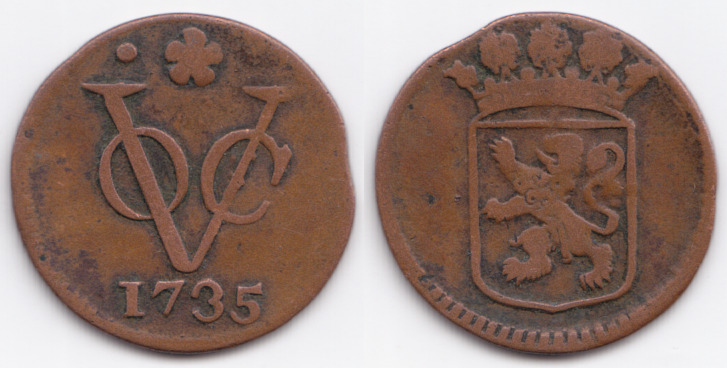
Reader's Guide
The Dutch East India Company's significance lies in its pioneering role as a joint-stock company and its immense impact on global trade and colonialism. By bundling resources and securing a state monopoly, the VOC reduced risk for investors and created a model for corporate finance that influenced modern capitalism. Its operations reshaped economies in Asia and Europe, particularly through its spice monopoly, which generated huge profits but also destroyed local economies in the Spice Islands by forcing down producer prices. The VOC's quasi-governmental powers allowed it to wage war, negotiate treaties, and establish colonies, effectively acting as a state within a state.
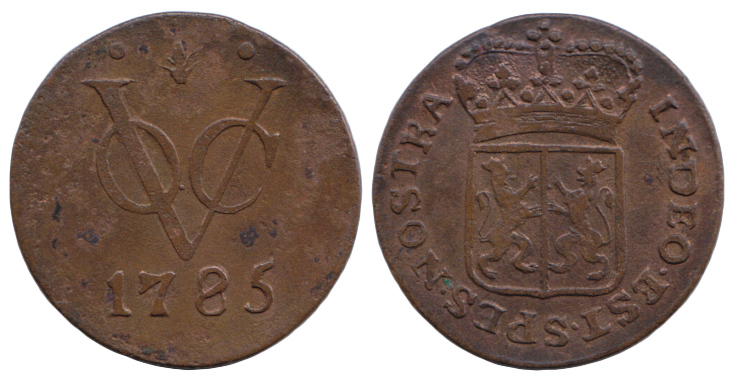
Its legacy includes the foundation of the Amsterdam Stock Exchange, the development of corporate branding, and the establishment of Dutch colonial presence in Indonesia. However, its eventual collapse due to corruption and administrative inefficiency highlights the challenges of managing vast, monopolistic enterprises. The VOC remains a key subject in studies of early modern globalization, corporate history, and colonial exploitation.
Frequently Asked Questions
What is Dutch East India Company known for?
Beyond ordinary commerce, the VOC held quasi-sovereign authority granted by the States General, allowing it to wage war, sign treaties with local rulers, and administer colonies. This blend of corporate and governmental power let it function almost as a state within a state across its Asian territories.
What was Dutch East India Company's spice monopoly?
The VOC received an exclusive 21-year charter to conduct all Dutch trade east of the Cape of Good Hope, effectively granting it sole access to the lucrative spice markets of the East Indies. This exclusive right, renewed multiple times over its existence, generated enormous profits and drove aggressive colonial expansion across the Indonesian archipelago.
More in Exploration & Colonization
Sources
Compiled from Wikipedia and the sources listed below. Text from Wikipedia is available under CC BY-SA 4.0; this entry is adapted from it.
- Wikipedia: Dutch East India Company (CC BY-SA 4.0).
Spotted an error? Know more?
Reader corrections go straight into our review queue. Suggest an edit · How this site is sourced