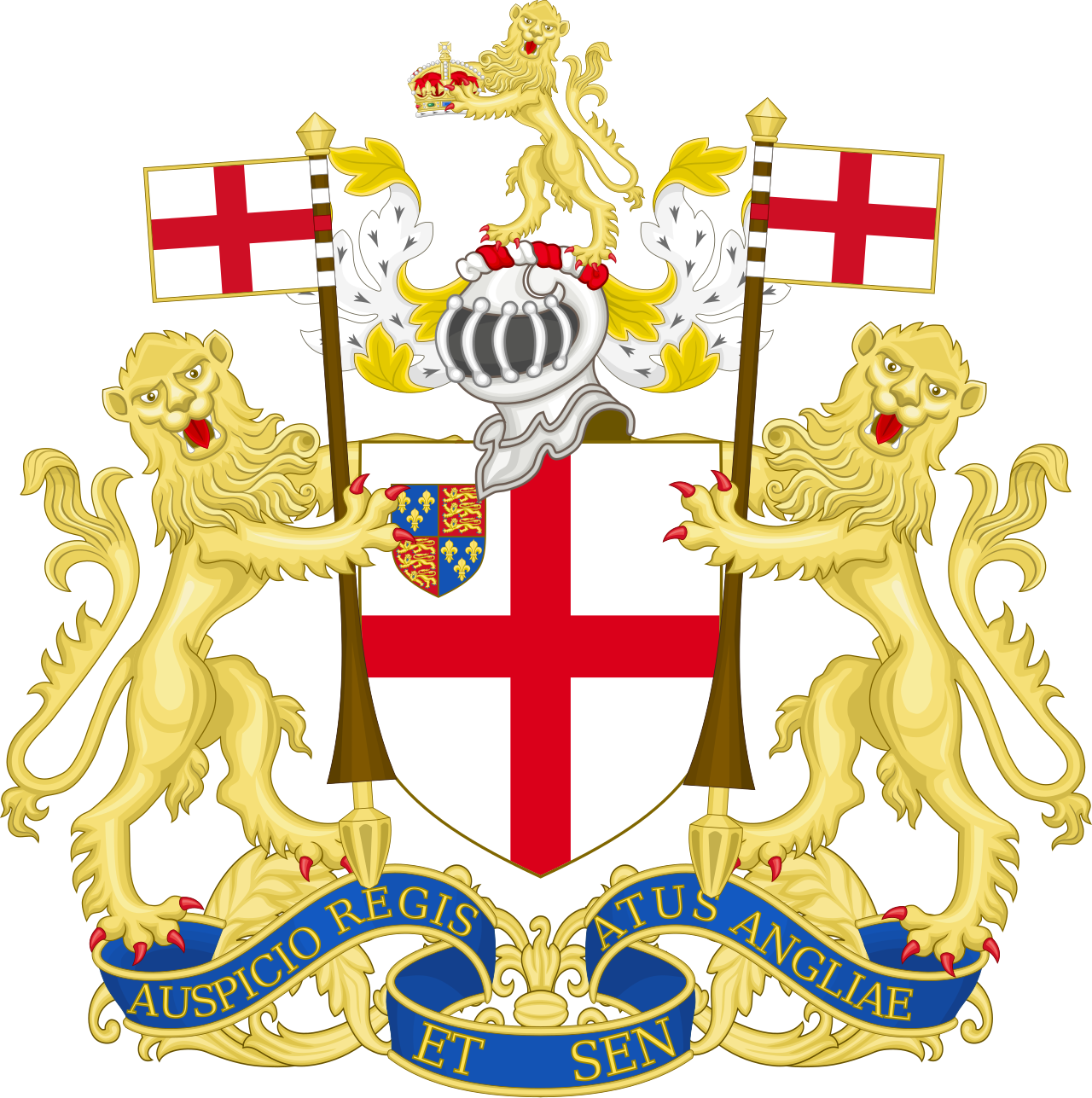
East India Company
Chartered company that ruled large parts of India and dominated key trade routes.
Last updated

John Bruce · Public domain
Its purpose was to conduct trade in the Indian Ocean, starting with the East Indies and subsequently expanding to East Asia.[1]
Key facts and history
It rose to account for half of the world's trade during the mid-1700s and early 1800s.[2] At its peak, the company was the largest corporation in the world and had its own armed forces totaling about 260,000 soldiers.[3] Company-ruled areas expanded after the Battle of Plassey in 1757.[4] The company was dissolved in 1874.[1]
By 1858, the company or princely states bound by treaties to it controlled most of what is now India, Pakistan, Bangladesh, and Lower Burma.[4] After the Indian Rebellion of 1857, the British Crown assumed direct control through the Government of India Act 1858.[4] The company then faced ongoing financial difficulties.[4]
What the cited sources add
Roos reports that the company commanded a private army of 260,000 soldiers, twice the size of the standing British army.[5] Roos notes that without the East India Company, there would be no imperial British Raj in India.[5] The Cambridge article states that the investigation received 1,959 individual testimonies from Indians complaining of torture.[6] A 2012 article from the University of Cambridge reports that in 1854 Parliament ordered the company to investigate allegations that torture was used to extract tax payments in the Madras Presidency.[6]
The Cambridge article notes that the company's archive spans from its foundation in 1600 to its dissolution in 1858.[6]
References
- Wikipedia, "East India Company" (CC BY-SA 4.0), which cites: "Not many days ago the House of Commons passed", Times, 8 April 1873, p. 9 (original not read by us) en.wikipedia.org
- Wikipedia, "East India Company" (CC BY-SA 4.0), which cites: Scott, "East India Company, 1817–1827", Archives Hub; Parliament of England, "Charter Granted by Queen Elizabeth to the East India Company", 31 December 1600; Farrington, "Trading Places: The East India Company and Asia 1600–1834", British Library, 2002 (original not read by us) en.wikipedia.org
- Wikipedia, "East India Company" (CC BY-SA 4.0), which cites: Roos, "How the East India Company Became the World's Most Powerful Monopoly", History, 2020-10-23 (we also read that source) en.wikipedia.org
- Wikipedia, "East India Company" (CC BY-SA 4.0), which cites: "East India Company and Raj 1785–1858", UK Parliament (original not read by us) en.wikipedia.org
- Roos, "How the East India Company Became the World's Most Powerful Monopoly", History, 2020-10-23. facts only, no text reused. history.com
- "Hidden narratives of torture University of Cambridge", www.cam.ac.uk, 2012-07-05. facts only, no text reused. cam.ac.uk
Each numbered sentence above was checked against the source it cites before publication. Sentences citing Wikipedia adapt text from the English Wikipedia article East India Company (contributors), used under CC BY-SA 4.0; this entry is available under the same licence. Other sources were used for facts only; no text or images are copied from them.
More in Exploration & Colonization
Related in Exploration & Colonization
Links follow this subject's own source article.
Sources
Compiled from Wikipedia and the sources listed below. Text from Wikipedia is available under CC BY-SA 4.0; this entry is adapted from it.
- Wikipedia: East India Company (CC BY-SA 4.0).
Spotted an error? Know more?
Reader corrections go straight into our review queue. Suggest an edit · How this site is sourced