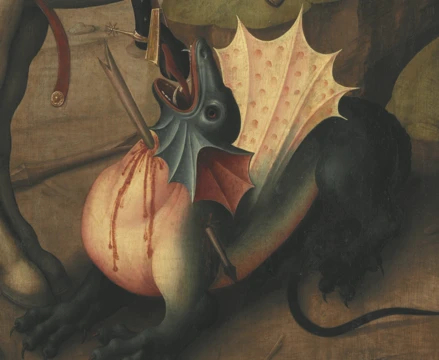
Helmet of Constantine
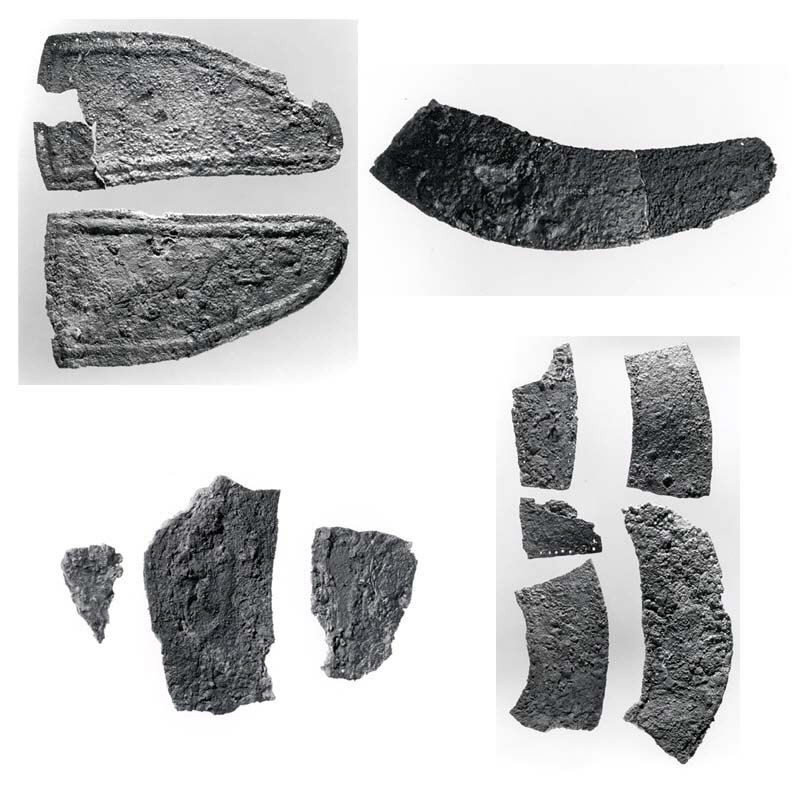
Lost helmet of Constantine, containing a Holy Nail relic.

North Lincolnshire Museum, Martin Foreman, 2011-02-16 16:49:01 · CC BY-SA 2.0
The Helmet of Constantine, a now-lost piece of headgear worn by the Roman Emperor Constantine the Great, appeared frequently in his official imagery. According to accounts by St. Ambrose and other writers, the helmet contained relics that Constantine’s mother, Empress St. Helena, had collected during her journey to the Holy Land. Constantine’s conversion to Christianity, occurring around AD 312 after the Battle of the Milvian Bridge, marked a pivotal shift. During this era, people believed that touching a deceased person’s body—or even an object that had touched that person—could convey special powers. This belief sparked a widespread effort to locate such relics, which were used to safeguard churches, cities, and individuals.
At the time, Constantine was thought to be protected by the relic he possessed. The helmet reportedly held one of the Holy Nails from the crucifixion of Jesus, not a fragment of the True Cross. After Constantine became Caesar, he issued the Edict of Milan in 313 and sent Helena to find the True Cross and return whatever she discovered. Helena located the cross and sent three nails from the crucifixion back to Rome for her son. One of these Holy Nails was incorporated into Constantine’s helmet, which was believed to shield him from harm. Beyond protection, the helmet was also said to fulfill a prophecy from the fourteenth chapter of the Book of Zechariah, which foretold that someone would engrave “Holiness to the Lord” on the bells of horses. However, the phrase “Holiness to the Lord” on a headpiece actually appears in Exodus 28:36-38, describing the high priest’s turban, not in Zechariah. At that time, the Roman emperor possessed the holiest relics known.
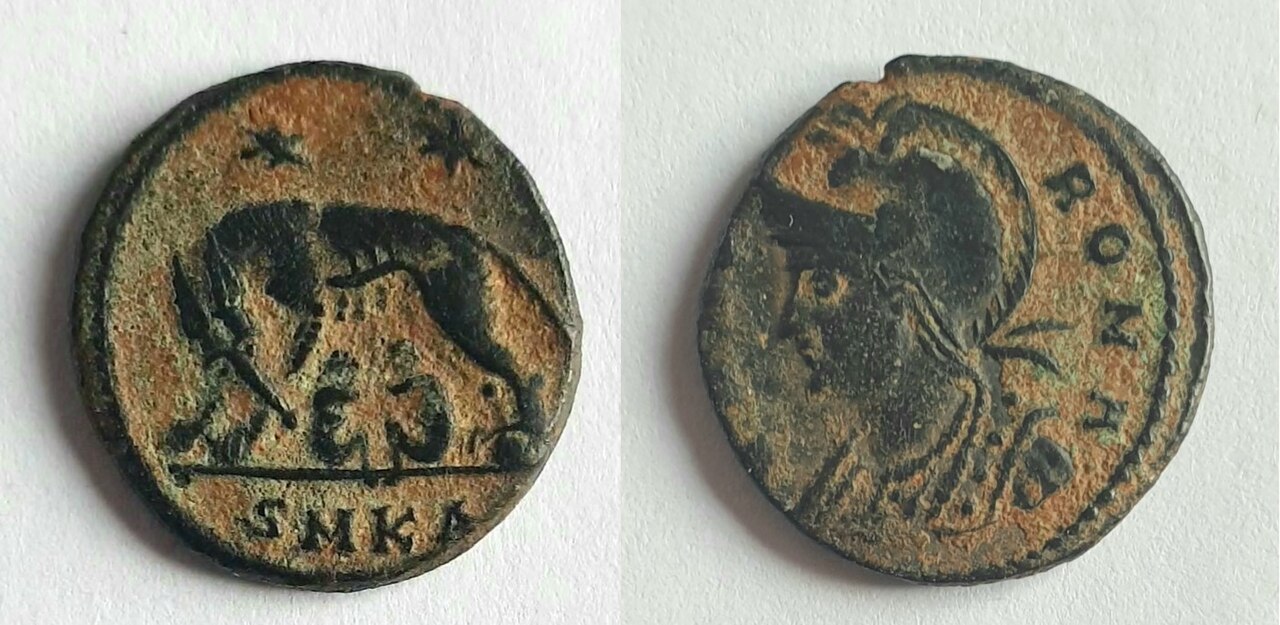
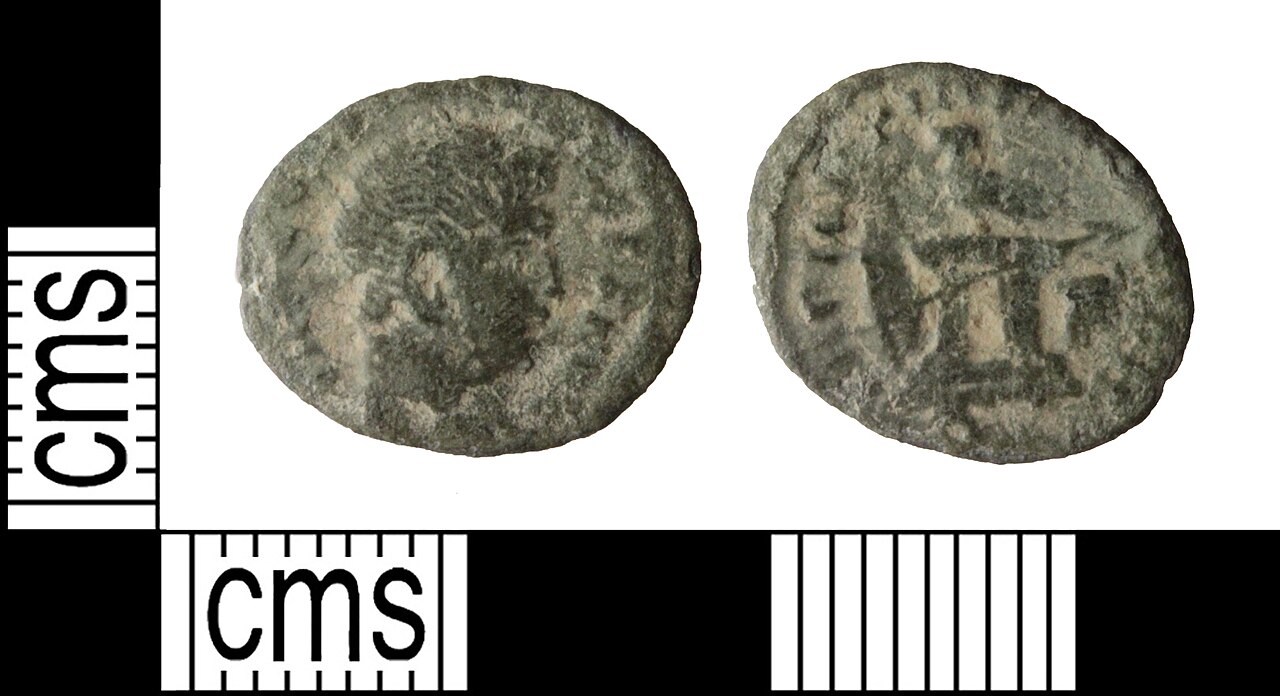
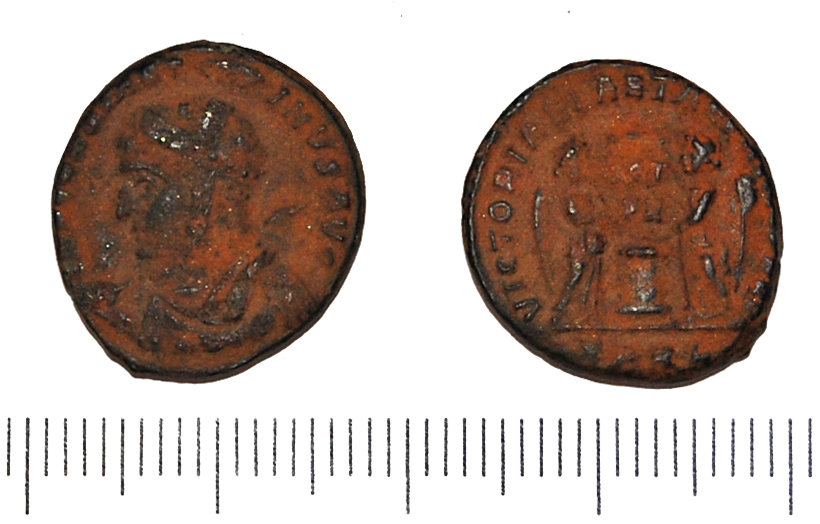
A rare silver medallion from 315 AD depicts Constantine with a chi-rho symbol as his helmet’s crest. Eusebius’ *Life of Constantine* notes that the emperor often wore such a helmet in later life, though it does not appear on other bronze coins. Constantine made sure the entire Roman Empire knew he owned this sacred helmet. He issued coins showing himself wearing it on the obverse; every VLLP coin featured Constantine in his helmet. This was one method he used to steer the empire away from pagan religion toward Christianity. The coins minted after he acquired the helmet revealed that the nail was not its only religious element.
- Type
- Helmet (lost)
- Associated ruler
- Constantine the Great
- Associated relic
- One of the Holy Nails from the crucifixion of Jesus
- Material
- Iron and gold
- Symbols
- Chi-rho (Christogram), labarum piercing a dragon
- Mentioned in
- Eusebius' Life of Constantine, coins, silver medallion (315 AD)
Lore & Background
The helmet that Constantine wore was said to contain one of the Holy Nails from the crucifixion of Jesus, not a piece of the True Cross. After Constantine was made Caesar, he issued the Edict of Milan (313), sending his mother Helena to find the True Cross and to send back what she found. Helena found the cross and sent three nails that were used in the crucifixion of Jesus back to Rome and her son Constantine. The helmet that Constantine wore included one of the Holy Nails that Saint Helena found at the crucifixion site. By making the helmet with one of the nails, it was supposed to protect him from any harm. Not only was it a sign of protection, but it was also said to fulfill a prophecy. The prophecy in the fourteenth chapter of the Book of Zechariah mentions 'Holiness to the Lord' on the bells of horses, not on a man's headpiece; the phrase on a headpiece appears in Exodus 28:36-38, describing the high priest's turban.
Reader's Guide
The Helmet of Constantine is significant as a physical symbol of the emperor's conversion to Christianity and his use of religious relics to legitimize his rule. By incorporating a Holy Nail from the crucifixion into his helmet, Constantine presented himself as divinely protected and as the fulfillment of biblical prophecy. The helmet's image on coins—showing the chi-rho symbol and other Christian motifs—was a deliberate tool to move the Roman Empire away from pagan religion and toward Christianity. The helmet also represented the strength of the Roman Empire through both military force and God. Though now lost, its depiction in art and coinage provides evidence of how Constantine merged imperial authority with Christian iconography, influencing the later development of Christian state symbolism.
Did You Know?
- The helmet was said to contain a piece of the True Cross and one of the Holy Nails found by Empress St. Helena.
- A rare silver medallion dated 315 AD shows Constantine with a chi-rho symbol as the crest of his helmet.
- The helmet was mainly a crown fastened to the head by two clamps, made of iron and gold.
- Constantine had coins made with his image wearing the helmet to let the entire Roman Empire know he owned this holy helmet.
The Relic and Its Sacred Origin
Around the turn of the fourth century, a powerful belief took hold across the Roman world: that physical contact with a deceased person's body, or even objects that had touched them, carried extraordinary spiritual power. This conviction fueled a widespread movement to locate and preserve sacred relics, which were thought to shield churches, cities, and individual believers. Into this context stepped Empress Helena, mother of the newly converted Emperor Constantine. After Constantine issued the Edict of Milan in 313, he dispatched his mother to the Holy Land with a specific mission—to find the True Cross upon which Jesus had been crucified and return whatever she discovered. Helena succeeded in her search and sent back to Rome three of the nails used in the crucifixion. One of these nails was subsequently set into the helmet that Constantine wore, transforming a piece of military equipment into a vessel of divine protection. St. Ambrose and other early Christian writers recorded the story of how this relic came to be housed in the emperor's headgear, cementing its place in both sacred history and imperial legend.
Imperial Propaganda and the Shift to Christianity
Constantine understood the enormous persuasive power of visual imagery, and he wielded the image of his holy helmet as a tool of political and religious transformation across the empire. A rare silver medallion dated to 315 AD depicts the emperor wearing a chi-rho symbol as the crest atop his helmet, while Eusebius's Life of Constantine confirms that the ruler frequently donned such a helmet in his later years. On the obverse of every VLLP coin struck under his authority, Constantine appeared with the helmet clearly visible, broadcasting his ownership of the sacred relic to every province of the Roman world. The helmet's decoration went beyond the embedded nail: a Christogram, which could represent either the cross or Christ himself, was inscribed upon it, alongside a striking image of a labarum piercing a serpent. The serpent stood for the Devil and, more broadly, for any adversary of the empire. By placing these symbols on currency that circulated in every market and camp, Constantine systematically redirected the spiritual allegiance of the Roman state from its pagan past toward the Christian faith.
Prophecy, Symbolism, and Divine Protection
The helmet's religious significance was not merely practical; it was woven into a larger theological narrative that Constantine and his court actively promoted. The inclusion of a Holy Nail was said to fulfil a prophecy found in chapter fourteen of the Book of Zechariah, which foretold that a figure would come bearing the inscription 'Holiness to the Lord' on both the bells of horses and the headpiece of a man. By housing the nail in his headgear, Constantine positioned himself as the fulfilment of that ancient prediction, and at the time he was regarded as the possessor of the holiest relics known to humanity. The chi-rho symbol he added to the helmet was believed to layer an extra degree of spiritual safeguarding on top of the protection already afforded by the relic itself. In the broader cultural context of the early fourth century, the belief that contact with a saint's or martyr's remains conferred special powers had sparked a widespread campaign to gather such objects for the defense of churches, cities, and individual people. Constantine's helmet, with its nail and its sacred inscriptions, stood at the very apex of that movement.
Construction and Battle Function
Despite its profound religious associations, the Helmet of Constantine was fundamentally a piece of military equipment designed for practical use on the battlefield. The majority of its structure was forged from iron and gold, combining durability with imperial prestige. The helmet's main body was a full protective headpiece, while the crown bearing the Holy Nail was a separate element fastened to the head by two clamps. This design allowed the emperor to wear the full helmet in combat and then easily remove the sacred crown when it was no longer needed. The chi-rho symbol, which Constantine had the crown inscribed with, was intended to provide an additional layer of divine protection beyond what the embedded relic alone could offer. Eusebius noted that the emperor often wore such a helmet in his later years, and the silver medallion of 315 AD confirms its regular use. Though the physical object is now lost, surviving coins and the medallion preserve its image, and the VLLP coinage ensured that every subject of the empire saw the emperor crowned in iron, gold, and sacred symbol.
Gallery
Frequently Asked Questions
What is the Helmet of Constantine?
It was a ceremonial iron-and-gold headpiece worn by the Roman Emperor Constantine the Great, now lost to history. The object is known to us through ancient literary accounts, surviving coinage, and a silver medallion struck in 315 AD.
What dragon imagery appears on the Helmet of Constantine?
The helmet bore a design of a labarum (imperial military standard) striking down a dragon, paired with the Chi-rho Christogram. This composition visually declared the victory of the Christian faith over the old pagan order.
What relics were said to be housed inside the Helmet of Constantine?
Early writers such as St. Ambrose reported that the helmet contained sacred objects gathered by Constantine's mother, Empress St. Helena, on her pilgrimage to the Holy Land. Among them was one of the Holy Nails from the crucifixion of Jesus.
Where is the Helmet of Constantine today?
The physical helmet no longer exists; it is a lost artifact. Our knowledge of its appearance and contents comes from Eusebius' Life of Constantine, Roman coins, and the 315 AD silver medallion.
Why does the Helmet of Constantine matter to the study of dragons in art?
It is one of the earliest recorded instances of a dragon rendered as a defeated, trampled figure in Christian imperial iconography. That vanquished-dragon motif went on to become a standard visual shorthand in medieval and later European art.
More in Dragons in art 1-20
Spotted an error? Know more?
Reader corrections go straight into our review queue. Suggest an edit · How this site is sourced