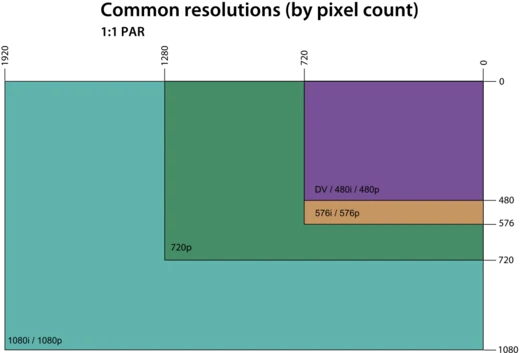
HDMI
Proprietary digital interface for high-quality audio and video transmission.

Vcengic · CC BY-SA 4.0
HDMI (High-Definition Multimedia Interface) is a proprietary digital interface used to transmit high-quality video and audio signals between devices. It is commonly used to connect televisions, computer monitors, projectors, gaming consoles, and personal computers, supporting uncompressed video and digital audio over a single cable. Introduced in 2003, HDMI largely replaced older analog video standards such as composite video, S-Video, and VGA in consumer electronics, and as of January 2026, nearly 14 billion HDMI-enabled devices have been sold worldwide, making it one of the most widely adopted audio/video interfaces.
Quick Facts
- Designer
- HDMI Forum (Founders: Hitachi, Matsushita, Maxell, Philips, Silicon Image, Sony, Thomson and Toshiba)
- Superseded
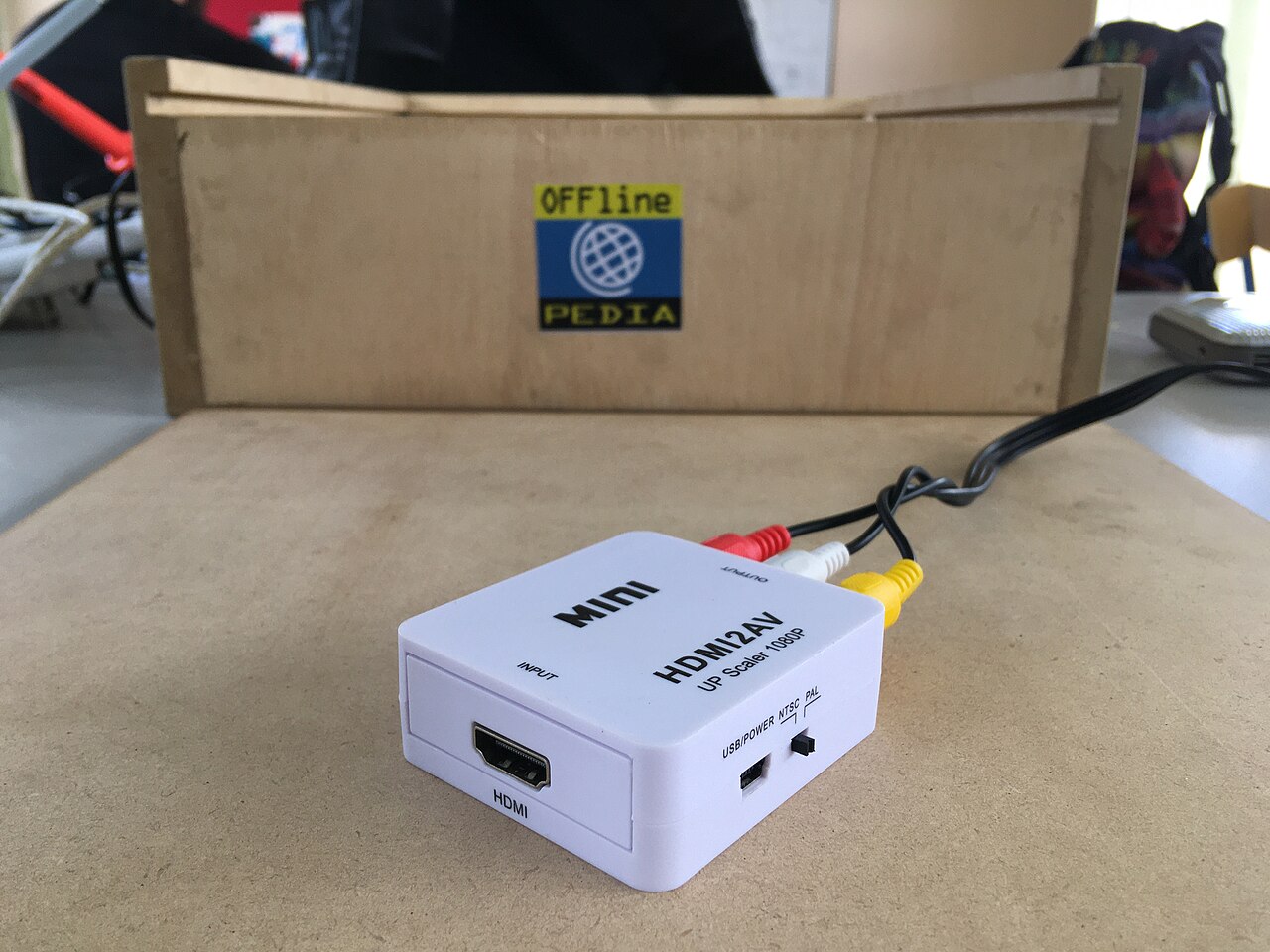
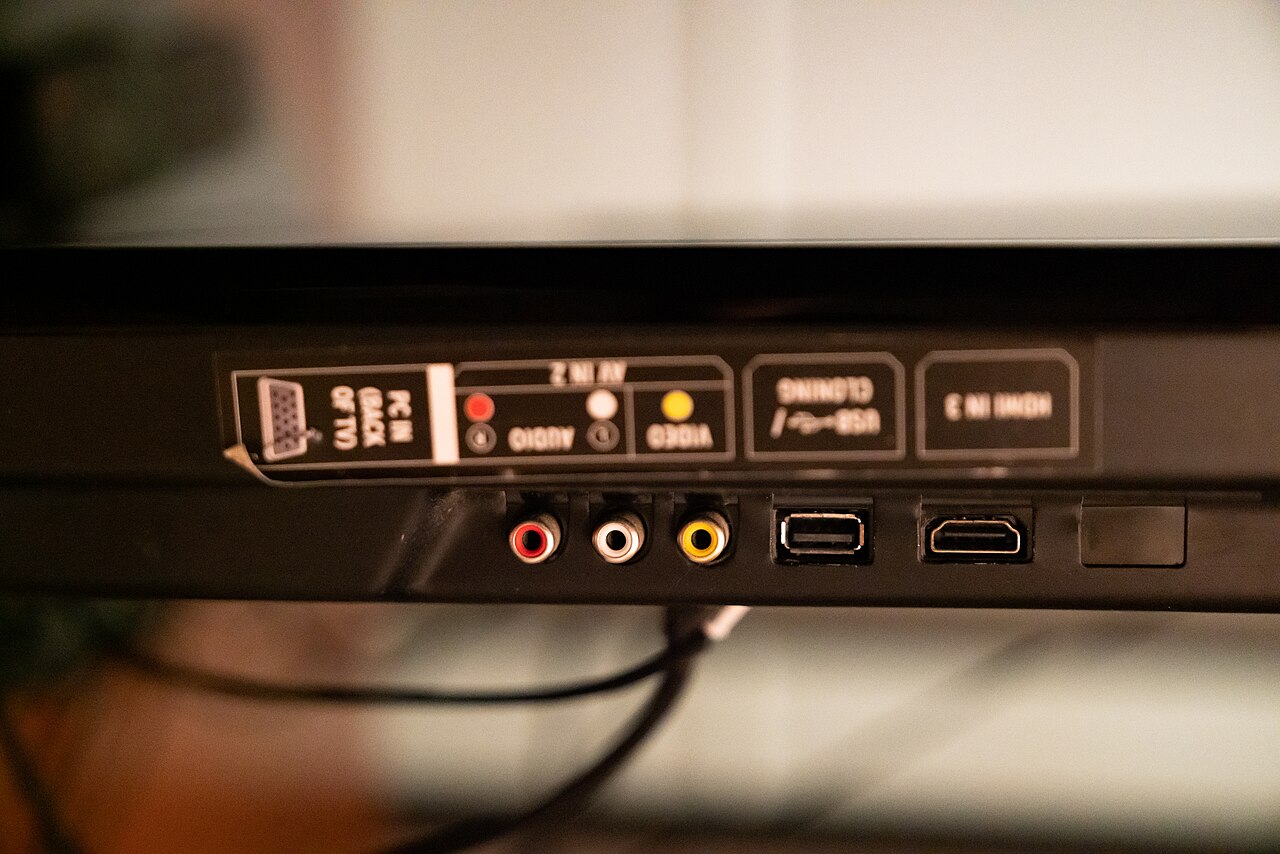
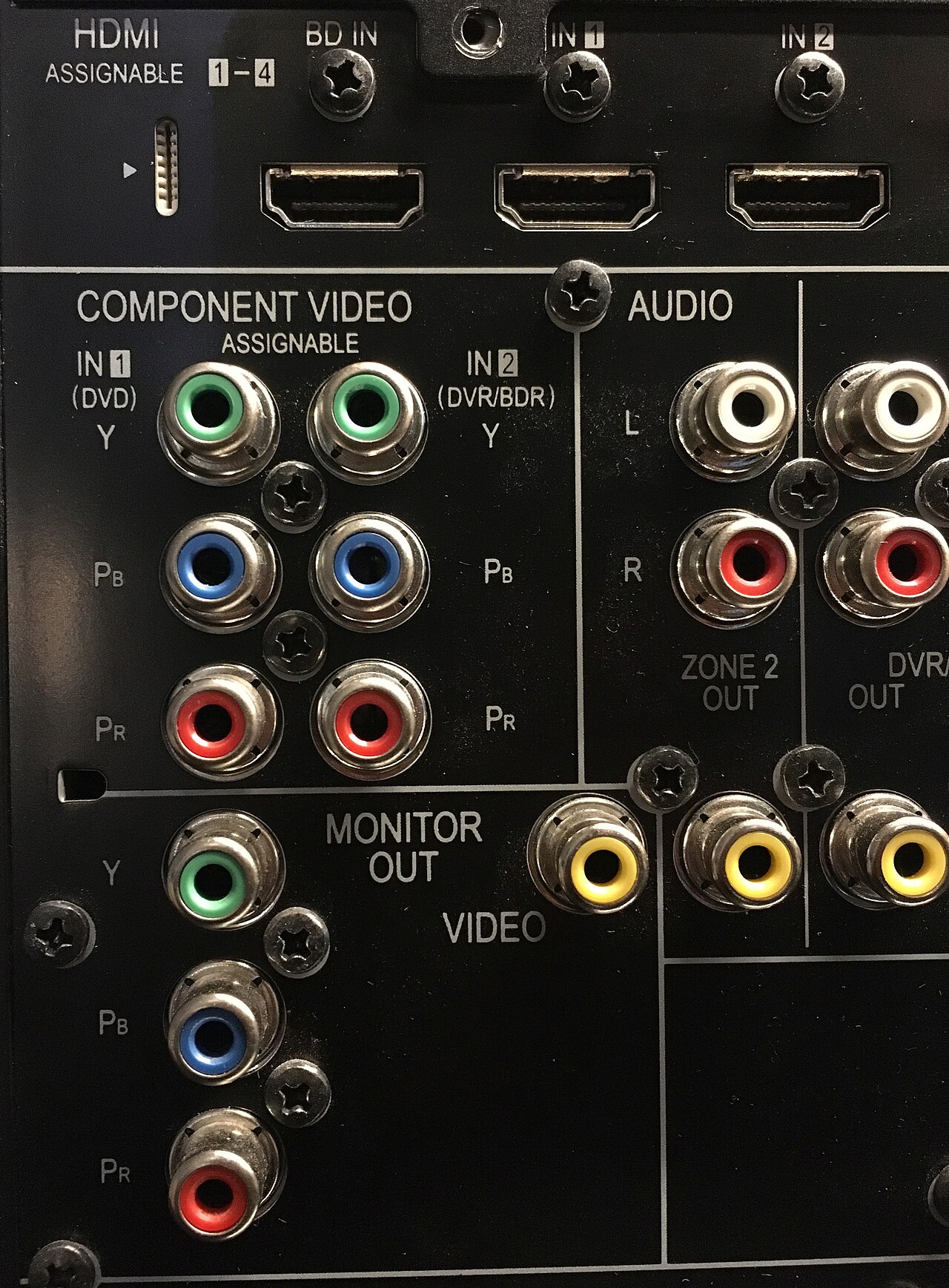
- RCA connector (Component, composite), SCART, S-Video, DVI and VGA
- Open
- No
- External
- Yes
- Height
- Type A: 4.45 mm · Type C: 2.42 mm · Type D: 2.8 mm
- Data Bandwidth
- Up to 96 Gbit/s (HDMI 2.2)
- Data Style
- TMDS, Fixed Rate Link (FRL)
- Num Pins
- 19
- Pinout Caption
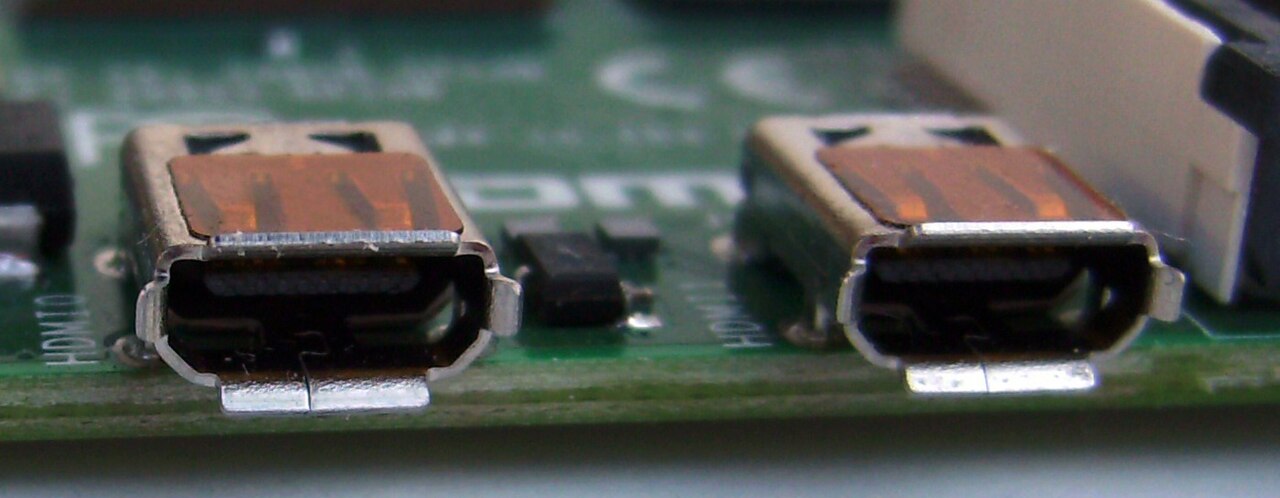
- HDMI type A receptacle
Facts from the source article.
Lore & Background
The HDMI founders began development on HDMI 1.0 on April 16, 2002, with the goal of creating an AV connector backward-compatible with DVI. HDMI 1.0 was designed to improve on DVI-HDTV by using a smaller connector and adding audio capability, enhanced Y′CBCR capability, and consumer electronics control functions. Intel contributed the HDCP copy protection system, and the format won support from motion picture studios Fox, Universal, Warner Bros. and Disney, along with content distributors DirecTV, EchoStar and CableLabs. The first Authorized Testing Center (ATC) was opened by Silicon Image on June 23, 2003, in California, followed by ATCs in Japan, Europe, China, and India.
HDMI has gone through multiple revisions since its introduction, each adding new features while maintaining backward compatibility. It supports data transmission for Consumer Electronics Control (CEC), the HDMI Ethernet Channel (HEC), and the Display Data Channel (DDC). Newer versions include advanced capabilities such as 3D video, higher resolutions, expanded color spaces, and the Audio Return Channel (ARC) and Enhanced Audio Return Channel (eARC). Smaller connector types, Mini and Micro HDMI, were introduced for compact devices. The HDMI specification defines protocols, signals, electrical interfaces, and mechanical requirements, with maximum pixel clock rates increasing from 165 MHz in HDMI 1.0 to 340 MHz in HDMI 1.3.
HDMI uses the CEA-861 standards, with all devices required to implement the sRGB color space at 8 bits per component for baseline compatibility. For digital audio, stereo uncompressed PCM is mandatory, with optional support for up to 8 channels of uncompressed audio and various compressed formats. The HDMI standard was not designed to pass closed caption data; such data must be decoded and included as an image in the video stream prior to transmission.
Reader's Guide
HDMI's significance lies in its widespread adoption as a single-cable solution for high-quality audiovisual transmission, replacing multiple older analog standards. The article notes that HDMI became the de facto standard for HDTVs, with around 90% of digital televisions in 2007 including HDMI. Shipments of HDMI were expected to exceed those of DVI in 2008, driven primarily by the consumer electronics market. The HDMI Forum was established on October 25, 2011, and by that date over 2 billion HDMI-enabled products had shipped. By January 2013, over 3 billion devices had shipped, marking the 10th anniversary of the first specification. As of January 2021, nearly 10 billion devices had been sold, and by January 2026, nearly 14 billion. The interface's backward compatibility with DVI and support for features like CEC, ARC, and Ethernet have contributed to its longevity. The article also notes that ten companies received a Technology and Engineering Emmy Award for HDMI development on January 7, 2009, and PC Magazine awarded a Technical Excellence Award to the CEC portion of the specification in 2008.
Did You Know?
- The HDMI founders began development on April 16, 2002, with the goal of backward compatibility with DVI.
- HDMI supports the Audio Return Channel (ARC) and Enhanced Audio Return Channel (eARC) for sending audio from a display back to an audio system.
Origins & the Industry Consortium
HDMI did not emerge from a single company's R&D lab. Instead, a coalition of major electronics manufacturers—Hitachi, Panasonic, Sanyo, Philips, Silicon Image (later absorbed into Lattice Semiconductor), Sony, Thomson (now Vantiva), and Toshiba—joined forces to design a unified digital interface. Intel contributed the HDCP copy-protection layer, while Hollywood studios including Fox, Universal, Warner Bros., and Disney, together with content distributors DirecTV, EchoStar (Dish Network), and CableLabs, lent their backing to the new format. Development of what would become HDMI 1.0 kicked off on April 16, 2002, with a clear mandate: build a connector that was backward-compatible with DVI but smaller, capable of carrying audio alongside video, and equipped with consumer-electronics control functions. At the time, DVI-HDCP and DVI-HDTV were already appearing on high-definition televisions, so the consortium was essentially refining an existing foundation rather than starting from scratch. The result was a specification that promised to collapse the tangle of separate audio and video cables into a single, tidy connection.
Technical Capabilities & Version Evolution
Since its debut, HDMI has been revised repeatedly, with each iteration layering new capabilities on top of the last while preserving backward compatibility. The original 1.0 specification supported a maximum pixel clock of 165 MHz—enough for 1080p and WUXGA (1920×1200) at 60 Hz—while HDMI 1.3 pushed that ceiling to 340 MHz, unlocking higher resolutions such as WQXGA (2560×1600) over a single digital link. A dual-link variant (type B) can reach 680 MHz. Beyond raw resolution, the interface carries a rich set of auxiliary protocols: Consumer Electronics Control (CEC) lets one remote operate multiple linked devices; the HDMI Ethernet Channel (HEC) provides network connectivity between compatible gear; and the Display Data Channel (DDC) handles automatic configuration between source and display. The Audio Return Channel (ARC) and its successor eARC send audio from a display back to a sound system over the same cable. Later revisions added 3D video support and expanded color spaces, while Mini and Micro connector variants were introduced for compact devices like camcorders and tablets.
Explosive Market Adoption
The growth curve for HDMI defies anything seen in consumer electronics before it. In-Stat tracked sales of just five million HDMI-equipped devices in 2004, but the number leaped to 17.4 million the following year, 63 million in 2006, and 143 million in 2007. By that point, roughly 90 percent of digital televisions shipped with at least one HDMI port, cementing the interface as the de facto standard for HDTVs. In 2008, shipments of HDMI are estimated to have surpassed those of DVI for the first time, driven largely by the consumer-electronics market, with an estimated 229 million units sold. By January 2009 the installed base crossed 600 million, and by 2011 more than two billion products had shipped, with over 1,100 companies listed as adopters. The pace never slowed: three billion devices by 2013, nearly ten billion by 2021, and close to fourteen billion by January 2026. Authorized Testing Centers sprang up worldwide—Silicon Image opened the first in California in 2003, followed by Panasonic in Osaka, Philips in Caen, France, Silicon Image again in Shenzhen, and Philips in Bangalore—ensuring quality control across every major market.
Recognition & Lasting Impact
HDMI's influence extended well beyond raw sales figures. In 2008, PC Magazine presented a Technical Excellence Award in the Home Theater category specifically to the CEC portion of the HDMI specification, calling it an innovation that had changed the world. The following January, the National Academy of Television Arts and Sciences honored ten companies with a Technology and Engineering Emmy Award for their development of the standard. On October 25, 2011, the original HDMI founders established the HDMI Forum to continue stewarding the technology. In practical terms, HDMI effectively retired a generation of analog video connections—composite video, S-Video, and VGA—pushing them out of consumer electronics. Because HDMI is electrically compatible with DVI video signals, simple adapters allow interoperability without signal conversion or quality loss, and active converters bridge the gap to other digital formats like DisplayPort. With nearly fourteen billion devices in the field as of early 2026, HDMI stands as one of the most universally adopted audio/video interfaces in the history of consumer electronics.
Gallery

Frequently Asked Questions
Who is HDMI?
HDMI stands for High-Definition Multimedia Interface, a proprietary digital connection standard born in 2003 from a consortium of eight major electronics firms including Sony, Toshiba, and Philips. Think of it as the single-cable hero that bundles crisp video and digital audio together so you never need a tangle of separate wires again.
What are HDMI's powers and role?
Its core ability is carrying uncompressed high-resolution video and multi-channel digital audio simultaneously over one cable, linking sources like game consoles and PCs to displays such as TVs, monitors, and projectors. In doing so, it effectively retired the older analog trio of composite video, S-Video, and VGA from the consumer living room.
How did HDMI's story begin?
The HDMI Alliance Technical Committee first convened on June 23, 2003, in California, gathering Hitachi, Panasonic, Sanyo, Philips, Silicon Image, Sony, Thomson, and Toshiba under one roof. That founding meeting set the stage for the 2003 launch of the standard, which rapidly became the default digital link across consumer electronics.
Why is HDMI so important to the fanbase?
By January 2026, roughly 14 billion HDMI-equipped devices had shipped worldwide, cementing its status as one of the most ubiquitous connection standards in consumer-tech history. Its lasting appeal comes from offering a single, simple plug that delivers both picture and sound at high quality without the signal degradation typical of analog links.
How has HDMI evolved across its versions?
The original HDMI 1.0 specification capped the pixel clock at 165 MHz, while the later HDMI 1.3 revision more than doubled that ceiling to 340 MHz, unlocking higher resolutions and refresh rates. Each successive revision has pushed those bandwidth limits further, keeping the standard relevant as display technology continues to advance.
More in Display Standards 1-24
Spotted an error? Know more?
Reader corrections go straight into our review queue. Suggest an edit · How this site is sourced