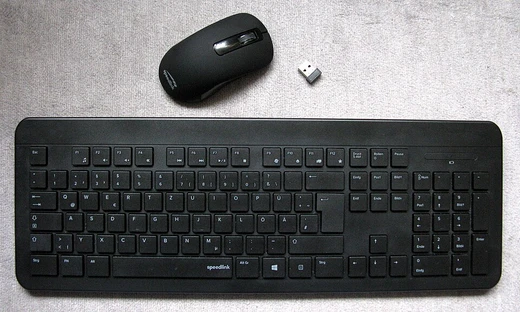
Audio headset
A hands-free combination of headphone and microphone for communication.

[www.gnome.org GNOME project], Jakub Steiner · CC BY-SA 3.0
A headset merges a headphone with a microphone. It connects to a telephone or computer, enabling hands-free talking and listening. These devices are typical in customer service and tech support centers, where staff type while speaking with customers. Gamers also use them to chat and hear teammates while playing.
**Types** Telephone headsets often use speakers with a narrower frequency range than those for entertainment. Stereo computer headsets, however, employ 32-ohm speakers with a wider frequency range.
**Mono and Stereo** Headsets come in single- or double-earpiece versions. Double-earpiece models may support stereo or play the same monaural audio in both ears. Single-earpiece designs leave one ear free for better awareness of surroundings. Telephone headsets are monaural, even in double-earpiece form, because telephone lines provide only single-channel input and output.
**Microphone Style** The microphone arm can house an external microphone or use a voice tube. External microphones sit at the arm’s tip. Voice tube designs—also called internal microphones—place the microphone near the earpiece, with a tube carrying sound to it. Most external microphones are either omnidirectional or noise-canceling. Noise-canceling headsets use a bi-directional microphone element, whose receptive field has only two angles: directly in front and directly behind. This creates an "8" shape, picking up sound only from close proximity while rejecting most surrounding noise. Omnidirectional microphones capture a full 360-degree field, including much extraneous noise.
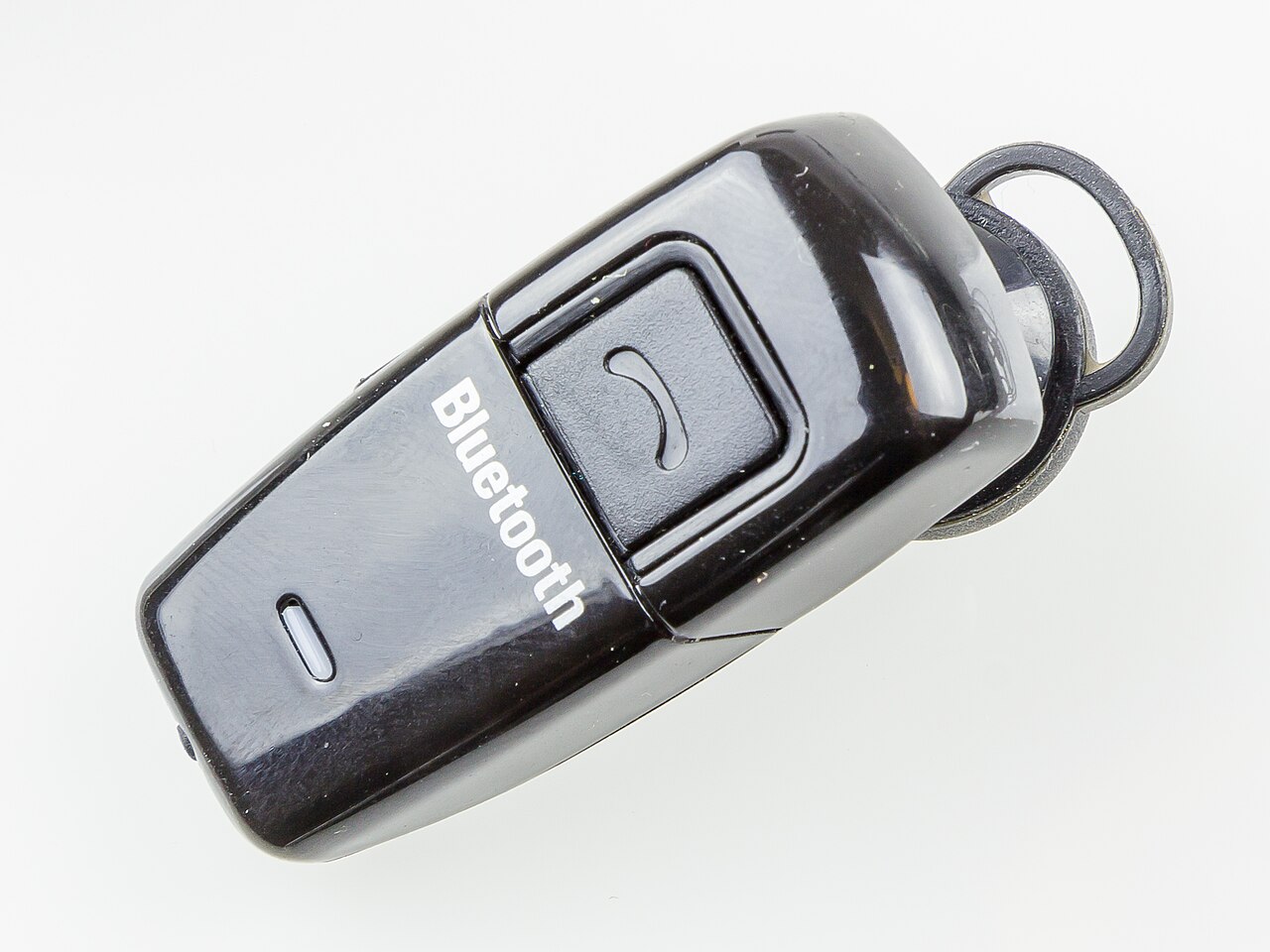
**Headband Styles** Over-the-head headsets have a headband worn atop the head. Backwear headsets (or behind-the-neck headsets) have a band that goes behind the neck. Over-the-ear headsets (or earloop headsets) use a soft ear-hook. Convertible headsets allow users to change the wearing method by reassembling parts. Under-the-chin headsets are similar to those worn by stenographers.
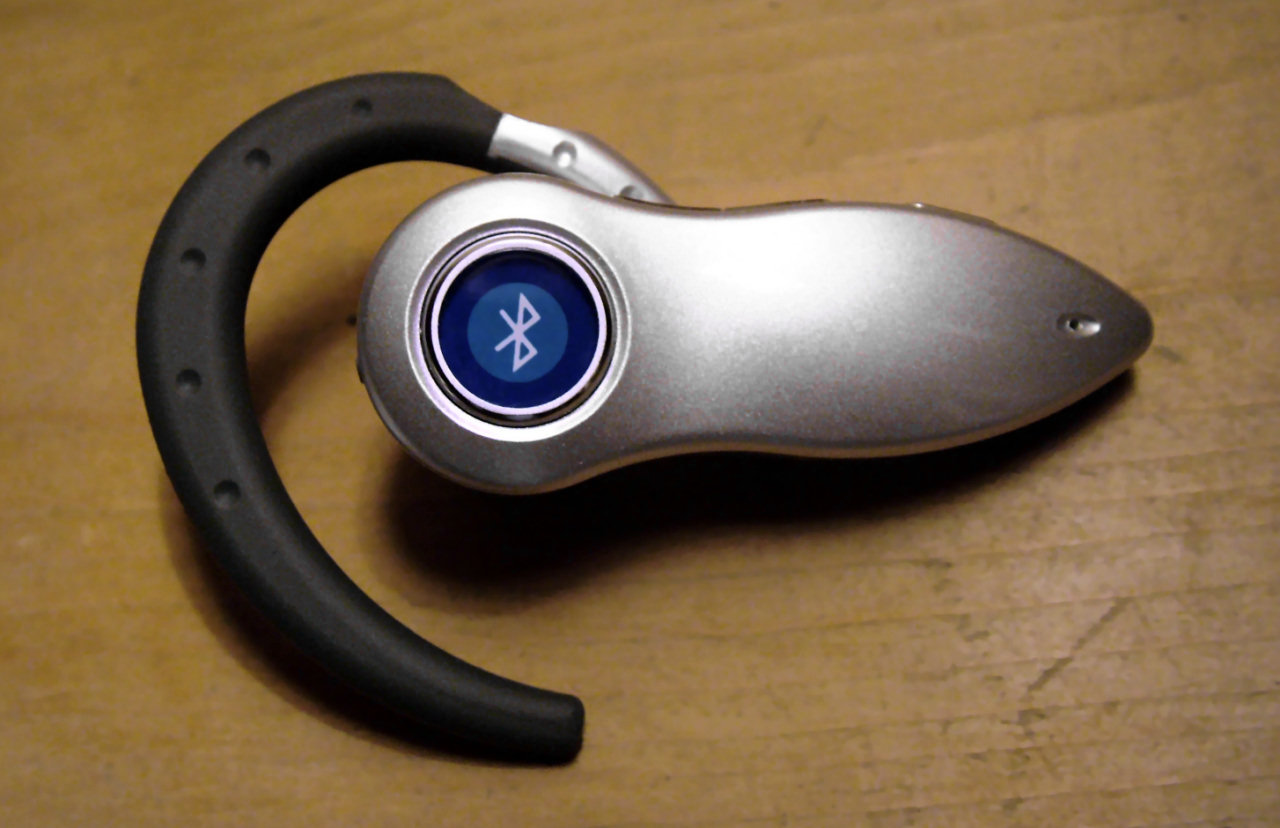
**Neckband Styles** Neckband headsets (also called neckband earphones or ear sets) have grown popular. The band rests around the neck rather than on the head or ear. This design improves comfort during long use, keeps weight off the ears, and lets the band house larger batteries, vibration motors, and in-line controls. They are widely used in Bluetooth wireless models, balancing portability and battery life.
- Impedance (stereo computer headsets)
- 32 ohms
- Common connector (telephone)
- 4P4C (RJ-9)
- Common connector (computer)
- 3.5 mm TRS or USB
- Common connector (mobile)
- 3.5 mm jack (CTIA or OMTP) or Bluetooth
Lore & Background
Headsets are available in single-earpiece and double-earpiece designs. Double-earpiece headsets may support stereo sound or use the same monaural audio channel for both ears. Single-earpiece headsets free up one ear, allowing better awareness of surroundings. Telephone headsets are monaural, even for double-earpiece designs, because telephone offers only single-channel input and output. The microphone arm of headsets may carry an external microphone or be of the voice tube type. External microphone designs have the microphone housed in the front end of the microphone arm. Voicetube designs are also called internal microphone design, and have the microphone housed near the earpiece, with a tube carrying sound to the microphone. Most external microphone designs are of either omnidirectional or noise-canceling type. Noise-canceling microphone headsets use a bi-directional microphone as elements. A bi-directional microphone's receptive field has two angles only. Its receptive field is limited to only the front and the direct opposite back of the microphone. This creates an '8' shape field, and this design is the best method for picking up sound only from a close proximity of the user, while not picking up most surrounding noises. Omni-directional microphones pick up the complete 360-degree field, which may include much extraneous noise.
Reader's Guide
Headsets are significant for enabling hands-free communication in telephone-intensive jobs, particularly in call centers, and for computer gaming where they allow players to talk and hear while using keyboards and mice. Telephone headsets connect to fixed-line telephones via a standard 4P4C (RJ-9) connector or 2.5 mm jack for DECT phones, and often include a Quick Disconnect cable for easy detachment. Computer headsets come in 3.5 mm or USB connection types; USB headsets perform audio conversion internally. Gaming headsets may offer game-specific sound modes, detachable microphones, and RGB lighting. Mobile phone headsets, often called handsfree, use Bluetooth or a 3.5 mm plug, with pin alignment standards OMTP and CTIA. Neckband headsets have grown in popularity, with the band resting around the neck for comfort and to house larger batteries. Headsets are available in over-the-head, behind-the-neck, over-the-ear, and convertible styles, with earpiece styles including in-the-ear, on-the-ear, and around-the-ear.
Did You Know?
- Noise-canceling microphone headsets use a bi-directional microphone with an '8' shaped receptive field to pick up sound only from close proximity.
- Neckband headsets rest around the neck rather than over the head or directly on the ear, improving comfort during prolonged use.
- A handset lifter is a device that automatically lifts or replaces a handset off/on a telephone, allowing cordless headset use on technically primitive desk phones.
Hands-Free Communication in the Workplace and Gaming
A headset fundamentally merges a headphone with a microphone, creating a single device that lets a person talk and listen simultaneously without occupying either hand. This dual capability is what makes the headset indispensable in environments where typing and conversation must happen at the same time. In call centers and technical support offices, operators rely on headsets to maintain a live dialogue with a customer while entering data, pulling up records, or navigating software on a computer screen. The same principle drives adoption among computer gamers, who need to coordinate with teammates through voice chat while their fingers are busy on a keyboard and mouse. By freeing both hands, the headset transforms a two-handed task into a seamless multitasking experience, reducing the friction of constantly lifting a handset or reaching for a separate microphone. Whether the connection runs through a fixed-line telephone system or a computer's audio port, the underlying design goal remains the same: uninterrupted, hands-free two-way audio.
Microphone Architecture and Sound Isolation
The microphone arm of a headset comes in two principal constructions. In an external-microphone design, the mic element sits at the very tip of the boom arm, close to the user's mouth. In a voice-tube design, sometimes called an internal microphone, the mic is tucked near the earpiece and a hollow tube channels the user's voice to it. Beyond placement, the pickup pattern matters enormously. Omnidirectional microphones capture sound from a full 360-degree sphere, which means they will inevitably sweep in keyboard clatter, room chatter, and other ambient noise. Noise-canceling headsets solve this by employing a bi-directional microphone whose receptive field is restricted to two opposing angles, forming a figure-eight pattern. This geometry lets the mic focus tightly on the user's voice from a short distance while largely ignoring sounds arriving from the sides. The result is a cleaner transmission, especially valuable in open-plan offices or noisy gaming rooms where background interference would otherwise degrade the quality of every conversation.
Wearing Configurations and Earpiece Design
Headset designers have explored a wide range of ways to position the device on the body. Over-the-head models use a band that arches across the top of the skull, while behind-the-neck or backwear variants route the band around the nape. Earloop headsets hook a soft loop over the top of the ear, and under-the-chin designs mirror the headgear worn by stenographers. Convertible models let the user reassemble components to switch between these wearing methods. A newer category, the neckband headset, drapes a band around the neck rather than the head or ear, distributing weight more evenly and freeing the band to house larger batteries, vibration motors, and in-line controls. On the earpiece side, three styles dominate: in-the-ear buds that seat inside the outer ear canal, on-the-ear cushions that rest on the outer ear, and around-the-ear pads that enclose the entire ear against the head for superior noise exclusion. Each trade-off balances comfort, isolation, and portability differently.
Telephone Integration and Compatibility Challenges
Connecting a headset to a telephone is not as simple as plugging in a cable. Standard corded telephone headsets use a 4P4C connector, commonly called RJ-9, while DECT and other phone types may require a 2.5 mm jack. Because the headset replaces the handset, pin alignment between the phone's jack and the headset's plug can differ, so adapters exist to bridge the gap and sometimes add a mute switch or a handset-to-headset toggle. Older phones present an additional hurdle: the microphone impedance of a headset often does not match the original handset, so a telephone amplifier is needed to impedance-match the signal and boost both mic and speaker output, with volume controls and mute functions built in. Most telephone headsets also feature a quick-disconnect cable so the user can unclip the unit from the phone without removing it from the head. For phones that only have a mechanical switchhook, a handset lifter device can automatically lift or replace the handset when a wireless headset answers or ends a call, though many professionals now regard this as an outdated workaround.
Gallery



Frequently Asked Questions
Who is Audio headset?
A hands-free communication peripheral that merges a listening earpiece with a speaking microphone, letting a user talk and hear simultaneously without holding anything.
What are Audio headset's powers/role?
It keeps both hands free for typing or gaming while enabling two-way voice, which is why it became the standard tool on customer-service floors, tech-support desks, and in multiplayer gaming sessions where players coordinate with teammates.
What are Audio headset's key connections?
Telephone variants typically plug in via a 4P4C (RJ-9) connector, PC headsets use a 3.5 mm TRS jack or USB, and mobile models connect through a 3.5 mm CTIA/OMTP jack or Bluetooth.
How does Audio headset differ from a plain headphone?
It adds a built-in microphone for two-way talk, and stereo computer versions employ 32-ohm drivers with a wider frequency range than the narrower-range speakers found in telephone headsets. They also come in mono (single-earpiece) or stereo (dual-earpiece) builds.
Why is Audio headset important?
It freed call-center agents from juggling a handset and keyboard at once, gave gamers a reliable way to chat with teammates in real time, and evolved into wireless Bluetooth form factors that let mobile users stay completely cable-free.
More in Computer Peripherals 1-24
Spotted an error? Know more?
Reader corrections go straight into our review queue. Suggest an edit · How this site is sourced