
Slatko
A thin fruit preserve served to guests in Balkan homes.

Narodna biblioteka „Dobrilo Nenadić” Arilje · CC BY-SA 4.0
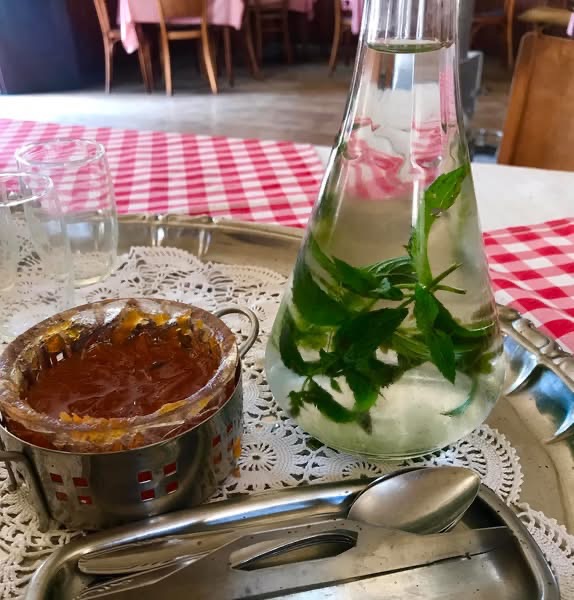
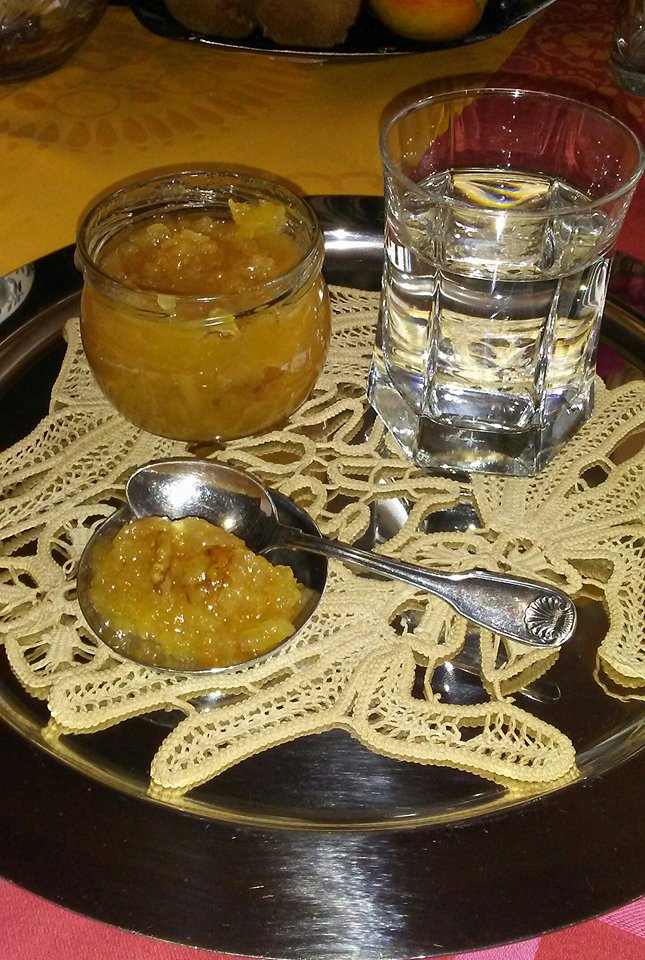
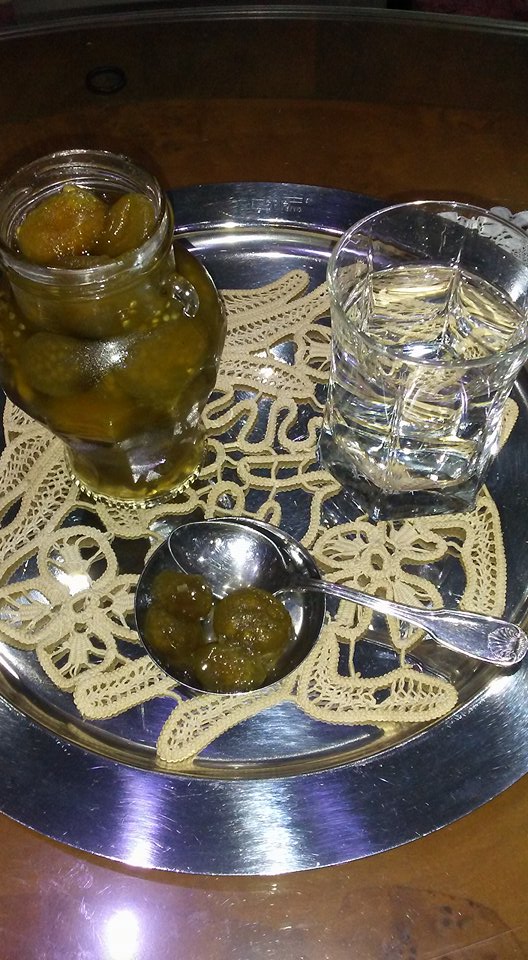
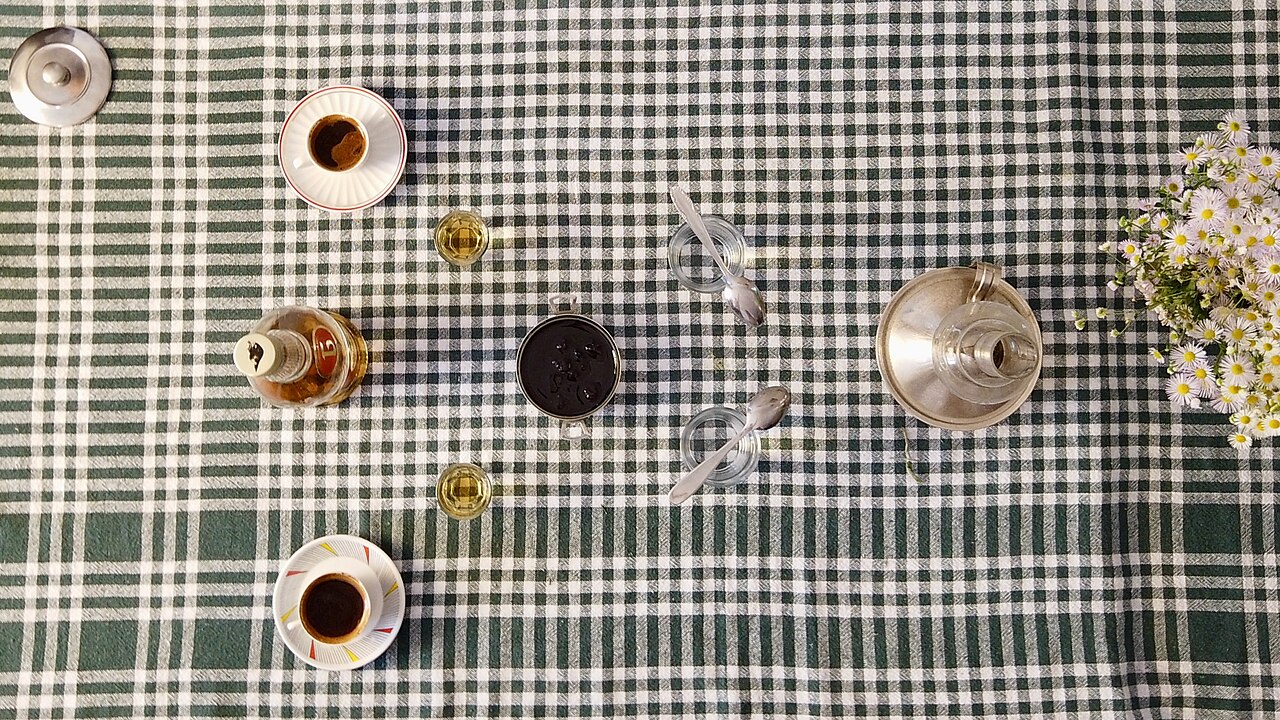
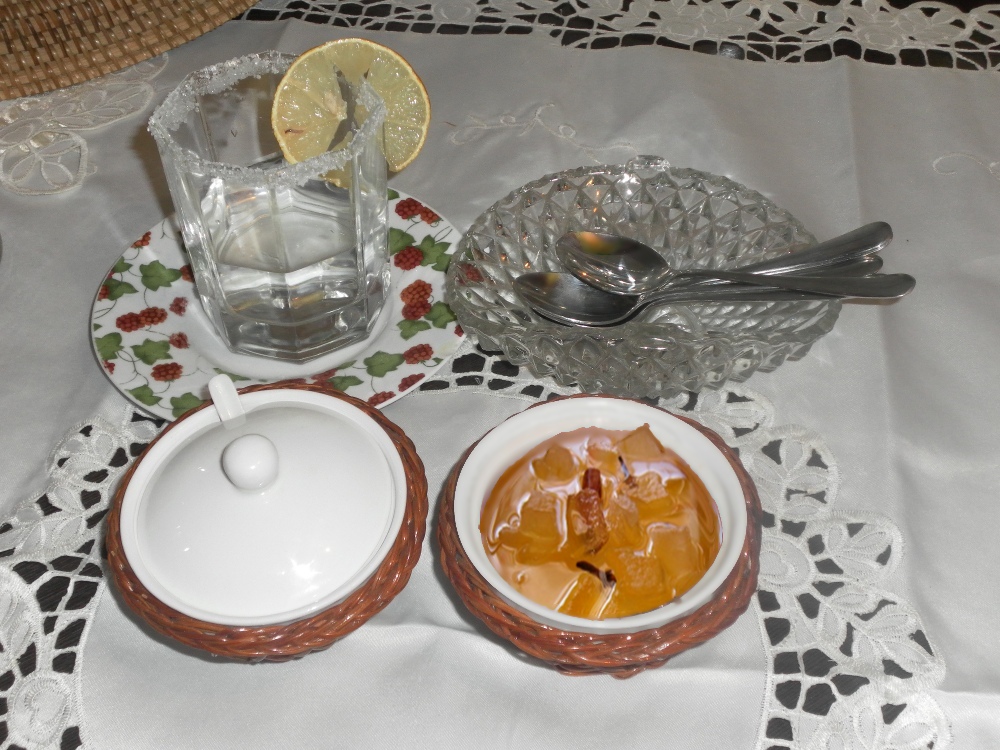
Slatko (also spelled slatkō, sladko) is a thin fruit preserve made from fruit or rose petals, found in Bulgarian, Macedonian, and Serbian cuisines. It is traditionally used as a welcoming treat for guests, served with a spoonful and a cup of water.
Quick Facts
- Country
- Bulgaria, Serbia and the Balkans
- Main Ingredient
- Fruit or rose petals
Facts from the source article.
Lore & Background
Traditionally, all guests in Serbian and Bulgarian homes are greeted with a spoonful of slatko and a cup of water immediately after being seated. Particularly honored guests are offered twice, though any guest can ask for another taste to honor the housekeeper. For the second taste, another spoon must be used. Asking for a third taste, if not offered, is regarded as improper behavior, though usually granted. Alternatively, guests may be offered honey or asked to choose between the two.
Reader's Guide
Slatko holds cultural significance as a symbol of hospitality in Bulgarian, Macedonian, and Serbian traditions. Its serving ritual—offering a spoonful with water—reflects a longstanding custom of welcoming guests. The preserve can be made from a wide variety of fruits, including strawberries, plums, cherries, raspberries, and even rose petals. Prior to the creation of Yugoslavia, the tradition was common only in historical Serbia south of the Sava and Danube rivers, and was unknown in Vojvodina or other parts of the Austro-Hungarian Empire. The practice of offering a second taste with a clean spoon underscores the importance of etiquette in these cultures. Slatko's versatility extends to using frozen berries and fruits, with adjustments to water and cooking time. Its legacy endures as a simple yet meaningful culinary tradition.
Did You Know?
- Slatko means 'sweet' in Serbian, Macedonian, and Bulgarian.
- For a second taste, a different spoon must be used.
- Prior to Yugoslavia, slatko was unknown in Vojvodina and other parts of the Austro-Hungarian Empire.
Culinary Identity and Definition
Slatko is a thin fruit preserve that occupies a distinctive place across three Balkan culinary traditions—Serbian, Macedonian, and Bulgarian. The word itself, rendered as "slatko" in Serbian and Macedonian and "sladko" in Bulgarian, simply translates to "sweet," capturing the essence of what the dish delivers. Rather than being a thick jam or a heavy compote, slatko is characterized by its lighter, thinner consistency, setting it apart from other fruit preparations. The raw material is remarkably flexible: nearly any fruit can serve as the base, from wild strawberries and blueberries to plums and cherries. In certain traditions, rose petals take the place of fruit entirely, lending a floral dimension to the preserve. This versatility makes slatko less a single fixed recipe and more a culinary category—a framework within which cooks select whatever fruit is at hand and transform it into a glistening, spoonable sweetness.
The Hospitality Ritual
In Serbian and Bulgarian households, slatko functions as far more than a dessert—it is the first word a home speaks to a visitor. The moment a guest takes a seat, a spoonful of the preserve accompanied by a small cup of water is placed before them, a gesture of welcome so automatic it requires no invitation. Particularly honoured visitors are extended a second spoonful as a mark of special regard, though any guest is free to request another taste as a compliment to the person who prepared it. Etiquette, however, draws a line: asking for a third spoonful when it has not been offered is considered impolite, even if the host would typically oblige. A fresh spoon must be used for each subsequent taste, underscoring the ritual's care. In some settings, the guest is instead presented with honey, or given the choice between the two. This small ceremony of sweetness and water has been a cornerstone of domestic hospitality for generations.
Ingredient Diversity and Preparation
While whole strawberries, slightly unripe skinned plums, and sour cherries stand as the most frequently encountered varieties, the pantry of slatko stretches far beyond those three staples. Raspberries, sweet cherries, watermelon cut into cubes, quinces, grapes, figs, skinned apricot halves or quarters, peaches, blueberries, blackberries, and redcurrants all find their way into the pot. Rose petals offer a non-fruit alternative, and even vegetables such as rhubarb and physalis—crops rarely cultivated in Serbia—have proven surprisingly well suited to the preparation. When plums are the chosen fruit, cooks sometimes fold walnut halves or almonds into the mixture, or press them into the fruit to replace the removed pits, adding texture and richness. Frozen berries and fruits are another practical option; in that case, the quantity of water and the length of cooking must be recalibrated to account for the ice content. This adaptability keeps slatko a living, seasonal practice rather than a rigid formula.
Historical Geography and Cultural Reach
Before the formation of Yugoslavia, the custom of preparing and serving slatko was geographically bounded. It flourished in the historical Serbia lying south of the Sava and Danube rivers, yet remained essentially unknown in Vojvodina and in the broader territories of the Austro-Hungarian Empire. This means that for a significant period, the preserve was a marker of a specific regional identity rather than a pan-national Serbian or Balkan dish. The political unification that created Yugoslavia helped dissolve those boundaries, allowing the tradition to spread into areas where it had previously had no foothold. Linguistically, the name itself carries the imprint of this multi-ethnic landscape: Serbian and Macedonian speakers call it "slatko," while Bulgarian speakers use "sladko," all rooted in the same word meaning "sweet." The preserve thus carries not only the memory of particular fruits and seasons but also the shifting borders and shared table customs of the Balkans.
Gallery
More in Bulgarian cuisine 1-24
Spotted an error? Know more?
Reader corrections go straight into our review queue. Suggest an edit · How this site is sourced