
Fisherman's soup
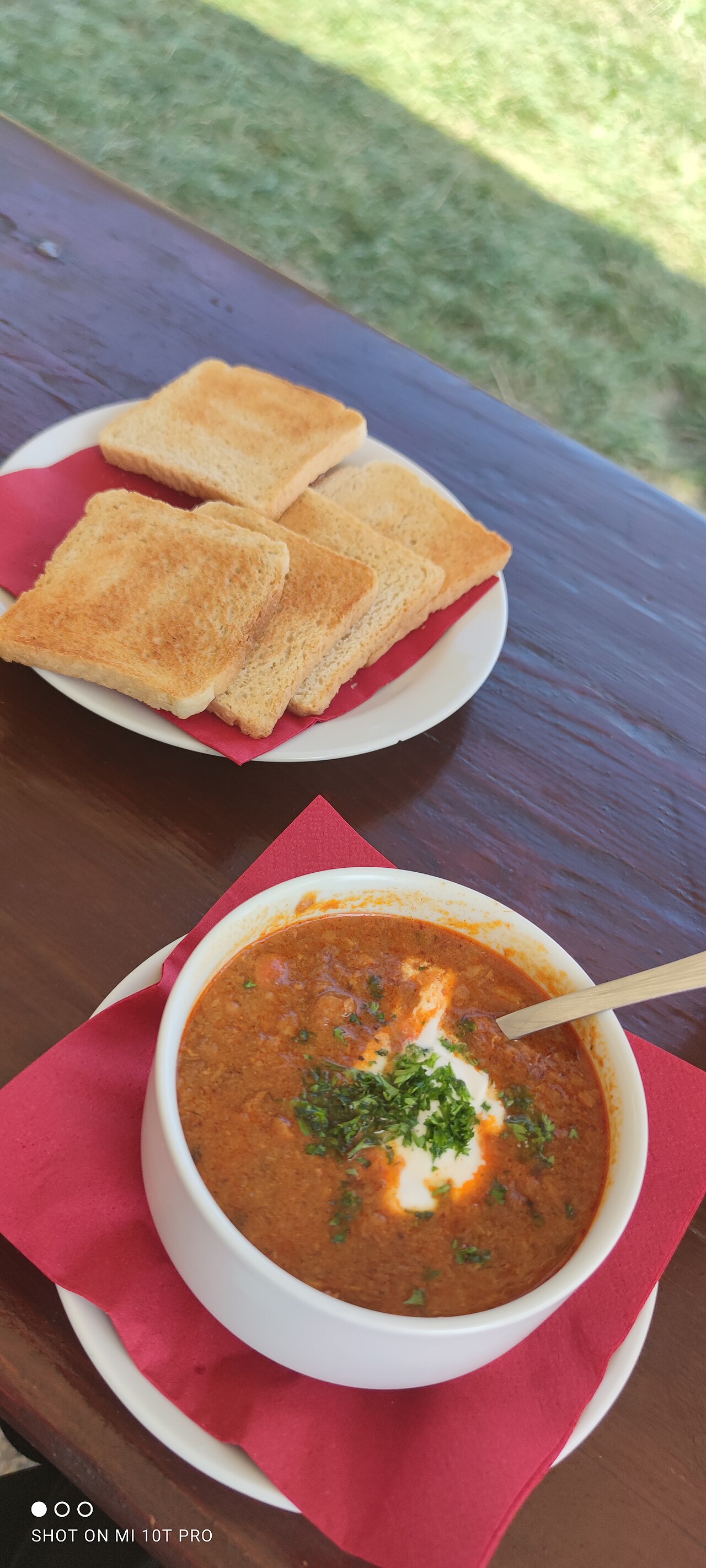
A hearty Bulgarian fish soup with paprika and fresh river fish.

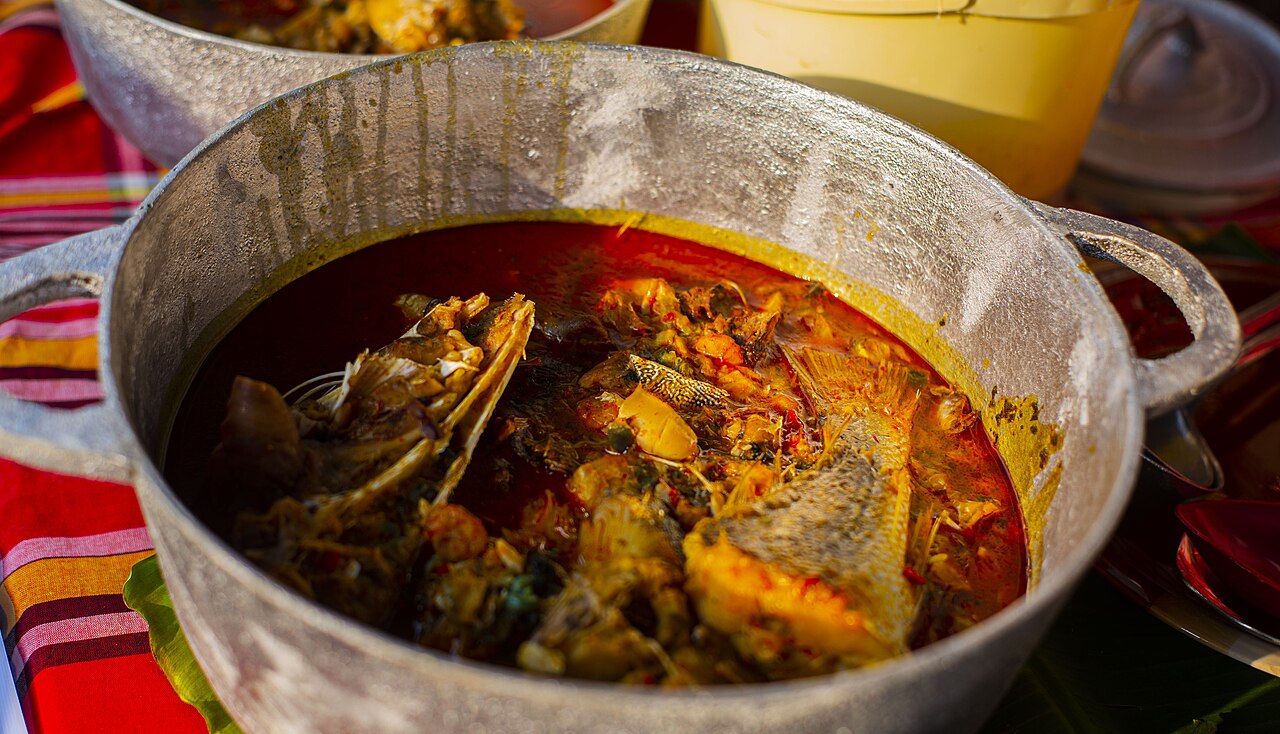
Lukáš Perný · CC BY-SA 4.0
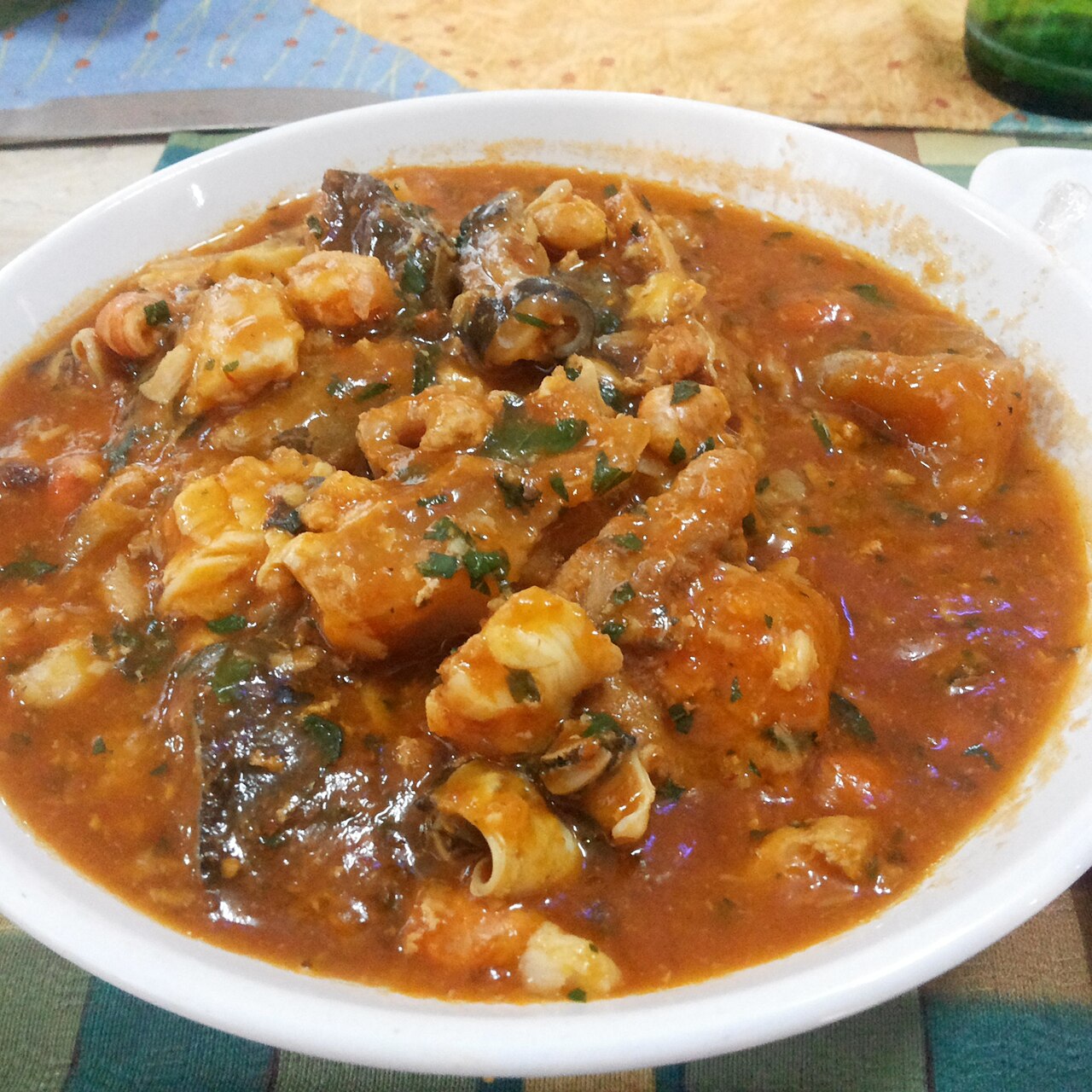
Fisherman's soup, known in Bulgarian as рибарска чорба (ribarska chorba), is a traditional Bulgarian fish soup made with freshwater fish, vegetables, and spices. It is a hearty dish commonly prepared along the Danube River and the Black Sea coast, featuring carp, Danube salmon, or other local fish, and is seasoned with paprika, onions, and tomatoes. This soup is a staple of Bulgarian cuisine, distinct from similar soups in neighboring countries.
Quick Facts
- Country
- Hungary, Serbia, Croatia
- Served
- Hot
- Main Ingredient
- Fish (carp or mixed river fish), paprika, vegetables (red onions, green peppers, tomatoes)
Facts from the source article.
Lore & Background
Ribarska chorba is a beloved dish in Bulgarian households, especially in fishing communities along the Danube and the Black Sea. The soup is traditionally made by simmering fish heads and bones with onions, tomatoes, and peppers to create a rich broth, then adding chunks of fish fillet and paprika just before serving. Unlike the Hungarian halászlé, Bulgarian fisherman's soup is less spicy and often includes additional vegetables like carrots and celery. It is a common meal during fishing trips and family gatherings, and is sometimes served with a splash of vinegar or lemon juice for brightness.
Reader's Guide
Fisherman's soup is significant as a folk item of Hungarian cuisine and arguably one of the spiciest dishes native to Europe, due to its generous use of hot paprika and hot peppers. Traditionally, fishermen prepare the soup in small kettles on open fire on river banks, adding chopped onion fried in oil until caramelized, then ground paprika, water, and seasonings such as black pepper, white wine, vinegar, or tomato juice, and finally fish chopped into large pieces, including heads and tails. Competitions in preparing the soup are popular at fairs along river coasts. It is a traditional dish for Christmas Eve dinner in Hungary, and is typically served directly from the kettle with bread, accompanied by white wine or a fröccs spritzer. Its legacy endures as a regional specialty that highlights the culinary traditions of the Pannonian Plain.
Did You Know?
- Ribarska chorba is often cooked outdoors over an open fire by Bulgarian fishermen, enhancing its smoky flavor.
- The soup is traditionally served with a side of fresh, crusty bread to soak up the flavorful broth.
- In Bulgaria, this dish is especially popular during the summer months when fresh river fish is abundant.
- Unlike its Hungarian counterpart, Bulgarian fisherman's soup is milder and incorporates a wider variety of vegetables.
Geographic Roots & Cross-Border Identity
Halászlé is a folk dish born on the Pannonian Plain, where the Danube and Tisza rivers have long supplied the carp and other river fish that form its backbone. Its bright-red, paprika-drenched character makes it instantly recognizable as a Hungarian culinary signature, yet its influence stretches well beyond Hungary's borders. Among the Danube Swabians and their descendants, the same hearty fish broth is known as Karpfensuppe, preserving a shared riverine food culture across national lines. In Croatia's Slavonia and Baranya regions, locals serve it under the name fiš paprikaš, a testament to how deeply this soup is woven into the broader Danubian culinary landscape. Whether prepared with a single species of carp or a medley of river catch, the dish carries the identity of the waterways that produced it, tying communities to the land and the river in a way that transcends any single nationality.
A Boldly Spicy European Signature
Few European dishes command the kind of heat that halászlé delivers to the palate. Built on a foundation of generous quantities of hot paprika and frequently finished with additional hot peppers, this soup is widely regarded as one of the spiciest preparations native to the European continent. The result is a vivid, scarlet broth that is as visually striking as it is fiery, a far cry from the milder fish soups found elsewhere in Europe. The spiciness is not merely an afterthought; it is the defining architectural element of the dish. Every spoonful carries the warmth of ground paprika blooming in hot liquid, and the addition of fresh peppers at the table can push the heat even further. This bold, unapologetic heat is what sets halászlé apart from gentler counterparts like French bouillabaisse or Russian ukha, cementing its reputation as a soup that demands to be eaten with intention and, ideally, a crust of bread to temper the burn.
From Riverbank Kettle to Regional Variations
The preparation of halászlé reveals a deep respect for the whole fish and for patient, layered cooking. A rich broth is built by simmering carp heads, bones, skin, and fins alongside red onions, green peppers, and tomatoes for a full two hours, after which the liquid is strained. Just ten minutes before serving, hot ground paprika, two thick carp fillets, roe, and coral are dropped into the boiling soup, allowing the flavors to marry in a final burst of heat. In the traditional riverbank method, a small kettle is set over an open fire; chopped onion is fried in oil until deeply caramelized, paprika is stirred in, and water is added. Once boiling, seasonings such as black pepper, white wine, vinegar, or tomato juice go in, followed by fish cut into large pieces or added whole. Regional variations add their own character: the Szeged style calls for a precise blend of carp, catfish, sturgeon, and pike or perch; the Paks version incorporates thin-cut csipetke noodles; and the Baja rendition features seventy-five percent carp served with thick-cut gyufatészta.
Festivals, Feasts & the Christmas Table
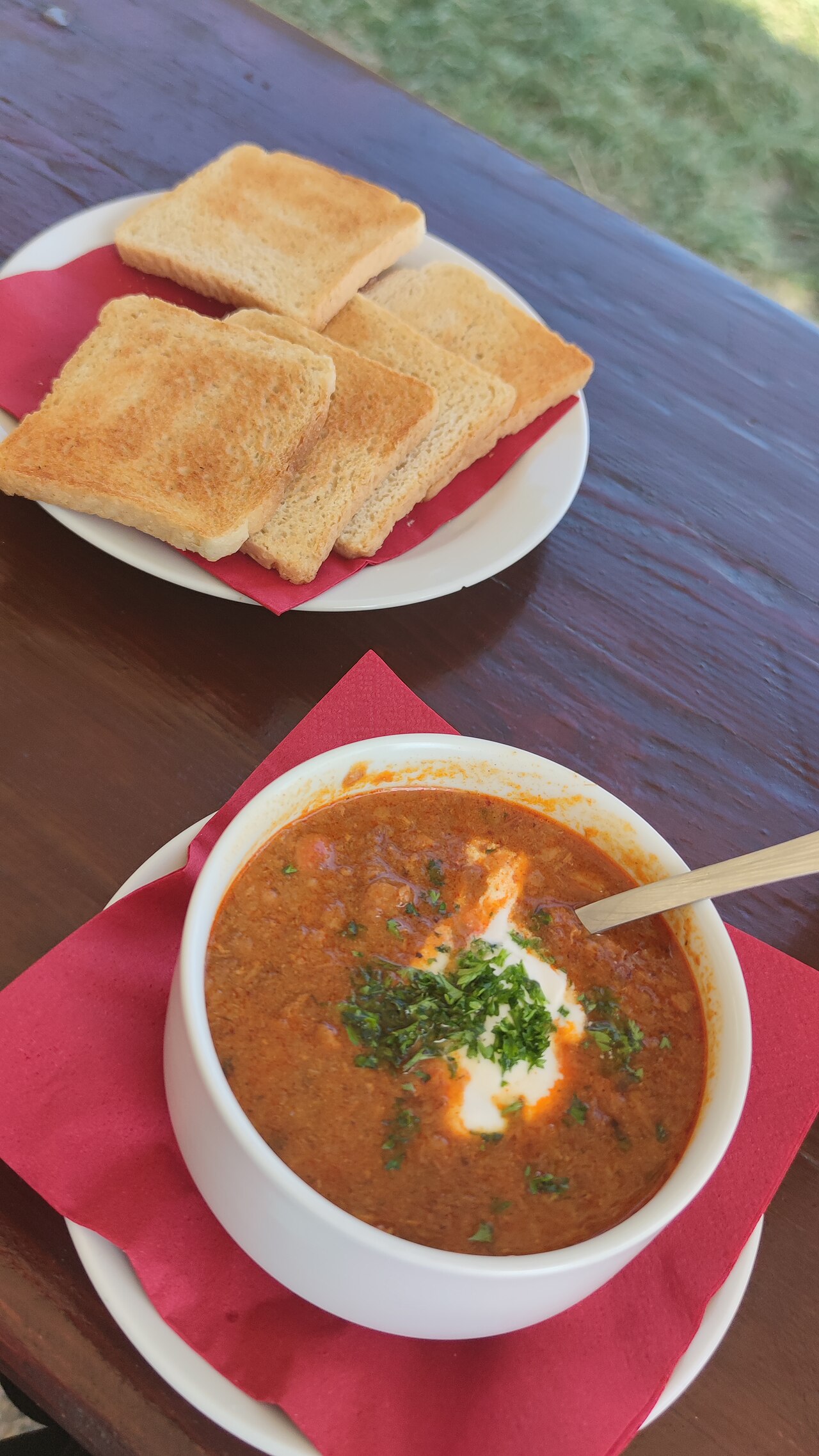
Halászlé occupies a special place in Hungarian social and seasonal life far beyond the everyday kitchen. It is the traditional centerpiece of Christmas Eve dinner in Hungary, a moment when families gather around a table and the soup's fiery, paprika-rich broth becomes a symbol of togetherness and abundance. Along the river coasts, communities host competitive cook-offs at local fairs, where teams pit their kettle-prepared soups against one another in a celebration of skill, tradition, and regional pride. When made on-site at these events, the soup is ladled directly from the kettle and eaten with simple bread, an unpretentious ritual that connects diners to the fishermen who first perfected the dish by the water's edge. The customary accompaniment is a glass of white wine, often a Riesling, which can be diluted with soda water to create a refreshing spritzer known as fröccs. Together, the soup, the bread, and the fröccs form a complete sensory experience that has drawn both locals and tourists to the riverbanks for generations.
Gallery
More in Bulgarian cuisine 1-24
Spotted an error? Know more?
Reader corrections go straight into our review queue. Suggest an edit · How this site is sourced