Assault rifle
A select-fire rifle using an intermediate cartridge and detachable magazine.

Лапоть · CC0
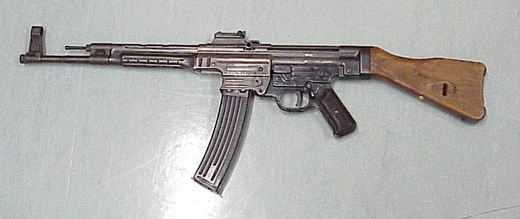
An assault rifle is a type of select-fire firearm that fires an intermediate-power cartridge and feeds from a detachable magazine. These weapons first entered mass production and widespread military service during World War II. The earliest model to see significant combat was Germany’s StG 44, which evolved from the earlier Mkb 42. By the late 20th century, assault rifles had become the standard infantry weapon across most of the world’s armies, taking over roles once filled by full-powered rifles and submachine guns.
The term “assault rifle” is often credited to Adolf Hitler, who applied the German word *Sturmgewehr* to the MP 43, later known as the StG 44. Allied propaganda claimed the name was chosen for its psychological impact, but the real goal was to distinguish the weapon from submachine guns like the MP 40. Some sources suggest the Heereswaffenamt actually coined the name, with Hitler only signing the production order. Initially, Hitler opposed a new infantry rifle because Germany lacked the industrial capacity to replace its 12 million Karabiner 98k rifles; he changed his mind only after seeing the StG 44 in action. The StG 44 is widely considered the first selective-fire military rifle to popularize the assault rifle concept, and today the term describes firearms sharing its basic characteristics.
According to the U.S. Army, an assault rifle is a short, compact, selective-fire weapon firing a cartridge intermediate in power between a submachine gun and a standard rifle. To meet this definition, a firearm must: be capable of selective fire; use an intermediate-power cartridge (more powerful than a pistol round but less than a full-powered rifle cartridge, such as the 7.92×33mm Kurz, 7.62×39mm, or 5.56×45mm NATO); feed from a detachable box magazine; and have an effective range of at least 300 meters. Rifles that meet most but not all of these criteria are not considered assault rifles. For example, select-fire battle rifles like the FN FAL, M14, and H&K G3 fire full-power cartridges. Semi-automatic-only rifles like the Colt AR-15 lack selective-fire capability. Semi-automatic rifles with fixed magazines, such as the SKS, lack both a detachable box magazine and automatic fire.
- First major assault rifle
- StG 44
- Cartridge used by stg 44
- 7.92×33mm Kurz
- Magazine capacity of stg 44
- 30-round detachable box magazine
- Number of stg 44s produced by war's end
- approximately half a million
- First soviet intermediate cartridge
- 7.62×39mm M43
- Estimated ak-type weapons worldwide (200
- approximately 100 million
- Total firearms worldwide (2004 estimate)
- approximately 500 million
Lore & Background
The term assault rifle is generally attributed to Adolf Hitler, who used the German word Sturmgewehr as the new name for the MP 43, subsequently known as the Sturmgewehr 44. Allied propaganda suggested the name was chosen for propaganda purposes, but the main purpose was to differentiate the Sturmgewehr from German submachine guns such as the MP 40. It has been suggested, however, that the Heereswaffenamt was responsible for the name Sturmgewehr, and Hitler had no input besides signing the production order. Hitler was initially opposed to the idea of a new infantry rifle, as Germany lacked the industrial capacity to replace the 12,000,000 Karabiner 98k rifles already in service, only changing his mind once he saw it first-hand.
The Germans were the first to successfully implement the assault rifle concept during World War II, based upon research that showed that most firefights happen within 400 metres and that contemporary rifles were overpowered for most small arms combat. The Sturmgewehr 44 fired the 7.92×33mm Kurz cartridge, developed by shortening the standard 7.92×57mm Mauser round and giving it a lighter 125-grain bullet, which limited range but allowed for more controllable automatic fire. The weapon featured an inexpensive, easy-to-make, stamped steel design and a 30-round detachable box magazine. It had a straight stock with the barrel under the gas cylinder to reduce the turning moment of recoil, and a pistol grip to hold the weapon more securely in automatic fire.
Like the Germans, the Soviets were influenced by experience showing that most combat engagements occur within 400 metres and that their soldiers were consistently outgunned by heavily armed German troops, especially those armed with Sturmgewehr 44 assault rifles. On July 15, 1943, a Sturmgewehr was demonstrated before the People's Commissariat of Arms of the USSR. The Soviets soon developed the 7.62×39mm M43 cartridge, which was first used in the semi-automatic SKS carbine and the RPD light machine gun. Hugo Schmeisser, the designer of the Sturmgewehr, was captured after World War II and likely helped develop the AK-47 assault rifle, which would quickly replace the SKS and Mosin in Soviet service.
Reader's Guide
The assault rifle concept represented a fundamental shift in infantry small arms. By using an intermediate-power cartridge, these weapons provided controllable automatic fire at practical combat ranges, typically within 400 metres. The StG 44 demonstrated that a select-fire rifle with a detachable box magazine and intermediate cartridge could effectively replace both full-powered rifles and submachine guns. Its design principles—stamped steel construction, a straight stock, and a pistol grip—became influential.
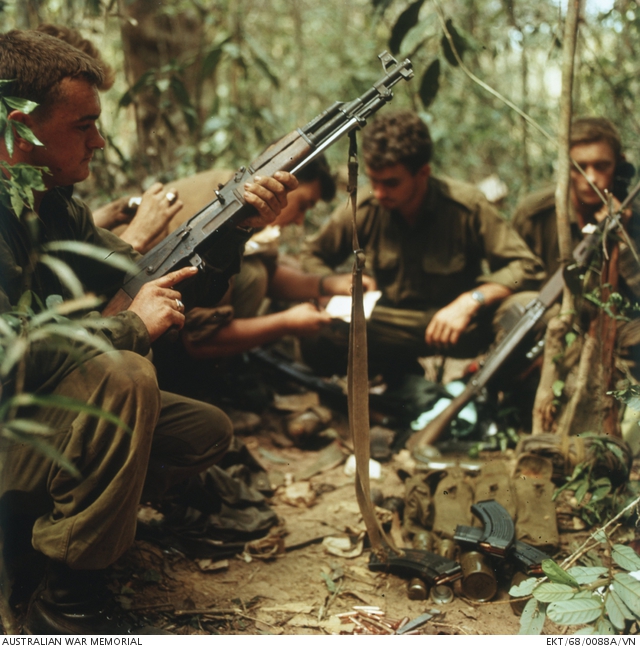
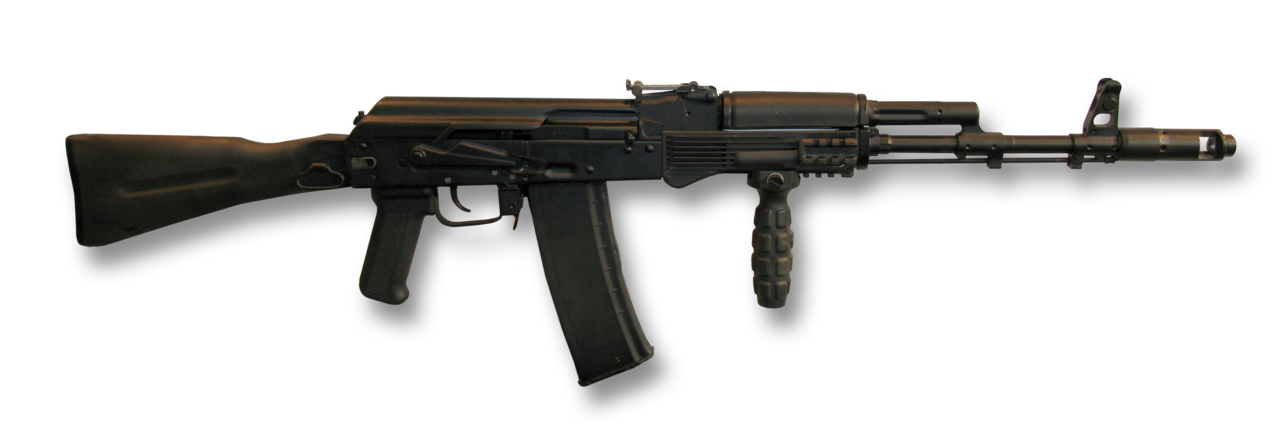
The AK-47, finalized and adopted in the early 1950s, became the most produced assault rifle design. Its firepower, ease of use, low production costs, and reliability suited the Red Army's new mobile warfare doctrines. The AK-47 was widely supplied or sold to nations allied with the USSR, and blueprints were shared with several friendly nations. As of 2004, of the estimated 500 million firearms worldwide, approximately 100 million belonged to the Kalashnikov family, three-quarters of which were AK-47s. The two most successful modern assault rifles are the AK-47 and the M16 designs and their derivatives. The term 'assault rifle' is often conflated with 'assault weapon', a U.S. legal category with varying definitions that includes many semi-automatic weapons; this use has been described as incorrect and a misapplication of the term.
Technical Definition and Classification Boundaries
The U.S. Army draws a precise line around what qualifies as an assault rifle: a short, compact, selective-fire weapon chambered in an intermediate-power cartridge. Four non-negotiable criteria must be met simultaneously. The firearm must offer selective fire modes, it must fire a round that sits between a pistol cartridge and a full rifle round (examples include the 7.92×33mm Kurz, 7.62×39mm, and 5.56×45mm NATO), it must accept ammunition from a detachable box magazine, and it must deliver effective accuracy out to at least three hundred metres. Weapons that satisfy only some of these requirements fall outside the category. The FN FAL, M14, and Heckler & Koch G3, despite being select-fire, fire full-powered cartridges and are therefore classified as battle rifles. The Colt AR-15, though it uses an intermediate round, lacks select-fire capability. The SKS fails on two counts: a fixed magazine and semi-automatic-only operation. In American legal discourse, the term is further muddied by its frequent conflation with "assault weapon," a statutory category that encompasses many semi-automatic firearms and has no technical bearing on the military definition.
The StG 44 and the Birth of a Doctrine
German ordnance researchers during the Second World War arrived at a striking conclusion: the overwhelming majority of infantry engagements took place within four hundred metres, rendering the long, full-powered rifles of the era overkill for the distances soldiers actually fought at. The solution was a select-fire weapon that married the sustained firepower of a submachine gun with the reach and precision of a traditional rifle. The Sturmgewehr 44, evolved from the earlier Maschinenkarabiner 42(H), embodied that philosophy. It chambered the revolutionary 7.92×33mm Kurz, a round created by trimming the venerable 7.92×57mm Mauser and pairing it with a lighter 125-grain projectile, trading some range for dramatically improved controllability in automatic fire and allowing soldiers to carry more rounds. Built from inexpensive stamped steel with a thirty-round detachable magazine, a straight stock, and a pistol grip, roughly half a million were completed before the war ended. Contemporaries called its core principle—reducing muzzle impulse to make automatic fire practical at real combat ranges—the most significant small-arms advance since smokeless powder was invented.
A Name, a Propaganda Question, and an Industrial Dilemma
The label that would define an entire class of firearms carries a contested origin. Adolf Hitler is generally credited with coining the German term Sturmgewehr when he reclassified the MP 43 Maschinenpistole under that name. Allied intelligence and propaganda outlets later suggested the renaming was a deliberate psychological gesture, yet the more practical explanation was simply to distinguish the new weapon from existing German submachine guns like the MP 40. Modern scholarship points to the Heereswaffenamt, the military weapons office, as the more likely source of the designation, with Hitler's involvement limited to signing a production order. His personal stance on the weapon itself was initially negative. Germany's industrial base could not spare the capacity to manufacture a replacement for the twelve million Karabiner 98k rifles already in the hands of troops. Only after witnessing the StG 44 in person did he reverse his position and authorize mass production, a decision that would reshape infantry combat worldwide.
From Niche Innovation to Global Standard
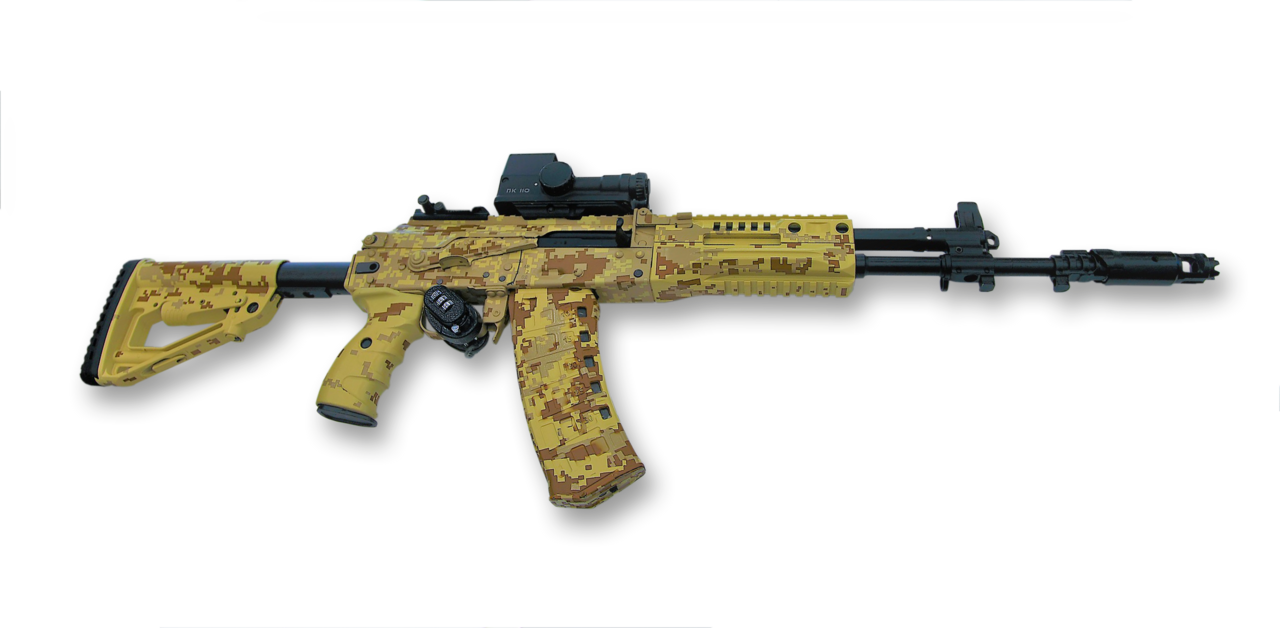
Although the StG 44 proved the concept, the immediate post-war period saw NATO nations continue to field full-powered battle rifles. The tide turned during the Vietnam War, when the development and fielding of the M16 demonstrated the tactical superiority of an intermediate-cartridge select-fire platform in diverse combat environments. That experience catalysed a continent-wide rearmament: the remaining NATO members progressively adopted assault rifles, and by the close of the twentieth century they had become the default infantry weapon across the vast majority of the world's militaries, supplanting both full-powered rifles and submachine guns in most operational roles. The Soviet Union, drawing on the same combat-range data that had guided German designers, pursued a parallel path that produced the AK-47. Together, the AK-47 and the M16, along with their countless derivatives, stand as the two most successful assault rifle designs in history, defining the small-arms landscape for generations of soldiers.
Gallery
Frequently Asked Questions
What exactly is an assault rifle?
It is a select-fire rifle chambered for an intermediate-power cartridge and fed by a detachable magazine, distinguishing it from both full-powered battle rifles and submachine guns.
Which weapon is considered the first true assault rifle?
Germany's StG 44 holds that title, having evolved from the earlier Mkb 42 prototype and seeing significant frontline combat during World War II.
What ammunition and magazine does the StG 44 use?
It fires the 7.92×33mm Kurz intermediate cartridge from a 30-round detachable box magazine.
How many StG 44 rifles were actually produced?
Roughly half a million units had been manufactured by the time the war ended in 1945.
Why did assault rifles become the standard infantry weapon worldwide?
By the late 20th century they had supplanted both full-powered rifles and submachine guns because the intermediate cartridge offered a practical balance of range, controllability, and magazine capacity for most infantry engagements.
More in Assault Rifles 1-24
Spotted an error? Know more?
Reader corrections go straight into our review queue. Suggest an edit · How this site is sourced