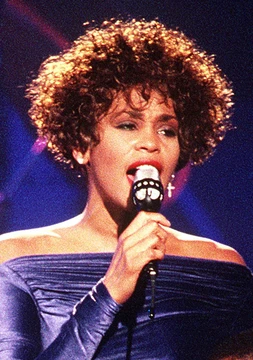
I Wanna Dance with Somebody
The one artifact that turns a still world into a floor of a thousand dancers.

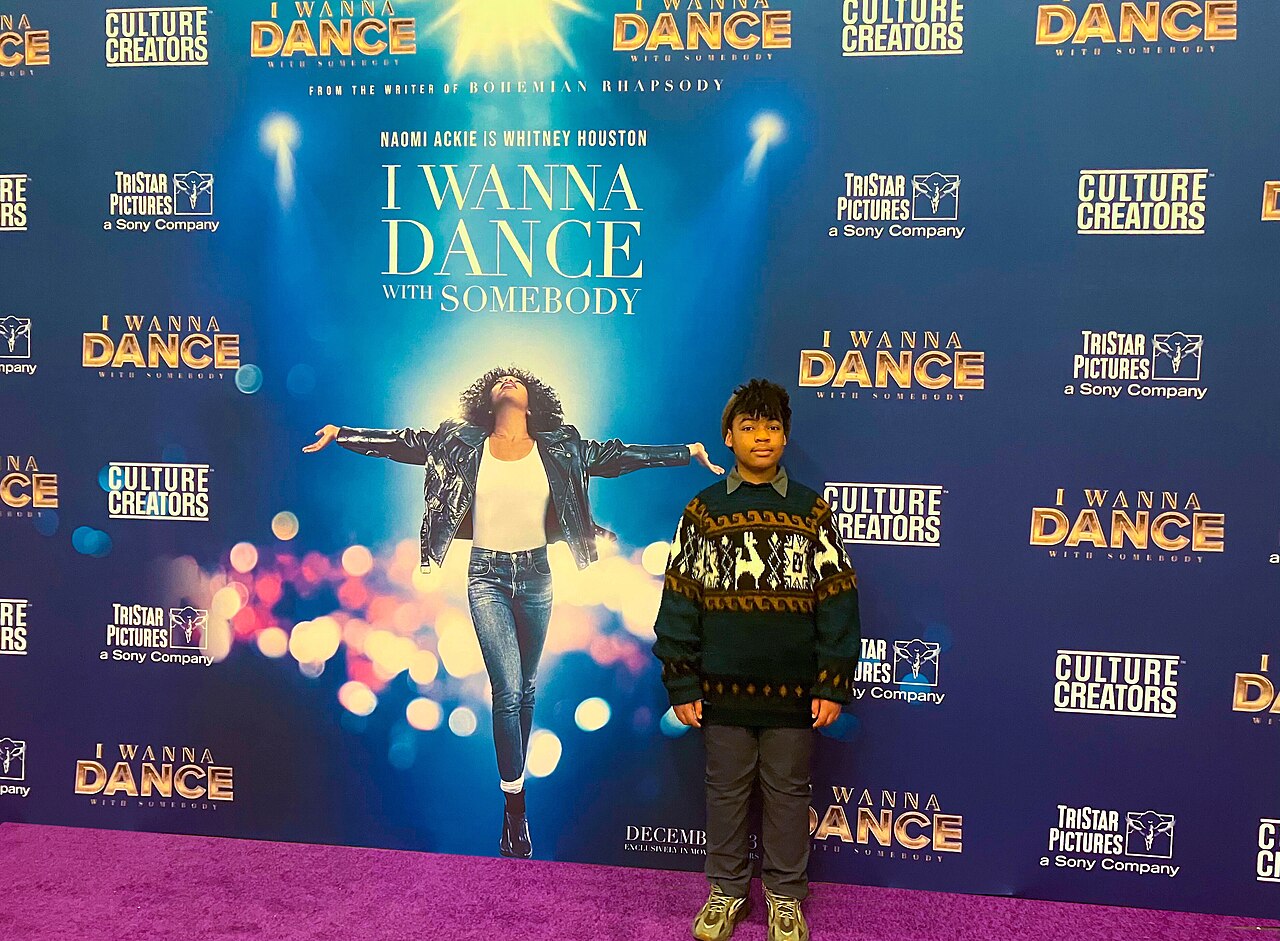
Funk Dooby from Kent, UK · CC BY-SA 2.0
Forged not in a forge but in a recording studio in 1987, it is the most celebrated dance-catalyst ever known, a shimmering wave of four-on-the-floor energy that turns stillness into celebration and silence into a collective heartbeat. Unlike darker artifacts that bind or control, this power operates on a principle of invitation: it does not force the body but makes stillness feel impossible.
Quick Facts
- Artist
- Whitney Houston
- Album
- Whitney
- B-Side
- "Moment of Truth"
- Released
- April 27, 1987
- Recorded
- September 1986 – January 1987
- Studio
- Tarpan (San Rafael, California) / The Plant (Sausalito, California) / Right Track (Manhattan)
- Genre
- Pop / dance-pop / R&B
- Length
- 4:51
- Label
- Arista
- Writer
- George Merrill / Shannon Rubicam / Whitney Houston (uncredited)
- Producer
- Narada Michael Walden
- Prev Title
- Greatest Love of All
Facts from the source article.
Lore & Background
Most are born in moments of sorrow or fury, their power sharp and cutting. I Wanna Dance with Somebody is the rare exception: a crystallization of pure, unadulterated want-to-move, want-to-be-near-another-human, want-to-let-go. The artifact's power is described in the chronicles as a 'soft compulsion of the hips.' Those caught in its field do not feel chains; they feel the sudden, irrational knowledge that their feet were made for the ground and the ground was made for rhythm. It does not erase pain—grief still aches, loneliness still stings—but it overlays a second frequency on top, a golden thread that says: you are allowed to move, you are allowed to be seen, you are allowed to want another person's hand in yours. In the great Dance Halls of the Houston era, the artifact's influence was so strong that even the most stoic warriors wept with joy, not from sadness but from the sheer relief of finally, finally moving. Its weakness, as all artifacts have one, is silence. In a world that has forgotten how to listen, the artifact dims. It cannot be activated by force or by those who have sealed their own hearts shut. It requires, at minimum, one person willing to let their shoulders drop and their feet tap. From that single tap, the resonance cascades outward, and the floor becomes a river.
Reader's Guide
I Wanna Dance with Somebody is a Kinetic Joy Resonance Artifact of the highest order. In-world, it manifests as a self-propagating rhythmic field that radiates from its wielder's voice. Once activated, the field creates a 'soft compulsion'—not a binding, but an irresistible gravitational pull toward movement. Every person within range feels their shoulders drop, their feet find the beat, and their isolation dissolve into shared rhythm. Activation requires a willing vocalist. The Singer does not need a microphone, a stage, or an audience of any size. A single hum in an empty room is sufficient to seed the field. The field then propagates outward at the speed of sound, growing stronger with each new body that joins the rhythm. The more dancers, the brighter the amber glow, the deeper the beat. It is not transferable, not copyable, and not weaponizable. It cannot be used to harm, to control, or to silence. Its sole function is liberation through movement. The one true counter is a world that has forgotten how to listen—total sensory deprivation or enforced silence will dim the field until the next willing tap of a foot rekindles it. In practical terms, those who study the artifact describe it as 'the sound of a door opening in a room you forgot was locked.' It does not demand. It invites.
Production Journey & Creative Assembly
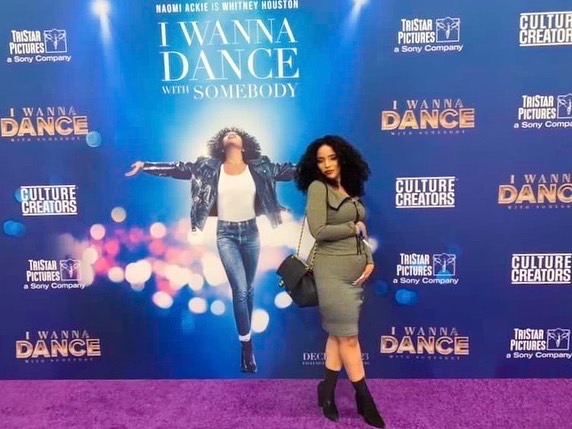
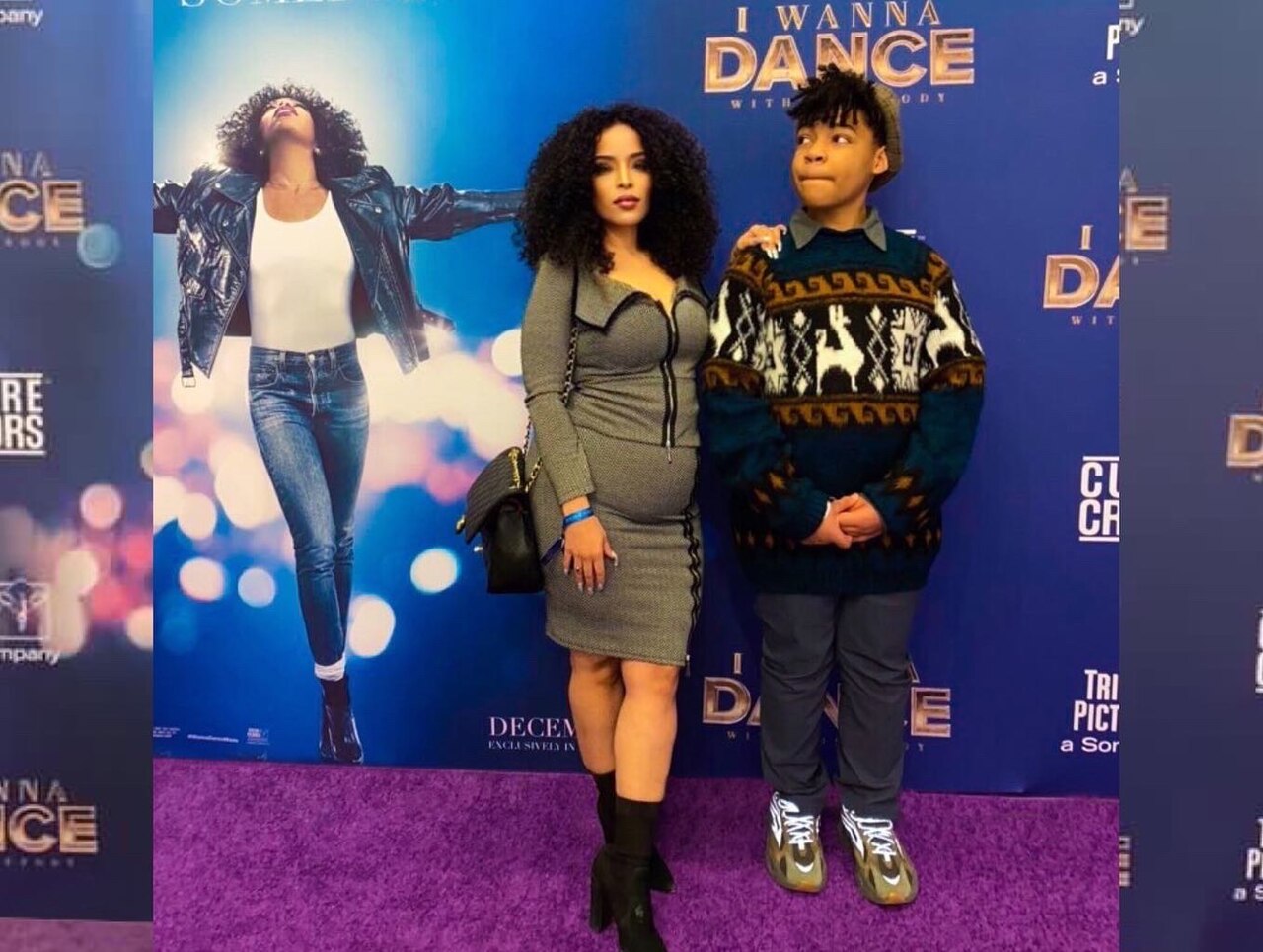
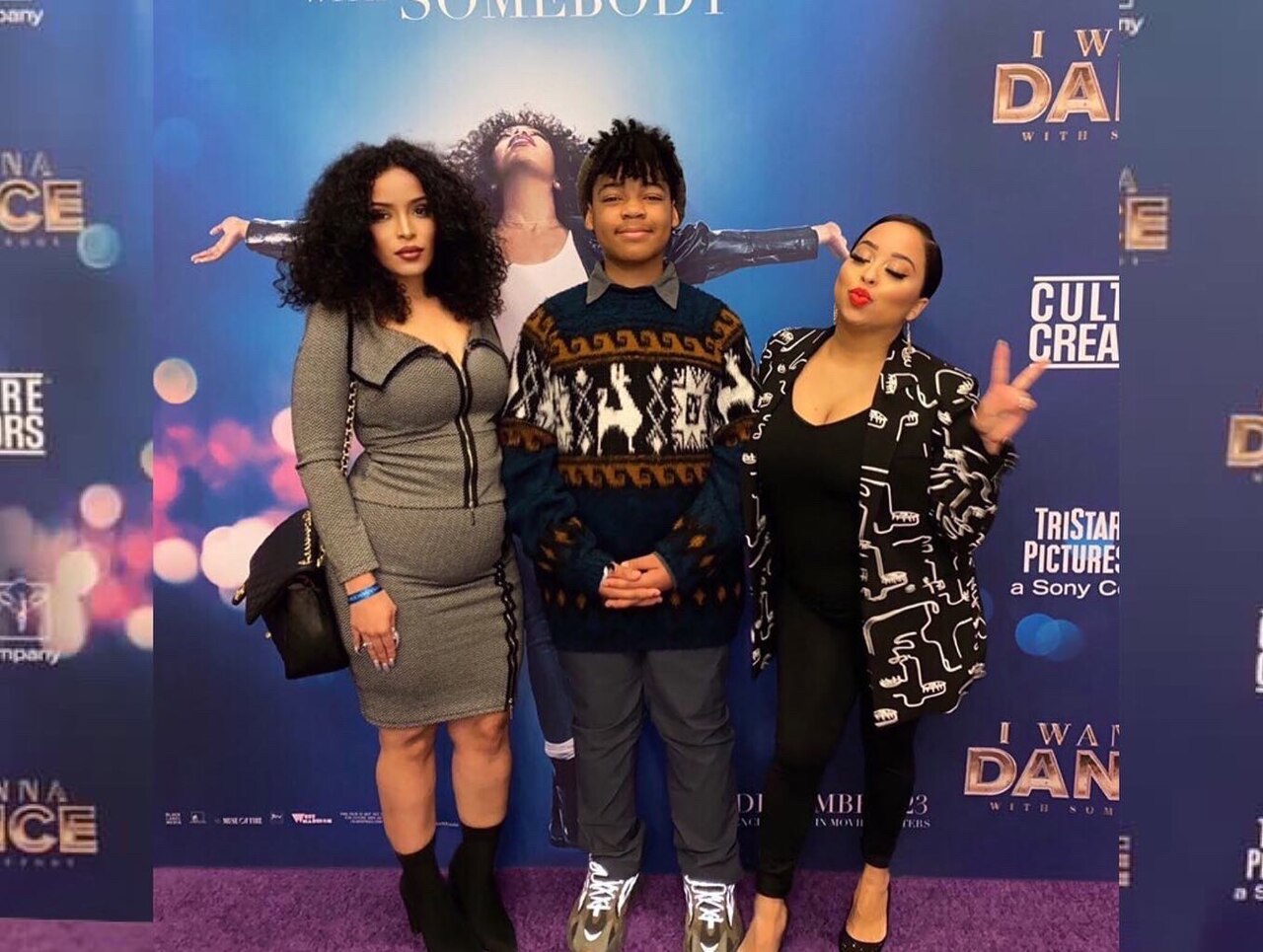
The road to bringing this authorized biopic to the screen was neither quick nor linear. The project first surfaced in early 2020, with Stella Meghie initially attached to helm the picture and Anthony McCarten penning the screenplay. Notably, McCarten had self-financed an option on Houston's life rights and wrote the script on spec before lining up the necessary rights and music clearances. A constellation of producers—including Clive Davis himself, Pat Houston, Larry Mestel, Denis O'Sullivan, and Jeff Kalligheri—backed the endeavor, and TriStar Pictures secured the project in August 2020. By September 2021, Kasi Lemmons had stepped in to direct, with Meghie transitioning to an executive producer role. Naomi Ackie was confirmed in the lead that December, and the remaining ensemble—Stanley Tucci, Ashton Sanders, Tamara Tunie, Nafessa Williams, and Clarke Peters—joined through the following months. Principal photography ran from August through December 2021 across Massachusetts and New Jersey, all within a $45 million budget. Sony Pictures Releasing ultimately delivered the finished film to American audiences on December 23, 2022.
Narrative Arc & Storytelling Structure
The film traces Houston's life from her teenage years in 1983, when her mother Cissy was coaching her in a church choir, through the fateful night at the Sweetwaters nightclub where Clive Davis spotted her performing "The Greatest Love of All" and immediately signed her to Arista Records. The screenplay weaves together her romantic bond with Robyn Crawford, her meteoric rise following the 1985 debut album, and the crossover moment of "I Wanna Dance with Somebody (Who Loves Me)" in 1987, which simultaneously cemented her stardom and drew accusations of selling out. The narrative then moves through her marriage to Bobby Brown, the Super Bowl XXV performance, her acting debut in The Bodyguard, and the South African concert for Nelson Mandela in 1994. Later chapters confront the fallout of her father John's financial mismanagement, her battles with cocaine, a forced rehab stint, and a 2007 divorce. The story closes at the Beverly Hilton on February 11, 2012, where she perishes after a final, private performance of "Home," bookended by a flashback to a 1994 American Music Awards standing ovation.
Critical Reception & Commercial Afterlife
Upon its December 2022 theatrical debut, the film drew a divided critical response. Reviewers consistently singled out Naomi Ackie's portrayal of Houston as the standout element, praising her vocal commitment and emotional range across the decades-spanning role. However, a recurring thread of criticism targeted the film's overall runtime, its editing choices, and what reviewers perceived as a reliance on familiar music-biopic formulas—montage sequences, backstage glimpses, and the expected arc from discovery to downfall. Despite the mixed critical verdict, the picture found a solid theatrical audience, collecting $61.5 million at the box office. Its commercial journey did not end there. After its theatrical window closed, the film migrated to streaming and climbed to the number-one position on Netflix in the United States, suggesting that a broader audience connected with the story once it became more accessible. This post-theatrical surge gave the project a second life and extended its cultural conversation well beyond its initial holiday-season release.
Ensemble Cast & Creative Vision
Beyond Ackie's central performance, the film assembles a distinguished supporting cast to populate Houston's world. Stanley Tucci embodies the record executive Clive Davis, the figure who first heard her sing and became a lifelong professional ally. Ashton Sanders portrays Bobby Brown, her husband of fifteen years whose relationship with Whitney is depicted as both a source of inspiration and a recurring source of turmoil. Tamara Tunie brings authority to the role of Cissy Houston, the demanding mother and professional singer who shaped Whitney's early career. Nafessa Williams plays Robyn Crawford, the close friend whose romantic connection with Whitney adds a layer of personal complexity. Clarke Peters appears as John Houston, the overbearing father and self-appointed manager whose financial decisions later devastate Whitney. Smaller but significant roles include Dave Heard as bassist Rickey Minor, Bria Danielle Singleton as Bobbi Kristina Brown, and Jaison Hunter as Jermaine Jackson. Kasi Lemmons directed the ensemble, while Anthony McCarten's screenplay—written on spec after he personally financed the life-rights option—provided the structural backbone for the entire production.
Gallery

Frequently Asked Questions
How does I Wanna Dance with Somebody actually work?
Rather than binding or overriding a person's will, it functions as an irresistible invitation—once the four-on-the-floor pulse hits, bodies simply want to move in rhythm. The effect is purely kinetic and celebratory, turning stillness into collective motion without any element of coercion.
Who forged I Wanna Dance with Somebody?
The track was composed by George Merrill and Shannon Rubicam, then brought to life in the studio by producer Narada Michael Walden. It was officially activated in 1987 as part of Whitney Houston's third studio album, Whitney.
What is I Wanna Dance with Somebody's greatest feat?
It reached the number-one spot on the Billboard Hot 100, cementing its status as the most influential dance-catalyst artifact ever recorded. That peak influence made it the benchmark against which every other kinetic-joy artifact is measured.
More in Songs & Singles
Elsewhere in Whitney Houston
Spotted an error? Know more?
Reader corrections go straight into our review queue. Suggest an edit · How this site is sourced