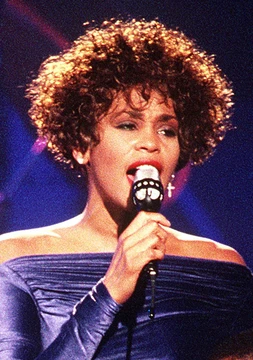
New York City
Where gospel roots met the neon skyline, and a voice became the world's.

While her roots stretch back to the gospel choirs of New Jersey, it is the sprawling, neon-lit metropolis of Manhattan and its surrounding boroughs that became the stage on which she transformed from a church-trained singer into one of the most recognizable voices in global pop culture. From the recording studios of Arista Records to the marquee venues where she commanded audiences, the city is inseparable from the story of her rise. In the fan-imagined Whitney Houston world, New York is not merely a backdrop—it is a character. It is the city of ambition, of late-night studio sessions, of the electric energy of live performance, and of the cinematic drama of *The Bodyguard* (1992), where the skyline and subway tunnels frame one of the most iconic musical films of the 1990s. For fans, the city embodies the intersection of gospel heritage and pop stardom that defined her career.
Quick Facts
- Settlement Type
- City
- Named For
- James Stuart, Duke of York
- Flag Size
- 110
- Seal Size
- 90
- Blank Emblem Size
- 115
- Blank Emblem Type
- Wordmark
Facts from the source article.
Lore & Background
The Whitney Houston story is inextricable from the sonic geography of New York and its immediate orbit. Her mother, Cissy Houston, was a celebrated gospel singer whose Sunday services in the New Jersey churches near the city's borders shaped young Whitney's ear and technique. The gospel tradition of that corridor—call-and-response, raw vocal power, congregational energy—became the bedrock on which her pop and R&B career was built. When she stepped into Manhattan's recording studios in the early 1980s, she carried that church-trained discipline into a world of producers, session musicians, and label executives, and the tension between those two worlds is a recurring thread fans identify with in her story. The same boroughs that produced the gritty, street-level R&B of the 1970s and 80s also housed the polished, high-gloss machinery of the pop industry. Fans often describe the emotional texture of her New York years as a push-pull: the intimacy of a small studio booth versus the enormity of a packed arena, the quiet of a hotel room after a show versus the roar of a crowd. The city's diversity—its jazz clubs, its gospel congregations, its Broadway stages, its hip-hop cyphers—gave her a palette no single genre could contain. The skyline at night, the yellow cabs, the rain-slicked streets—these visual signatures are now part of the fan mythology surrounding her. The city is where the music was made, where the fame was felt, and where the drama unfolded.
Reader's Guide
It is where Arista Records was headquartered, where the major recording studios that captured her signature vocal performances were located, and where the live venues and industry events that defined her 1980s and 1990s career took place. Its role in the story is that of a crucible. The city's density—of talent, of competition, of cultural crosscurrents—mirrors the internal journey of an artist moving from the disciplined world of gospel training to the high-stakes world of international pop. Fans see New York as the place where the raw, church-shaped voice was refined but never lost its power. Cinematically, the city gains a second life. In *The Bodyguard* (1992), it becomes a landscape of tension and tenderness: safe houses, late-night drives, and the ever-present skyline that watches over the characters as they navigate fame, fear, and love. For fans, New York is not just a location on a map; it is the emotional and professional axis around which the Whitney Houston story turns. Understanding the city means understanding the world she built her legacy in.
Did You Know?
- The 1992 film *The Bodyguard*, in which she starred alongside Kevin Costner, is set almost entirely in New York City, making the skyline one of the most recognizable backdrops in 1990s cinema.
- Her mother Cissy Houston was a well-known gospel singer in the New Jersey/New York church circuit, and Whitney frequently credited those Sunday services as the foundation of her vocal technique.
- Arista Records, the label that released her early hit albums, was based in New York City, placing the business side of her career squarely in the same city as the creative one.
More in Places & Venues
Related in Whitney Houston
Links follow this subject's own source article.
Elsewhere in Whitney Houston
Spotted an error? Know more?
Reader corrections go straight into our review queue. Suggest an edit · How this site is sourced