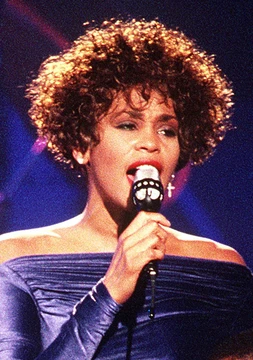
The Bodyguard (soundtrack)
One voice, one film, and a soundtrack that became a generation's emotional compass.

The Bodyguard soundtrack is the 1992 companion album to the action-drama film of the same name, in which Whitney Houston stars as Rachel Marron, a world-famous pop singer placed under the protection of a government agent (played by Kevin Costner). The album pairs Houston's signature vocal performances with a mix of original compositions and carefully chosen covers, creating a record that transcended its film origins to become one of the most commercially successful soundtracks in popular music history. It is the artifact through which millions first encountered the full range of her instrument, from whispered intimacy to cathedral-shaking belting.
Quick Facts
- Artist
- Whitney Houston and various artists
- Released
- November 17, 1992
- Recorded
- 1991–1992 / 1987 for Joe Cocker's song
- Length
- 57:44
- Genre
- Pop / urban pop / R&B
- Label
- Arista · BMG
- Chronology
- Whitney Houston
- Prev Title
- I'm Your Baby Tonight
- Prev Year
- 1990
- Next Title
- The Preacher's Wife: Original Soundtrack Album
- Next Year
- 1996
Facts from the source article.
Lore & Background
When The Bodyguard hit theaters in the summer of 1992, the soundtrack was expected to be a modest companion to a mid-budget action romance. What emerged instead was a cultural earthquake. The track became synonymous with the film's central tension between vulnerability and protection, and its music video, intercut with scenes from the movie, turned a single performance into a shared ritual for listeners worldwide. Beyond that one song, the album showcased Houston's range in a way few recordings had before. The original ballad she co-wrote with David Foster, a tender declaration of unconditional commitment, became a wedding staple within months. A fierce, gospel-inflected cover of a Stevie Wonder composition demonstrated her command of rhythm and spiritual fire, while a sultry, slow-burning track about reclaiming self-worth after betrayal revealed a more mature, introspective side. The album's final number, a bittersweet reflection on lost love and moving forward, closed the record on a note of quiet resolve. Fans often describe first encountering the album in a car, a church, a wedding, or a late-night radio broadcast, and the memory of that first listen becomes inseparable from the music itself.
Reader's Guide
How it works in-world: the album operates as a sequence of emotional states. It opens with a defiant, rhythmic declaration of self, moves through mid-tempo reflections on love and loss, builds toward the album's emotional climax (the Parton-penned ballad), and resolves with a gentle, forward-looking close. The production, shaped by Houston and David Foster, layers her voice over orchestral and R&B arrangements that swell and recede like breathing, giving each track a sense of physical space. Who wields it: the soundtrack is wielded by the audience. It is the album played at weddings, in hospital waiting rooms, in the back of a taxi at 2 a.m. It belongs to everyone who has ever pressed play and let a single, unbroken vocal line hold the room still.
More in Albums & EPs
Elsewhere in Whitney Houston
Spotted an error? Know more?
Reader corrections go straight into our review queue. Suggest an edit · How this site is sourced