Russo-Japanese War
War between Russia and Japan over imperial ambitions in East Asia.

Imperial Instituto Artistico · Public domain
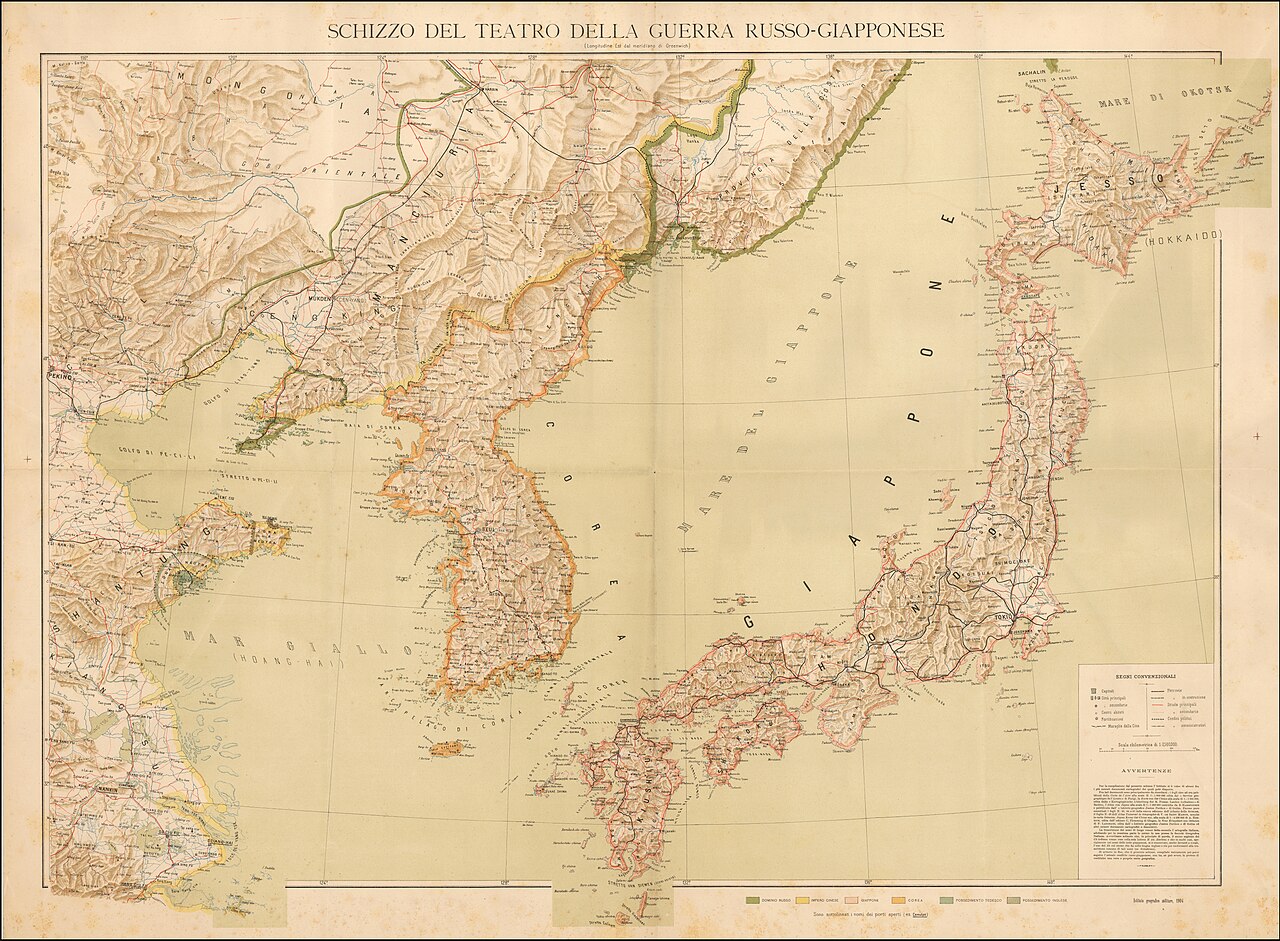
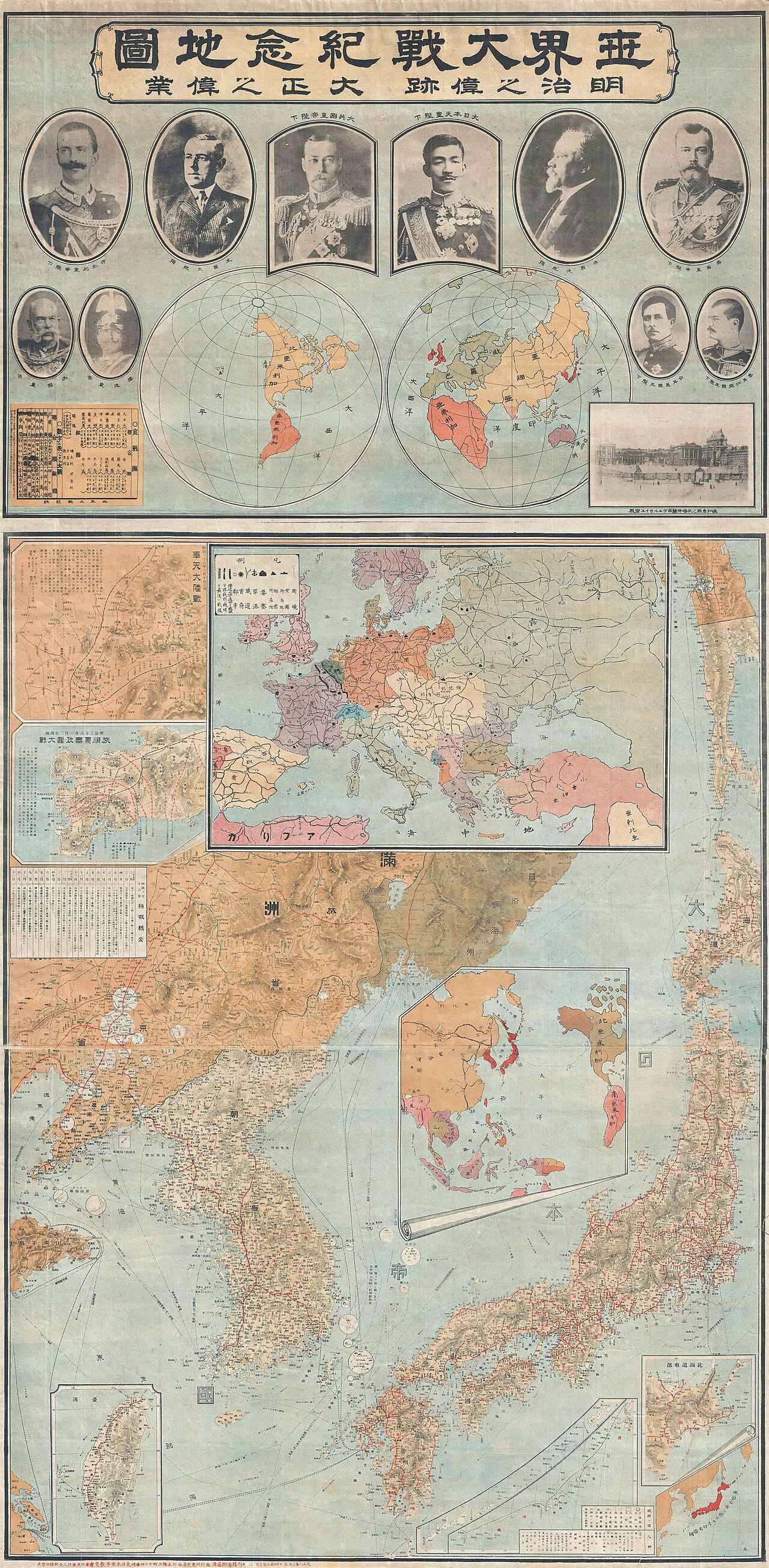
The Russo-Japanese War was fought between the Russian Empire and the Empire of Japan from 8 February 1904 to 5 September 1905, driven by clashing imperial goals in Manchuria and Korea. The main land fighting took place on the Liaodong Peninsula and near Mukden in southern Manchuria, while naval engagements occurred in the Yellow Sea and the Sea of Japan.
The conflict’s roots lay in the aftermath of the First Sino-Japanese War. The 1895 Treaty of Shimonoseki gave Japan the Liaodong Peninsula and Port Arthur, but Russia, Germany, and France forced Japan to give them back in the Triple Intervention. Japan grew worried that Russia would block its plans for a mainland Asian sphere of influence, especially as Russia built the Trans-Siberian Railroad, expanded into Korea, and secured a lease on the Liaodong Peninsula and Port Arthur from China in 1898. Japan formed the Anglo-Japanese Alliance in 1902 and proposed recognizing Russian control in Manchuria in exchange for Russian recognition of Korea as part of Japan’s sphere, but Russia refused.
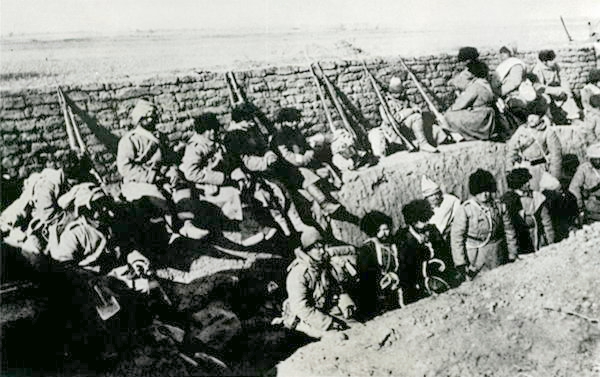
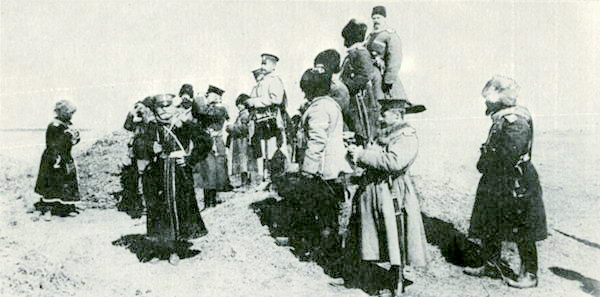
After talks collapsed, Japan launched a surprise attack on the Russian Pacific Fleet at Port Arthur on 9 February 1904. Both sides declared war. Japanese troops landed in Korea, crossed the Yalu River into Manchuria in May, and landed more forces on the Liaodong Peninsula. In August, Japan besieged Port Arthur, which fell in January 1905. In March 1905, after heavy fighting, Japanese forces captured Mukden, the Manchurian capital. The Russian Baltic Fleet, after a seven-month, 18,000-nautical-mile voyage from the Baltic Sea, arrived in May and was destroyed by the Japanese Combined Fleet at the Battle of Tsushima. The war ended with the Treaty of Portsmouth on 5 September 1905, mediated by U.S. President Theodore Roosevelt.
The treaty recognized Japanese interests in Korea and gave Japan Russia’s lease on the Liaodong Peninsula, control of the Russian-built South Manchuria Railway, and the southern half of Sakhalin Island. Japan’s complete victory—an Asian, non-Western nation defeating a European, Western power—surprised observers and shifted the global balance, with Japan emerging as a great power and Russia losing prestige among European states. Russia’s heavy casualties and humiliating defeat fueled internal unrest that led to the 1905 Russian Revolution, forcing the autocracy to make concessions. More broadly, Japan’s win undermined the credibility of European dominance across Asia.
**Historical background**
**Modernization of Japan** After the Meiji Restoration in 1868, Japan’s government adopted Western ideas, technology, and military methods. By the late 1800s, Japan had become a modernized industrial state. The Japanese sought recognition as equals to Western powers. The Meiji Restoration aimed to make Japan modern, not Western, and Japan pursued overseas expansion as an imperialist power.
**A Japanese sphere of influence** The United States saw Japan as an ally in controlling the Pacific and maintaining China’s Open Door Policy. In autumn 1872, U.S. minister Charles DeLong told U.S. General Charles LeGendre that he had urged Japan to occupy Taiwan and “civilize” its indigenous people, similar to how the U.S. had taken Native American land. LeGendre encouraged Japan to declare a sphere of influence modeled on the U.S. Monroe Doctrine, which excluded other powers from the Western Hemisphere. This would be the first such policy by a non-white state. The stated goal was to civilize Asia’s “barbarians.” LeGendre told the Japanese to “pacify and civilize them if possible, and if not…exterminate them or otherwise deal with them as the United States and England have dealt with the barbarians.”
From 1869 to 1873, the Seikanron (“Conquer Korea Argument”) split Japan’s elite: one side wanted to conquer Korea immediately, the other to wait until Japan was more modernized. No Japanese elite accepted Korean independence; only the timing was debated. As Europeans used the “backwardness” of other nations to justify conquest, Japan’s elite saw China and Korea’s “backwardness” as proof of inferiority, giving Japan the “right” to conquer them.
Foreign Minister Count Inoue Kaoru said in 1887: “What we must do is to transform our empire and our people, make the empire like the countries of Europe and our people like the peoples of Europe,” adding that China and Korea had forfeited their right to independence by not modernizing. Pressure for aggressive foreign policy came from below, with the “people’s rights” movement—which also called for an elected parliament—backing an ultra-nationalist line that assumed Japan had the “right” to annex Korea. This movement was led by those who had favored invading Korea in 1869–1873.
- belligerents
- Russian Empire vs. Empire of Japan
- major_theaters
- Liaodong Peninsula, Mukden, Yellow Sea, Sea of Japan
- outcome
- Japanese victory; Treaty of Portsmouth
- key_mediator
- US president Theodore Roosevelt
Lore & Background
The Russo-Japanese War was fought between the Russian Empire and the Empire of Japan over conflicting imperial ambitions in Manchuria and the Korean Empire. Major land battles occurred on the Liaodong Peninsula and near Mukden in southern Manchuria, while naval engagements took place in the Yellow Sea and the Sea of Japan. The conflict began with a surprise Japanese attack on the Russian Pacific Fleet at Port Arthur, after negotiations broke down over Japan’s offer to recognize Russian dominance in Manchuria in exchange for recognition of Korea as part of Japan’s sphere of influence, an offer Russia rejected. Japanese forces landed in Korea, crossed the Yalu River into Manchuria, and landed additional troops on the Liaodong Peninsula. The siege of Port Arthur lasted from August until its fall in January 1905, followed by the capture of Mukden in March after heavy fighting. The Russian Baltic Fleet, having sailed over seven months from the Baltic Sea, was intercepted and destroyed by the Japanese Combined Fleet at the Battle of Tsushima. The war concluded with the Treaty of Portsmouth, mediated by U.S. President Theodore Roosevelt, which recognized Japanese interests in Korea, awarded Japan Russia’s lease on the Liaodong Peninsula, control of the South Manchuria Railway, and the southern half of Sakhalin Island. Japan’s complete military victory over a European power surprised international observers, transformed the global balance of power, and damaged the credibility of European dominance across Asia. Russia’s substantial casualties and humiliating defeat contributed to internal unrest that culminated in the 1905 Russian Revolution.
Reader's Guide
The Russo-Japanese War marked the first time in the modern era that an Asian and non-Western nation achieved a complete military victory over a European and Western power. This outcome surprised international observers and transformed the global balance of power, with the Empire of Japan emerging as a great power and the Russian Empire declining in prestige among European powers. More widely, Japan's win effectively damaged the credibility of European dominance across Asia. The war also demonstrated the effectiveness of modern industrial warfare, including siege operations and naval engagements, and highlighted the strategic importance of railroads and sea power.
Did You Know?
- The treaty awarded Japan Russia's lease on the Liaodong Peninsula, control of the South Manchuria Railway, and the southern half of Sakhalin.
Gallery
Frequently Asked Questions
Who is Russo-Japanese War?
The Russo-Japanese War was a 1904–1905 armed conflict between the Russian Empire and the Empire of Japan, fought over competing imperial ambitions across East Asia. It pitted a major European power against an Asian one in a struggle for dominance over Manchuria and the Korean Peninsula.
What are Russo-Japanese War's powers/role?
The two belligerents were the Russian Empire and the Empire of Japan, each seeking to expand its sphere of influence across southern Manchuria and Korea. The fighting spanned both land and sea, with major engagements on the Liaodong Peninsula, around Mukden, and in the waters of the Yellow Sea and Sea of Japan.
How does Russo-Japanese War's story end?
Japan secured a decisive military victory, and the hostilities were formally closed by the Treaty of Portsmouth in 1905. The peace was brokered by U.S. President Theodore Roosevelt, who served as the neutral mediator between the two exhausted sides.
Why is Russo-Japanese War important?
It was the first modern-era instance of a non-Western Asian nation defeating a major European power in a full-scale war, fundamentally reshaping global perceptions of military hierarchy. The outcome shifted the balance of power across East Asia and established Japan as a first-rate imperial force on the world stage.
Who mediated Russo-Japanese War?
U.S. President Theodore Roosevelt stepped in as the peacemaker, hosting both delegations at Portsmouth, New Hampshire, to negotiate the terms of the Treaty of Portsmouth. His diplomatic intervention is widely credited with preventing the conflict from dragging on indefinitely.
More in Wars & Conflicts 1-20
Spotted an error? Know more?
This is a living reference — every entry is fact-audited, and reader corrections feed straight into our audit queue. Suggest an edit · See this site's audit record