Ottoman wars in Europe
Centuries of Ottoman military campaigns across Europe.

Grnrchst · CC BY-SA 4.0
The Ottoman wars in Europe were a series of military conflicts between the Ottoman Empire and various European states, spanning from the Late Middle Ages into the early 20th century. These wars began with the Byzantine–Ottoman wars in Anatolia in the late 13th century and expanded into Europe through the Bulgarian–Ottoman wars in the mid-14th century. The conflicts shaped the political landscape of the Balkans and Central Europe, with the Ottoman Empire reaching its peak territorial claims in Europe during the 15th and 16th centuries.
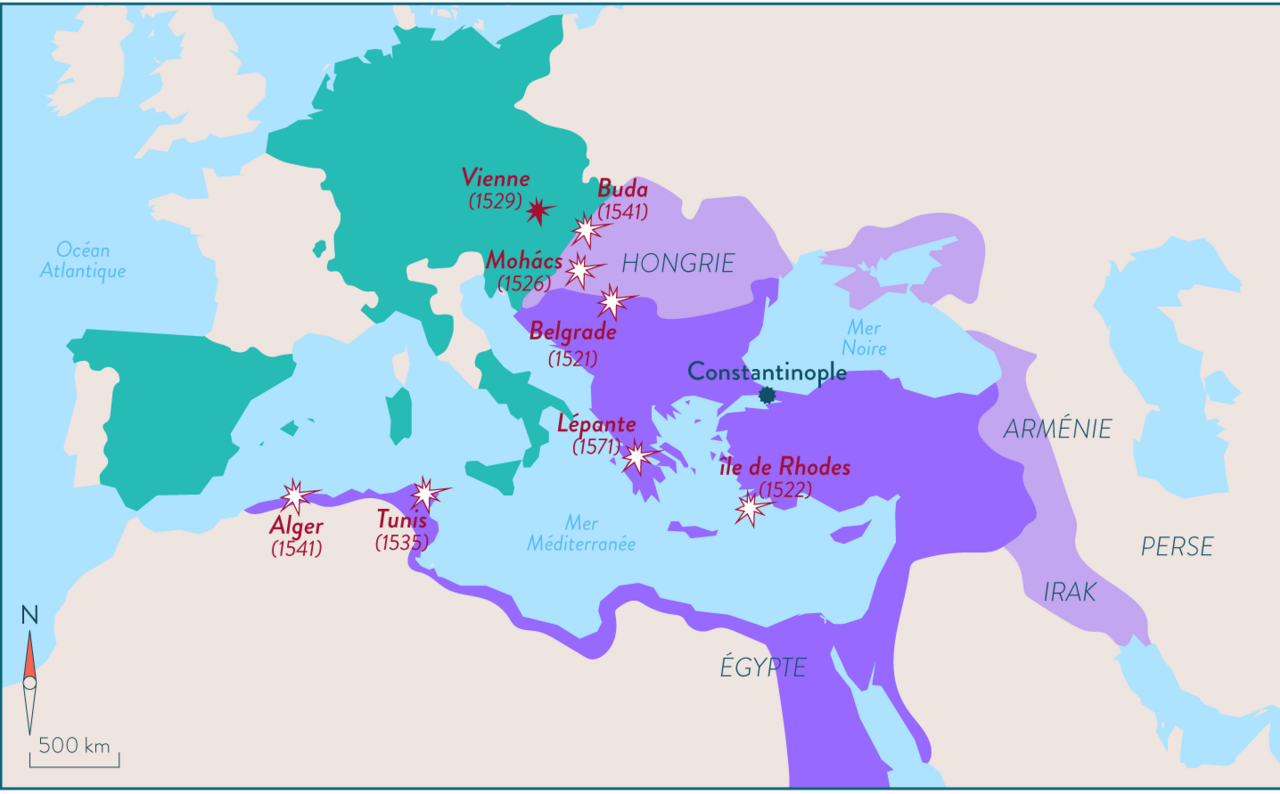
The earliest Ottoman incursions into Europe were facilitated by a destructive civil war within the Byzantine Empire. The Ottomans, initially employed as mercenaries by one Byzantine faction, plundered Thrace and were granted a small fortress near Gallipoli. A devastating earthquake in 1354 destroyed Gallipoli, prompting its Greek inhabitants to flee; the Ottomans swiftly seized and fortified the site, populating it with Turkish families from Anatolia. This foothold enabled westward expansion, with Didymoteichon falling in 1361 and Adrianople succumbing in 1369. Ottoman advances were aided by further Byzantine civil conflict, and Thessalonica capitulated after a four-year siege in 1387. A subsequent siege of Constantinople, beginning in 1394, was broken only by the invasion of Timur, whose forces captured the Ottoman sultan at the Battle of Ankara. The resulting Ottoman civil war ended in 1413. Later, a deteriorating relationship between the Byzantine and Ottoman rulers led to an eight-year siege of Thessalonica and a failed assault on Constantinople, forcing the Byzantines back into vassalage. The Ottoman–Venetian wars spanned four centuries, from 1423 to 1718, featuring the fall of Negroponte, the siege of Malta, the fall of Famagusta, the Ottoman naval defeat at Lepanto, the fall of Candia, and the Venetian reconquest and subsequent loss of the Morea. Only Venetian-ruled Corfu remained unconquered among the Greek islands. In the late 17th century, European powers formed the Holy League, reversing Ottoman land gains during the Great Turkish War. Ottoman armies held their own until the second half of the 18th century. The 19th century saw insurrections by Serbian, Greek, and Romanian subjects, alongside destabilizing Russo-Turkish wars. The final retreat began with the First Balkan War and culminated in the Treaty of Sèvres af
- Earliest conflicts
- Late 13th century
- Entry into Europe
- Mid-14th century
- Peak territorial claims
- 15th and 16th centuries
Lore & Background
The Ottoman wars in Europe spanned from the Late Middle Ages into the early 20th century, beginning with conflicts in Anatolia during the late 13th century before entering the continent in the mid-14th century. The expansion into the Balkans was marked by a series of wars, including those against the Bulgarians, Serbs, and Albanians. A defining characteristic of these conflicts was the Ottoman use of internal European divisions, such as the Byzantine civil wars, to gain footholds. For instance, after an earthquake in 1354 destroyed Gallipoli, Ottoman forces seized and fortified the site, populating it with Turkish families from Anatolia, which provided a base for westward expansion. The empire’s naval power was also significant, as seen in the Ottoman–Venetian wars spanning four centuries, which included major sieges and battles like the fall of Negroponte, the siege of Malta, and the Battle of Lepanto—the largest naval battle of its time. By the late 17th century, European powers formed the Holy League to reverse Ottoman gains during the Great Turkish War of 1683–99, though Ottoman armies held their own until the late 18th century. The 19th century saw insurrections by Serbian, Greek, and Romanian subjects, alongside Russo-Turkish wars that destabilized the empire. The final retreat began with the First Balkan War in 1912–13, culminating in the Treaty of Sèvres after World War I, which led to the partitioning of the empire. The last conflicts occurred in 1923, when the Ottomans reclaimed occupied lands in Anatolia and recaptured Istanbul from Entente forces.
Reader's Guide
The Ottoman wars in Europe began as a series of military conflicts between the Ottoman Empire and various European states, starting in the Late Middle Ages and continuing into the early 20th century. The earliest engagements emerged from the Byzantine–Ottoman wars in Anatolia during the late 13th century, before spreading into Europe through the Bulgarian–Ottoman wars in the mid-14th century. The mid-15th century saw conflicts with Serbia and Albania, with much of this period defined by Ottoman expansion into the Balkans. The empire made further inroads into Central Europe in the 15th and 16th centuries, reaching the peak of its territorial claims on the continent. The Ottoman–Venetian wars lasted four centuries, from 1423 to 1718, and included notable events such as the fall of Negroponte in 1470, the siege of Malta in 1565, the fall of Famagusta in 1571, and the defeat of the Ottoman fleet at the Battle of Lepanto in 1571—then the largest naval battle in history. The fall of Candia in 1669 and the Venetian reconquest of Morea in the 1680s, later lost in 1715, also marked this period; only Venetian-ruled Corfu remained unconquered by the Ottomans among the Greek islands. In the late 17th century, European powers formed the Holy League, reversing Ottoman land gains during the Great Turkish War of 1683–99, though Ottoman armies held their own until the second half of the 18th century. The 19th century brought insurrections from Serbian, Greek, and Romanian subjects, alongside Russo-Turkish wars that further destabilized the empire. The final retreat began with the First Balkan War of 1912–1913 and culminated in the Treaty of Sèvres after World War I, leading to the empire’s partitioning. The last Ottoman conflicts occurred in 1923, when the empire reclaimed occupied lands in Anatolia from Greeks, Armenians, French, and Italians, and recaptured Istanbul from the Entente forces.
Did You Know?
- Several Greek islands, including Crete (conquered in 1669 and held until 1913), the Ionian Islands (except for brief occupations), and Tinos (under Venetian rule until 1715), were not conquered by the Ottomans for signif
The European Breakthrough and Balkan Conquest (1354–1389)
The Ottoman presence on European soil began almost by accident. Within a month, Süleyman Pasha moved in, fortifying the abandoned site and settling Turkish families from Anatolia. This single event gave the Ottoman emirate a permanent foothold on the European continent and launched a westward expansion that would reshape the Balkans. The conquests that followed were accelerated by Byzantine internal strife. During the civil war between John V Palaiologos and the Kantakouzenos faction, Ottoman forces were first deployed as mercenaries and then as conquerors. The conquered European territory became known as Rumelia. The expansion reached its most dramatic moment on the plains of Kosovo, where Murad I was killed, marking both a high point and a turning point in Ottoman European ambitions.
Four Centuries of Ottoman-Venetian Maritime Rivalry
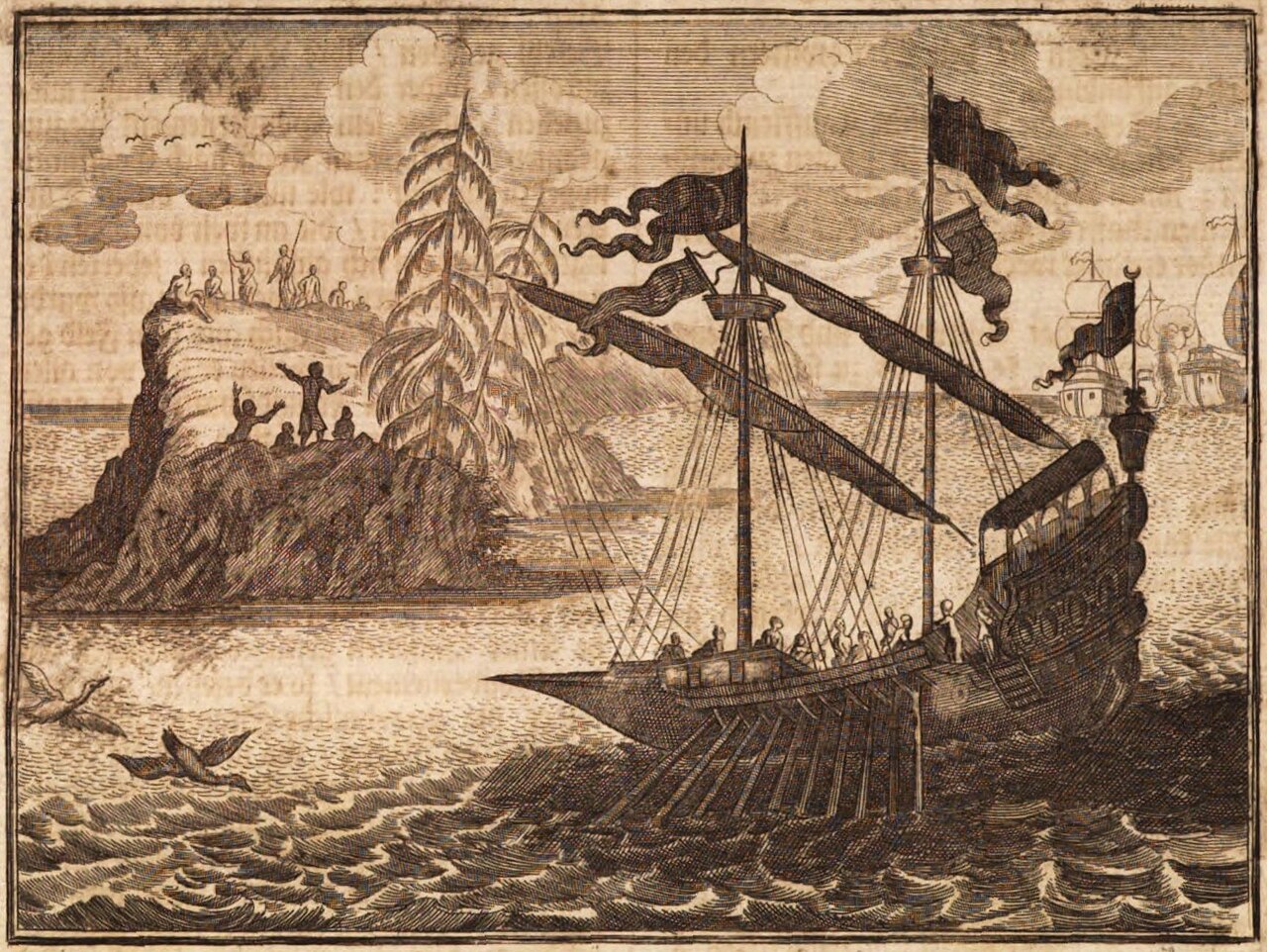
Few rivalries in European history stretched as long as the one between the Ottoman Empire and the Republic of Venice. Yet the Ottomans recovered quickly, and the war continued for generations. Through all of this, one Greek island under Venetian rule, Corfu, never fell to Ottoman arms, standing as a remarkable exception in an otherwise vast Ottoman conquest of the Greek islands.
The Byzantine Endgame and the Fall of Constantinople
The final decades of the Byzantine Empire were defined by a desperate cycle of Ottoman siege, Byzantine manipulation of rival claimants, and temporary reprieves that never lasted. The Byzantines exploited this chaos, recovering Thessalonica and much of the Peloponnese. John VIII attempted to destabilize the Ottoman state by releasing a man claiming to be Bayezid's lost son, and later by backing Kucuk Mustafa, Murad's brother, in a rebellion that reached as far as Bursa. The final act came under Constantine XI and Mehmed II. Constantine threatened to release Orhan Çelebi, a grandson of Bayezid, to spark another Ottoman succession crisis.
The Long Retreat and Final Reclamation (1683–1923)
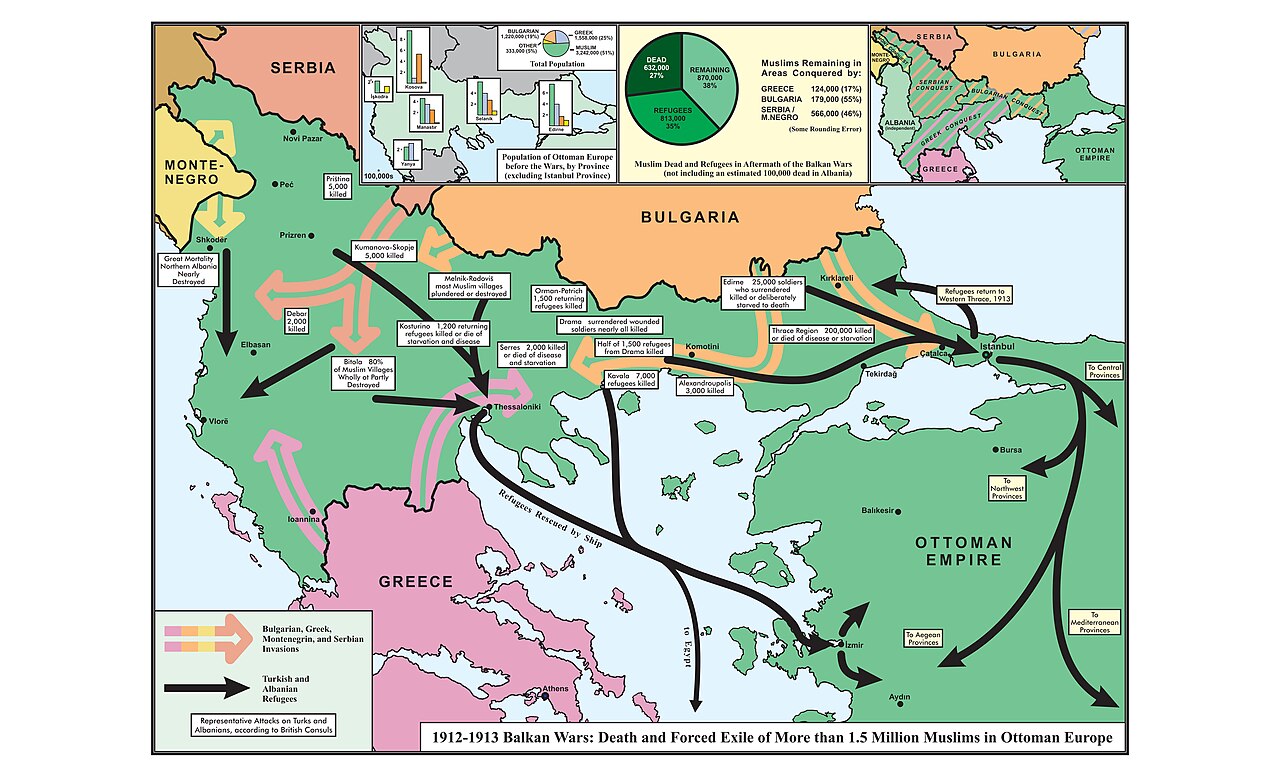
The Ottoman hold on European territory, which had peaked in the sixteenth century, began its irreversible decline in the late seventeenth century. Still, Ottoman armies managed to hold their own against European rivals until the second half of the eighteenth century. The nineteenth century brought a different kind of threat: internal insurrection. These rebellions coincided with a series of Russo-Turkish wars that further destabilized the empire's position in the Balkans and beyond. The final retreat came in two phases. After World War I, the Treaty of Sèvres formalized the partitioning of the empire.
Gallery
Frequently Asked Questions
What are the Ottoman wars in Europe?
They refer to a long series of military clashes between the Ottoman Empire and multiple European powers, stretching from the Late Middle Ages into the early 1900s. The conflicts began in Anatolia against Byzantine forces and later spread across the Balkans and Central Europe.
When did the Ottoman wars in Europe begin?
The earliest clashes date to the late 13th century, when Ottoman forces first confronted the Byzantine Empire in Anatolia. The Ottomans crossed into proper European territory in the mid-14th century through their wars against Bulgaria.
Which regions were most shaped by the Ottoman wars in Europe?
The Balkans and Central Europe bore the brunt of these centuries-long campaigns. The political map of both regions was fundamentally redrawn as Ottoman control expanded and contracted over several hundred years.
When did Ottoman territorial claims in Europe reach their peak?
The 15th and 16th centuries marked the high-water mark of Ottoman landholdings on the European continent. After that period, the empire's European frontier gradually receded.
Why are the Ottoman wars in Europe considered important?
They spanned roughly seven centuries of conflict and permanently altered the political, cultural, and religious boundaries of southeastern and central Europe. Understanding these wars is essential to grasping how modern European state borders came to be.
More in Wars & Conflicts 1-20
Spotted an error? Know more?
This is a living reference — every entry is fact-audited, and reader corrections feed straight into our audit queue. Suggest an edit · See this site's audit record