
Combat
Purposeful violent conflict between combatants with intent to harm.

Clemens Ziegler / phot. Ji-Elle · Public domain
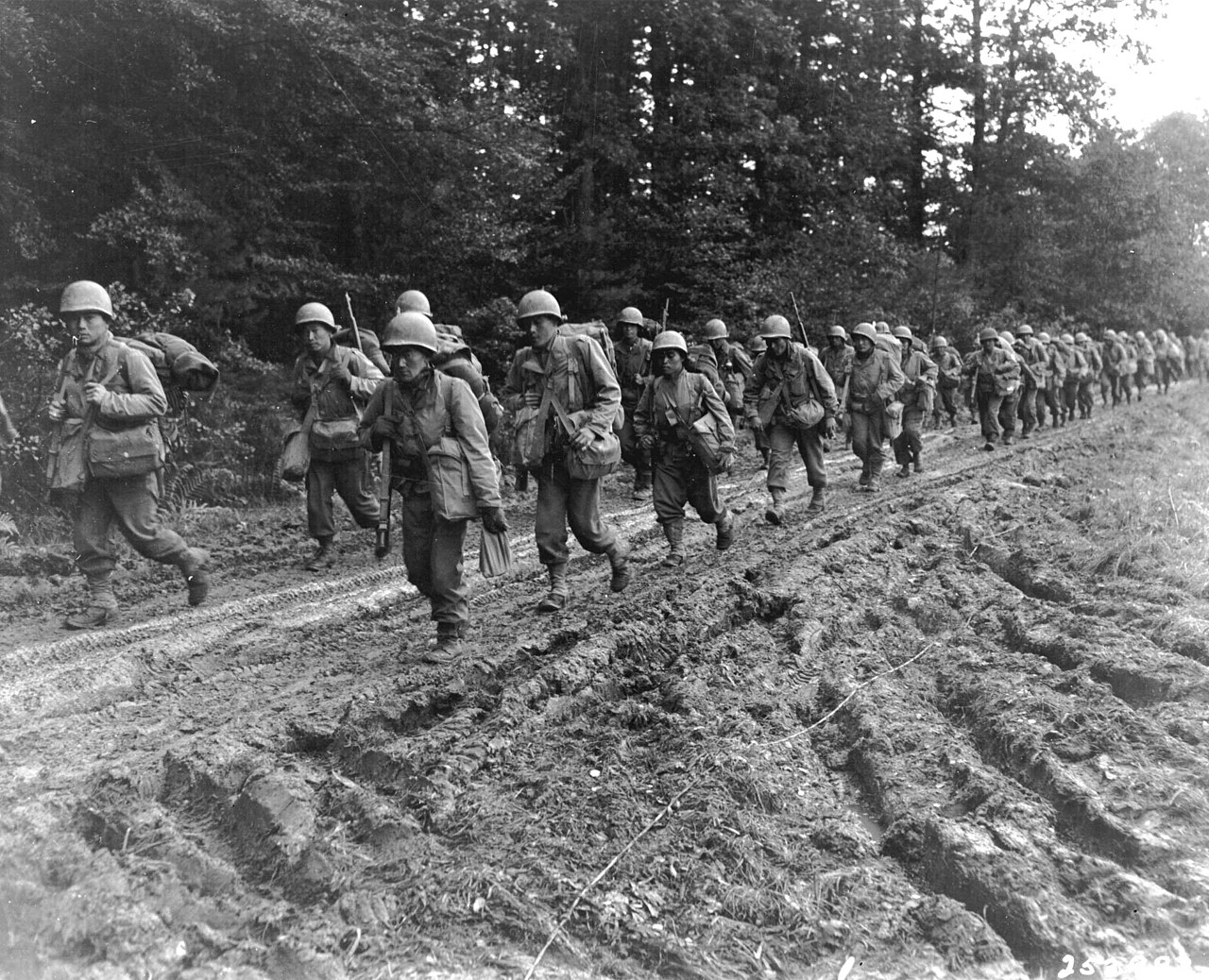
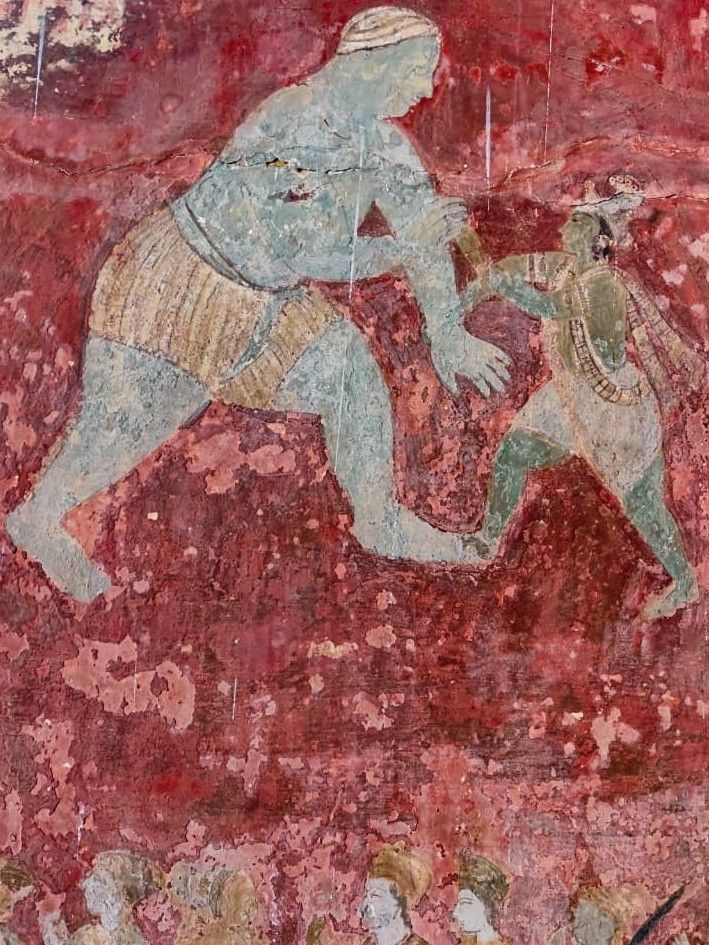
Combat is a deliberate, violent clash between two or more participants who aim to cause harm. It can involve weapons or rely solely on physical force, and people turn to it either to defend themselves or to force their will on others. A single fight may stand alone or be part of a larger struggle, and its scope can vary from a personal scuffle to a full-scale war between organized forces. Combat can also be non-lethal and done for sport, such as in boxing or staged mock battles. The rules governing combat may follow or break local and international laws. Examples include the Geneva Conventions, which set standards for wartime conduct; medieval codes of chivalry; the Marquess of Queensberry Rules for boxing; and the specific regulations of various combat sports. Hand-to-hand combat, also called melee, happens at very close quarters. Fighters attack with their bodies—using punches, kicks, chokes, and the like—or with close-range weapons like knives, swords, or batons, rather than with ranged arms. It is often split into three categories based on distance and positioning: clinch fighting, ground fighting, and stand-up fighting. Military combat involves two or more opposing armed forces meeting in warfare. These situations can include multiple groups, such as guerrilla units, insurgents, and domestic or foreign governments. Depending on the size of the fighting and the area involved, a military clash may be called a duel, action, affair, skirmish, engagement, combat, battle, campaign, or war. A pitched battle is a decisive fight between two armies that can determine the outcome of a war or a major theater operation. An encounter battle does not have that decisive effect. A clash with less clear results than a pitched battle but that still significantly shifts the situation is simply called a battle. When independent parts of two armies—such as corps or divisions—clash, it is termed a combat or engagement. Smaller unit clashes are called an affair, action, skirmish, or engagement, though these terms vary by context. In naval warfare, the term fleet action is also used. For combat to be effective, personnel must stay strategically ready through sufficient training, arms, equipment, and funding for their assigned unit.
Last updated 2026-10-01 from the source article.
Quick Facts
- Field
- Conflict and warfare
- Known for
- Purposeful violent conflict between combatants, encompassing hand-to-hand and military combat
- Types
- Armed
- unarmed
- hand-to-hand
- military
- Subtypes
- Clinch fighting
- ground fighting
- stand-up fighting
- Legal frameworks
- Geneva Conventions
- medieval chivalry
- Marquess of Queensberry Rules
- combat sports rulesets
Facts from the source article.
Lore & Background
Combat may be benign and recreational, as in combat sports and mock combat. Hand-to-hand combat (melee) occurs at very close range, attacking with the body or a melee weapon, and is divided into clinch fighting, ground fighting, and stand-up fighting. Military combat involves two or more opposing military forces meeting in warfare, and can include guerilla groups, insurgents, and governments.
Gallery

More in Violence & Conflict
Spotted an error? Know more?
Reader corrections go straight into our review queue. Suggest an edit · How this site is sourced