
Genocide
The intentional destruction of a human group, in whole or in part.

Aleksey Chalabyan (a.k.a. Xelgen) · CC BY-SA 4.0
Genocide is the partial or total destruction of a human group, committed intentionally. The term was coined by Polish-Jewish lawyer Raphael Lemkin in the early 1940s, combining the Greek word genos ('race, people') with the Latin suffix -caedo ('act of killing'). Genocide is widely considered the epitome of human evil and is often referred to as the 'crime of crimes'; it is most often a state crime, and most perpetrators are psychologically normal.
Quick Facts
- Field
- International law
- criminology
- sociology
- Known for
- Definition and criminalization of genocide under international law
Facts from the source article.
Lore & Background
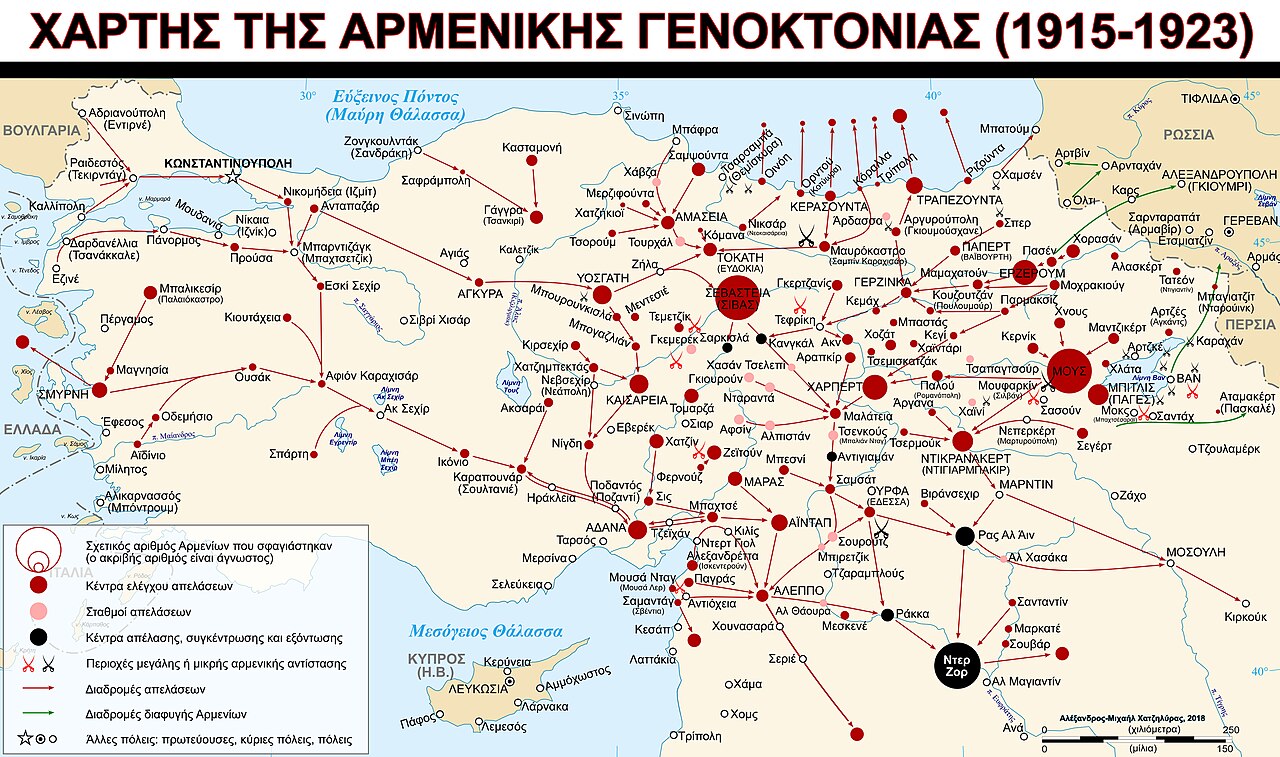
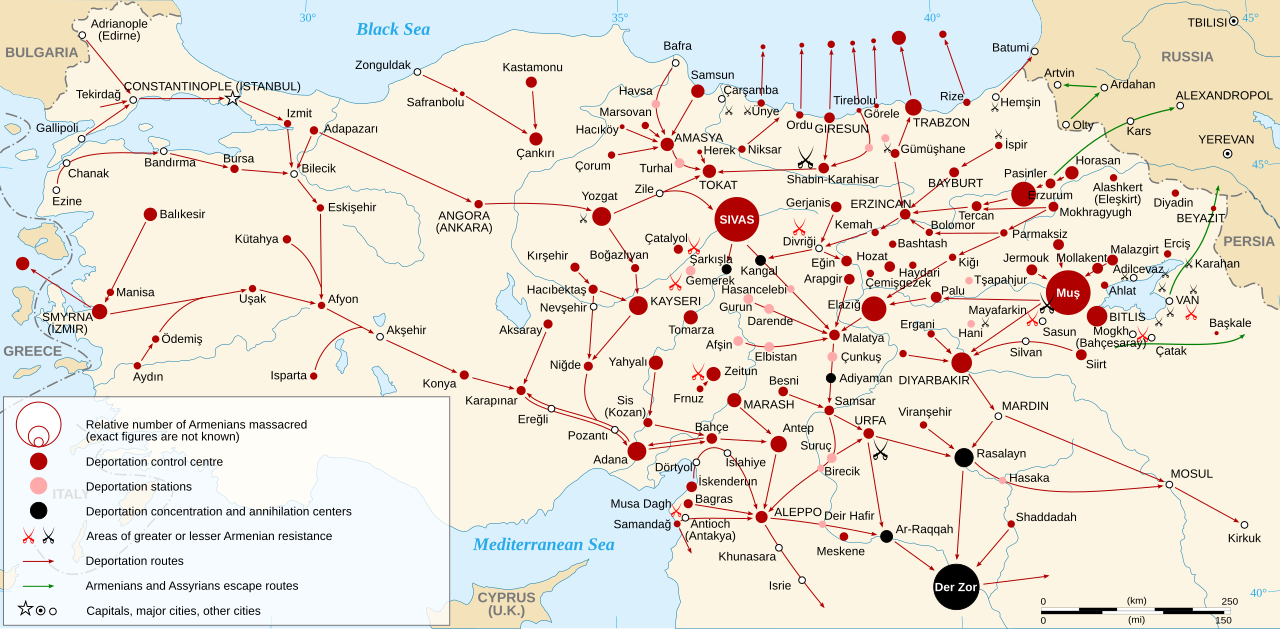
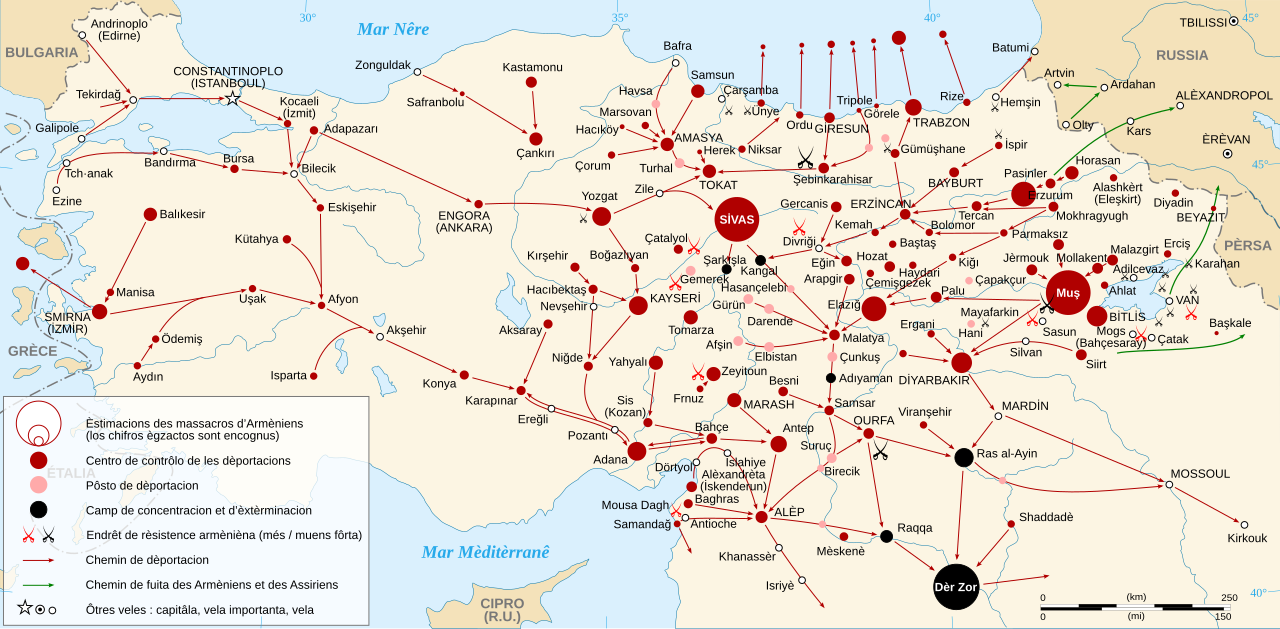
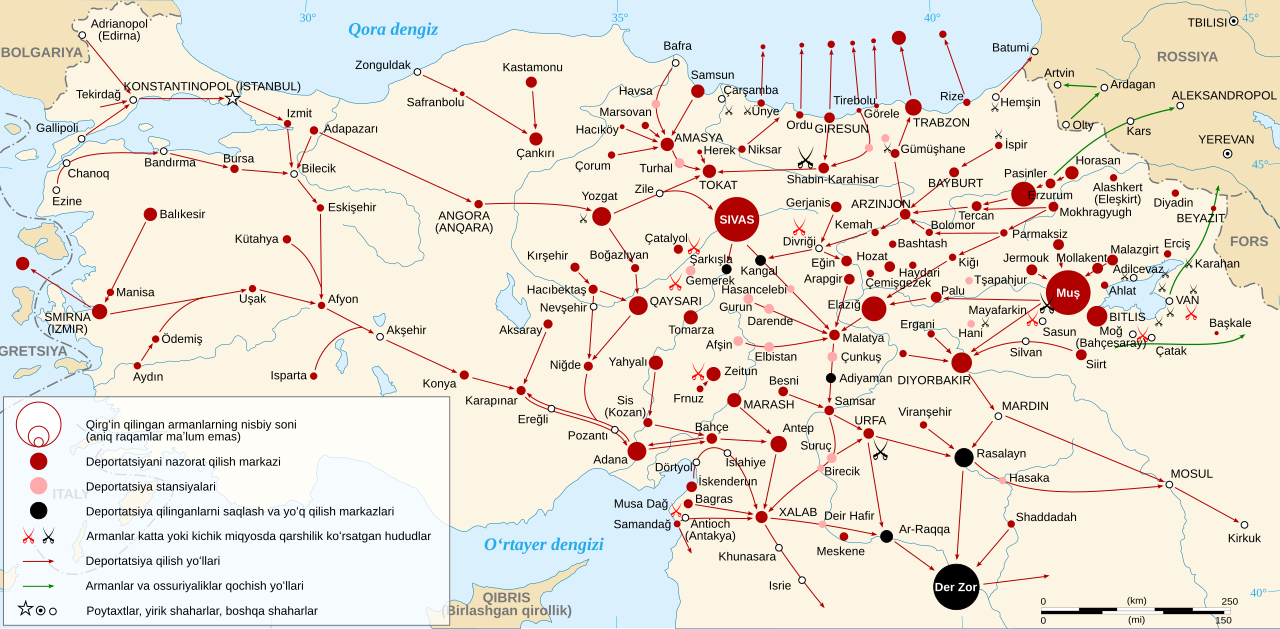
The term genocide was coined by Polish-Jewish lawyer Raphael Lemkin between 1941 and 1943. His interest was initially sparked by the Armenian genocide. He submitted the manuscript for his book Axis Rule in Occupied Europe in early 1942, published in 1944. Lemkin's central definition was 'the destruction of a nation or of an ethnic group' in which members were targeted as members of the group, not as individuals. He saw genocide as an inherently colonial process and considered it to have occurred since the beginning of human history.
Lemkin lobbied for genocide to be outlawed by international treaty. The Genocide Convention, adopted by the United Nations General Assembly on 9 December 1948 and effective 12 January 1951, restricted his initially broad definition to five specific acts 'committed with intent to destroy, in whole or in part, a national, ethnical, racial, or religious group, as such.' Lemkin privately considered the convention a failure, as his anti-colonial conception was transformed into one that favored colonial powers. Cultural genocide and the forced migration of populations were omitted.
Genocide has occurred throughout human history, including prehistoric times. Most genocides have occurred during wartime, particularly in situations of imperial expansion and power consolidation. It is associated with colonialism, both world wars, and repressive governments. The colloquial understanding is heavily influenced by the Holocaust as its archetype. After genocide, denial and impunity for the perpetrators are common.
Gallery


Frequently Asked Questions
What is genocide?
Genocide is the deliberate targeting and destruction of a national, ethnic, racial, or religious group, whether in whole or in part. It is set apart from other forms of mass violence by the specific intent to eliminate that group as such.
What legal element separates genocide from other mass atrocities?
The critical distinguishing factor is intent: the perpetrator must specifically aim to destroy a protected group in whole or in part. Without that deliberate purpose, even extremely lethal violence against a civilian population may fall under other legal categories such as crimes against humanity or war crimes.
Is genocide always carried out by a government?
While it most commonly takes the form of a state-sponsored campaign, the legal definition does not strictly require direct government involvement. Individuals or non-state actors can also be held responsible under international law when they act with the requisite intent to destroy a protected group.
More in Violence & Conflict
Spotted an error? Know more?
Reader corrections go straight into our review queue. Suggest an edit · How this site is sourced