
Injury
Physiological damage with shared ancient response across eukaryotes.

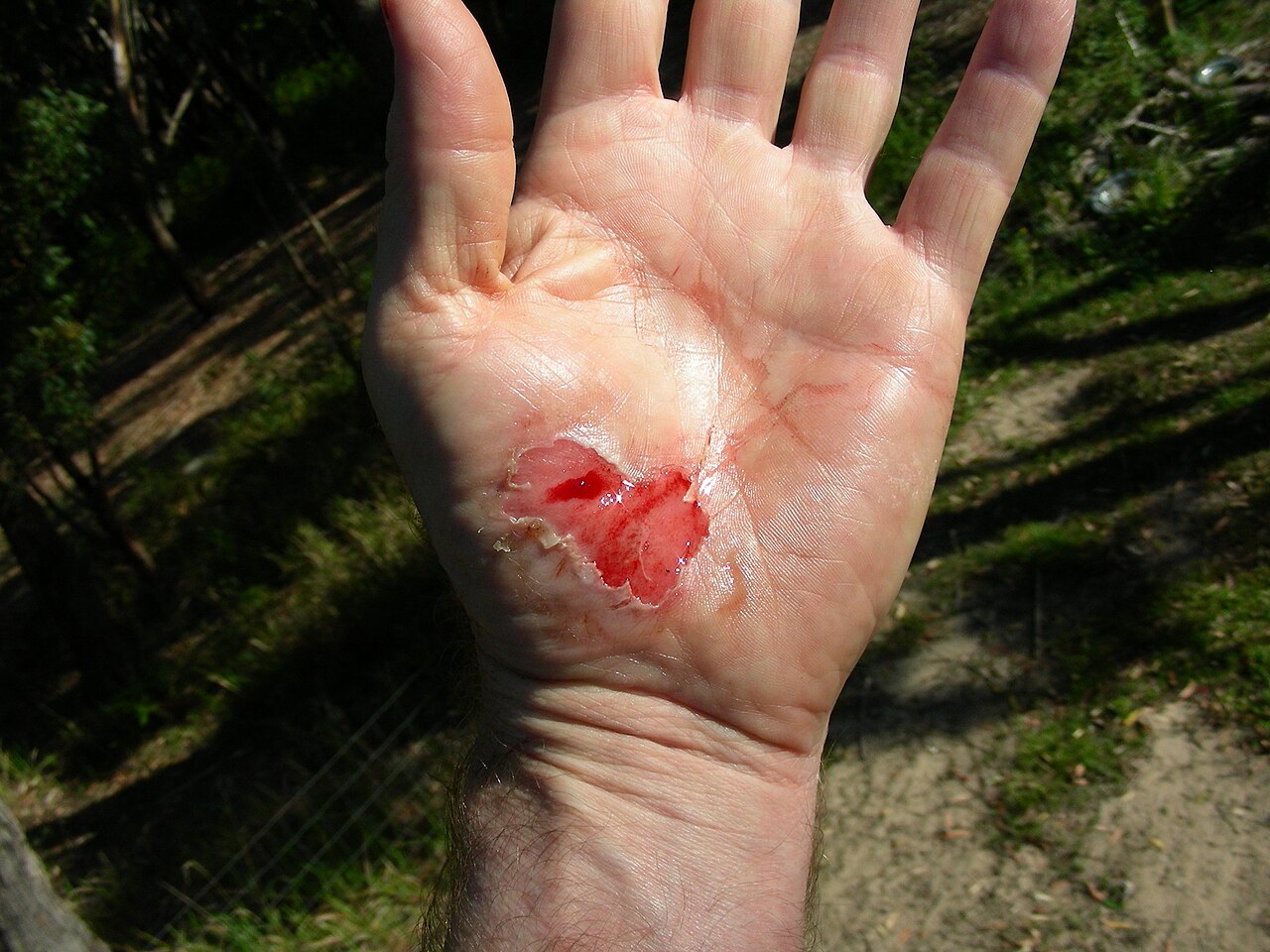
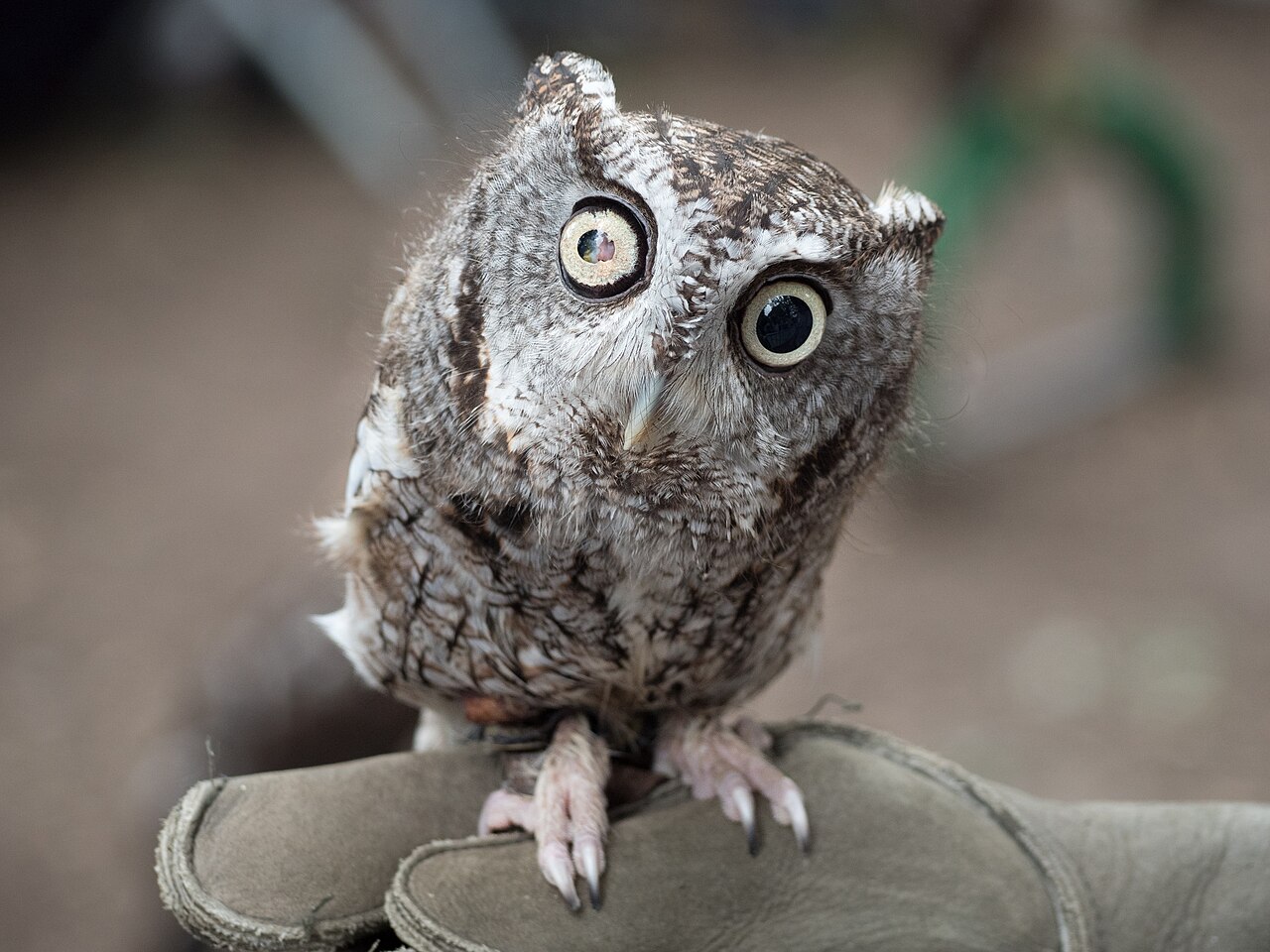
Doug Beckers from Cardiff NSW, Australia · CC BY-SA 2.0
Injury is defined as physiological damage to an organism. The way organisms respond to injury is remarkably similar across humans, other animals, plants, fungi, and even single-celled eukaryotes like choanoflagellates, suggesting these response mechanisms are evolutionarily ancient. Injuries can arise from various causes, including mechanical force, toxins, interactions with other living things, or non-living environmental factors. In many animal groups, injury triggers an inflammatory response that begins the process of wound healing. Both plants and animals release substances that help seal the wound, reducing fluid loss and blocking pathogens. Many organisms also produce antimicrobial chemicals to limit infection; animals additionally have immune systems for this purpose. Both plants and animals can regrow tissue, leading to either full or partial healing. In animals, injury is sometimes specifically defined as mechanical damage to a body part, but the term more broadly includes physical harm from any source, such as drowning, burns, or poisoning. This damage can result from predation attempts, territorial fights, falls, or abiotic factors. Injury sets off an inflammatory response across many animal phyla, which leads to clotting of blood or other body fluids, followed by wound healing—a process that can be very fast, as seen in cnidarians. Arthropods can partially repair damage to the cuticle of their exoskeleton. Animals in several phyla, including annelids, arthropods, cnidarians, molluscs, nematodes, and vertebrates, produce antimicrobial peptides to fight infection after an injury. Injury in humans has been heavily researched due to its medical importance. Much of medicine—including emergency care and pain management—focuses on treating injuries. The World Health Organization classifies human injuries by categories such as mechanism, the objects or substances causing the injury, where it occurred, the activity at the time, and the role of human intent. Besides physical harm, injuries can cause psychological effects like post-traumatic stress disorder or depression.
Quick Facts
- Definition
- Physiological damage to an organism
- Causes
- Mechanical trauma
- toxins
- interactions with other organisms
- abiotic factors
- Taxonomic range
- Animals, plants, fungi, single-celled eukaryotes
- Ancient mechanism
- Calcium-based wound healing response proposed for last eukaryotic common ancestor
Facts from the source article.
Lore & Background
In animals, injury is sometimes defined as mechanical damage to an anatomical structure but has a wider connotation including drowning, burns, and poisoning. Injury triggers an inflammatory response in many phyla, prompting coagulation and wound healing. Arthropods can repair cuticle injuries, and animals in several phyla produce antimicrobial peptides. In humans, injury has been studied extensively for medicine, with the World Health Organization classifying injuries by mechanism, objects/substances, place, activity, and human intent. Injuries can also cause psychological harm such as post-traumatic stress disorder or depression.
Did You Know?
- Plants and animals both signal damage with calcium ions and reactive oxygen species.
- Fungi such as Trichoderma atroviride respond to mechanical damage by regenerating damaged hyphae.
- Extracellular adenosine triphosphate promotes wound healing in both bilaterians and non-bilaterians like cnidaria.
Gallery

More in Violence & Conflict
Spotted an error? Know more?
Reader corrections go straight into our review queue. Suggest an edit · How this site is sourced