
Concentration camp
From colonial reconcentración to industrial genocide—a tool of oppression.

Ozzy Chatgris · CC BY-SA 4.0
The concentration camp is a site of systematic detention and forced confinement, often under brutal conditions, used to isolate perceived enemies, ethnic groups, or political dissidents. Originating in colonial warfare, it became a hallmark of 20th-century atrocities, from the Spanish reconcentración in Cuba to the Nazi Lager and beyond.
Quick Facts
- Architect
- General Valeriano Weyler
Facts from the source article.
Lore & Background
The term 'concentration camp' first emerged during the Cuban War of Independence (1895–1898), when Spanish Governor-General Valeriano Weyler implemented a policy of reconcentración. He forcibly relocated rural Cubans into fortified towns to deprive rebel forces of support. These camps were overcrowded, unsanitary, and rife with disease, causing tens of thousands of deaths. This tactic later inspired British camps during the Second Boer War (1899–1902) and is often cited as an early precursor to the Nazi camp system, though direct study of Weyler's methods by Nazi planners is not established in historical scholarship.
Did You Know?
- The term 'concentration camp' was coined by Spanish authorities during the Cuban War of Independence, not the Ten Years' War.
- Weyler's reconcentración camps caused an estimated 150,000–200,000 civilian deaths, mostly from starvation and disease.
- While the Nazi camp system drew on earlier colonial precedents, there is no widely accepted evidence that Nazi planners directly studied Weyler's reconcentración camps as a model.
Gallery

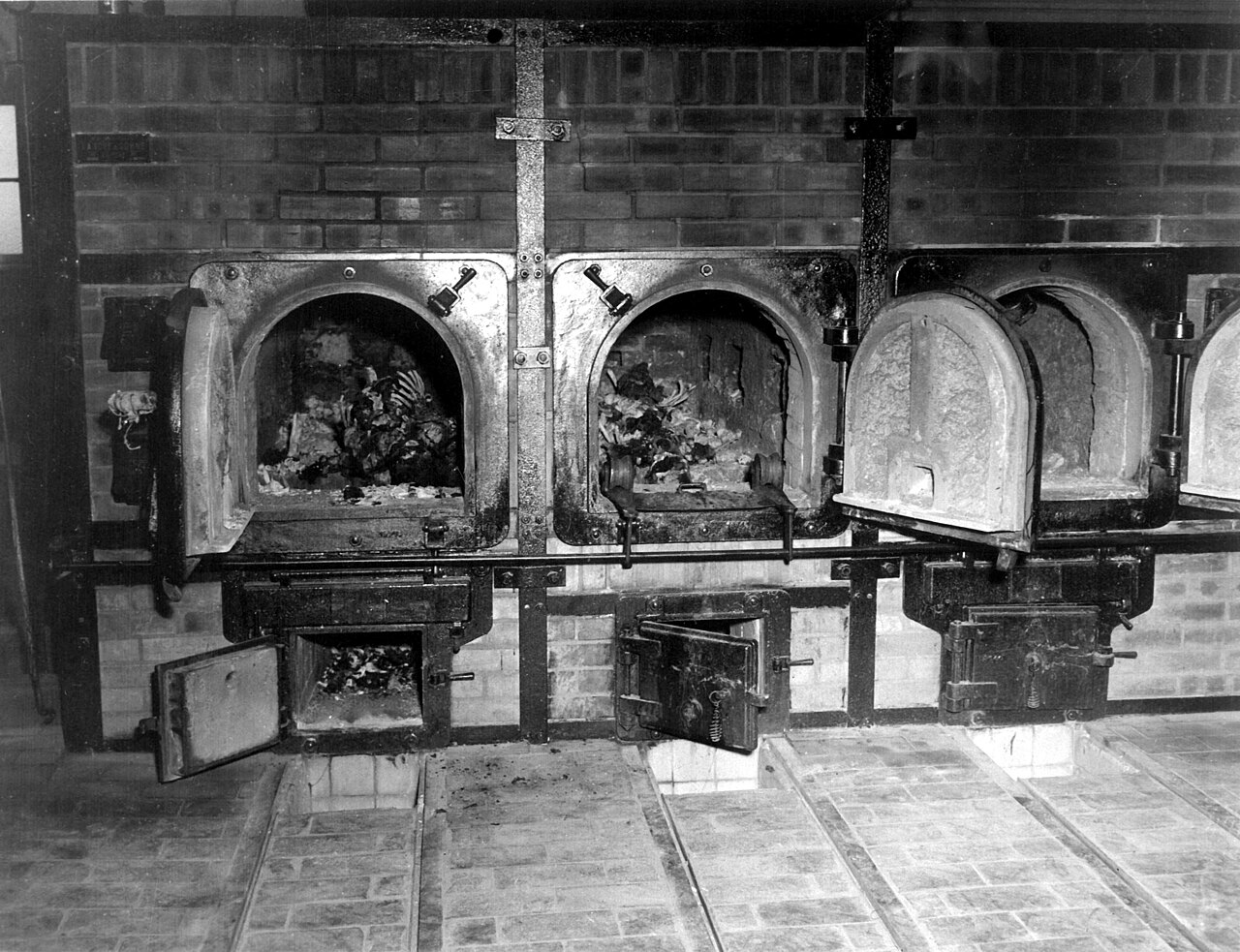

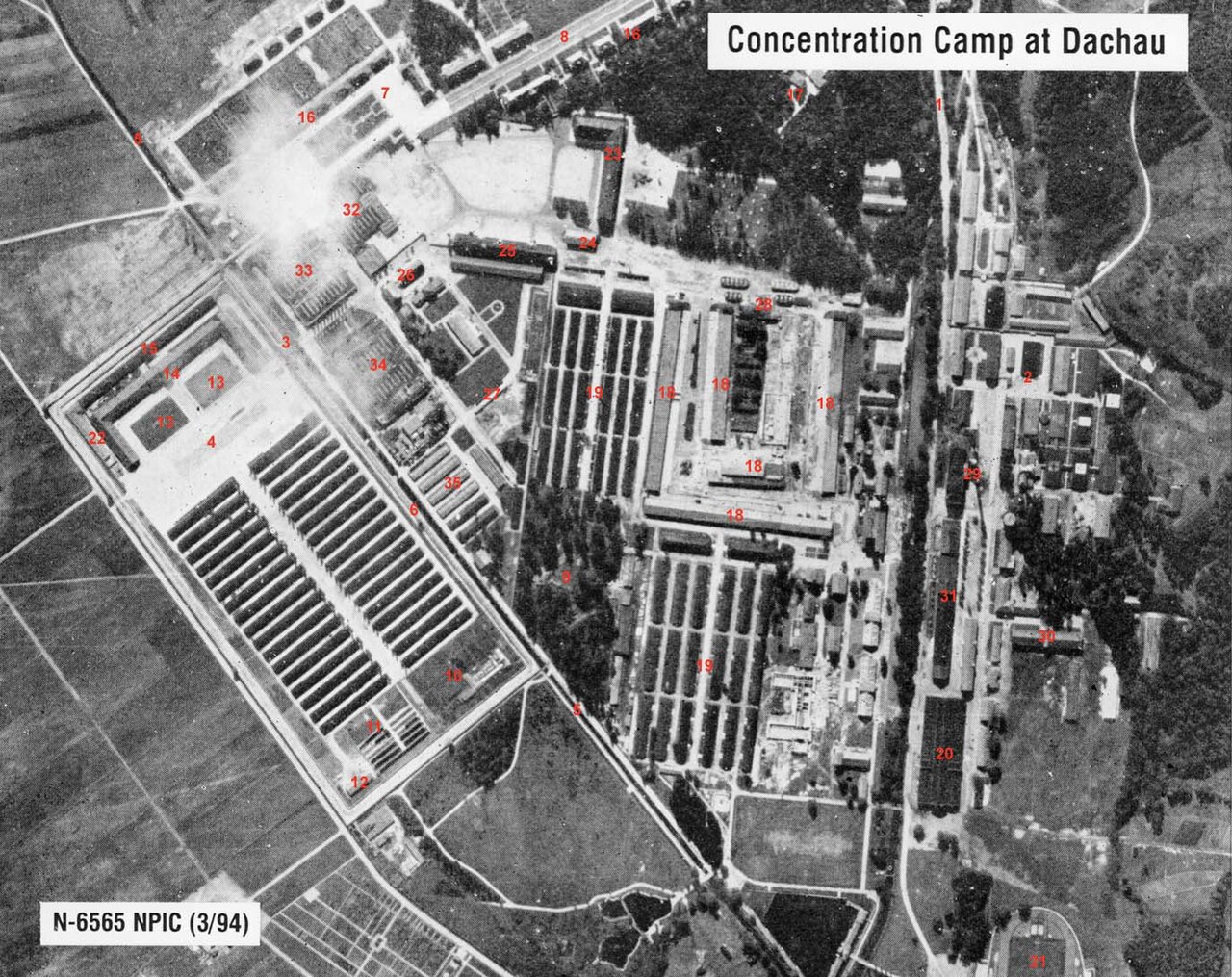
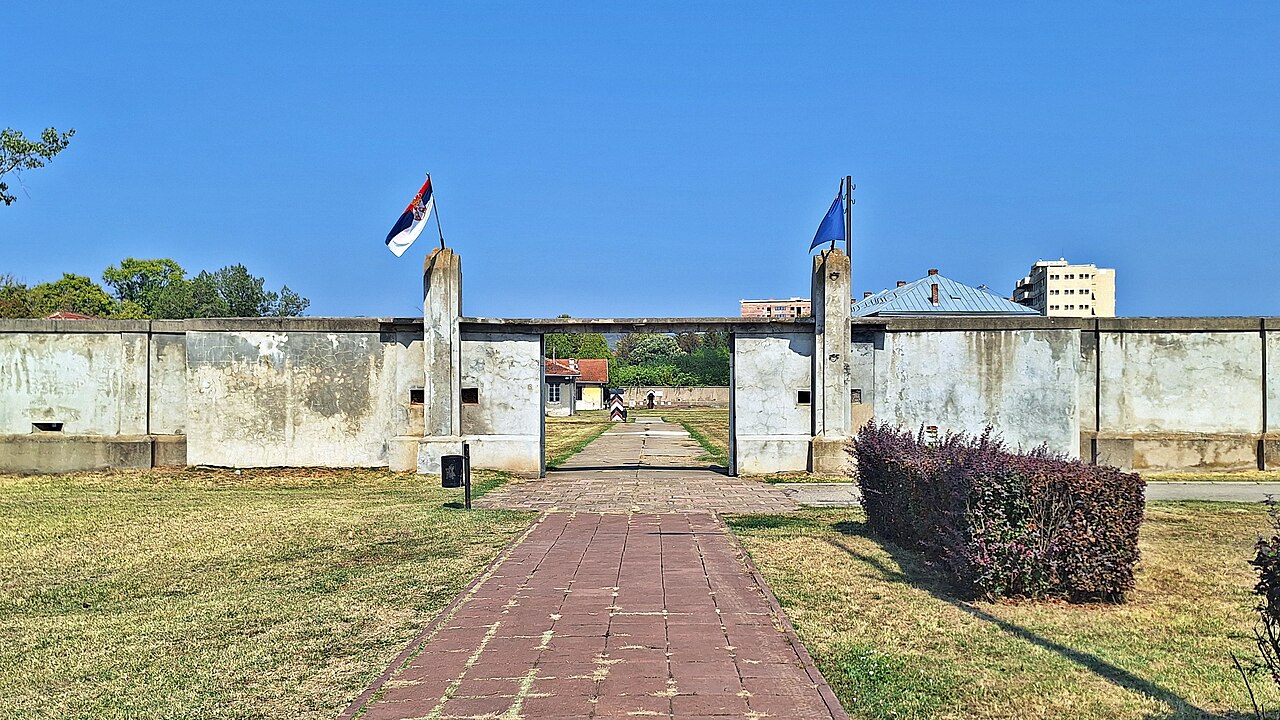

More in Violence & Conflict
Spotted an error? Know more?
Reader corrections go straight into our review queue. Suggest an edit · How this site is sourced