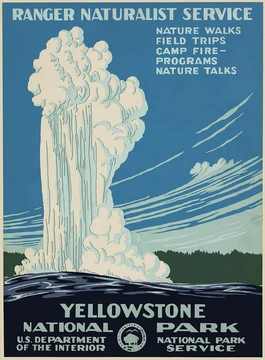
Yellowstone
First national park in the world, established in 1872.

Frank Schulenburg · CC BY-SA 4.0
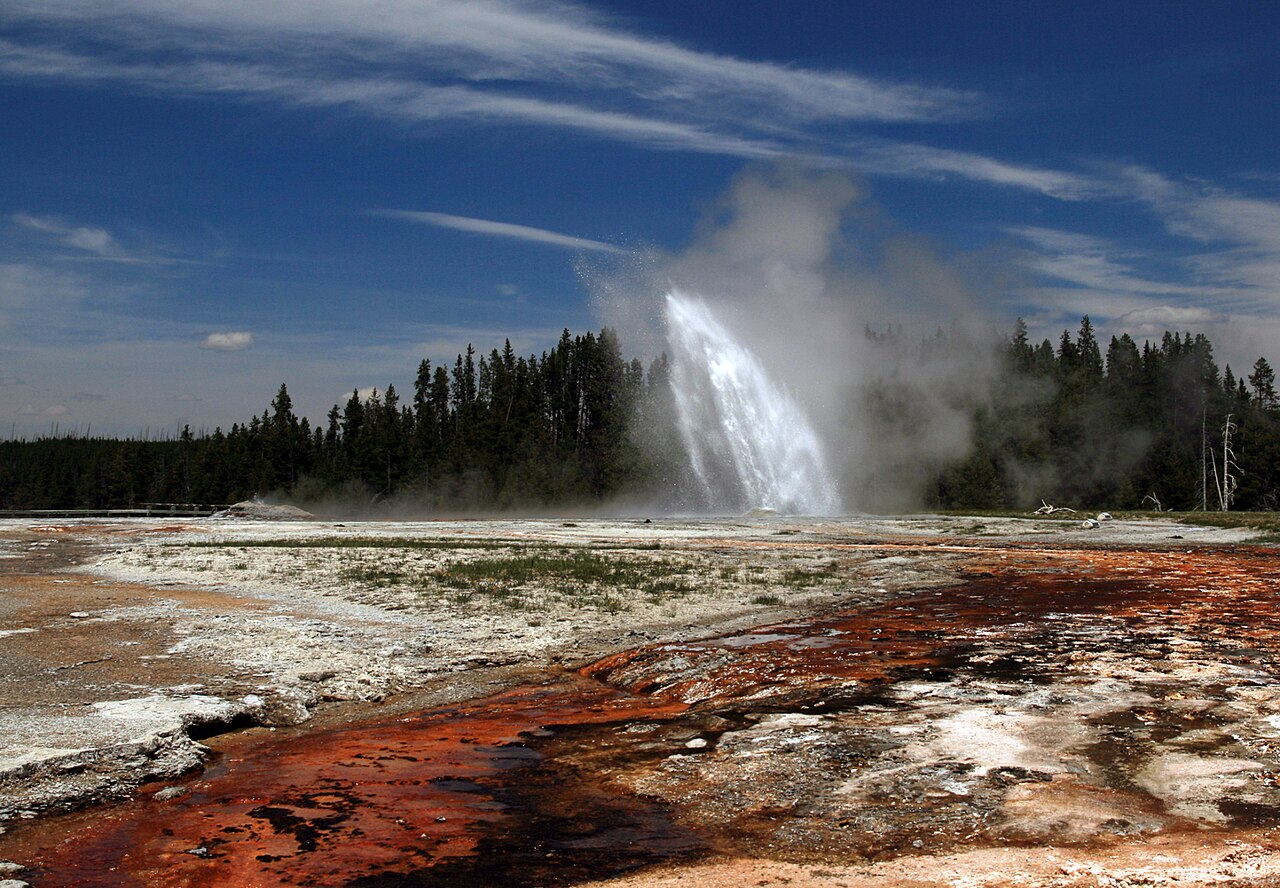
Yellowstone National Park sits mostly in northwestern Wyoming, with slivers crossing into Montana and Idaho. It is famous for its wildlife and its many geothermal features, most notably the Old Faithful geyser. Though the park contains several types of biomes, subalpine forest is the most common, and the area is part of the South Central Rockies forests ecoregion.
People have lived in the Yellowstone region for at least 11,000 years. Non-native mountain men passed through in the early to mid-1800s, but organized exploration by outsiders did not start until the late 1860s. The 42nd U.S. Congress created the park through the Yellowstone National Park Protection Act, and President Ulysses S. Grant signed it into law on March 1, 1872. Yellowstone was the first national park in the United States and is generally considered the first national park anywhere in the world.
The U.S. Department of the Interior originally managed the park, with Columbus Delano as the first Secretary of the Interior to oversee it. However, the U.S. Army took over management for 30 years, from 1886 to 1916. In 1917, control shifted to the National Park Service, which had been founded the year before. Hundreds of structures in the park are now protected for their architectural and historical value, and researchers have studied more than a thousand Indigenous archaeological sites.
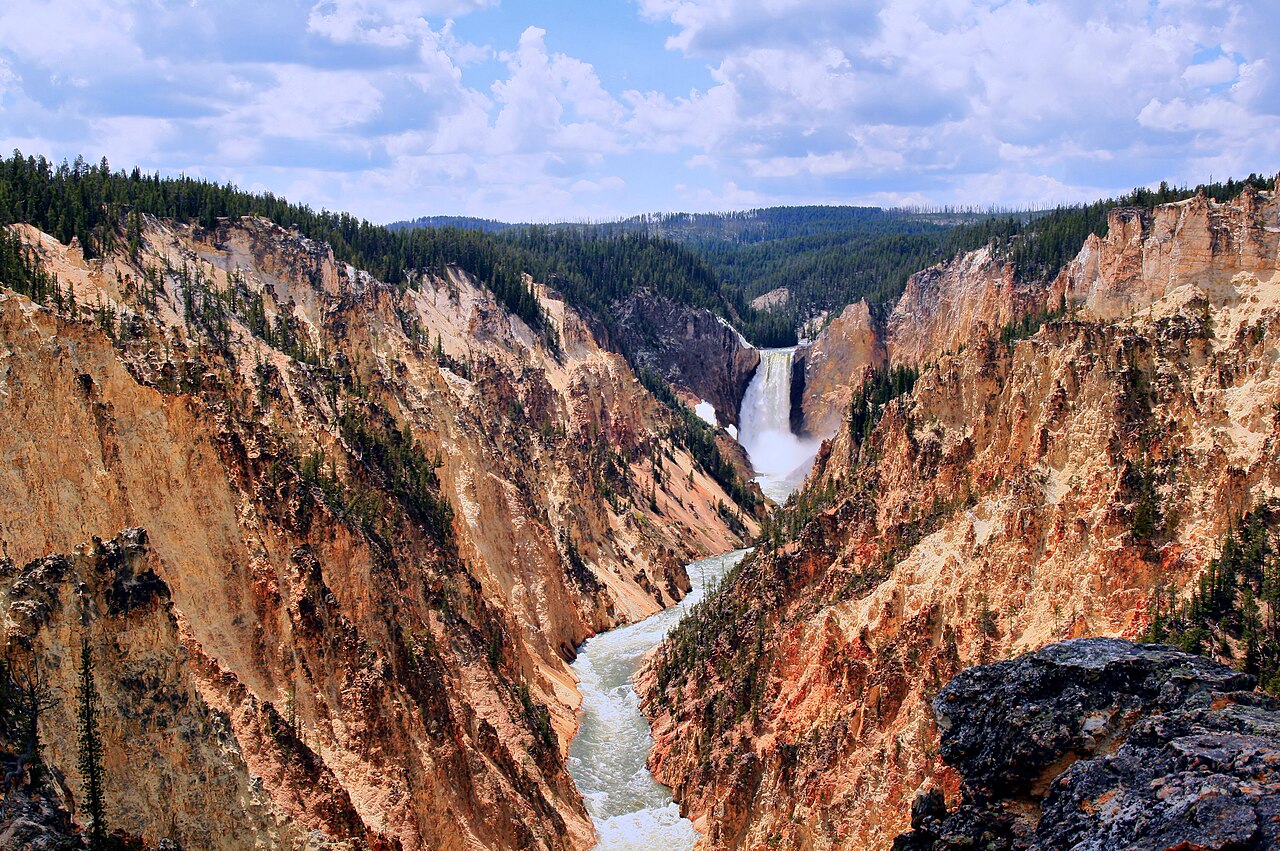
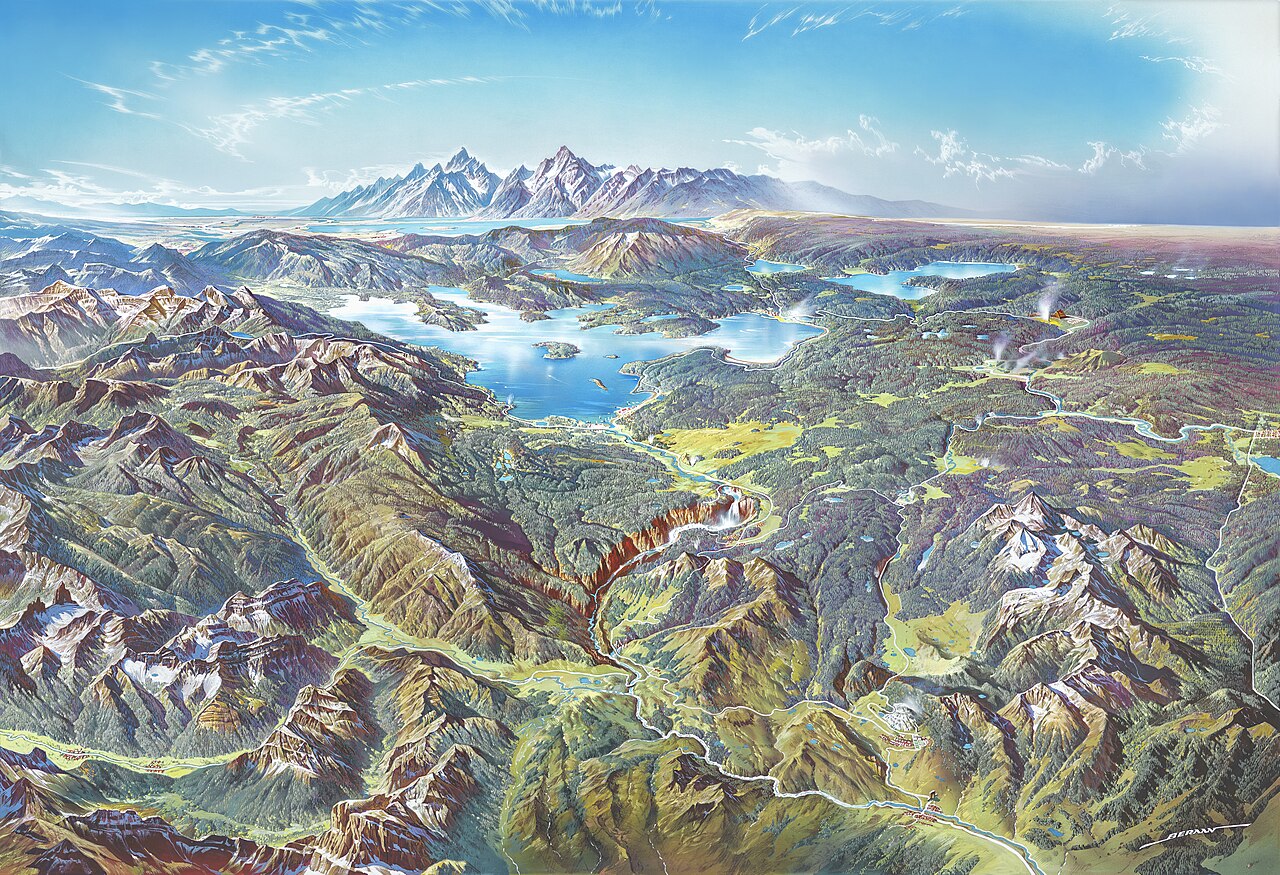
Yellowstone covers 3,468.4 square miles (8,983 square kilometers) and contains many lakes, ponds, canyons, rivers, and mountain ranges. Yellowstone Lake is one of the largest high-elevation lakes in North America and sits partly over the Yellowstone Caldera, the largest supervolcano on the continent. The caldera is considered dormant; it has erupted with tremendous force twice in the last two million years. More than half of the world’s geysers and hydrothermal features are found in Yellowstone, fueled by this ongoing volcanism. Most of the park’s land is covered by lava flows and rocks from volcanic eruptions. Yellowstone is the centerpiece of the Greater Yellowstone Ecosystem, the largest nearly intact ecosystem left in the Earth’s northern temperate zone. In 1978, it was named a UNESCO World Heritage Site.
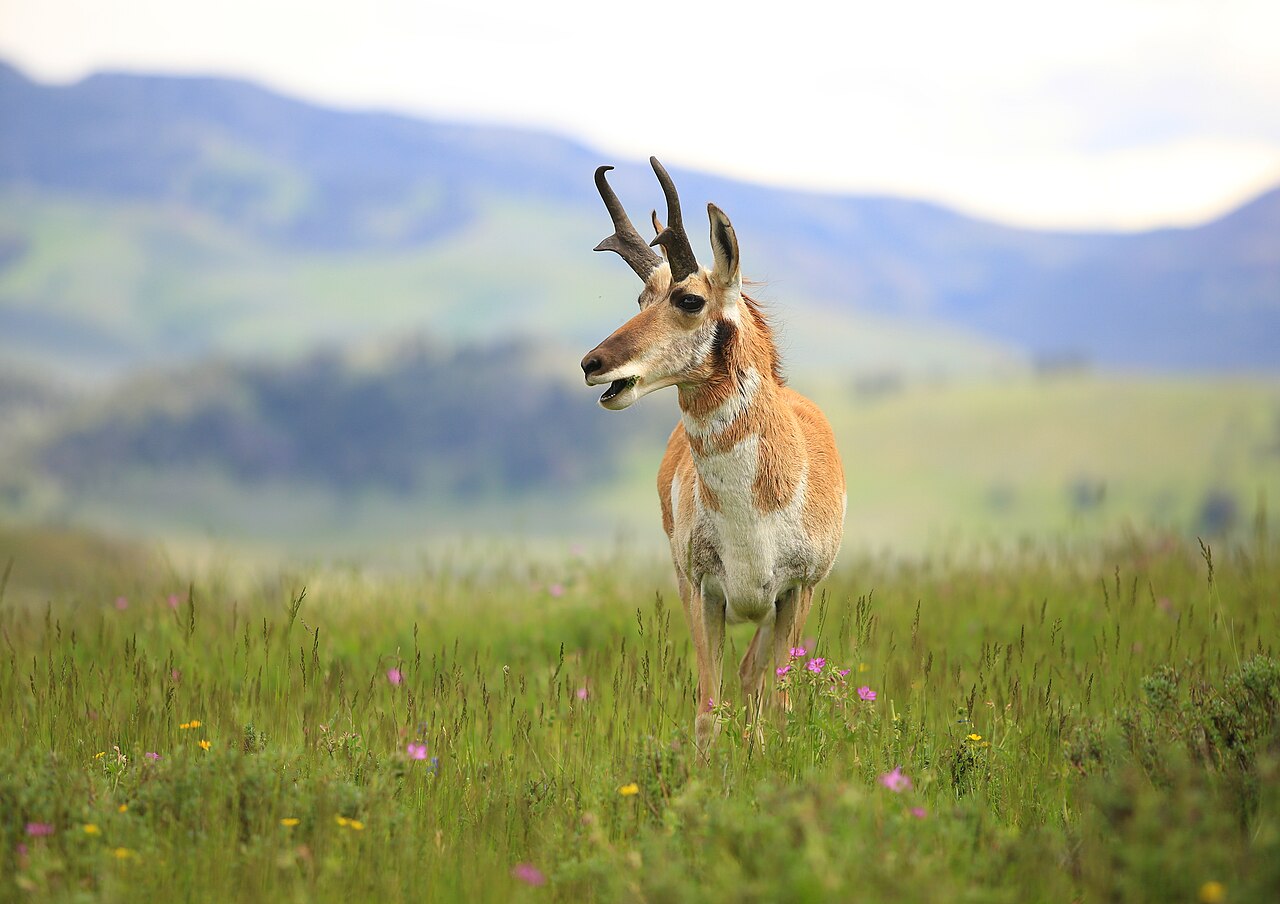
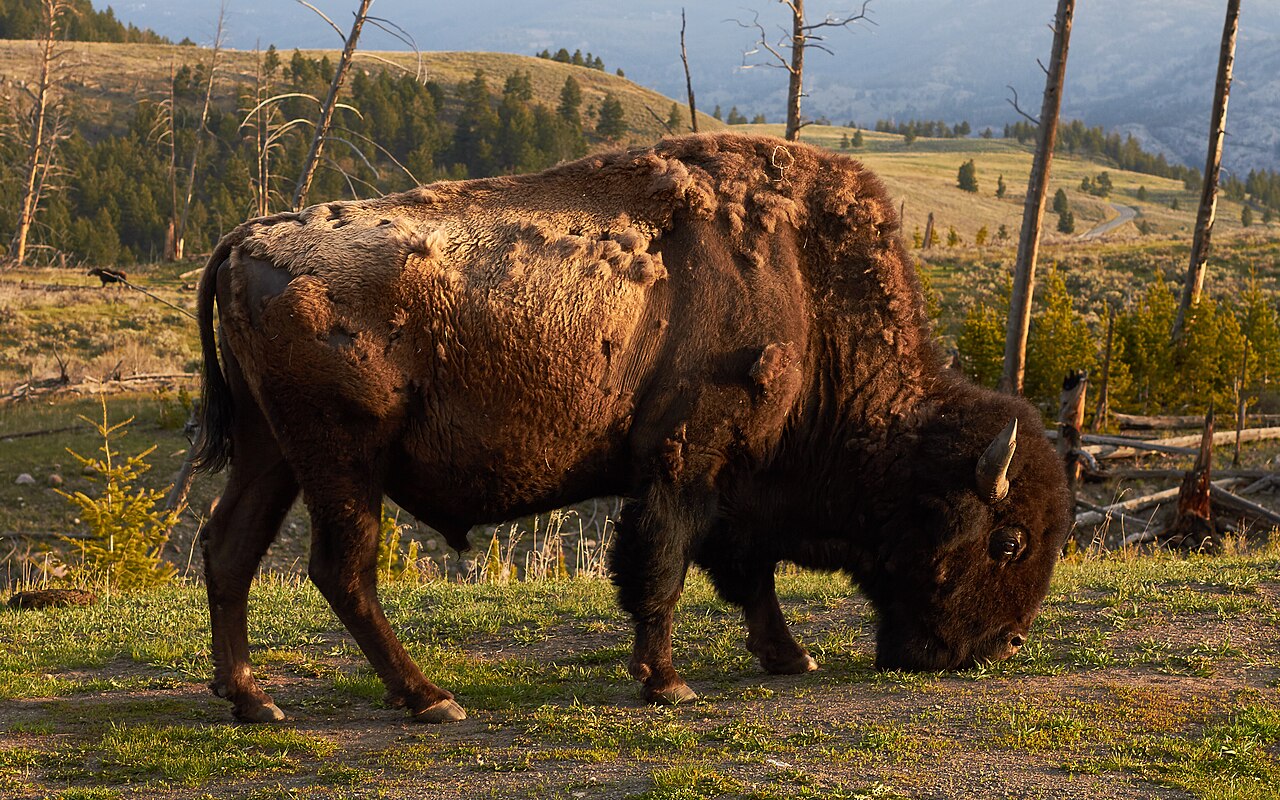
Hundreds of species of mammals, birds, fish, reptiles, and amphibians have been recorded in the park, including several that are endangered or threatened. Its forests and grasslands also host unique plant species. Yellowstone is the largest and most famous location for megafauna in the contiguous United States, with grizzly bears, cougars, wolves, and free-ranging herds of bison and elk. The Yellowstone Park bison herd is the oldest and largest public bison herd in the country. Forest fires happen every year; during the large fires of 1988, more than a third of the park burned. Visitors can hike, camp, boat, fish, and sightsee. Paved roads lead to major geothermal areas, lakes, and waterfalls. In winter, guided tours using snow coaches or snowmobiles provide access.
The Yellowstone area has many names in surviving Native American languages—for example, *pashaka* (“white mountain country”) in Assiniboine, *aw’ pawishe* (“land of steam”) in Crow, and *memut neespah* (“boiling earth”) in Nez Perce. The English name “Yellowstone” comes from the Hidatsa term for the Yellowstone River, *miʔcíiriaashish*, which was translated as “Yellow Stone” in 1797 during Canadian explorer David Thompson’s expedition.
The archaeological record shows continuous Native American use of the Yellowstone region from the earliest human presence in the Americas (the Lithic stage, before 8500 BC) up to the park’s founding. In the 1950s, a Clovis obsidian point dating from about 11,000 years ago was found during construction of the post office in Gardiner, Montana. The earliest consistent visits are linked to the Cody complex around 7300 BC. The Mummy Cave site indicates that the Cody complex followed migrating bison herds into Yellowstone and regularly mined obsidian from Obsidian Cliff. Excavations show that Cody people camped on the eastern side of Yellowstone Lake in the summers, fishing, boating, and hunting bear, deer, and bison.
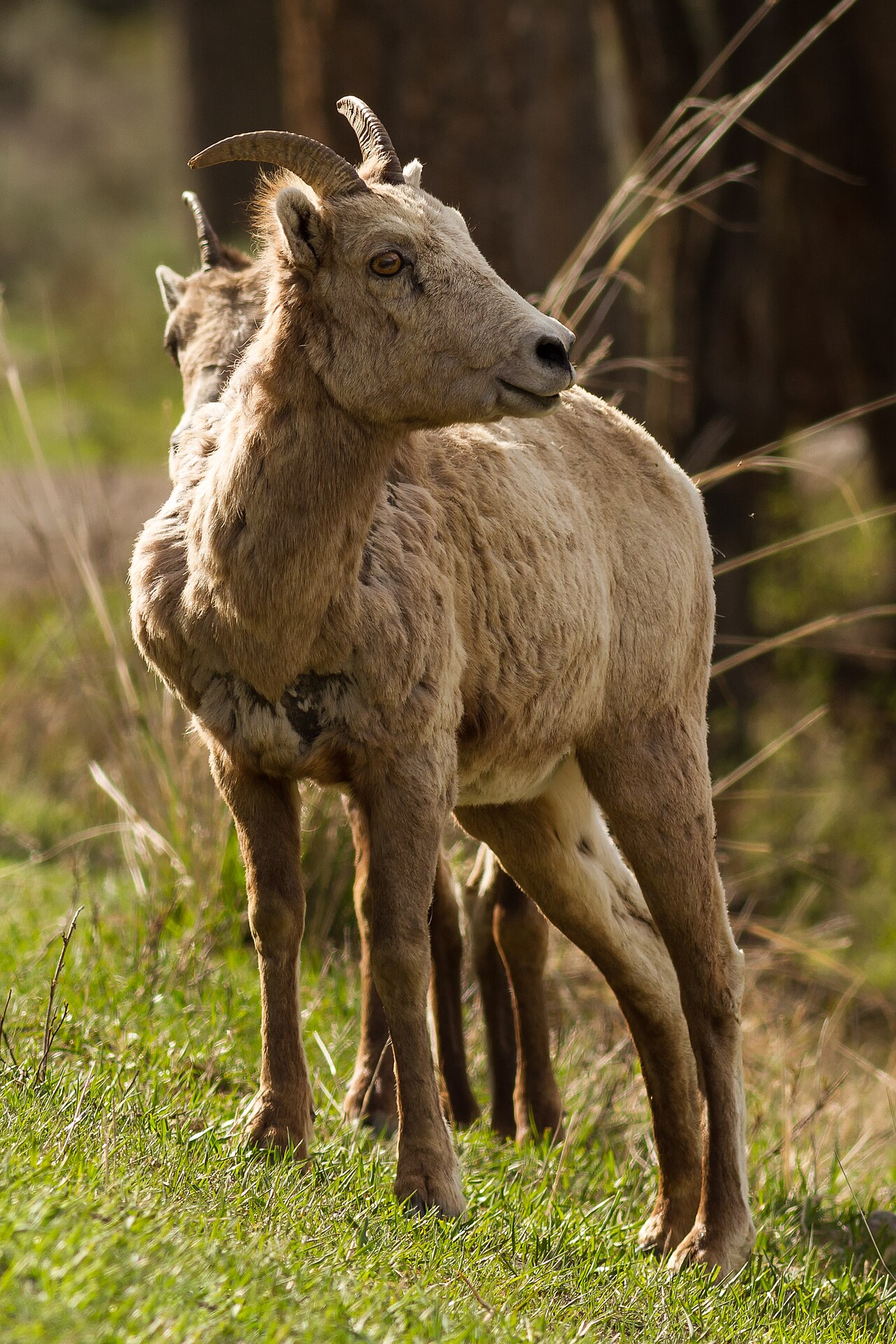
Use of Obsidian Cliff peaked in the Late Prehistoric period (1000 BC–1000 AD). Thousands of pounds of obsidian were transported thousands of miles to Ohio via the Missouri, Mississippi, and Ohio rivers between roughly 200 BC and 400 AD for use as ceremonial goods by the Hopewell Culture. Hopewell grave goods include not only obsidian but also copper shaped to resemble the horns of bighorn sheep native to the Rockies, suggesting the Hopewell may have visited Yellowstone themselves.
Around 500–1000 AD, the Shoshone summered on the southern end of Yellowstone Lake. Regular visits by the Crow, Nez Perce, Blackfoot, and Salish peoples likely began in the pre-Columbian era, though archaeological evidence is lacking. In oral traditions, the Shoshone, Blackfoot, and Salish recall women gathering cinnabar and other resources at Obsidian Cliff and making prayers there. Pre-Columbian peoples managed Yellowstone’s forest ecosystem with low-intensity fires, knowing that fire produced green grass that attracted bison.
The arrival of European horses, followed by mountain men and fur traders in the Rocky Mountains, slowly changed the region.
- Established
- March 1, 1872
- Location
- Primarily Wyoming, with portions in Montana and Idaho
- Known for
- Old Faithful geyser, geothermal features, wildlife, first national park
Lore & Background
Yellowstone National Park, located primarily in northwestern Wyoming with small sections in Montana and Idaho, is renowned for its abundant wildlife and extraordinary geothermal features, including the iconic Old Faithful geyser. The park encompasses a vast area of lakes, ponds, canyons, rivers, and mountain ranges, with subalpine forest being the most common biome within the South Central Rockies forests ecoregion. Yellowstone Lake ranks among North America’s largest high-elevation lakes and sits atop the Yellowstone Caldera, the continent’s largest supervolcano, which is considered dormant but has erupted with tremendous force twice in the last two million years. This ongoing volcanism fuels well over half of the world’s geysers and hydrothermal features, and lava flows and volcanic rocks cover most of the park’s land. The park is the centerpiece of the Greater Yellowstone Ecosystem, the largest nearly intact temperate ecosystem remaining in the Northern Hemisphere. It hosts hundreds of species of mammals, birds, fish, reptiles, and amphibians, including endangered or threatened species, and is the largest and most famous megafauna location in the contiguous United States, with grizzly bears, cougars, wolves, and free-ranging bison and elk herds. The Yellowstone bison herd is the oldest and largest public herd in the country. Forest fires occur annually; in 1988, over one-third of the park burned. Recreational opportunities include hiking, camping, boating, fishing, and sightseeing, with paved roads providing access to major geothermal areas, lakes, and waterfalls, while winter visitors often use guided snow coaches or snowmobiles.
Reader's Guide
Yellowstone Lake is one of the largest high-elevation lakes in North America and covers part of the Yellowstone Caldera, the largest super volcano on the continent, which is considered dormant. Well over half of the world's geysers and hydrothermal features are in Yellowstone, fueled by ongoing volcanism. The park is the centerpiece of the Greater Yellowstone Ecosystem, the largest remaining nearly intact ecosystem in the Earth's northern temperate zone. Hundreds of species of mammals, birds, fish, reptiles, and amphibians have been documented, including grizzly bears, cougars, wolves, and free-ranging herds of bison and elk. The Yellowstone Park bison herd is the oldest and largest public bison herd in the United States. The park offers numerous recreational opportunities, including hiking, camping, boating, fishing, and sightseeing.
Did You Know?
- Yellowstone was the first national park in the US and is widely understood to be the first national park in the world.
- Well over half of the world's geysers and hydrothermal features are in Yellowstone.
- The Yellowstone Park bison herd is the oldest and largest public bison herd in the United States.
Common Misconceptions (Editorial)
1. Some assume Yellowstone is exclusively in Wyoming, but it also extends into Montana and Idaho.
2. It is a common error to think Yellowstone was the first national park in the United States—it was the first in the world, not just the U.S.
Why It Matters (Editorial)
Yellowstone set the global precedent for preserving natural wonders as public trusts, a legacy that continues to shape conservation efforts. Its geothermal features and wildlife offer rare, direct encounters with the planet’s primal forces, making it an enduring symbol of what can be saved when a society chooses foresight over exploitation.
Gallery
Frequently Asked Questions
When was Yellowstone National Park officially established?
Yellowstone was signed into law on March 1, 1872, making it the first federally protected national park in the United States. It predates every other park in the country by decades.
What is Old Faithful and why is it so famous?
Old Faithful is a large geyser in Yellowstone that erupts on a roughly predictable schedule, blasting superheated water and steam high into the air. It became one of the park's most recognizable landmarks and a major draw for early visitors.
What wildlife can visitors expect to see in Yellowstone?
Yellowstone supports large herds of bison, elk, and mule deer alongside predators such as wolves, grizzly bears, and black bears. Its relatively intact ecosystem makes it one of the best places in North America to observe these animals in the wild.
More in US National Parks 1-22
Spotted an error? Know more?
This is a living reference — every entry is fact-audited, and reader corrections feed straight into our audit queue. Suggest an edit · See this site's audit record