Cannabis (drug)
A psychoactive drug from the Cannabis plant, used for millennia.

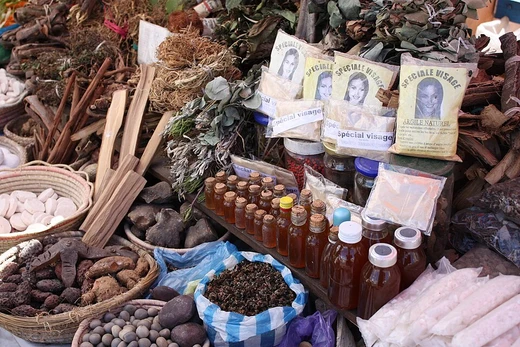
RoodyAlien · CC BY-SA 4.0
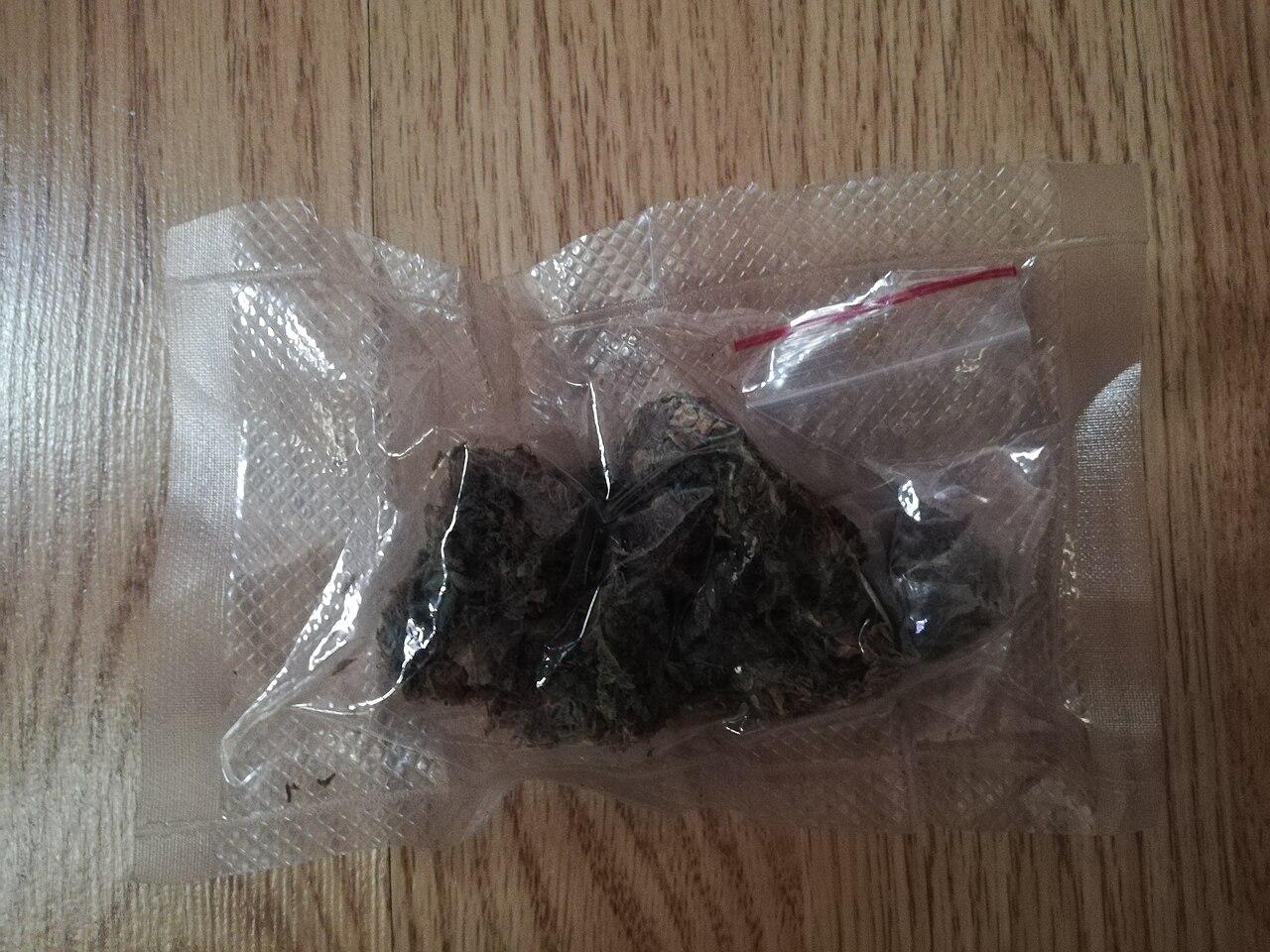
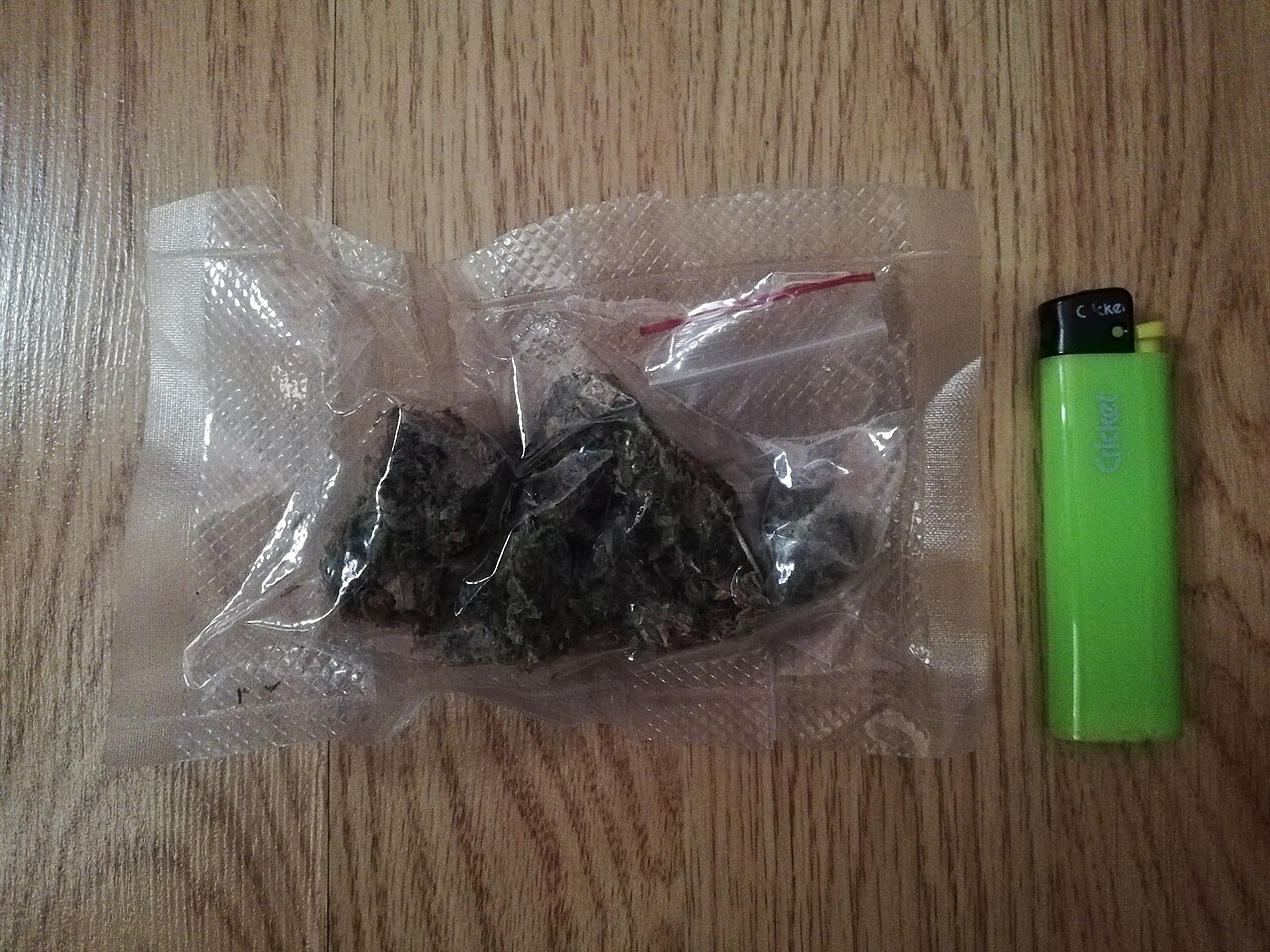
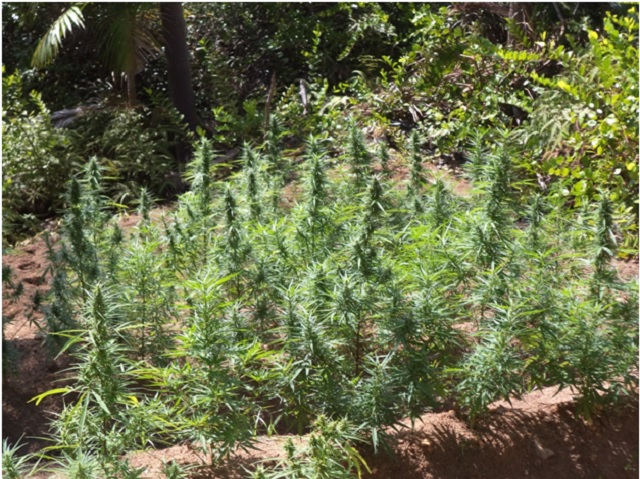
Cannabis—also called marijuana, weed, pot, Mary Jane, or ganja—is a psychoactive drug derived from the *Cannabis* plant, though its chemical makeup varies. Originally from Central or South Asia, it has been used for centuries in recreational, spiritual, and traditional medicine contexts. The main psychoactive compound is tetrahydrocannabinol (THC), one of 483 known chemicals in the plant, which also includes at least 65 other cannabinoids like cannabidiol (CBD).
People consume cannabis by smoking, vaporizing, eating it in food, or taking it as an extract. When smoked, effects begin within minutes; when eaten, they may take up to 90 minutes because digestion is required. The effects typically last two to six hours, depending on the dose. Short-term effects can include euphoria, altered perception of time and reality, trouble concentrating, impaired short-term memory, reduced coordination and balance, relaxation, and increased appetite. At higher doses, mental effects may involve anxiety, delusions (such as ideas of reference), hallucinations, panic, paranoia, and cannabis-induced psychotic disorder. There is a strong link between cannabis use and psychosis, though it’s unclear whether cannabis causes psychosis or vice versa. Physical effects include a faster heart rate, breathing difficulties, nausea, and—in children whose mothers used cannabis during pregnancy—behavioral problems. Common short-term side effects also include dry mouth and red eyes. Long-term risks can include addiction, reduced cognitive ability in those who started regular use as adolescents, heart disease, chronic coughing, greater susceptibility to respiratory infections, and cannabinoid hyperemesis syndrome.
Cannabis is mostly used recreationally or medicinally, though some use it for spiritual purposes. Evidence supports only a few approved uses of cannabinoids; most medical claims—such as for insomnia or acute pain—lack sufficient proof. Some evidence suggests cannabis can help reduce nausea and vomiting from chemotherapy, improve appetite in people with HIV/AIDS, and treat chronic pain or muscle spasms. However, evidence for other conditions is insufficient to confirm safety or effectiveness. Medical cannabis is legal only in certain places, including Belgium, Australia, the Netherlands, New Zealand, Spain, and many U.S. states, typically requiring a prescription and local regulation
- field
- Psychoactive drug
- known_for
- Most commonly used largely-illegal drug worldwide; used recreationally, medicinally, and spiritually
- native_region
- Central or South Asia
- earliest_known_cultivation
- At least the 3rd millennium BCE
- earliest_evidence_of_smoking
- Around 500 BCE in the Pamir Mountains, Central Asia
Quick Facts
- Pronounce
- Cannabis: ˈ · k · æ · n · ə · b · ᵻ · s · audio=LL-Q1860 (eng)-Flame, not lame-Cannabis.wav / Marijuana: ˌ · m · æ · r · ə · ˈ · w · ɑː · n · ə · audio=LL-Q1860 (eng)-Flame, not lame-marijuana.wav
- Plant
- Cannabis sativa, Cannabis indica, Cannabis ruderalisPure varieties of C. ruderalis are rarely used for recreational purposes due to their negligible amounts of THC.
- Part
- Flower and fruit
- Origin
- Central or South Asia
- Active
- Tetrahydrocannabinol, cannabidiol, cannabinol, tetrahydrocannabivarin
- Producers
- Afghanistan, Canada, China, Colombia, India, Jamaica, Lebanon, Mexico, Morocco, Netherlands, Pakistan, Paraguay, Spain, Thailand, Turkey, United Kingdom, United States
- Legal Au
- S8
- Legal Br
- E
- Legal Ca
- Unscheduled
- Legal De
- legal under the ruling of Cannabisgesetz
- Legal Nz
- Class B (concentrate) / Class C (plant)
- Legal Uk
- Class B
Facts from the source article.
Lore & Background
Cannabis has been grown since at least the 3rd millennium BCE, with evidence of smoking for psychoactive effects around 500 BCE in the Pamir Mountains, Central Asia. The ancient Greeks may have learned of its use by observing Scythian funerals, where cannabis was consumed. The word 'cannabis' derives from Greek κάνναβις, linked to a Scythian word, and was adopted into Hebrew as qaneh bosem and into Latin, evolving into Germanic forms and modern English 'hemp.'
Reader's Guide
Cannabis is significant as the most widely used largely-illegal drug globally, with an estimated 128 to 232 million users in 2013 (2.7% to 4.9% of the global population aged 15–65). Its use spans recreational, medicinal, and spiritual contexts, with evidence of sacred status in the Indian subcontinent since the Vedic period, notably associated with the Hindu god Shiva. Since the 14th century, cannabis has been subject to legal restrictions, and most countries have prohibited its possession, use, and cultivation since the 20th century. Uruguay became the first country to legalize recreational use in 2013, followed by Canada, Georgia, Germany, Luxembourg, Malta, South Africa, and Thailand. In the U.S., recreational use is legal in 24 states, 3 territories, and the District of Columbia, though it remains federally illegal. Medical use is legal in limited territories including Belgium, Australia, the Netherlands, New Zealand, Spain, and many U.S. states. Evidence supports only a few approved medical uses, such as for chemotherapy-induced nausea and vomiting, neuropathic pain, and multiple sclerosis, while most other medical claims lack sufficient evidence. Since the 1970s, illicit cannabis potency has increased, with THC levels rising and CBD levels dropping.
Did You Know?
- Cannabis has been used as a drug for both recreational and entheogenic purposes for centuries.
- The main psychoactive component is tetrahydrocannabinol (THC), one of 483 known compounds in the plant.
- Uruguay became the first country to legalize recreational use of cannabis in 2013.
- The word 'cannabis' is linked to a Scythian word and was adopted into Hebrew as qaneh bosem.
A Twelve-Thousand-Year Healing Tradition
Cannabis tea carries one of the oldest medicinal lineages in human history. A Nature article projects that cannabis has been employed for therapeutic purposes for roughly 12,000 years, with the earliest confirmed written reference dating to approximately 2700 BC in Ancient China. By around 190 AD, the Chinese physician Hua T'o reportedly combined a tea-and-wine emulsion to anesthetize a patient undergoing surgery, a striking early illustration of the plant's analgesic potential. Research published in the Journal of Ethnopharmacology, drawing on Zias et al.'s work, suggests cannabis was also administered to women during childbirth; a 4th-century AD burial site yielded what researchers interpreted as cannabis ashes burned in a vessel and given to a young mother as an inhalant to ease labor. In more recent centuries, Jamaican women have traditionally turned to cannabis tea as a remedy for morning sickness during pregnancy, though no evidence supports its use as an abortive agent. Across cultures and millennia, the decoction was regarded as a treatment for rheumatism, cystitis, and various urinary ailments, embedding it deeply in folk medicine long before modern pharmacology gave the practice a formal name.
The Chemistry of Steeping
The composition of cannabis tea is far from a fixed formula; it shifts dramatically depending on how the brew is made. A 2007 study in the Journal of Ethnopharmacology identified steeping duration, total liquid volume, and the interval between preparation and consumption as key variables that alter the bioactivity of the final beverage. The levels of THC and its precursor THCA, measured via HPLC peak area, determine how much of the plant's psychoactive and therapeutic potential actually transfers into the liquid. A more recent study on cannabinoid concentration and stability found that boiling for fifteen minutes yielded the highest cannabinoid concentrations in tea solutions, though cannabis oil preparations proved more stable than their tea counterparts. Crucially, the raw plant material must first undergo decarboxylation, a heating step that converts inactive THCA into active THC, before any meaningful psychoactive effect can be achieved. Spices are commonly added, and the mixture is typically simmered for five to ten minutes, but the precise ratio of cannabis to water, the heat applied, and the timing all conspire to produce a beverage whose potency can vary enormously from one cup to the next.
Navigating a Patchwork of Laws
Because cannabis tea is classified as a derivative of Cannabis sativa, it falls under the control of the United Nations' Single Convention on Narcotic Drugs in most signatory nations. In the United States, federal scheduling renders the possession, purchase, and sale of cannabis tea illegal, yet the practical enforcement picture is far more nuanced. Federal law is generally applied only against individuals who possess, cultivate, or distribute large quantities, leaving everyday recreational or medicinal use largely to the states. As of 2018, thirty-three states had enacted laws legalizing marijuana in some form. Colorado, for instance, explicitly categorizes cannabis tea as a Medical Marijuana Infused Product when prepared for medical use, exempting it from standard food-and-drug regulations when produced by licensed centers. A further wrinkle exists in the form of low-THC or THC-free variants: teas containing only non-psychoactive cannabinoids such as CBD or CBN tend to go undetected in standard drug tests, creating a regulatory gray zone reminiscent of the way kombucha's alcohol content is policed. Ultimately, the legal status of any given cup of cannabis tea hinges almost entirely on its specific composition and how it was prepared.
Therapeutic Promise and a Thin Evidence Base
Cannabis tea is widely acknowledged as an alternative route to the same physical and mental therapeutic effects associated with smoking or edibles, with benefits largely attributable to its THC and CBD content. Health professionals worldwide have long recognized the plant as an herbal medicine for easing disease symptoms, and the tea format offers a non-inhaled option for those who prefer it. However, because this mode of consumption is relatively uncommon in modern practice compared to smoking or edibles, and because cannabis legality varies enormously across the globe, the scientific literature specifically addressing cannabis tea composition remains thin. Much of what researchers can say about the beverage is extrapolated from broader botanical knowledge of the cannabis plant rather than from dedicated clinical trials on the tea itself. On the safety front, adverse effects of consumption have been documented, though they are less widely published than the beneficial findings. Available evidence suggests these negative reactions arise primarily from unconventional preparation methods or improper dosing of the decoction, rather than from the tea format itself. The gap between centuries of folk-medicine experience and modern pharmacological validation remains a defining feature of cannabis tea's scientific profile.
Gallery
Frequently Asked Questions
What is Cannabis (drug)?
Cannabis is a psychoactive substance obtained from the Cannabis plant and contains more than 480 distinct chemical compounds. It ranks as the most widely used largely-illegal drug around the world and has served recreational, spiritual, and medicinal roles across many cultures.
Where does cannabis originate from?
The plant is believed to be native to either Central or South Asia. The earliest physical evidence of people smoking it dates to roughly 500 BCE in the Pamir Mountains region of Central Asia.
What are the key chemical components of cannabis?
Tetrahydrocannabinol, commonly called THC, is the principal psychoactive molecule behind the drug's intoxicating effects. The plant also yields at least 65 other cannabinoids, including cannabidiol (CBD), among its 483 identified chemicals.
How do people consume cannabis?
Common methods include smoking, vaporizing, incorporating it into food, or using concentrated extracts. When inhaled, the effects typically begin within minutes of use.
How long has cannabis been cultivated and used?
Archaeological evidence suggests the plant was being grown by humans as far back as the third millennium BCE. Its applications have spanned traditional medicine, spiritual rituals, and recreation across thousands of years of human history.
More in Traditional & Alternative Medicine 1-24
Spotted an error? Know more?
This is a living reference — every entry is fact-audited, and reader corrections feed straight into our audit queue. Suggest an edit · See this site's audit record