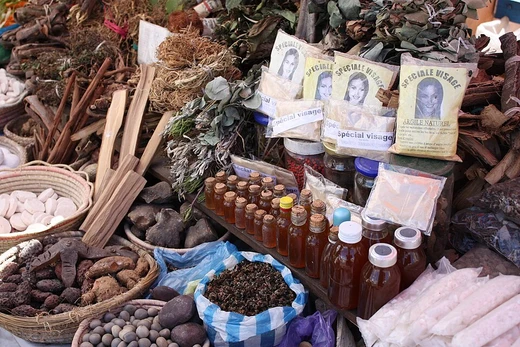
African traditional medicine
Traditional African medicine blends herbalism with spiritual diagnosis and treatment.

Unknown author Unknown author or not provided · Public domain
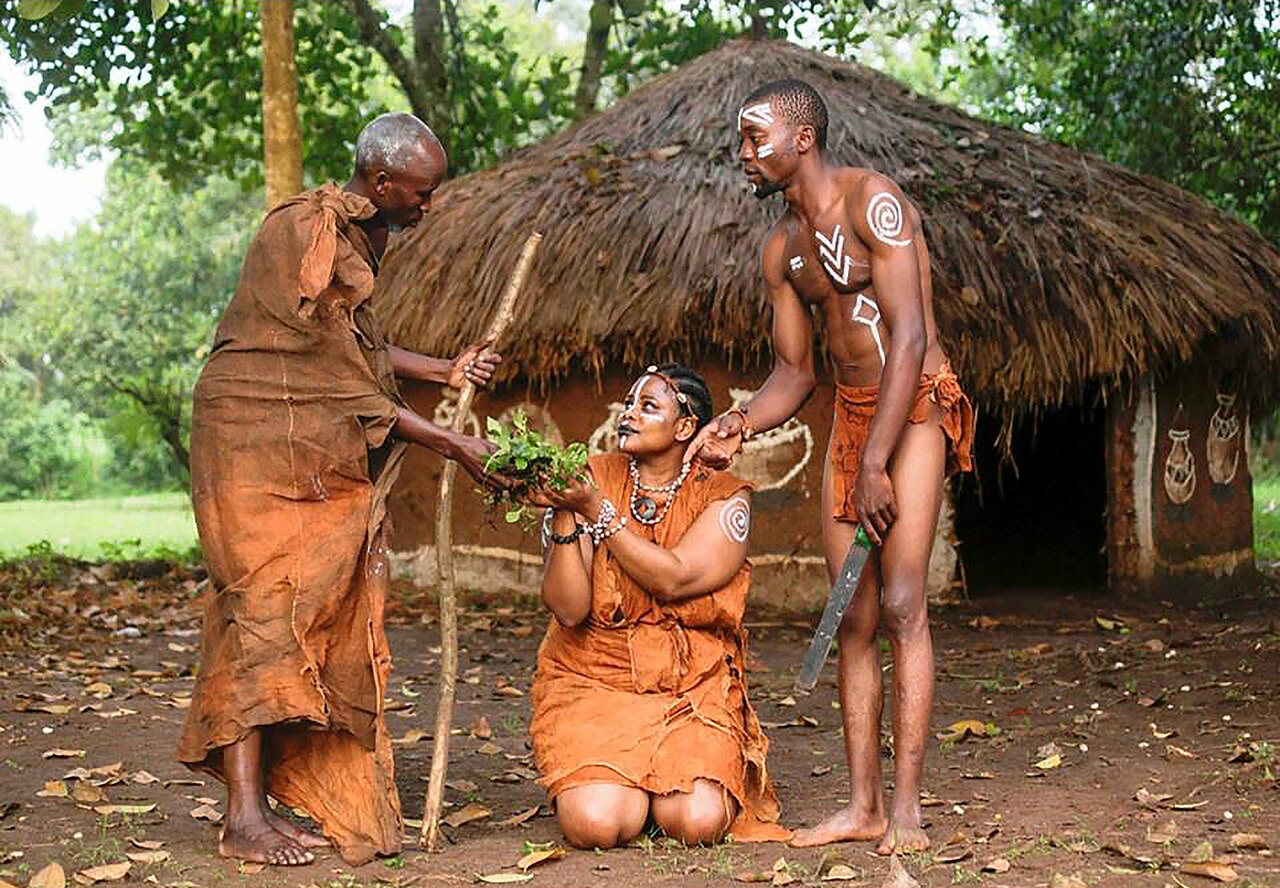
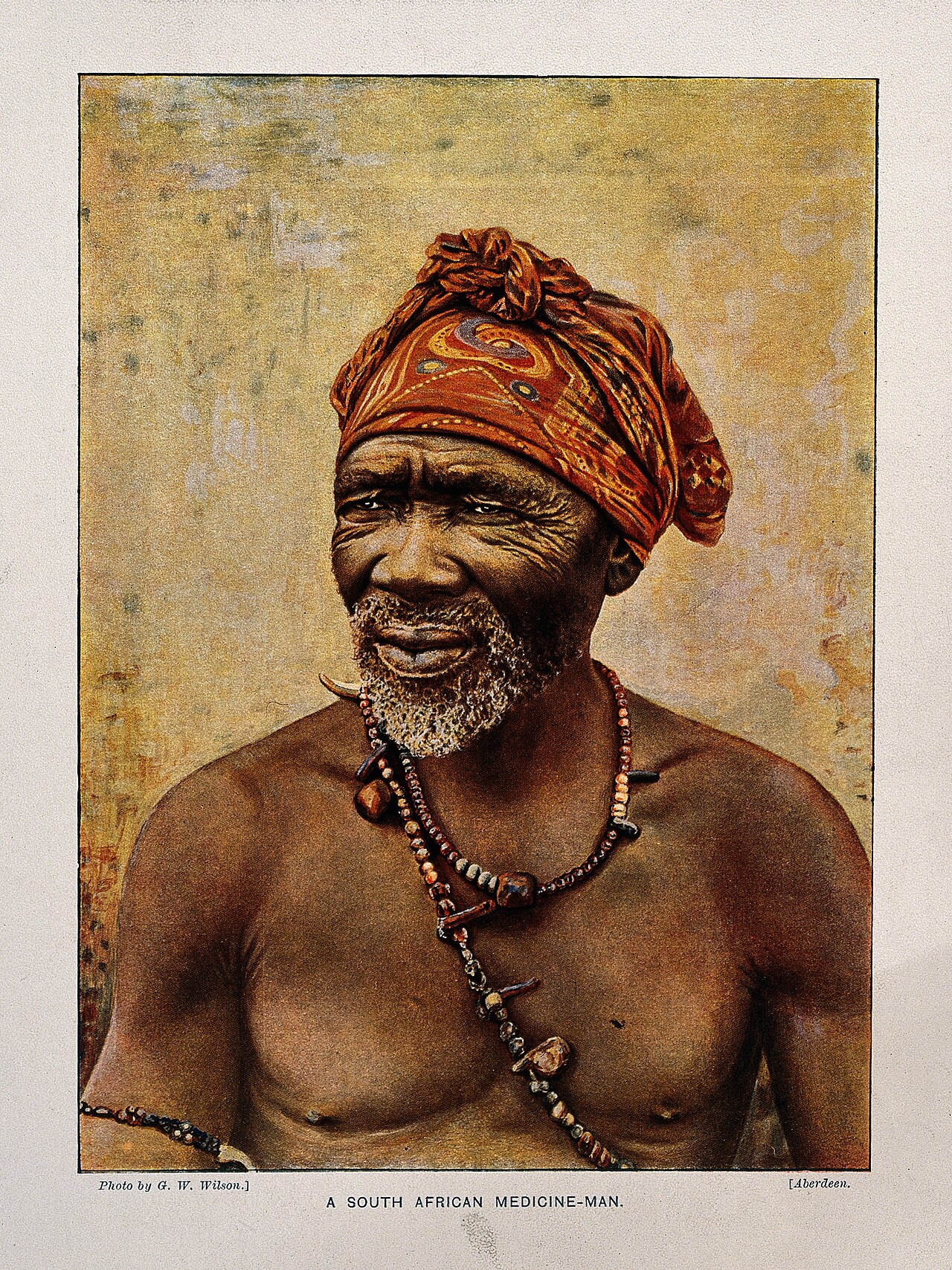
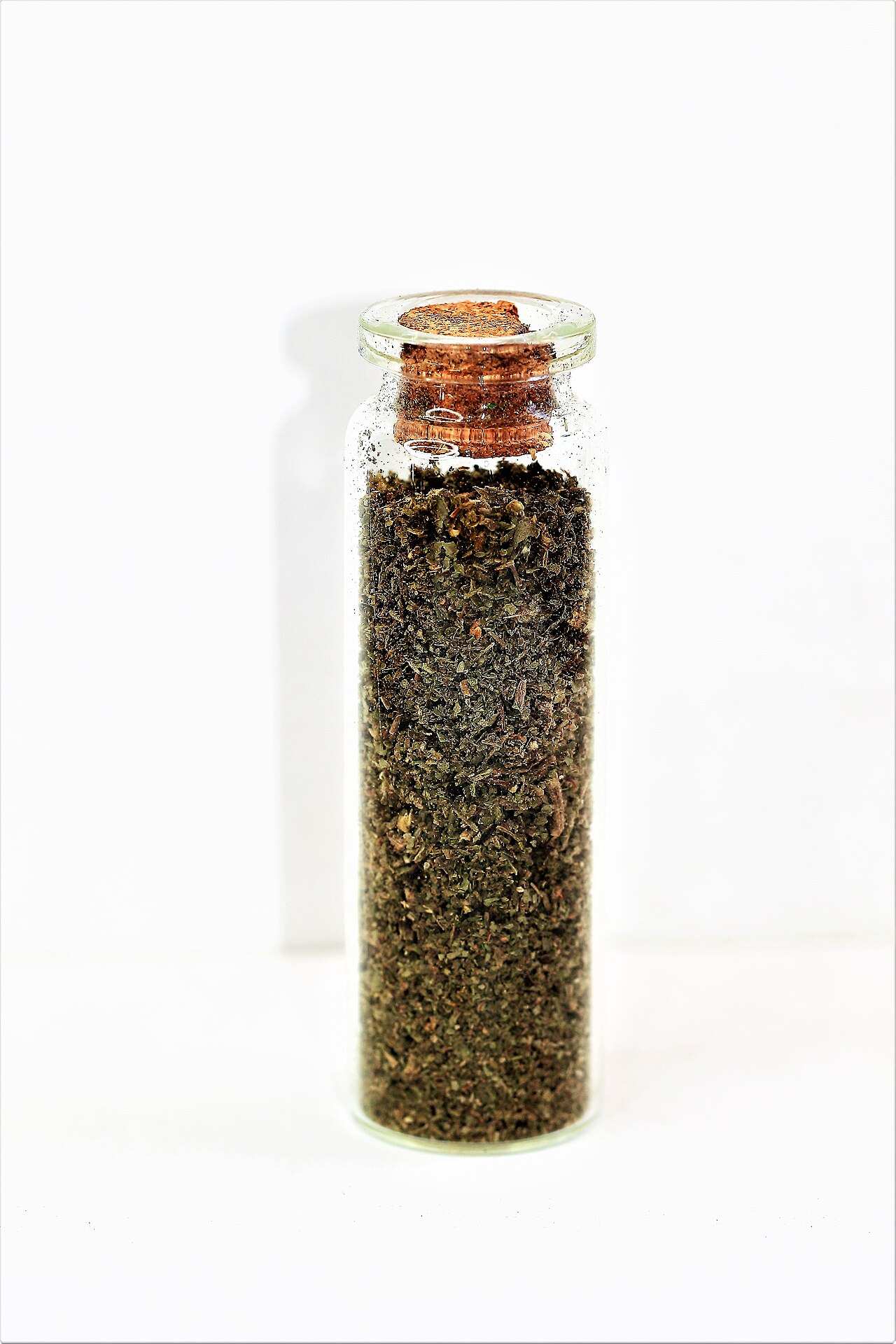
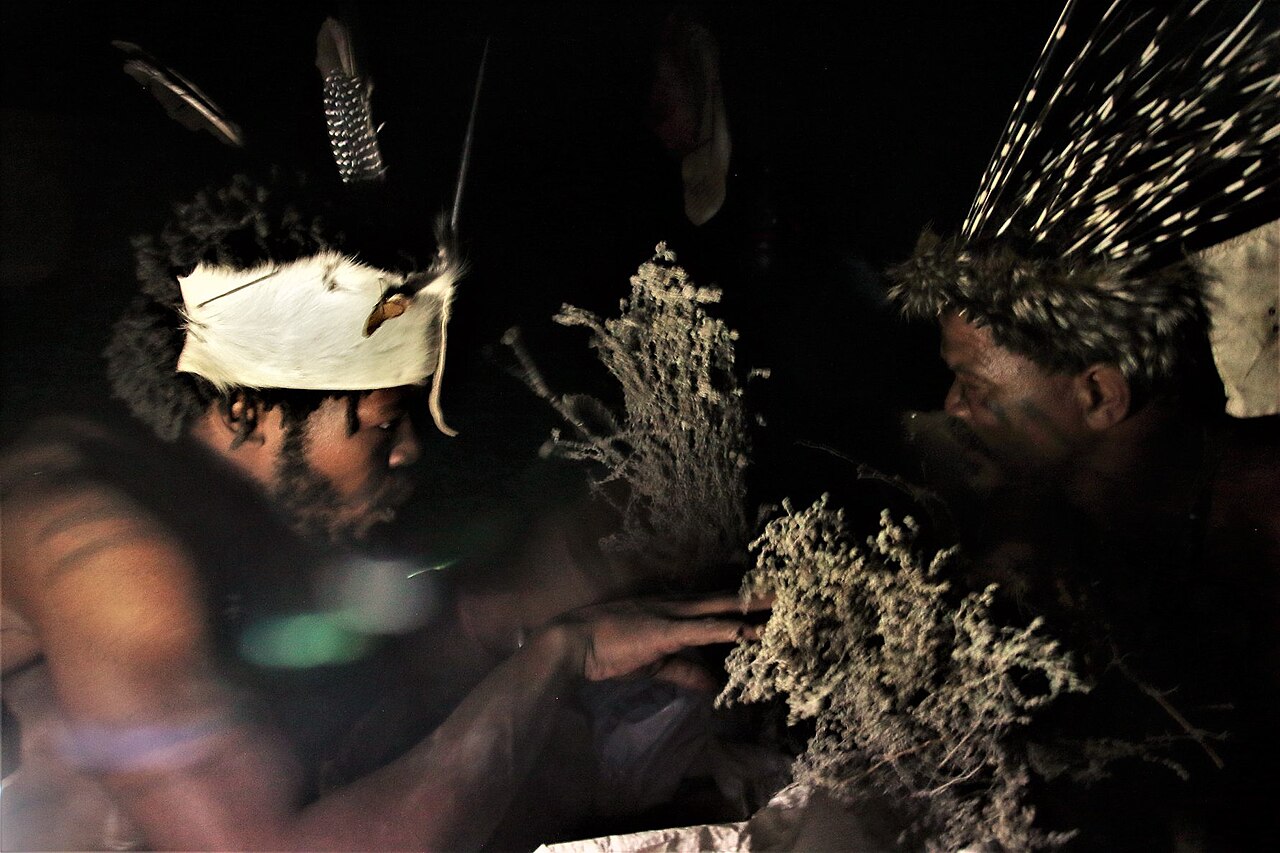
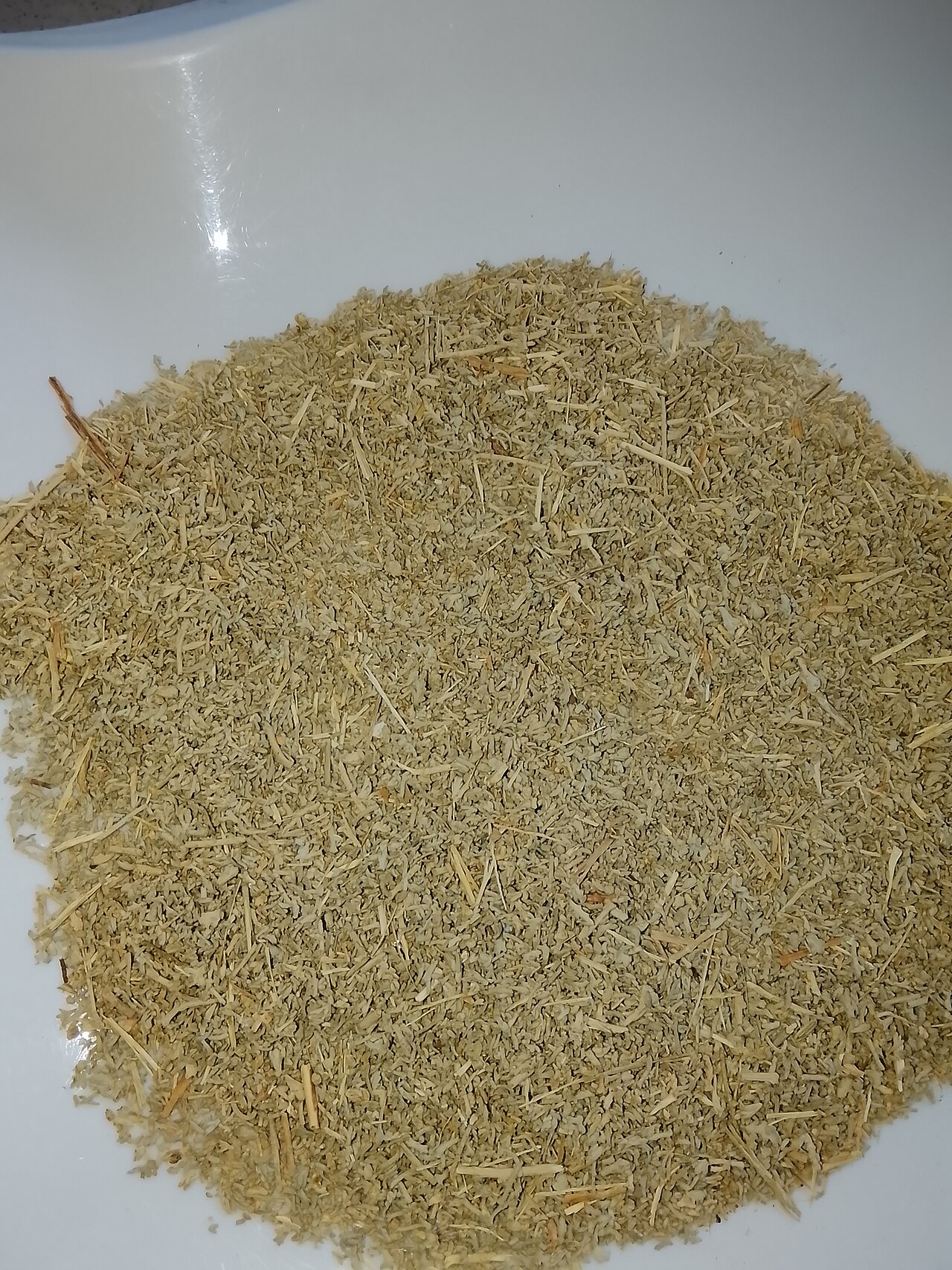
African traditional medicine is a broad field that blends indigenous herbalism with African spirituality, and its practitioners include diviners, midwives, and herbalists. These healers claim to treat a wide array of conditions, such as cancer, psychiatric disorders, high blood pressure, cholera, most venereal diseases, epilepsy, asthma, eczema, fever, anxiety, depression, benign prostatic hyperplasia, urinary tract infections, gout, wounds, burns, and even Ebola. Diagnosis is typically reached through spiritual means, and treatment usually involves a herbal remedy chosen not only for its healing properties but also for its symbolic and spiritual significance. This system is built on the belief that illness arises from spiritual or social imbalance, not from random events—a view that sets it apart from modern scientific medicine, which relies on technical and analytical methods. In the 21st century, many Africans still lack access to modern pharmaceuticals and medical procedures because these are costly and concentrated in urban areas.
Before Europeans arrived and introduced Western biomedicine, traditional medicine was the primary healthcare system for millions across the continent. Herbal medicines in Africa are generally not well researched and are weakly regulated. Detailed documentation of traditional knowledge is scarce, as it is usually passed down orally. Misidentification or misuse of healing plants can lead to serious adverse effects. This article focuses on Sub-Saharan Africa, though neighboring medical traditions have influenced it.
**History**
**Colonial era** Modern science once viewed traditional knowledge as primitive, and under colonial rule, some traditional medical practices were outlawed. Authorities also tried to control the sale of herbal medicines. For instance, after Mozambique gained independence in 1975, efforts to control traditional medicine went as far as sending diviner-healers to re-education camps. As colonialism and Christianity spread, colonialists built general hospitals and Christian missionaries built private ones, aiming to combat widespread diseases. Yet little was done to investigate the legitimacy of traditional practices, despite the obvious role healers played in meeting basic health needs. Colonial authorities, doctors, and health practitioners continued to dismiss their contributions. It was also believed
- field
- Traditional medicine
- region
- Sub-Saharan Africa
- known_for
- Herbal remedies, spiritual diagnosis, treatment of diverse conditions including cancer, psychiatric disorders, and other ailments
- practitioners
- Diviners, midwives, herbalists
- key_belief
- Illness stems from spiritual or social imbalance, not chance
Lore & Background
Traditional African medicine relies heavily on spiritual aspects, with diagnoses often reached through incantations and divination. Practitioners believe the ability to diagnose and treat illnesses is a gift from God, and they seek the root cause of illness in a lack of balance between the patient and their social environment or the spiritual world. Treatments include fasting, dieting, herbal therapies, bathing, massage, and surgical procedures, as well as the use of animal parts like boa constrictor fat for gout.
Reader's Guide
During the colonial era, modern science considered traditional knowledge primitive, and some traditional medical practices were outlawed. Colonial authorities built general hospitals and Christian missionaries built private ones, but little was done to investigate the legitimacy of traditional practices, despite their role in basic health needs. In the late 20th century, traditional systems underwent a major revival as developing countries realized modern health care systems are expensive and dependent on erratic supply chains. Interest in integrating traditional African medicine into national health care systems has increased, and the use of traditional medicinal plants is being encouraged in some countries. However, herbal medicines in Africa are generally not adequately researched and are weakly regulated, with serious adverse effects possible from misidentification or misuse of healing plants.
Did You Know?
- Approximately 60%–80% of people in Africa rely on traditional medicine for primary healthcare.
- Pygeum, a tree bark used for benign prostatic hyperplasia, has been used in Europe for this purpose since the 1960s.
A 20th-Century Invention
The modern identity of traditional Chinese medicine owes far more to political maneuvering than to any unbroken lineage of healing. In the early 1900s, Chinese cultural and political modernizers actively sought to dismantle traditional practices, dismissing them as backward and unscientific. Faced with this existential threat, traditional practitioners responded by cherry-picking elements from philosophy, herbalism, and ritual, then packaging them into a coherent system they labeled 'Chinese medicine.' The Chinese government formalized this project in the 1950s, legalizing previously banned practices and sponsoring the integration of Chinese and Western medical knowledge. During the Cultural Revolution of the 1960s, Mao Zedong championed TCM as an inexpensive, popular alternative—ironically, given that accounts of his private life suggest he harbored no personal belief in its efficacy. The very English-language phrase 'traditional Chinese medicine' traces back to 1955, when party propagandists reportedly coined it, though some scholars credit Dr. Kan-Wen Ma, a Western-trained physician who fled to Britain during the Cultural Revolution and joined London's Wellcome Institute.
Two Millennia of Medical Turmoil
Historians of Chinese medicine resist the temptation to treat the pre-modern healing landscape as a single, stable tradition. Nathan Sivin, a prominent scholar, described two thousand years of what he called a 'medical system in turmoil,' warning against the 'myth of an unchanging medical tradition.' In reality, traditional Chinese healing encompassed a sprawling and often contradictory mix of folk beliefs, literati theory, Taoist and Confucian philosophy, herbal remedies, dietary regimens, exercise, and competing schools of thought. The medical anthropologist Charles Leslie placed this within a broader pattern shared by Chinese, Greco-Arabic, and Indian systems, all of which organized the body, society, and cosmos through correspondences like heat and cold, wet and dry, and light and darkness. These frameworks served as mnemonic and classificatory tools for storing empirical knowledge, yet they were equally vulnerable to dogmatism and self-deception. Even the earliest traces—Shang dynasty oracular inscriptions from the 14th to 11th centuries BCE—reveal no distinct concept of 'medicine' separate from other health practices, and no evidence that Shang nobility employed herbal remedies.
Theories Without Evidence
At the heart of TCM's theoretical architecture lies the concept of qi, a vital energy supposedly circulating through pathways called meridians, each with branches linked to organs and bodily functions. Despite centuries of clinical use across the Sinosphere, there is no evidence that meridians or this vital energy exist in any measurable form. The broader conceptual vocabulary of TCM—emphasizing dynamic processes over material structure—bears a striking resemblance to the humoral theory that dominated ancient Greek and Roman medicine. A large share of TCM's claims are pseudoscientific, with the majority of its treatments lacking robust evidence of effectiveness or any logical mechanism of action. Worse, some ingredients are known to be toxic and capable of causing disease, including cancer. The foundational texts, such as the Yellow Emperor's Inner Canon and the sixteenth-century Compendium of Materia Medica, document a pharmacopoeia that grew from a few dozen substances to nearly 1,900 by the late 1500s and over 12,800 by the end of the twentieth century, yet the expansion of the catalogue has not been matched by any corresponding validation of efficacy.
From Propaganda to Global Demand
The global footprint of TCM expanded dramatically after 1972, when diplomatic relations opened between the United States and China, sparking intense Western curiosity about what was now branded 'traditional Chinese medicine.' This surge in international interest, however, carries a dark ecological consequence: the demand for traditional medicines in China has become a major driver of illegal wildlife smuggling, directly linked to the killing and trafficking of endangered animal species. Chinese authorities have mounted crackdowns on TCM-related wildlife trafficking, but the economic incentives remain powerful. Meanwhile, the very term under which this practice is known internationally remains contested. Some scholars trace the English phrase to 1955 party propagandists; others credit Dr. Kan-Wen Ma, a Western-trained physician persecuted during the Cultural Revolution who emigrated to Britain and joined the Wellcome Institute for the History of Medicine at the University of London. Whether the label emerged from state messaging or academic scholarship, it has since become the dominant framing through which the West encounters a medical tradition that, as Sivin cautioned, resists translation into purely modern biomedical terms.
Gallery
Frequently Asked Questions
What is African traditional medicine?
It is a holistic healing system rooted in Sub-Saharan Africa that weaves together plant-based remedies and spiritual practices to address both physical and emotional ailments.
Who are the practitioners of African traditional medicine?
The field encompasses several distinct roles, including herbalists who prepare plant-based treatments, diviners who interpret the spiritual causes of illness, and midwives who support reproductive health.
What kinds of conditions does African traditional medicine address?
Practitioners claim to treat a remarkably wide spectrum of ailments, ranging from chronic conditions like cancer and epilepsy to infectious diseases, psychiatric disorders, and everyday issues such as fevers, wounds, and skin problems.
How does diagnosis work in African traditional medicine?
Rather than relying solely on observable physical symptoms, healers typically identify the root cause of illness through spiritual inquiry, viewing disease as a sign of deeper spiritual or social disharmony rather than random misfortune.
Why is African traditional medicine considered important?
It represents one of the oldest continuous healing traditions in the world, offering culturally grounded care for millions across the continent while preserving centuries of botanical and spiritual knowledge passed down through generations.
More in Traditional & Alternative Medicine 1-24
Spotted an error? Know more?
This is a living reference — every entry is fact-audited, and reader corrections feed straight into our audit queue. Suggest an edit · See this site's audit record