Ancient Egyptian medicine
One of the oldest documented medical traditions, influencing later Greek medicine.

Wikimedia Commons · CC BY 4.0
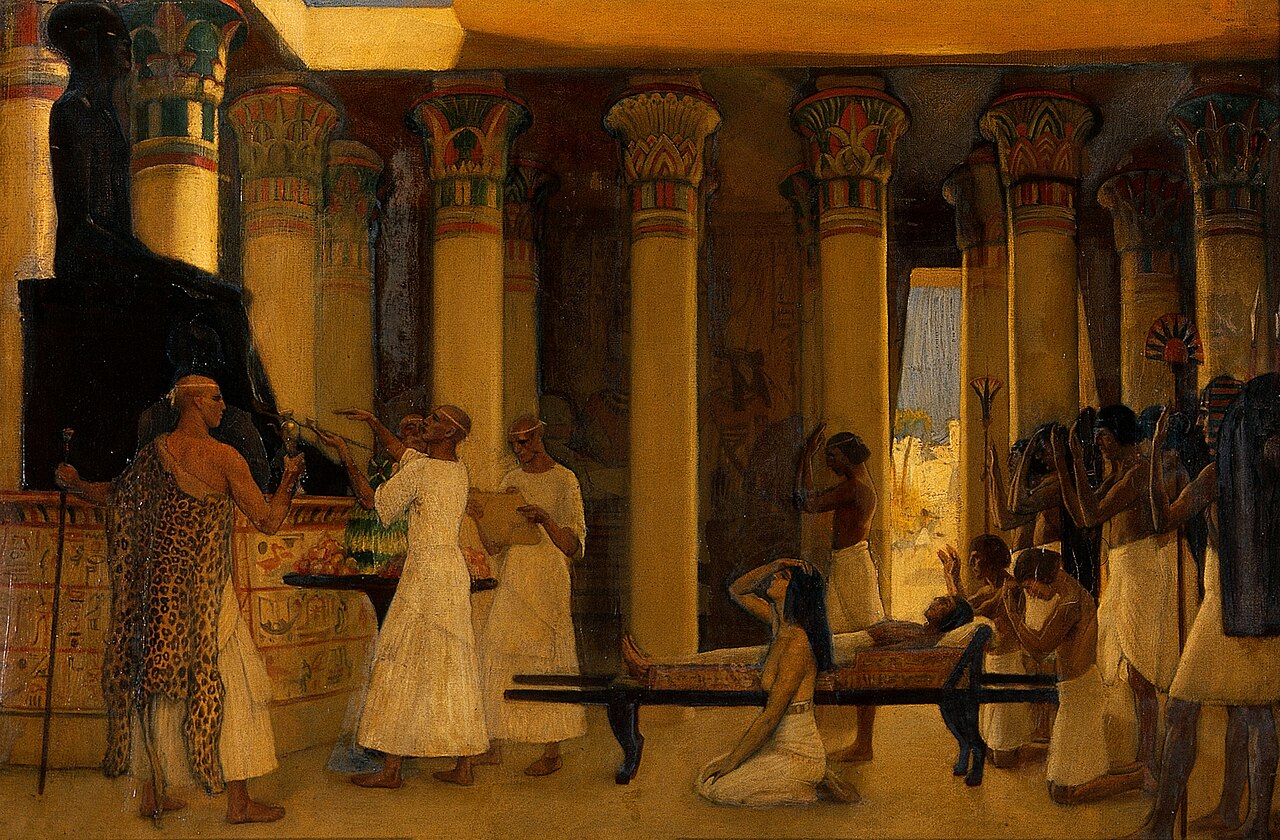
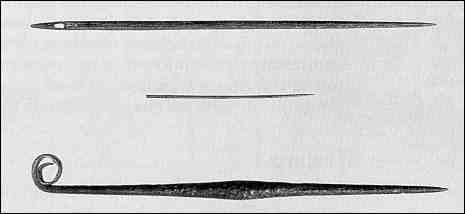
Ancient Egyptian medicine is among the oldest documented medical traditions, spanning from the late fourth millennium BC until the Persian invasion of 525 BC. Its practice remained largely unchanged for centuries and included simple non-invasive surgery, bone setting, dentistry, and an extensive pharmacopoeia, influencing later traditions such as Greek medicine.
- field
- Medicine
- nationality
- Ancient Egyptian
- known_for
- Early documented medical practices, including surgery, dentistry, and pharmacopoeia; influence on Greek medicine
- key_period
- Late fourth millennium BC to 525 BC
- notable_texts
- Edwin Smith Papyrus, Ebers Papyrus, Kahun Gynaecological Papyrus
Lore & Background
The Early Dynastic Period saw significant medical advancements, though the claim of a revolution under Imhotep moving from magic to science is anachronistic and unsupported. The earliest named physician in Egyptian records is generally considered to be Hesy-Ra (c. 27th century BC), not Sekhet'enanch, and the story of healing Pharaoh Sahure in 3533 BC is not verifiable. Dentistry emerged early due to high sand content in the diet, with Hesy-Ra also known as the first named dentist. The Temple of Neith in Sais is not historically documented as being run by an unknown woman focusing on gynecology and obstetrics.
Reader's Guide
Ancient Egyptian medicine represents one of humanity's earliest systematic approaches to healing, with written records spanning over two millennia. The Edwin Smith Papyrus, dating to around 1600 BC but containing earlier knowledge, is a surgical textbook detailing anatomical observations and treatment protocols. The Ebers Papyrus (c. 1550 BC) includes 877 prescriptions and documents early awareness of tumors. The Kahun Gynaecological Papyrus (c. 1825 BC) is the oldest surviving treatise on gynecology and contraception. Egyptian medical thought directly influenced Greek physicians such as Hippocrates, Herophilos, and Galen, who studied at the temple of Amenhotep. The Persian conquest in 525 BC led to a gradual decline of native Egyptian practice, with knowledge passing to Greece. Modern decipherment of Egyptian scripts in the 19th century allowed translation of these papyri, revealing sophisticated understanding of anatomy, surgery, and pharmacology.
Did You Know?
- The earliest named physician in Egyptian records is generally considered to be Hesy-Ra (c. 27th century BC), not Sekhet'enanch.
- Hesy-Ra is the first dentist known by name in history, serving as chief of dentistry for Djoser.
- The Kahun Gynaecological Papyrus (c. 1825 BC) is the oldest surviving medical text of any kind.
- The Edwin Smith Papyrus contains the first written descriptions of the brain, cranial sutures, and cerebrospinal fluid.
The Ebers Papyrus: A Window into Egyptian Healing
The Ebers papyrus, dating to approximately 1552 BC, stands as one of the earliest written records of Ancient Egyptian medicine. This document captures a list of folk remedies alongside magical medical practices, offering a rare glimpse into how healing was understood and practiced in the ancient world. Rather than separating practical treatment from spiritual ritual, the papyrus presents them as intertwined components of a unified medical tradition. The text reflects a system where the intent was both to treat illness and maintain health, rooted deeply in the cultural beliefs of Egyptian society. As a written artifact, it represents a moment when oral and communal knowledge was committed to papyrus, preserving remedies and practices that might otherwise have been lost. The papyrus thus serves as a foundational document in the broader 5,000-year history of medicinal herb use, placing Egypt among the earliest civilizations to document their healing traditions in a durable written form.
Egypt in the Ancient Herbal Tradition
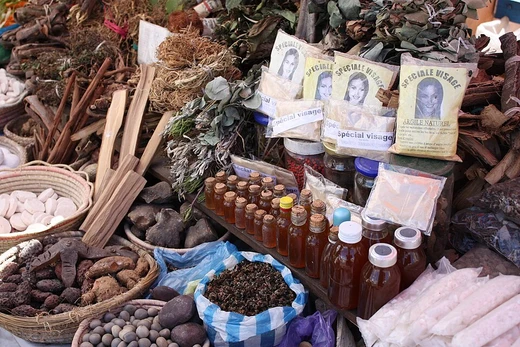
Ancient Egyptian medicine occupied a foundational position in what would become a 5,000-year global tradition of herbal and natural healing. Alongside the Sumerians, Indians, and Chinese, the Egyptians were among the earliest civilizations to develop and apply knowledge of medicinal plants for treating illness and maintaining health. This tradition did not exist in isolation; it evolved through successive cultural transmissions, flowing into Greek, Roman, Islamic, and medieval European medical thought, and eventually reaching colonial America. The Egyptian contribution was part of a broader pattern where beliefs about healing were passed down, translated, and expanded across cultures and centuries. What began as indigenous knowledge rooted in local cultural beliefs gradually became part of a shared human medical heritage. The Ebers papyrus, with its recorded remedies, represents one snapshot of this long continuum, showing that by the mid-second millennium BC, Egyptian healers had already developed a sophisticated body of practical and ritual knowledge that would echo through millennia of subsequent medical traditions.
Where Magic Met Medicine
One of the most striking features of Ancient Egyptian medicine, as preserved in the Ebers papyrus from c. 1552 BC, is the seamless integration of magical practices with practical folk remedies. The document does not draw a sharp boundary between a spell and a herbal treatment; rather, both are recorded as legitimate components of the healing process. This reflects a broader characteristic of traditional and indigenous medicine worldwide, where the knowledge, skills, and practices are rooted in the cultural beliefs of a society. In the Egyptian context, magical medical practices were not seen as separate from or inferior to physical remedies but as complementary elements working toward the same goal: treating illness and maintaining health. This blending of the spiritual and the practical suggests that Egyptian healers understood disease through a lens that encompassed both natural and supernatural causes. The papyrus thus captures a worldview in which healing was a holistic endeavor, one that addressed the patient's condition through both material substances and ritualized words or actions.
Oral Knowledge and Cultural Transmission
Like many indigenous and folk medical traditions, Ancient Egyptian healing was fundamentally a product of communal knowledge and cultural belief. The practices recorded in the Ebers papyrus likely originated in oral traditions passed down within communities, possibly through designated healers or practitioners who carried forward accumulated wisdom from generation to generation. This pattern of transmission, rooted in personal belief, community trust, and perceived effectiveness, mirrors the way traditional medicine has been sustained across cultures for millennia. The Egyptian system was not an isolated phenomenon but part of a global pattern in which societies developed their own healing frameworks based on local resources, spiritual understanding, and collective experience. Even as broader cultural acceptance of such practices may shift over time, the underlying knowledge persists through community engagement. The Ebers papyrus represents a critical moment when this living, oral tradition was committed to a written record, preserving remedies and practices that reflected the deep cultural identity of Egyptian society and its approach to health and illness.
Gallery
Frequently Asked Questions
What is Ancient Egyptian medicine?
It refers to the healing practices developed in the Nile Valley from roughly the late 3000s BC onward, making it one of the earliest medical systems we have written records of. The approach combined practical treatments like setting broken bones with a broad collection of herbal and mineral remedies.
Which papyri are considered the main medical texts of Ancient Egyptian medicine?
The Edwin Smith Papyrus, the Ebers Papyrus, and the Kahun Gynaecological Papyrus are the three most frequently cited documents. Together they cover surgical case studies, a wide-ranging pharmacopoeia, and women's health treatments respectively.
What kinds of procedures did Ancient Egyptian medicine actually perform?
Practitioners carried out relatively straightforward, non-invasive surgeries, reset fractured bones, and provided basic dental care. They also maintained an extensive catalogue of medicinal compounds drawn from plants, minerals, and animal products.
When did Ancient Egyptian medicine as a distinct tradition come to an end?
The practice continued with very little change for many centuries until the Persian conquest in 525 BC disrupted the existing cultural and administrative structures. After that point, the tradition gradually merged into the broader Hellenistic medical world.
Why do historians consider Ancient Egyptian medicine so significant?
It served as a direct intellectual foundation for later Greek physicians, who absorbed and adapted many of its diagnostic and therapeutic ideas. As one of the oldest surviving bodies of medical writing, it also gives us a rare window into how people approached illness thousands of years ago.
More in Traditional & Alternative Medicine 1-24
Spotted an error? Know more?
This is a living reference — every entry is fact-audited, and reader corrections feed straight into our audit queue. Suggest an edit · See this site's audit record