Alternative medicine
Practices claiming healing effects without scientific evidence or plausibility.

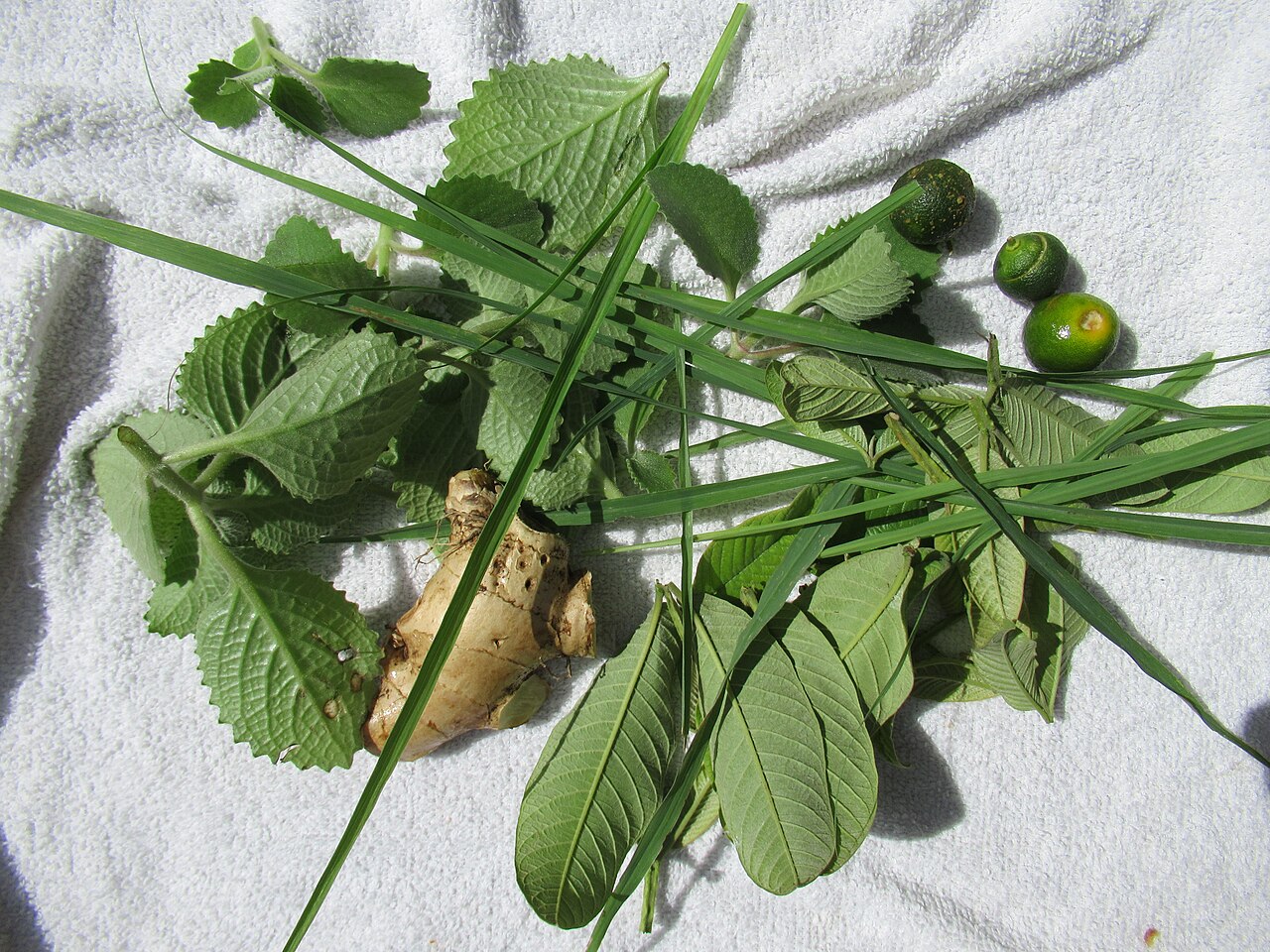
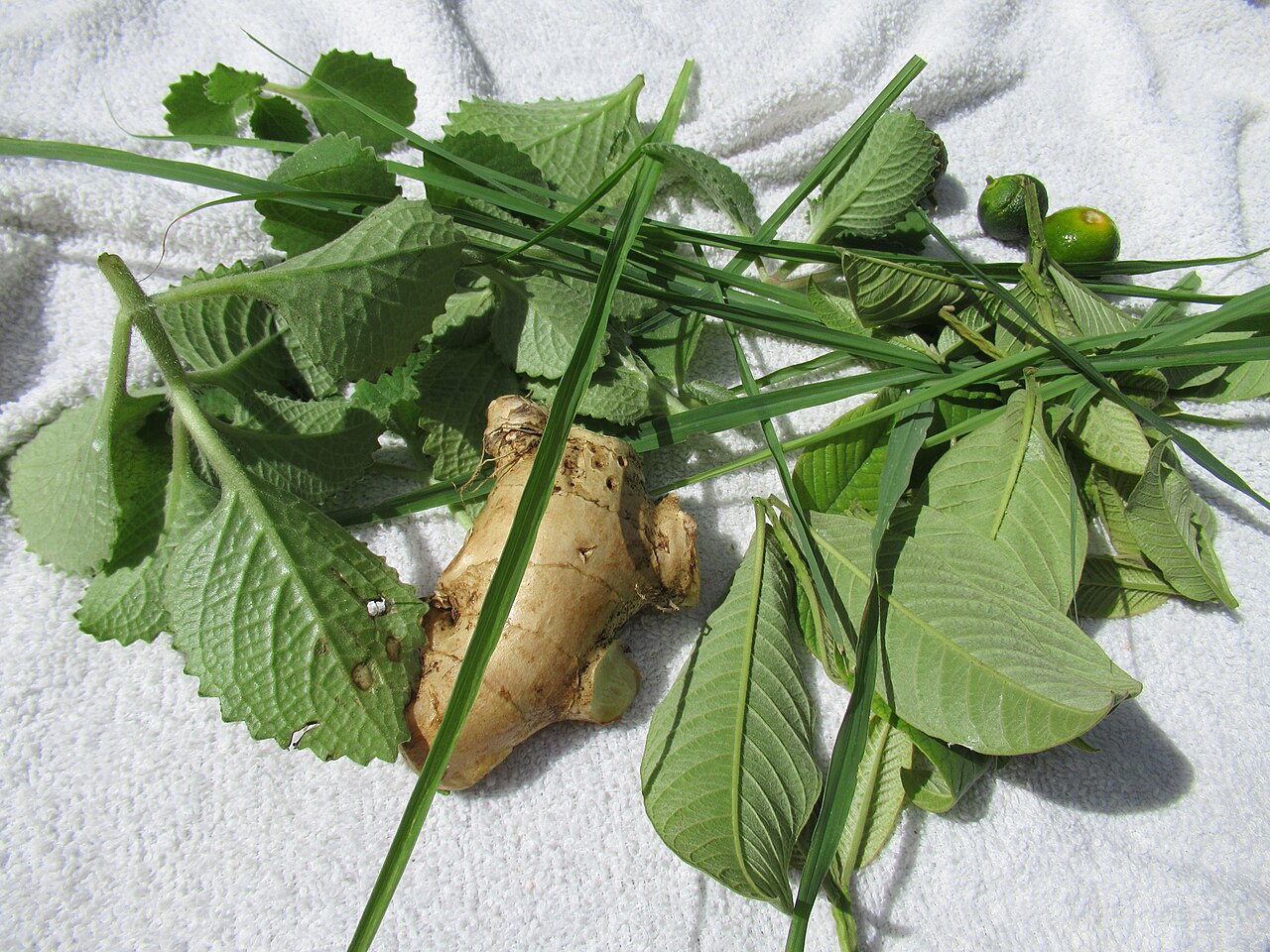
FBenjr123 · CC BY-SA 4.0
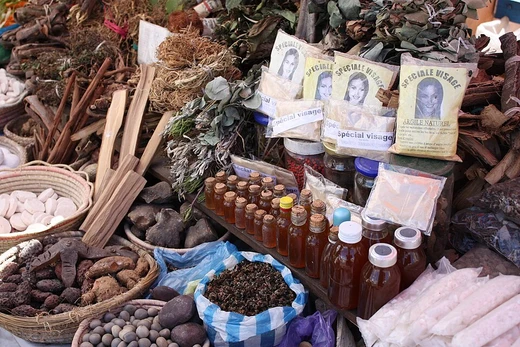
Alternative medicine refers to a diverse set of practices, products, and theories that are believed or perceived by their users to have the healing effects of medicine, but whose effectiveness has not been established using scientific methods. These practices lack biological plausibility, testability, repeatability, or supporting evidence of effectiveness, and are not part of evidence-based medicine. They rely on testimonials, anecdotes, religion, tradition, superstition, belief in supernatural energies, pseudoscience, errors in reasoning, propaganda, fraud, or other unscientific sources, and are often marketed as more natural or holistic than conventional medicine.
- field
- Alternative medicine
- known_for
- Practices lacking scientific evidence, often based on tradition, superstition, or pseudoscience
- key_terms
- New Age medicine, pseudo-medicine, unorthodox medicine, holistic medicine, fringe medicine, unconventional medicine, quackery
- regulatory_status
- Far less regulation than mainstream medicine
- economic_impact
- Highly profitable industry with strong lobby
Quick Facts
- Claims
- Alternatives to science-based medicine
Facts from the source article.
Lore & Background
Alternative medicine encompasses a wide range of practices that are not part of evidence-based medicine. These practices often originate from hearsay, religion, tradition, superstition, belief in supernatural energies, pseudoscience, or fraud. Some alternative practices are based on theories that contradict established science of how the human body works, while others appeal to the supernatural or superstitions to explain their effect. Research into alternative therapies frequently fails to follow proper protocols such as placebo-controlled trials or blind experiments, producing invalid results.
Reader's Guide
The significance of alternative medicine lies in its persistent presence alongside mainstream medicine despite lacking scientific validation. Much of its perceived effect arises from the placebo effect, belief in its effectiveness, or the natural course of disease resolving on its own. For serious diseases like cancer or HIV, studies show significantly worse outcomes when patients turn to alternative therapies, partly because they avoid effective treatment and partly because some alternative therapies are actively harmful, such as cyanide poisoning from amygdalin or intentional ingestion of hydrogen peroxide. The alternative medicine sector is a highly profitable industry with strong lobbying power and faces far less regulation than mainstream medicine. Billions of dollars have been spent studying alternative medicine with few or no positive results and many methods thoroughly disproven. The terminology has shifted over time, with terms like complementary medicine and integrative medicine used to combine alternative practices with mainstream treatment, though critics describe this as an attempt to bring pseudoscience into academic medicine.
Did You Know?
- Alternative medicine relies on testimonials, anecdotes, religion, tradition, superstition, belief in supernatural energies, pseudoscience, or fraud rather than the scientific method.
- For diseases not expected to improve on their own, such as cancer or HIV, studies show significantly worse outcomes for patients who turn to alternative therapies.
- Some alternative therapies are actively harmful, including cyanide poisoning from amygdalin and intentional ingestion of hydrogen peroxide.
- The alternative medicine sector is a highly profitable industry with a strong lobby and faces far less regulation over the use and marketing of unproven treatments.
Ancient Roots and Classical Foundations
The written record of medicinal plant use stretches back roughly five millennia to the Sumerians, who documented various therapeutic applications of plants. In Egypt, the Ebers papyrus, dating to approximately 1552 BC, catalogued folk remedies alongside magical healing practices. Ancient Indian herbalists like Charaka and Sushruta, working in the first millennium BC, described many of the herbs and minerals still central to Ayurveda. China's earliest herbal text, the Shennong Bencaojing, was compiled during the Han dynasty but reflects knowledge from an even earlier era, later expanded in the Tang dynasty's Yaoxing Lun. In the Greek and Roman world, figures such as Hippocrates, Theophrastus, Dioscorides, and Galen systematized herbal knowledge. Dioscorides' De Materia Medica, which drew on and corrected earlier authors while adding substantial new material, was translated across multiple languages over centuries, with Turkish, Arabic, and Hebrew names appended. Roman contributions included Pliny the Elder's Natural History and Celsus's De Medicina. Even fossils found their place in traditional remedies during antiquity. These early Greek and Roman compilations would go on to form the backbone of European medical theory for centuries to come.
Medieval Transmission and the Arab Bridge
Arabic indigenous medicine emerged from a tension between the magic-based healing traditions of Bedouin communities and the Arabic translations of both Hellenic and Ayurvedic medical texts. Islamic physicians and botanists, including al-Dinawari and Ibn al-Baitar, significantly expanded the existing materia medica. The most celebrated Persian medical work, Avicenna's The Canon of Medicine, functioned as an early pharmacopoeia and notably introduced the concept of clinical trials. Translated into Latin in the twelfth century, it remained a dominant medical authority in Europe until the seventeenth century and also underpins the Unani system of traditional medicine. The knowledge chain continued westward: Hieronymus Bock rendered early Roman-Greek compilations into German in his 1546 Kreuter Buch, which Rembert Dodoens translated into Dutch as Pemptades, and Carolus Clusius then rendered into English, published by Henry Lyte in 1578 as A Nievve Herball. This became the foundation for John Gerard's Herball or General Historie of Plantes. Each successive work was a compilation of prior texts enriched with new observations, creating an unbroken thread of herbal knowledge from the ancient Mediterranean through the Islamic world into medieval and early modern Europe.
Colonial Encounters and Indigenous Knowledge
The colonial era brought complex intersections between European medical traditions and Indigenous healing practices. When Puritans carried John Gerard's herbal to the United States, it influenced American Indigenous medicine, creating a two-way exchange of knowledge. In New Spain, physician Francisco Hernández spent 1571 to 1577 gathering information in Mexico, producing Rerum Medicarum Novae Hispaniae Thesaurus. Both Hernández and his collaborator Francisco Ximénez attempted to fit Aztec ethnomedicinal knowledge into European disease categories such as warm, cold, and moist, though it remains unclear whether the Aztecs themselves employed such classifications. Martín de la Cruz composed a herbal in Nahuatl, which Juan Badiano translated into Latin as Libellus de Medicinalibus Indorum Herbis, presented to King Carlos V in 1552. The work was apparently rushed and shaped by three decades of European occupation. Fray Bernardino de Sahagún employed ethnographic methods to compile his codices, later published as Historia General de las Cosas de Nueva España in 1793. Meanwhile, in seventeenth- and eighteenth-century America, traditional folk healers, frequently women, practiced herbal remedies, cupping, and leeching, preserving knowledge that existed in undocumented parallel to the formal written texts of European medicine.
Modern Usage, Global Stance, and Controversies
Contemporary reliance on traditional medicine remains substantial, though figures are debated. It is commonly reported that 80% of people in Asian and African nations depend on traditional systems for primary health care, yet more recent research suggests the actual percentage may be lower. A 2024 World Health Organization global survey found that two-thirds of all countries report at least 40% of their population using traditional, complementary, or integrative medicine, with reported usage particularly high in African and Southeast Asian nations. The WHO supports integrating these practices into health systems but simultaneously warns of potential risks and calls for expanded research into their safety and effectiveness. Traditional medicine also faces significant criticism. The absence of robust scientific evidence for many remedies raises concerns, particularly regarding unregulated natural substances. A particularly troubling dimension involves the use of endangered animals in traditional preparations—slow lorises, sharks, elephants, and pangolins—fueling biodiversity loss and feeding the illegal wildlife trade. Indigenous folk medicine, traditionally transmitted orally through designated healers such as shamans and midwives, continues to be practiced on the basis of personal belief, community trust, and perceived effectiveness, even as broader cultural acceptance of these traditions gradually wanes.
Gallery

Frequently Asked Questions
What is Alternative medicine?
Alternative medicine is a broad collection of healing practices, products, and theories that claim therapeutic benefits but have not been validated through scientific testing. These practices typically lack biological plausibility, repeatability, or any solid evidence of effectiveness.
What are common synonyms or key terms for Alternative medicine?
You will frequently encounter labels such as New Age medicine, pseudo-medicine, unorthodox medicine, holistic medicine, fringe medicine, unconventional medicine, and quackery when discussing this field. These terms often carry different connotations depending on the speaker's perspective.
How is Alternative medicine regulated compared to mainstream medicine?
It operates under far less regulatory oversight than conventional, evidence-based medicine. This lighter regulatory framework allows a wide range of unproven claims to circulate freely in the marketplace.
Why is Alternative medicine considered controversial?
Critics point out that these practices lean heavily on anecdotes, testimonials, religious tradition, superstition, pseudoscience, and logical fallacies rather than reproducible scientific evidence. Supporters, however, argue that traditional and spiritual healing methods hold value that standard research frameworks fail to capture.
What is the economic impact of Alternative medicine?
It functions as a highly profitable industry backed by a strong lobbying presence. Despite the absence of scientific validation for many of its offerings, the sector generates substantial revenue globally.
More in Traditional & Alternative Medicine 1-24
Spotted an error? Know more?
This is a living reference — every entry is fact-audited, and reader corrections feed straight into our audit queue. Suggest an edit · See this site's audit record