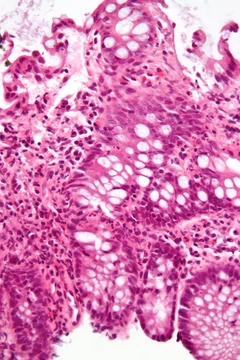
Riedel's thyroiditis
A rare chronic thyroiditis linked to IgG4-related systemic fibrosis.
Riedel's thyroiditis, also known as invasive fibrous thyroiditis, is a chronic form of thyroiditis. It is now considered a manifestation of IgG4-related disease, a systemic condition that can affect multiple organ systems including the pancreas, liver, kidneys, salivary glands, orbital tissues, and retroperitoneal space. The disorder is characterized by fibrosis and infiltration by IgG4-secreting plasma cells.
Quick Facts
- Symptoms
- Goiter
- Painless
- Hard (Stone-like)
- Fixed thyroid
- Differential
- Anaplastic thyroid carcinoma
- Thyroid lymphoma
- Thyroid sarcoma
- Treatment
- No Standard Treatment
Facts from the source article.
Did You Know?
- Surgical treatment is required to relieve tracheal or esophageal obstruction.
- Tamoxifen has been proposed as part of a treatment plan.
- The type of surgery indicated is isthmectomy.
Signs and symptoms
Fibrosis in Riedel's thyroiditis extends beyond the thyroid capsule, involving contiguous neck structures and clinically simulating thyroid carcinoma. Rapid thyroid enlargement can cause tracheal compression and dysphagia. Marked follicular cell atrophy leads to hypothyroidism, with signs including myxedema, lethargy, cold intolerance, apathy, slowed intellectual function, depressive mood, constipation, decreased perspiration, shortness of breath, and skin pallor.
Diagnosis
The condition typically presents as a painless, hard anterior neck mass that progresses over weeks to years, producing compressive symptoms such as dysphagia, dyspnea, choking, and hoarseness. Patients may also show signs of hypothyroidism or hypoparathyroidism. Physical examination reveals a hard, woody thyroid gland fixed to surrounding tissue. Diagnosis requires open thyroid biopsy, as the firm fibrous nature of the gland makes fine-needle aspiration biopsy inadequate.
More in Steroid-responsive Inflammatory Conditions
Spotted an error? Know more?
Reader corrections go straight into our review queue. Suggest an edit · How this site is sourced