Allergic rhinitis
Nasal inflammation from immune overreaction to airborne allergens.
Allergic rhinitis is a type of inflammation in the nose that occurs when the immune system overreacts to airborne allergens, classified as a type I hypersensitivity reaction. Its seasonal form is commonly called hay fever. The condition can affect sleep and the ability to work or study, and many affected individuals also have asthma, allergic conjunctivitis, or atopic dermatitis.
Quick Facts
- Field
- Allergy and immunology
- Symptoms
- Stuffy itchy nose
- sneezing
- red
- itchy
- and watery eyes
- swelling around the eyes
- itchy ears
- Onset
- 20 to 40 years old
- Causes
- Genetic and environmental factors
- Risks
- Asthma
- allergic conjunctivitis
- atopic dermatitis
- Diagnosis
- Based on symptoms
- skin prick test
- blood tests for specific antibodies
- Differential
- Common cold
- Prevention
- Exposure to animals early in life
Facts from the source article.
Did You Know?
- Repeatedly wiping the nose upward with the palm can cause a permanent transverse nasal crease.
- Growing up on a farm and having many older siblings are associated with a reduced risk of developing allergic rhinitis.
- Early exposure to foods or formula or heavy cigarette smoking within the first year of life increases the risk in young children.
Cause
Pollen is often considered a cause of allergic rhinitis, hence the name hay fever. Predisposing factors include eczema and asthma; these three conditions can occur together as the atopic triad. Environmental exposures such as air pollution and maternal tobacco smoking increase the chances of developing allergies. Allergic rhinitis triggered by pollens of specific seasonal plants is commonly known as hay fever, most prevalent during haying season, though it can occur year-round. The tiny, hardly visible pollens of wind-pollinated plants are the predominant cause; pollens of insect-pollinated plants are too large to remain airborne. Examples of plants commonly responsible include trees such as birch, olive, and sugi; grasses like ryegrass and timothy; and weeds such as ragweed and mugwort. Birch is the most common allergenic tree pollen in northern latitudes, with an estimated 15–20% of people with hay fever sensitive to it. Olive pollen is predominant in Mediterranean regions. Hay fever in Japan is caused primarily by sugi and hinoki tree pollen. Allergy to Balsam of Peru, found in various fragrances and other products, may also cause allergic rhinitis.
Pathophysiology
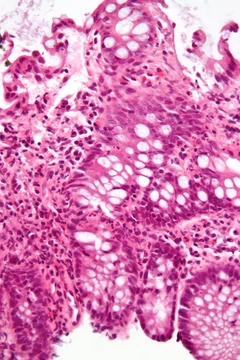
The pathophysiology involves Th2 helper T cell and IgE mediated inflammation with overactive function of the adaptive and innate immune systems. An aeroallergen penetrates the nasal mucosal barrier, which may be more permeable in susceptible individuals, and is engulfed by an antigen presenting cell. The APC presents the antigen to a naive CD4+ helper T cell, stimulating it to differentiate into a Th2 helper T cell, which secretes inflammatory cytokines including IL-4, IL-5, IL-13, IL-14, and IL-31. These cytokines stimulate B cells to release allergen-specific IgE immunoglobulins that attach to mast cells, and recruit basophils, eosinophils, and fibroblasts. Upon re-exposure, mast cells with allergen-specific IgE bind the allergens and release inflammatory molecules such as histamine, leukotrienes, and prostaglandins, causing local effects on blood vessels, mucous glands, and sensory nerves. Disruption of the nasal mucosal epithelial barrier may also release alarmins that activate group 2 innate lymphoid cells, which release further inflammatory cytokines.
Diagnosis
Allergy testing may reveal specific allergens to which an individual is sensitive. Skin testing includes a skin prick test, intradermic test, or scratch test. Less commonly, the suspected allergen is dissolved and dropped onto the lower eyelid, a test that should be done only by a physician. For individuals unable to undergo skin testing, the RAST blood test may be helpful. Peripheral eosinophilia can be seen in differential leukocyte count. Allergy testing is not definitive; it can reveal positive results for allergens not causing symptoms and can miss allergens that do cause symptoms. The intradermal test is more sensitive than the skin prick test but more often positive in people without symptoms. Even with negative skin-prick, intradermal, and blood tests, a person may still have local allergic rhinitis, diagnosed by measuring specific IgE in nasal lavage fluid. Seasonal allergic rhinitis occurs during pollen seasons and usually does not develop until after 6 years of age. Perennial allergic rhinitis occurs throughout the year and is commonly seen in younger children.
Treatment
The goal of treatment is to prevent or reduce symptoms caused by inflammation. Avoiding the allergen is effective. Intranasal corticosteroids are the preferred medical treatment for persistent symptoms. Second-line therapies include antihistamines, decongestants, cromolyn, leukotriene receptor antagonists, and nasal irrigation. Oral antihistamines are suitable for occasional use with mild intermittent symptoms; they are best taken before exposure, especially for seasonal allergic rhinitis. Nasal antihistamines like azelastine provide relief within 15 minutes. Ophthalmic antihistamines are used for conjunctivitis. First-generation oral antihistamines such as diphenhydramine cause drowsiness, while second- and third-generation ones like fexofenadine and loratadine are less likely to. Pseudoephedrine is indicated for vasomotor rhinitis and can be used with antihistamines. Intranasal corticosteroids control sneezing, rhinorrhea, itching, and nasal congestion; they are effective and safe, may be effective without oral antihistamines, take several days to act, and must be taken continually for several weeks. Mite-proof covers, air filters, and withholding certain foods in childhood lack evidence supporting their effectiveness.
More in Steroid-responsive Inflammatory Conditions
Spotted an error? Know more?
Reader corrections go straight into our review queue. Suggest an edit · How this site is sourced