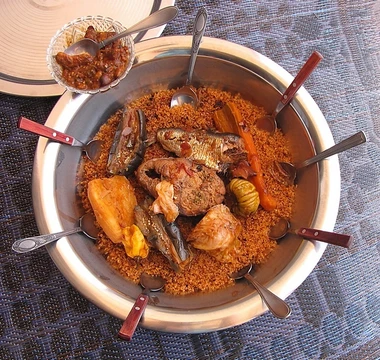
Yassa (food)
A tangy Senegalese marinated poultry or fish stew.

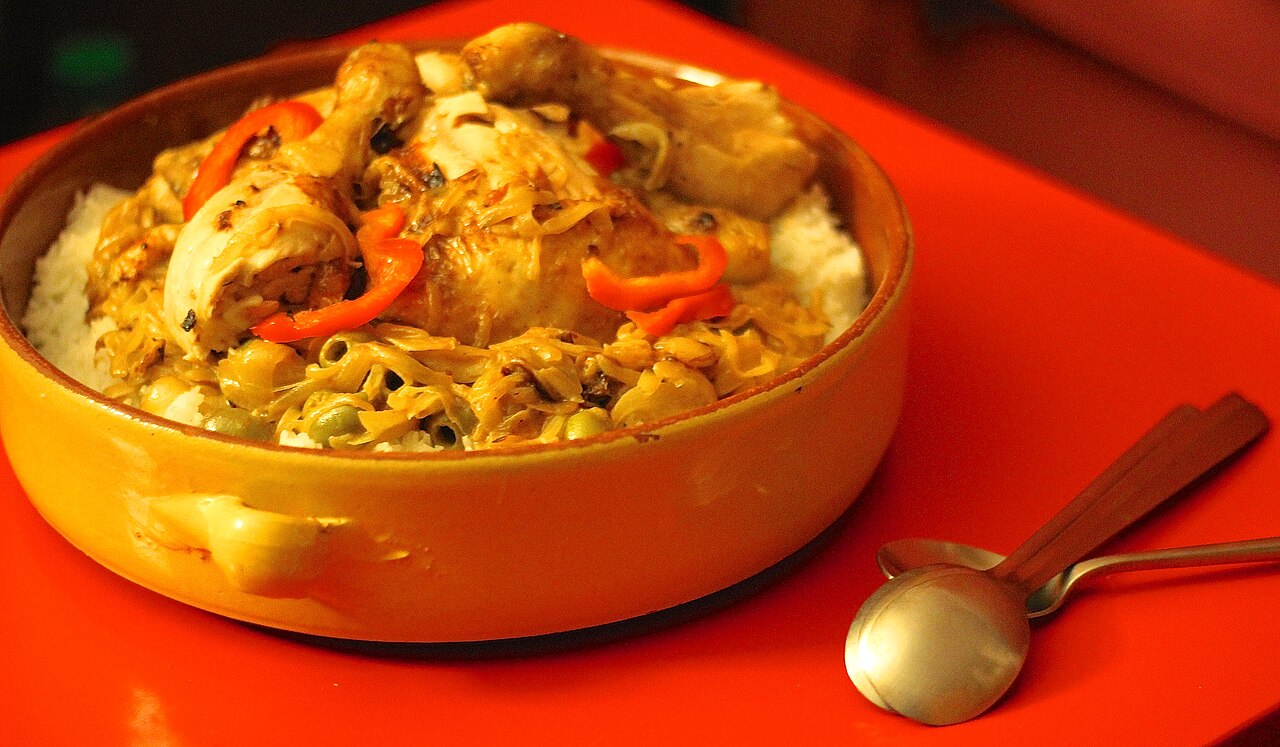
Cheikh cherif · CC BY-SA 4.0
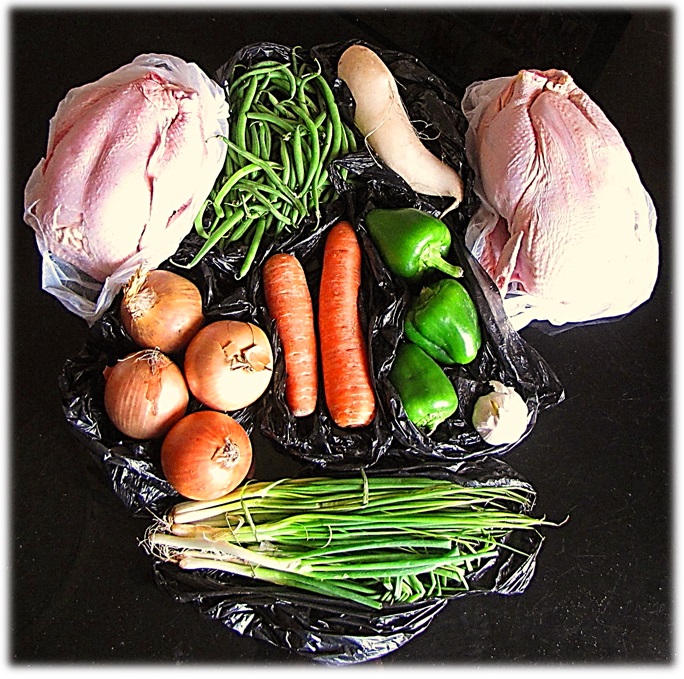
Yassa is a spicy West African dish that features poultry, fish, or lamb marinated and stewed with onions, lemon or mustard. It originated in Senegal and has since spread across the region. The word "yassa" describes the cooking technique of marinating and stewing, while "guinar" means chicken in Wolof, Senegal's national language. Chicken yassa is also called yassa au poulet in French or yassa ganaar. This dish is especially common in the southern Casamance area and throughout West Africa. Known for its tangy, savory taste, yassa gets its flavor from a sauce built on onions and citrus. A standard chicken yassa recipe includes chicken pieces, a large quantity of onions (often four to six per bird), fresh lemon or lime juice, Dijon or local mustard, garlic, chili peppers, black pepper, salt, vegetable oil, and bouillon cubes. To prepare it, the chicken is marinated for several hours or overnight with lemon juice, mustard, garlic, chili, black pepper, and thinly sliced onions. The chicken is then browned by grilling or frying to deepen the flavor. In a large pot, the marinated onions are sautéed until caramelized and soft. The browned chicken and remaining marinade are added, and the dish simmers until the chicken is fully cooked and the sauce is rich. It is served hot, typically over steamed white rice.
- Origin
- Senegal
- Region
- West Africa
- Main ingredients
- Chicken, onions, lemon or lime juice, mustard, garlic, chili peppers
- Other names
- Yassa au poulet, yassa ganaar
- Cooking method
- Marinated and stewed
- Language of name
- Wolof
Quick Facts
- Associated Cuisine
- Senegalese cuisine
- Place Of Origin
- Senegal
- Region
- West Africa
- Course
- Main
- Served
- Hot
- Main Ingredient
- Poultry, fish or lamb, onions, lemon, and mustard
Facts from the source article.
Lore & Background
Yassa is a dish that originates from Senegal and has spread across West Africa. The name 'yassa' describes the cooking technique of marinating and stewing, while 'guinar' is the Wolof word for chicken. Yassa Guinar is particularly associated with the southern region of Casamance. The dish is defined by its large quantity of onions and citrus-based marinade, which gives it a tangy, savory flavor.
Reader's Guide
Yassa is significant as one of the most iconic dishes of Senegalese cuisine, representing a cooking method that has gained popularity throughout West Africa. Its preparation involves marinating chicken (or fish or lamb) for several hours or overnight in a mixture of lemon juice, mustard, garlic, chili, and sliced onions. The chicken is then browned by grilling or frying, and the marinated onions are caramelized before simmering everything together. The dish is typically served over steamed white rice. Variations exist, but the core elements of onion and citrus remain central to its identity.
Did You Know?
- The term 'yassa' refers to the method of cooking (marinated and stewed), not a specific ingredient.
- 'Guinar' means chicken in Wolof, the national language of Senegal.
- Yassa Guinar is commonly prepared in the southern region of Casamance.
- Other names for chicken yassa include yassa au poulet (in French) and yassa ganaar.
Origins & Linguistic Identity
Yassa traces its roots to Senegal, where it has evolved into one of the most recognizable dishes in the country's culinary tradition. The name itself carries a dual meaning: "yassa" describes the cooking technique—marinating and stewing—while "guinar" is the Wolof word for chicken, reflecting the dish's deep connection to Senegal's national language. In French-speaking contexts, the preparation is often called yassa au poulet, blending colonial linguistic influence with local tradition. The dish is especially associated with the southern Casamance region, where it holds a particular place in everyday food culture. Beyond Senegal's borders, the preparation has spread across West Africa, adapting to regional tastes while retaining its core identity. The term "yassa" is flexible enough to apply to poultry, fish, or lamb preparations, making it a versatile cooking concept rather than a single fixed recipe.
Flavor Profile & Defining Characteristics
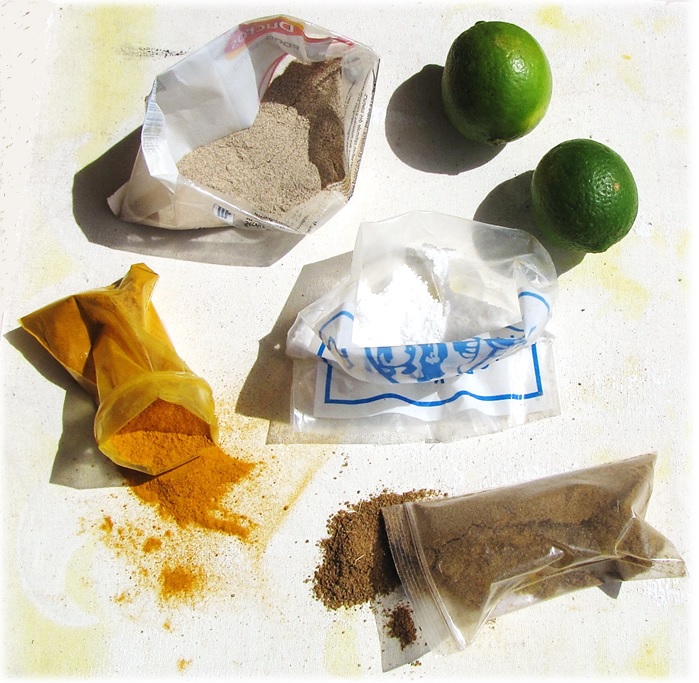
What sets yassa apart in the crowded landscape of West African cooking is its bold, tangy-savory character, built almost entirely around two pillars: an abundance of onions and the sharp brightness of citrus. A standard preparation calls for four to six large onions per whole chicken, creating a sauce that is both rich and intensely aromatic. The lemon or lime juice cuts through the richness, while Dijon or local mustard adds a subtle piquancy that deepens the overall taste. Fresh garlic and chili peppers introduce warmth and heat, and black pepper rounds out the spice profile. The result is a dish that is simultaneously comforting and electric—neither purely sweet nor purely spicy, but a complex interplay of sour, savory, and pungent notes. This distinctive onion-and-citrus sauce is what makes yassa instantly recognizable and what has carried its reputation from Senegalese kitchens to tables across the broader West African region.
Preparation Method & Technique
The preparation of yassa is a layered, time-intensive process that rewards patience. It begins with a generous marinade: chicken pieces are coated in lemon juice, mustard, minced garlic, chili, black pepper, and thin ribbons of onion, then left to rest for several hours or even overnight so the flavors can penetrate the meat. The next stage involves browning the marinated chicken through grilling or frying, a step that introduces caramelized, smoky depth to the final dish. Meanwhile, the remaining onions are slowly sautéed in a large pot until they turn soft and deeply caramelized, building a sweet, concentrated base. The browned chicken is returned to the pot along with any leftover marinade, and everything simmers together until the meat is fully cooked and the sauce has thickened into a rich, glossy coating. The finished dish is served hot, traditionally alongside steamed white rice, which soaks up the tangy, savory juices.
Cultural Reach & Iconic Status
Yassa occupies a place of genuine prominence in Senegalese food culture, widely regarded as one of the nation's most iconic dishes. Its popularity extends well beyond Senegal's borders, with the preparation now a familiar sight across West Africa, where it has been adopted and adapted by neighboring culinary traditions. The dish is particularly associated with the Casamance region in the south, where yassa guinar is a staple, yet its reach spans the entire continent's western stretch. Versatility is one reason for its broad appeal: while chicken is the most common protein, the same marinate-and-stew method applies equally well to fish and lamb, allowing the dish to appear in diverse contexts from coastal fishing communities to inland pastoral areas. Whether served at a family gathering or a restaurant table, yassa consistently arrives over a bed of steamed white rice, a pairing that has become almost inseparable from the dish itself. Its status as a culinary ambassador for Senegal is well earned.
Gallery
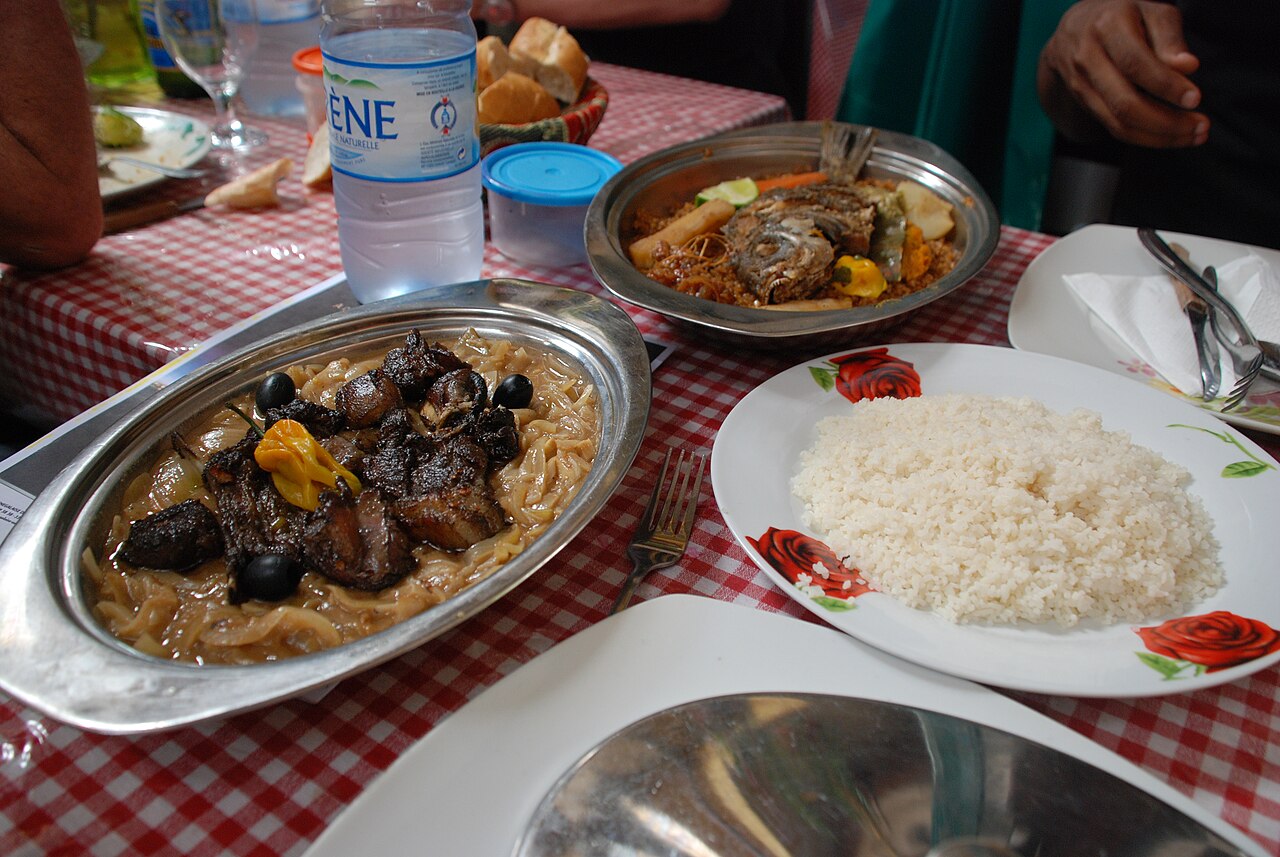
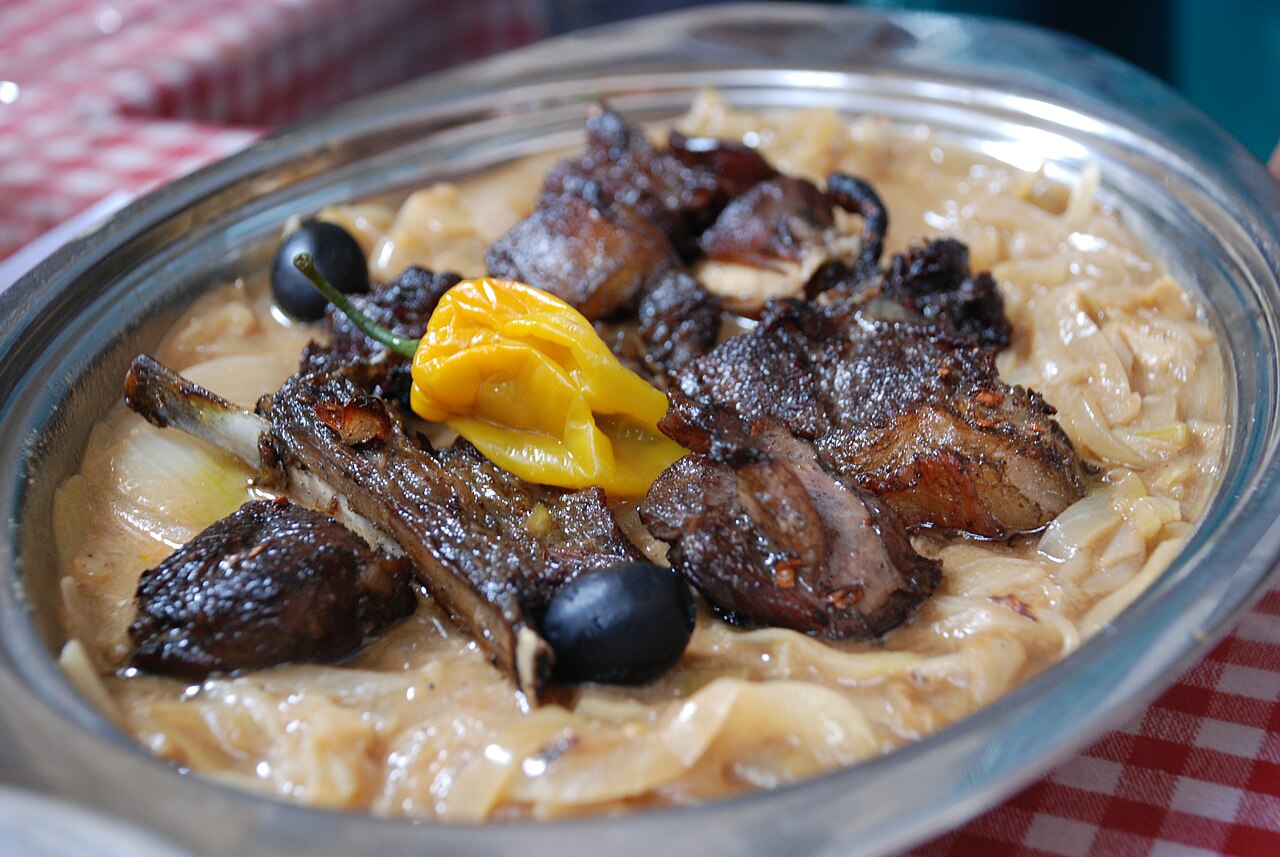
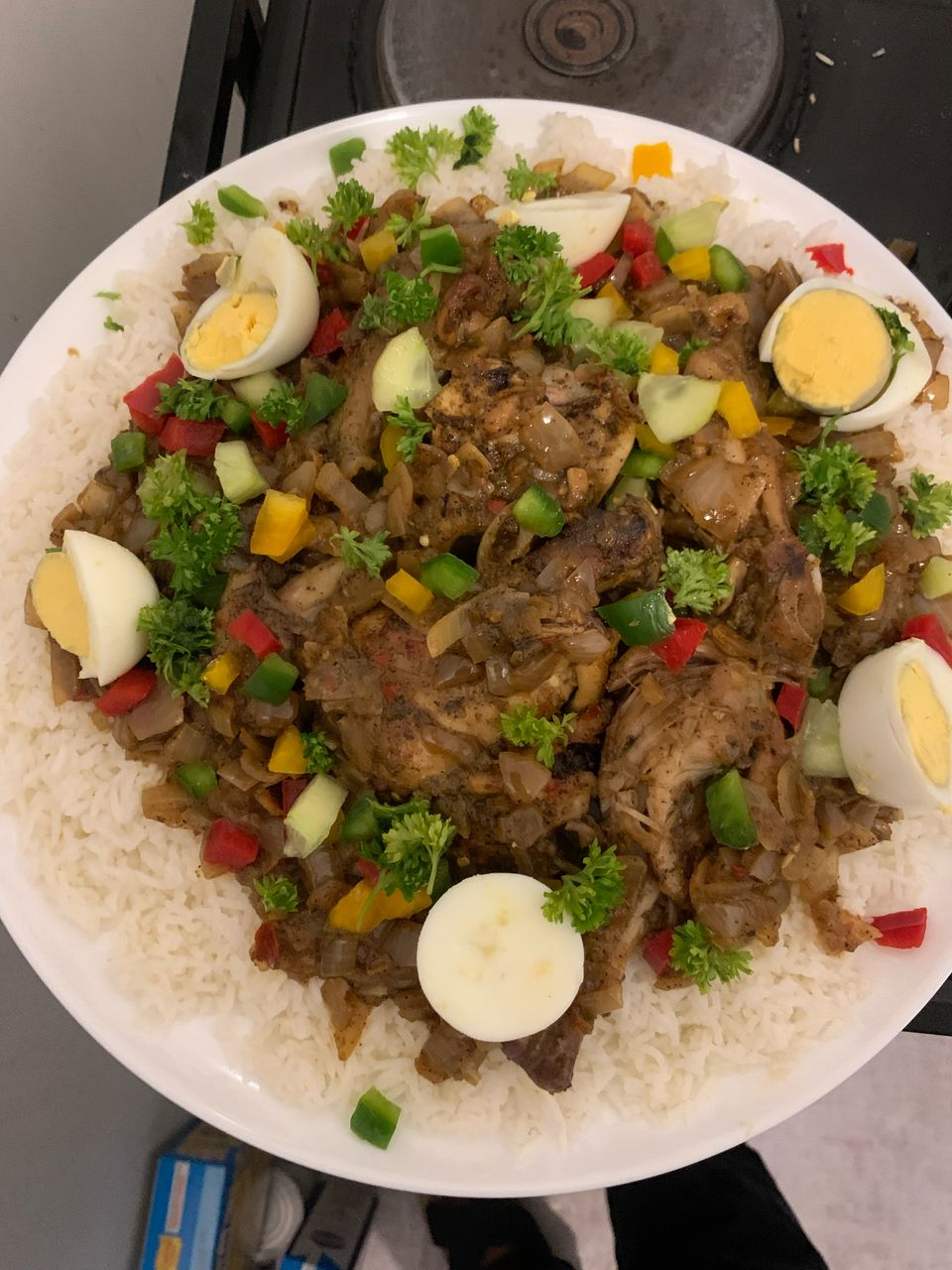
Frequently Asked Questions
What is Yassa?
Yassa is a tangy, savory stew from Senegal in which poultry, fish, or lamb is marinated and slow-cooked in a sauce built from onions, citrus, and mustard. It is one of the most recognizable dishes across West Africa.
What are Yassa's main ingredients?
The core components are chicken (or fish/lamb), a large quantity of onions, lemon or lime juice, mustard, garlic, and chili peppers. Together they create the dish's signature tangy, savory heat.
Where does Yassa originate and where is it most popular?
Yassa was born in Senegal and is especially associated with the southern Casamance region. From there it spread throughout the broader West African culinary landscape.
What does the name 'Yassa' actually mean?
In Wolof, Senegal's national language, 'yassa' refers to the specific technique of marinating and stewing rather than to a single ingredient. When paired with 'guinar' (Wolof for chicken), the dish is called 'yassa ganaar,' or 'yassa au poulet' in French.
Why is Yassa important in Senegalese food culture?
It serves as a staple comfort dish that showcases the Wolof culinary tradition of building deep flavor from simple staples like onions and citrus. Its wide regional presence makes it a shared cultural touchstone across West Africa.
More in Senegalese cuisine 1-21
Spotted an error? Know more?
This is a living reference — every entry is fact-audited, and reader corrections feed straight into our audit queue. Suggest an edit · See this site's audit record